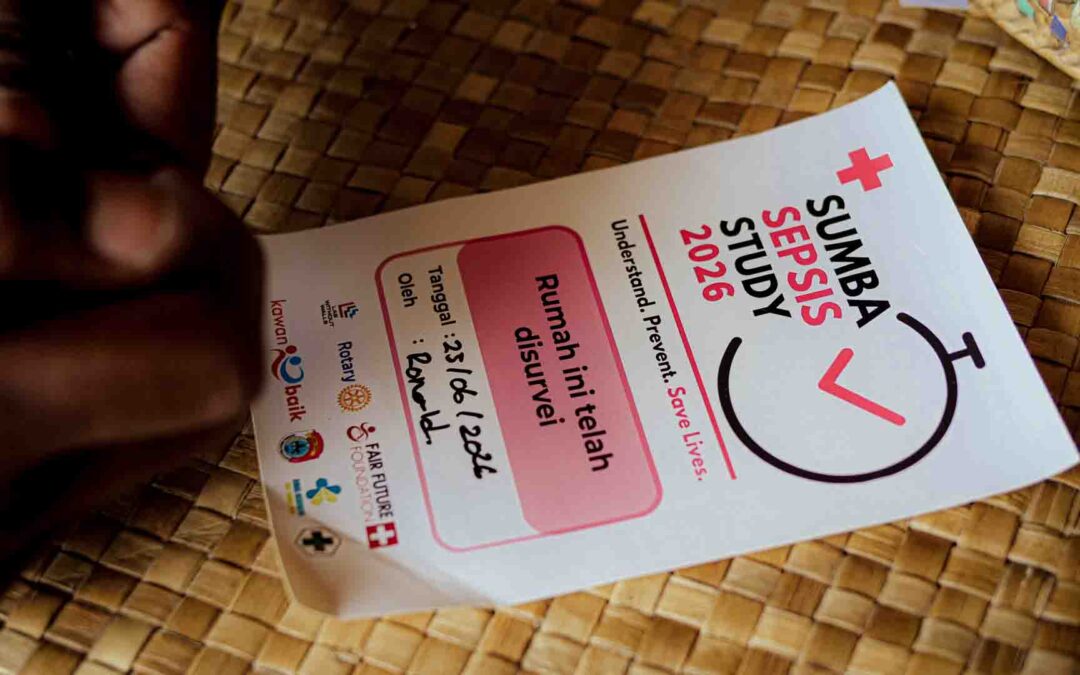
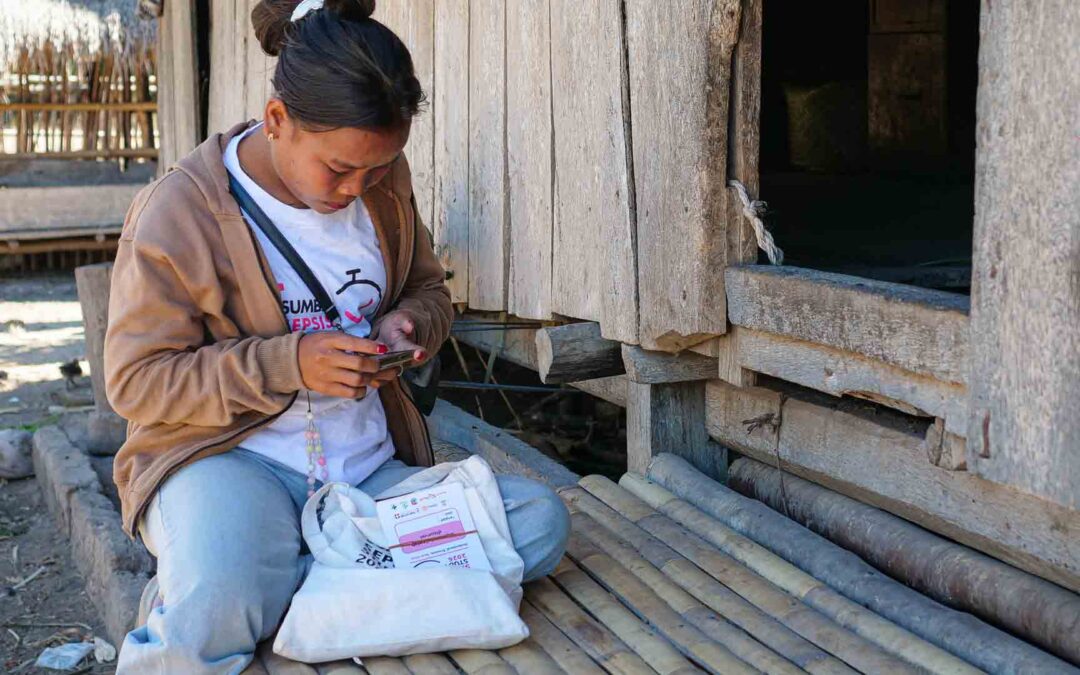
At 19, Rambu Fratika works as both a Kawan Sehat health agent and an enumerator for the Sumba Sepsis Study 2026. In remote East Sumba, she uses field applications to collect health data, strengthen prevention and report worrying situations earlier, before delays in access to care become dangerous.
I have written the following articles and content
Hello, my name is Alexandre WettsteinThe Fair Future Foundation in East Indonesia is dedicated to eradicating social and medical injustices by ensuring access to healthcare, clean water, and education for all.
Community Health Prevention in East Sumba | Field Care
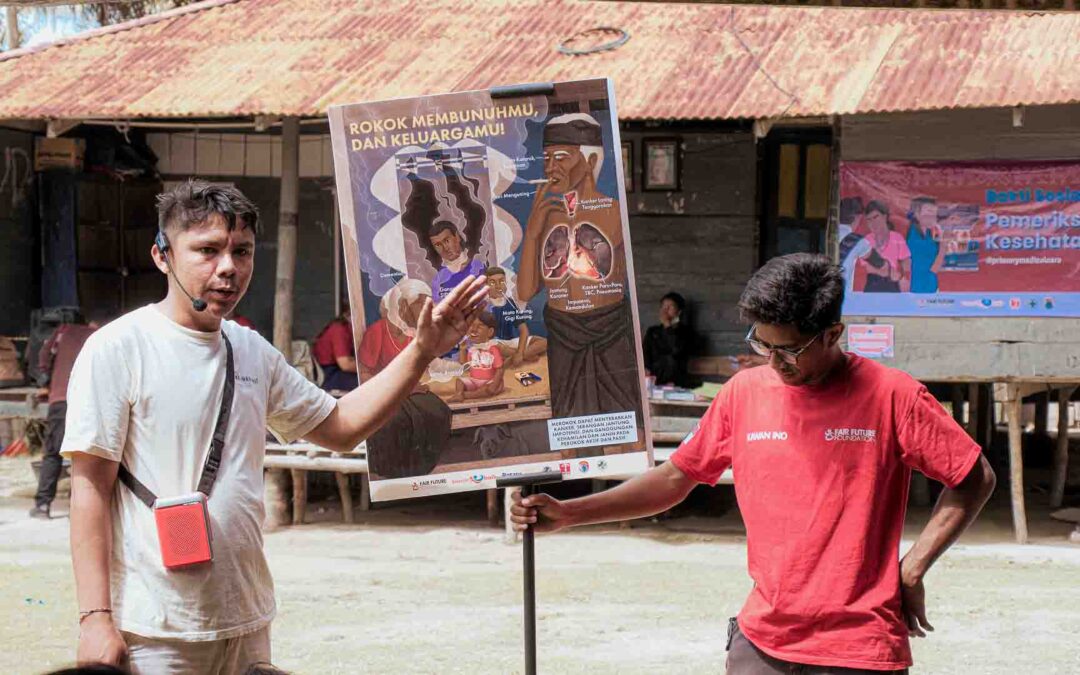
During community care in Kampung Madutolung, treatment was paired with practical prevention. More than 110 people received care while the team discussed secondhand smoke, nutrition, alcohol risks and malaria recognition, showing why education belongs inside primary healthcare in the village.
Clean water at home | Gravity-fed Water Connections
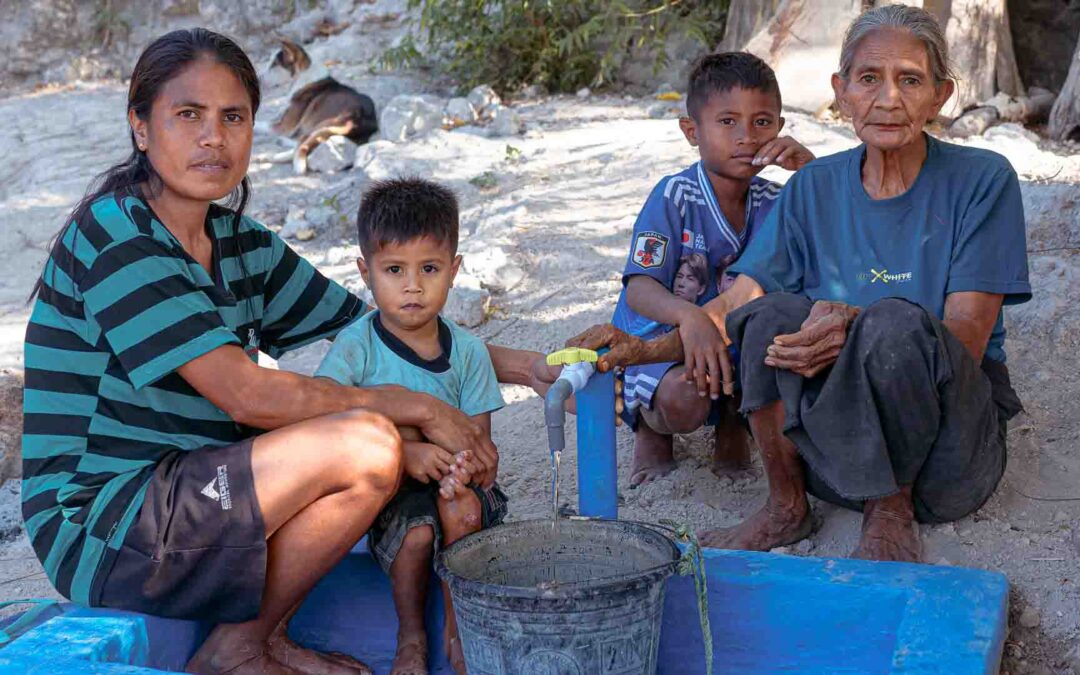
A new 5,300-litre reservoir and 200 metres of gravity-fed pipe now bring water directly to two families. For around fifteen people, a household tap changes hydration, food preparation, hygiene and exposure to waterborne disease, while reducing the daily burden of collecting water away from home.
East Sumba Sepsis Study | Fieldwork Phase Complete
The East Sumba Sepsis Study has completed its field phase after more than three months across remote villages. More than 20 enumerators and health professionals reached people in over 1,000 households. Two datasets, one from communities and one from NAKES health workers, are now being prepared for analysis ahead of World Sepsis Day.
Primary Healthcare in East Sumba | Wound Care at Home
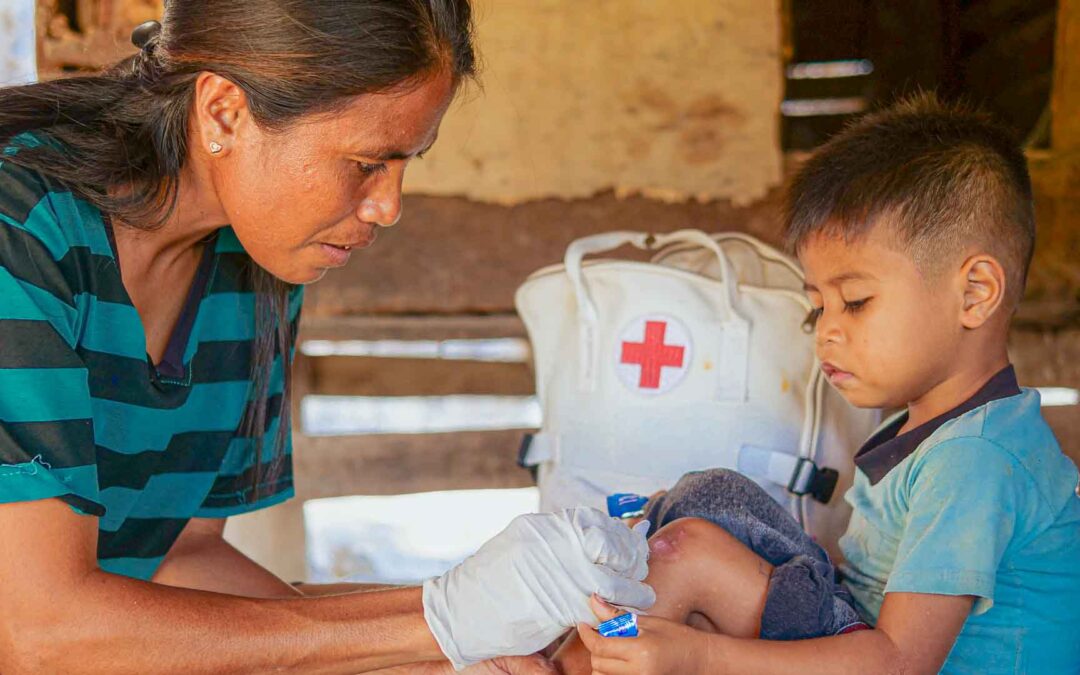
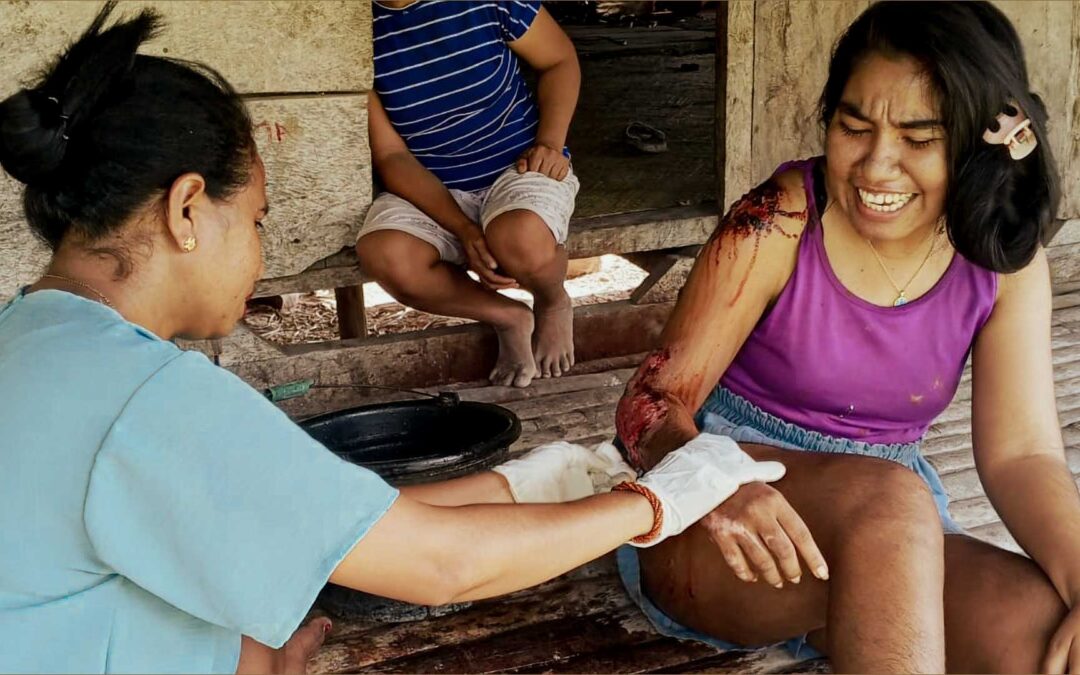
In Hudumburung, Kawan Sehat agent Veronika treats a child’s wound with the medicines, supplies and training tools carried in her medical backpack. Her work shows why early primary care, infection recognition, health education and timely referral matter in isolated East Sumba villages.
Self-Medication Rural Indonesia | Safe Medicine
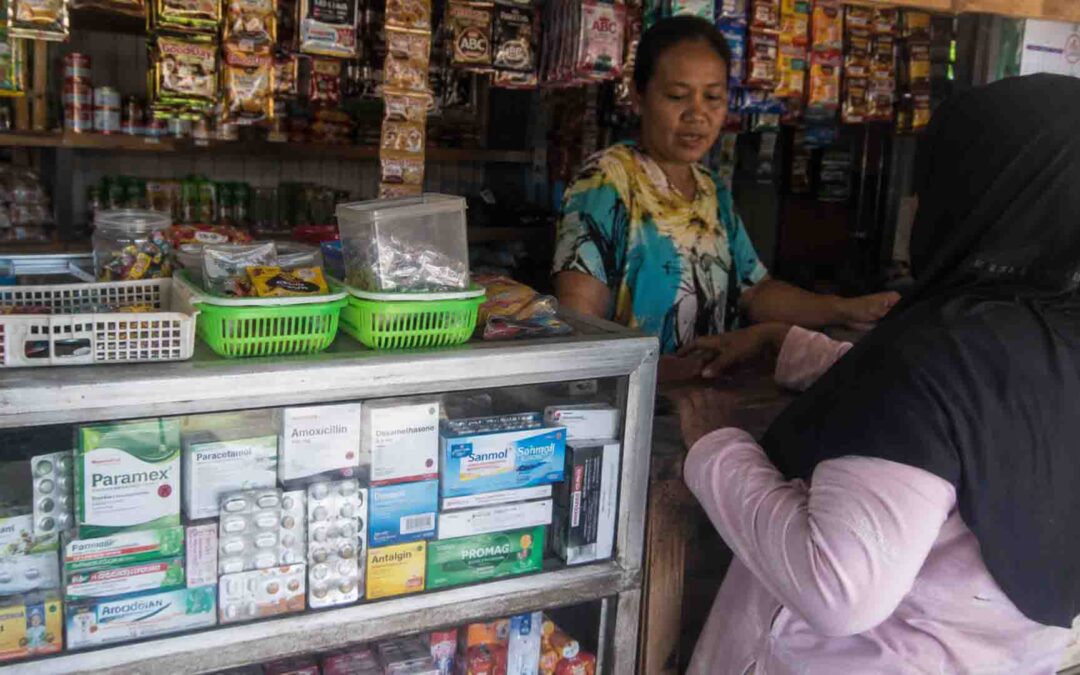
In rural Indonesia, antibiotics and injections are often easier to access than trained medical care. This article explains how unsafe self-medication fuels antimicrobial resistance, delayed diagnosis, sepsis and preventable complications.
Preventable Diseases in Children | Rural Vaccination
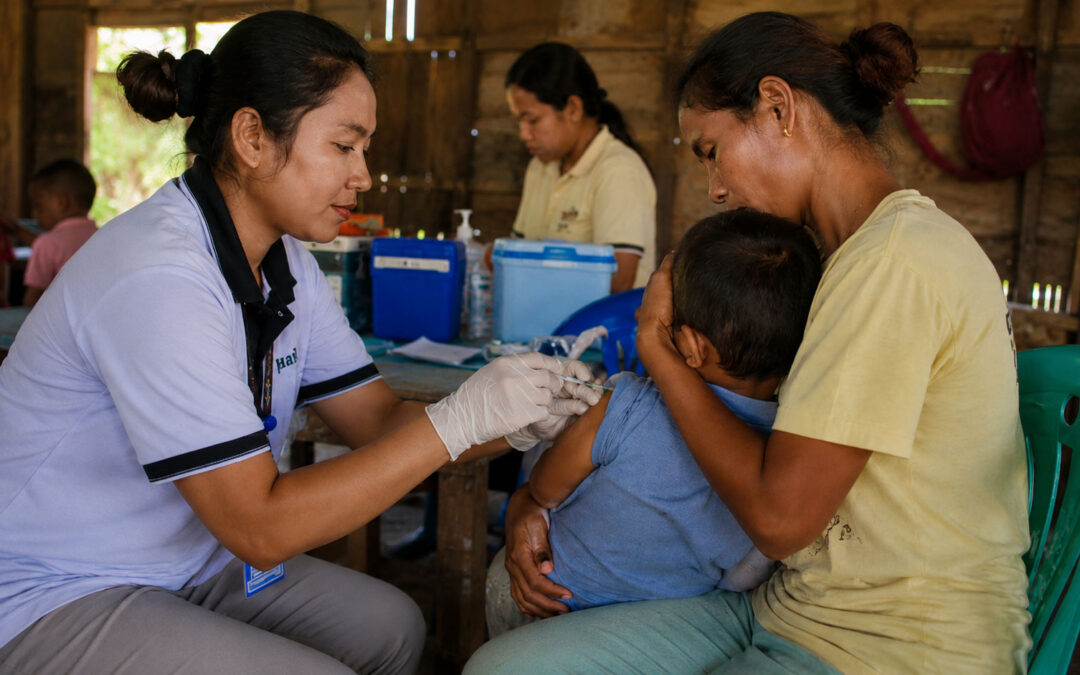
In remote Indonesia, children still grow up without reliable vaccination. Preventable diseases return not because medicine has failed, but because health systems stop too early, leaving families exposed to infections we already know how to prevent.
Rumah Kambera 2.0 Drilling Begins | Fair Future
Rumah Kambera 2.0 drilling marks the first physical step toward Fair Future Foundation’s new socio-medical base in East Sumba. After two days of work, fresh water was found, making future construction, field life, and patient care possible on the site.
East Sumba Sepsis Study | Fatal Infection Pathways
Fair Future Foundation and Kawan Baik Indonesia launch the East Sumba Sepsis Study in May 2026. Nearly 500 household interviews and healthcare worker questionnaires will document why severe infections become fatal in ultra-rural villages, before better detection and care can be built.
Preventable Suffering | Rural Health Failure
Preventable suffering in ultra-rural villages is not destiny. Untreated wounds, fever, pain, malnutrition and unsafe water become normal only when care, prevention and health education fail to reach families. Fair Future Foundation works where these failures cost lives.
Third-Degree Burns Indonesia | Umbu Needs Burn Care
Umbu, 14, has lived for eight months with third-degree burns Indonesia should never leave untreated. In East Sumba, delayed care means chronic wounds, severe pain, malnutrition and lost mobility. He needs food, dressings, medicine, physiotherapy, reconstructive surgery and safe transfer now.
Leptospirosis Rural Indonesia | Water and Infection
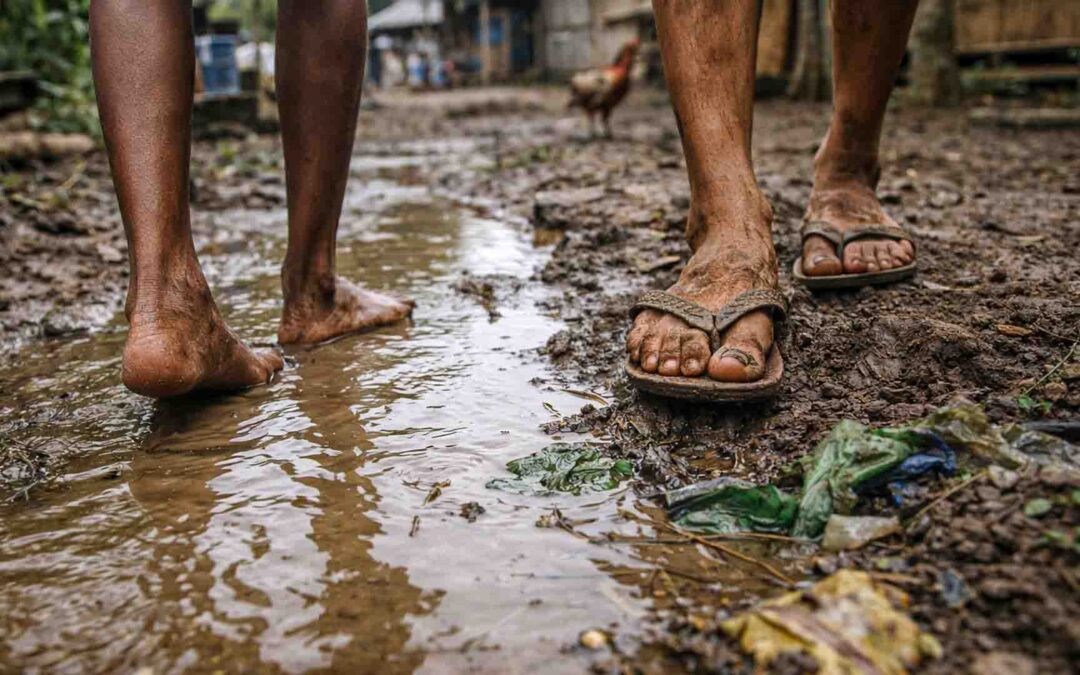
Leptospirosis in rural Indonesia remains dangerously underdiagnosed. In East Sumba and across NTT, unsafe water, rodent exposure, poor sanitation, and delayed care still turn a preventable bacterial infection into severe disease. Clean water, wound care, and early treatment save lives.