
Water Connections gives families in Mbinudita easier access to clean water and sanitation, supporting hygiene, gardening and daily household health.

A healthier life thanks to the Water Connections program
read more


Support Care
All projects
Field updates
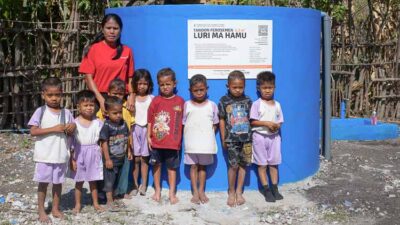
The Water Connections category documents long-term interventions designed to ensure safe and reliable water access in ultra-rural settings.
Articles describe the planning, construction, and maintenance of wells, gravity systems, reservoirs, and distribution points, combined with basic sanitation and hygiene measures. These actions follow WHO water and public health standards, recognizing clean water as a core determinant of health. By reducing exposure to waterborne diseases, supporting hygiene, and improving daily living conditions, water connections contribute directly to lower morbidity, child health protection, and community resilience.
Water Connections gives families in Mbinudita easier access to clean water and sanitation, supporting hygiene, gardening and daily household health.

Children in Laindatang walk to traditional rock basins called Kullup to collect scarce rainwater far from their homes.
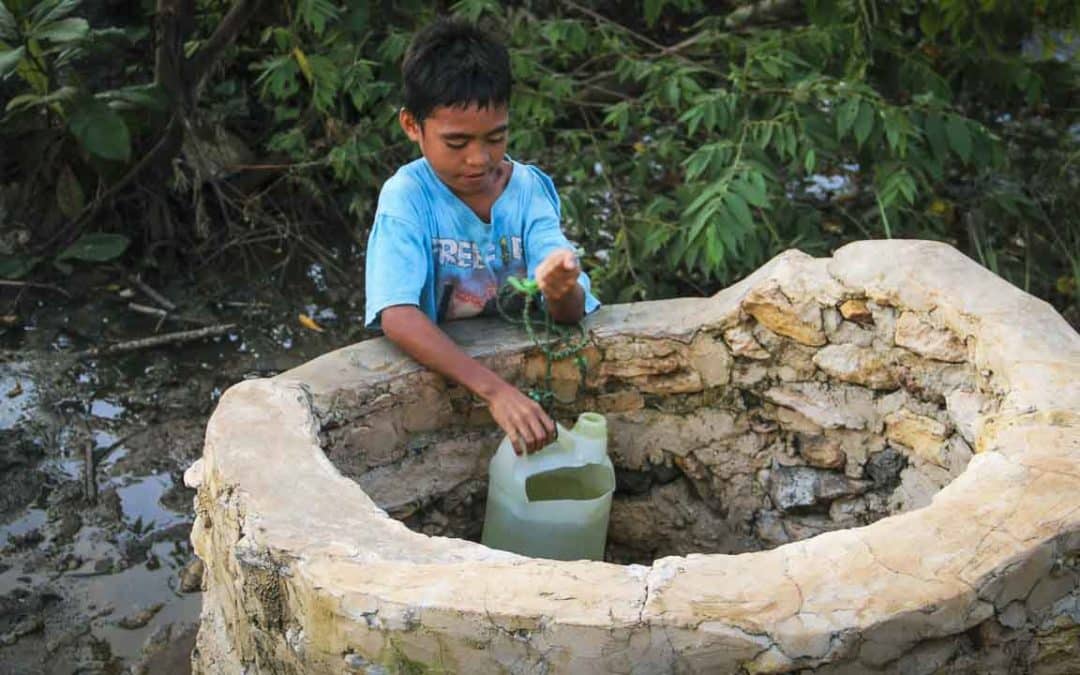
Families in remote East Sumba rely on limited and often unsafe water. Better access supports hygiene, health and children’s daily lives.
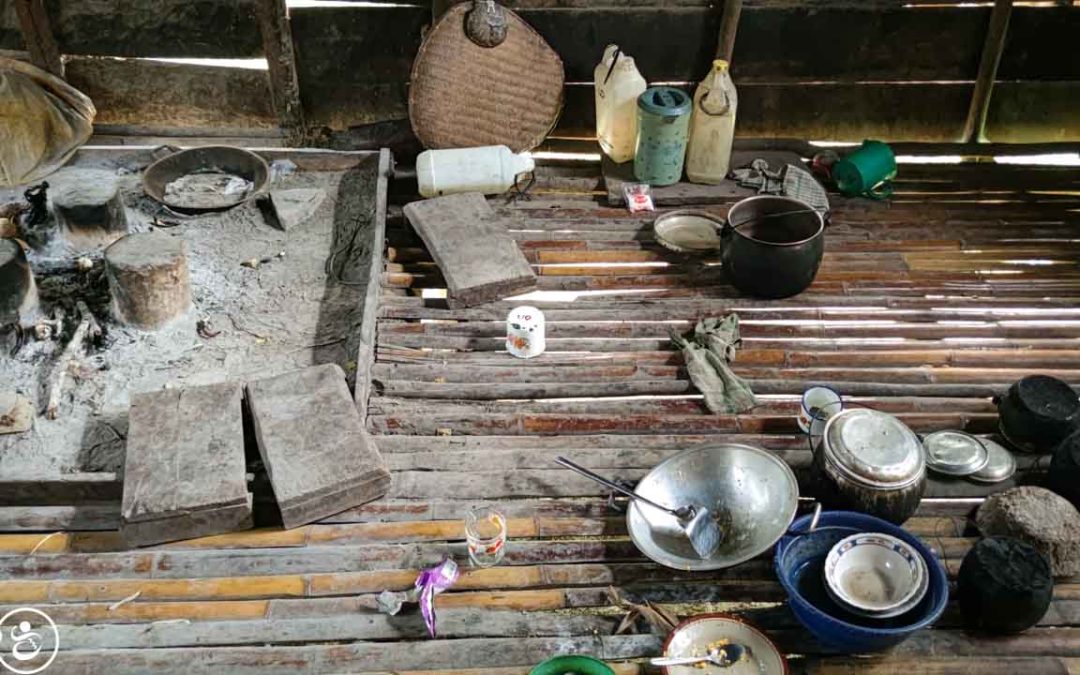
A household kitchen in Laindatang shows the daily reality of food insecurity and limited water access in rural East Sumba.
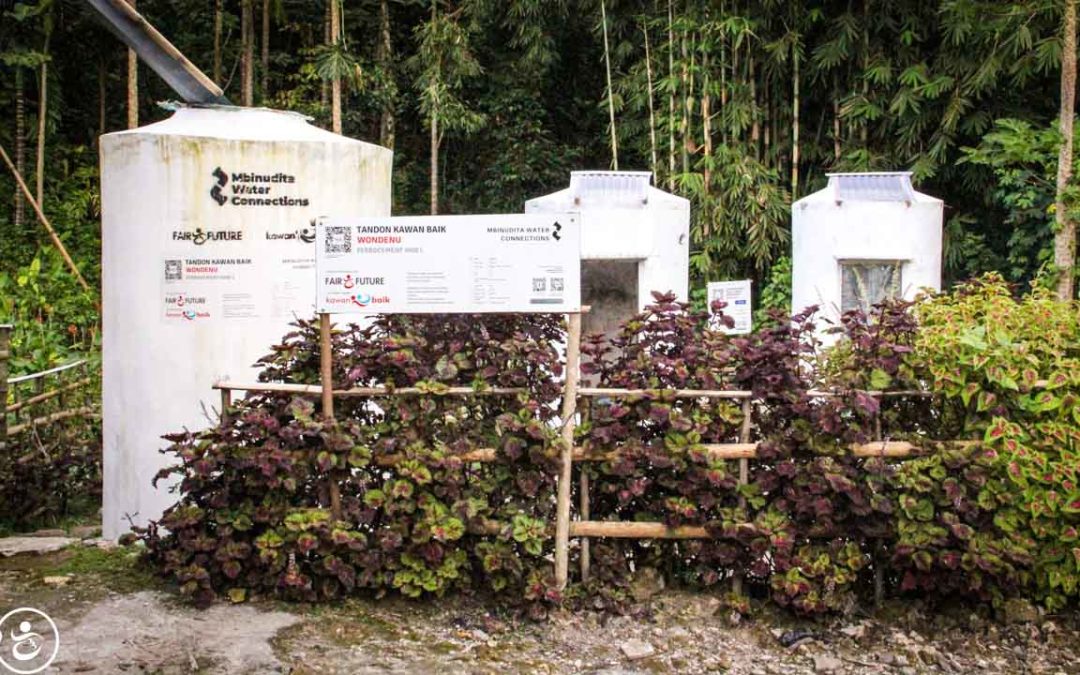
Fair Future builds clean-water and sanitation facilities with rural communities where families previously had no safe toilets or reliable water access.
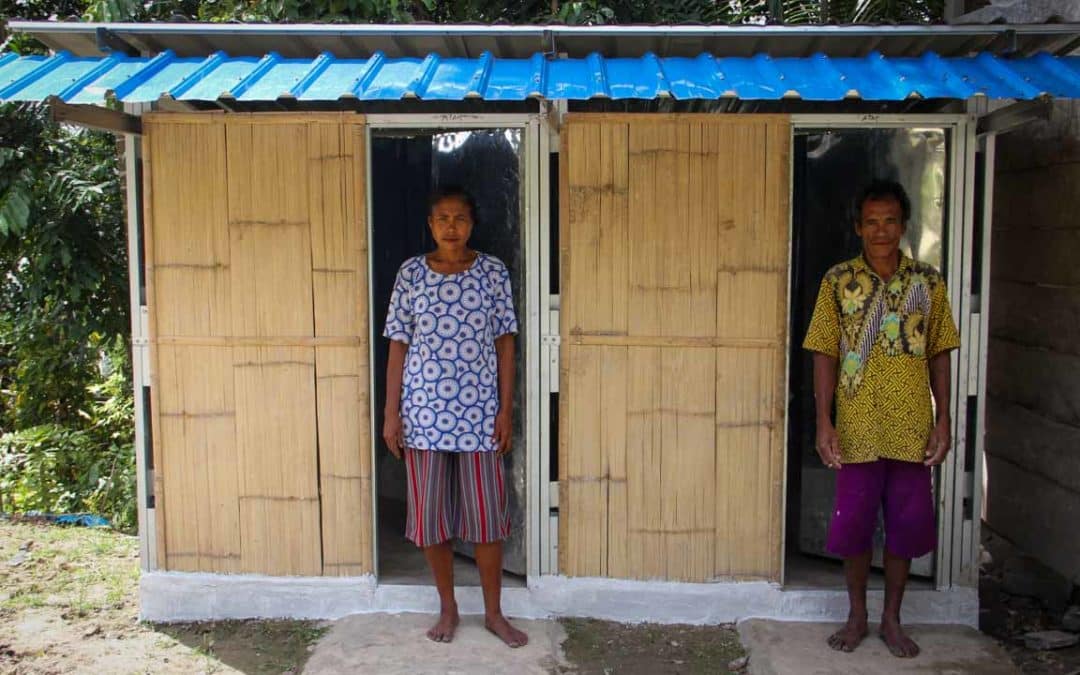
A family in Mbinudita gains access to toilets, washing facilities and clean water at home through the Water Connections program.
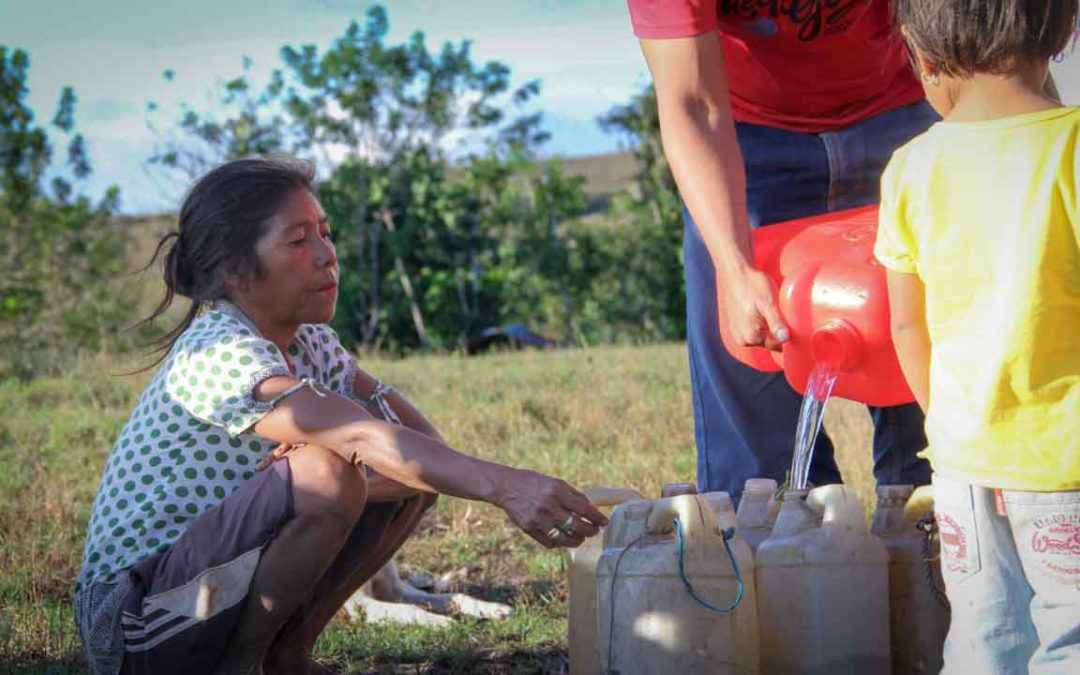
Families in Laindatang face severe water scarcity, making safe drinking water and sanitation a central priority for the Water Connections project.

The Water Connections project, Laindatang Site, is our current top priority. Laindatang is a village without water. Everyone is sick and does not have enough to eat and drink. Children are underweight, and so are adults. We must act for these hundreds of people and give them access to clean water.

Two litres of water per day and per person to live. And this, thanks to an object as innocuous as an old five-litre can. A stupid plastic container? For most of us, it is an object that will go irretrievably in the trash. But here, for the families that Fair Future and Kawan Baik work with – tens of thousands of families – it is essential to the…

Look at what has been done in the last 20 months, it’s simply extraordinary because doing this in this region was a priori impossible, but we did it. We are at the end of the line in the Water Connections project, we have “only” a few things left to build, including a huge 25,000-liter tank.

Some forms of gastrointestinal and respiratory infections can lead to serious complications, especially in young children, the elderly, or people with weakened immune systems. This is why hand washing prevents the spread of disease. Indeed, many infectious and contagious diseases can be transmitted from one person to another through contaminated…

Indonesian women play a vital role in water management due to their traditional responsibilities of collecting water, cooking, cleaning and raising children. These women from these ultra-rural areas of eastern Indonesia are strong. They represent tremendously well the strength and the courage it takes to survive here in this vast country.
