

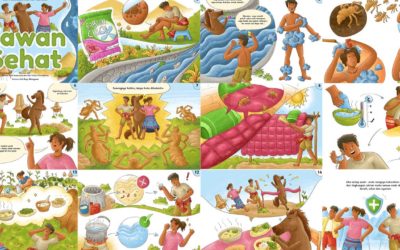
The Foundation has created an illustrated book for the young in the ultra-rural areas of eastern Indonesia. Where knowing how to read and write is not shared. It will serve as a reference book and gather most of the information on a better lifestyle, the tips and tricks that are “normal” but that most don’t know here. Here it is in its preview version. There are still about ten pages missing in the process of colouring.
Having Lives Through Primary Medical Care in Remote Areas
Fair Future Foundation’s Primary Medical Care initiative is a lifeline for remote communities in East Sumba. By providing essential healthcare where access is nearly impossible, this program saves lives. Our approach empowers local women as Kawan Sehat health agents, ensuring that even the most isolated villages receive vital medical attention. This unique program is building healthier, more resilient communities.
The Primary Medical Care category documents the delivery of essential healthcare services in ultra-rural settings where access to doctors and facilities is limited or absent. Articles describe how trained health agents provide first-line care, manage common illnesses, treat injuries, monitor chronic conditions, and identify early warning signs requiring referral. This work follows WHO primary health care principles, combining treatment, prevention, and continuity of care. By bringing structured medical care directly to communities, this category highlights measurable improvements in health outcomes, safety, and resilience under real field constraints.
Primary medical care for kids in rural areas
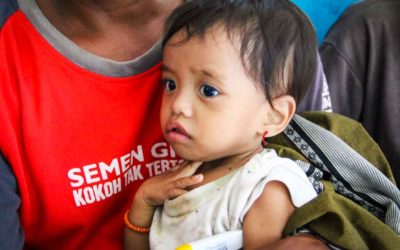
The inhabitants of rural villages do not have access to primary care, and most medical centres are often several hours away on foot. The harshness of life here means we often get hurt, but nothing is available to treat ourselves—no doctor, knowledge, medical equipment and, of course, no antiseptic or medicine. These injuries can lead to the death of a child or an adult if they get worse. We must therefore act quickly. Fair Future, for years, has empowered schools and families in ultra-rural communities to take action in the event of an accident. Today, we are taking another step in this program.