

In ultra rural Indonesia, access to medical care depends on distance, roads, and signal. The Kawan Sehat Medical App was created to change that reality by enabling trained community health agents to deliver structured primary medical care without internet access, while generating reliable medical data for long term action.
After years of walking to find dirty water, villages like Laindatang, Hambarita or Mbinudita can now access clean water from community reservoirs they built themselves. Clean water reduces diarrhea, skin infections, and fear. This is a true reflection of dignity in daily life.
Donate
Support Care
Programs
All projects
Quick News
Field updates
Stories
Field stories
The Multimedia Content category of Fair Future Foundation brings you closer to the realities of ultra-rural Indonesia through photos, videos, and interactive materials. These engaging stories capture the challenges and triumphs of the communities we support. From healthcare initiatives to clean water projects, our multimedia content showcases the heart of our mission and the impact of our work in even the most remote places.
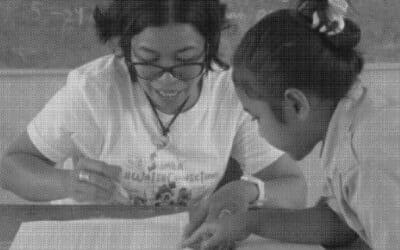
Hand Hygiene in Rural Indonesia | Disease Prevention
Hand hygiene rural Indonesia remains one of the most overlooked yet critical medical challenges in ultra-rural communities. Where water, soap, and sanitation are missing, infections spread easily. Education and simple infrastructure become powerful medical tools when healthcare access is limited.
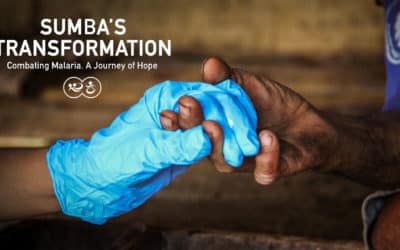
Malaria Screening in Rural Indonesia | Swiss Medical Fieldwork
Beyond the rapid test, each screening includes education, explanation, and practical advice. This moment of dialogue often becomes the first real medical consultation families have ever received, turning a diagnosis into immediate protection.
Mbajik Solar Evaluation Through Children’s Eyes
This Mbajik solar evaluation began at night, not with tools but with a film. Children and adults gathered to watch themselves on screen, for the second time. The first was in October, during installation. This time, it was different. This time, electricity was already part of their lives.
Solar Light for Children in Ultra-Rural Regions
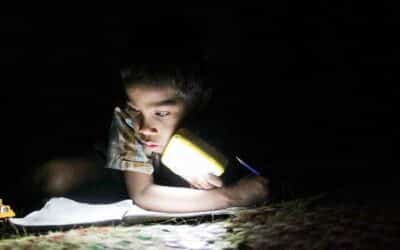
This new picture of the day shows solar light for children delivered through patience and care. In an ultra-rural classroom, a lamp is not simply handed over. Time is taken to explain, to show, to ensure understanding. For children living without electricity, light means safety, learning, and dignity once the sun goes down.
Kawan Sehat Ultra-Rural Medical Care in Eastern Indonesia
In eastern Indonesia, ultra-rural medical care depends on people who walk where vehicles cannot go. In regions cut off from roads, electricity, and doctors, Kawan Sehat health agents provide first-line treatment, prevention, and education. Their work fills the growing gaps left by under-equipped Puskesmas and overstretched hospitals.
Film gallery on field medical and social work
This film gallery humanitarian work shares nine essential films documenting our field actions. Each one captures medical care, water access, education, and community resilience in remote Indonesian villages. These stories explain the daily challenges and the solutions built together.
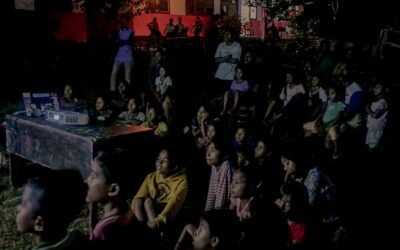
The Day Night Changed – Solar Light for Mbajik School
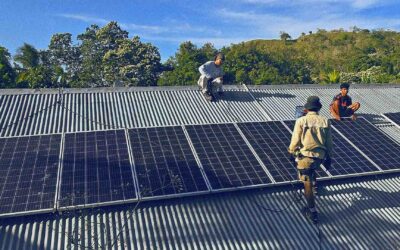
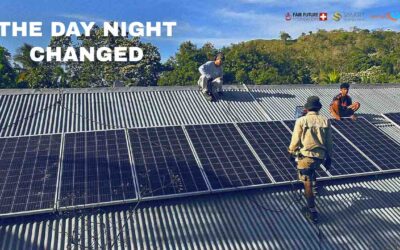
For five days, we lived and worked in Haray to create The Day Night Changed, a film showing how electricity reached Mbajik School for the first time. This is the story of before, during, and after, in a district where over 100 schools still wait for power.
Electrification of Mbajik School the Movie
For five days we worked to complete the electrification of Mbajik School the movie, carrying heavy equipment, wiring every room, and sleeping in the village. This project brings light to 80 children and 12 residents, in a district where over 100 schools still have no electricity.
Kawan Sehat wound care in remote villages saves lives
In this image Kawan Sehat wound care happens on a bamboo floor where clinics are days away. The agent irrigates, debrides if needed, applies a sterile dressing, checks tetanus, and teaches danger signs. Early care stops infection before it spreads to the blood. This is how primary medicine prevents funerals.
Hambarita water reservoir plaques – eight named tanks
This picture shows Hambarita water reservoir plaques resting on the grass moments before installation. Each plate carries a local name because water is treated like kin. When a tank is called by name, people maintain it, clean gutters, and guard the lid. Eight new reservoirs will store rain, cut disease, and return time to families.
SolarBuddy lamps East Sumba – quality control to classrooms
At Rumah Kambera we checked 2,224 SolarBuddy lamps East Sumba one by one. Volunteers, Rotary, Fair Future and Kawan Baik tested brightness, panels, switches and batteries, fixed faults, logged QR codes, and packed each unit for long journeys to schools with no electricity. Light prevents injuries, improves study, and protects health.