

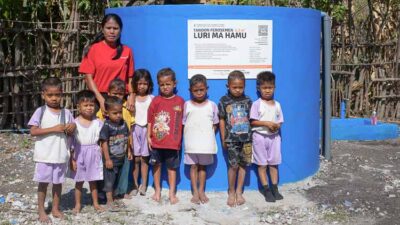
Fair Future is an innovative initiative aimed at uplifting rural communities by focusing on two fundamental needs: access to clean water and education. By providing these essential resources, we empowers communities to establish and maintain vegetable gardens, which serve as a cornerstone for improved nutrition and health.
Water Connections

The Water Connections category documents long-term interventions designed to ensure safe and reliable water access in ultra-rural settings.
Articles describe the planning, construction, and maintenance of wells, gravity systems, reservoirs, and distribution points, combined with basic sanitation and hygiene measures. These actions follow WHO water and public health standards, recognizing clean water as a core determinant of health. By reducing exposure to waterborne diseases, supporting hygiene, and improving daily living conditions, water connections contribute directly to lower morbidity, child health protection, and community resilience.
Latest field updates
Clean Water: A Child’s Better Future
Clean water close to home reduces exposure to unsafe sources, supports hygiene and gives children safer conditions for school, health and daily family life.
Children’s Joy: Clean Water Close to Home
Children in Mbinudita experience clean water close to home through Water Connections, reducing long water-fetching journeys and supporting hygiene and daily family life.
Recognizing Dehydration: Key Signs and Prevention Tips
Dehydration affects essential organs, especially in rural regions with restricted access to clean water. Discover the crucial warning signs and prevention methods, as well as how Fair Future Foundation’s #WaterConnections initiative contributes sustainable solutions for maintaining hydration in vulnerable communities.
Quick Pump Repair Restores Water in Mbinudita
Last week, the pump for our Mbinudita Water Connections project experienced a failure due to an electrical short circuit. We responded promptly by repairing the issue and installing a backup pump to maintain water supply continuity. Providing access to water is essential, and ensuring it reaches the community is our highest priority.
Building a Vital Water Reservoir in Arid East Sumba
Fair Future’s planned construction of a 110m³ water tank in East Sumba will help address the severe water shortage. This vital project, if completed, will store rainwater for nearly 300 people, including 100 children, ensuring access to clean water in one of the driest regions in the world.
Building Sanitation Facilities for Health and Dignity
Fair Future builds toilets and washing facilities in remote East Sumba to improve hygiene, reduce sanitation-related health risks and restore dignity where basic services are scarce.
Laindatang Drilling Halted: New Rainwater Harvesting Plan
After nine months of drilling efforts in Laindatang, Fair Future has stopped operations due to safety concerns and technical challenges. The focus is now on building a rainwater harvesting system to provide clean water to the village.
Water and Health: A Lifeline for Lapinu Village
In 2025, the Water Connections project aims to provide clean water and sanitation in Lapinu Village, improving health and reducing preventable diseases. The initiative will engage villagers in sustainable solutions, helping families achieve better health, nutrition, and a dignified life.
Clean Water Access with Safe and Inexpensive Tanks
Ferrocement tanks built in remote East Sumba store rainwater close to homes, offering a practical way to improve water access, hygiene and household resilience at relatively low cost.
Ferro Cement Water Reservoirs: A Lifeline for Communities
The Fair Future Foundation’s Water Connections program provides clean water to remote villages through manual construction of water reservoirs, reducing waterborne diseases and improving living conditions for women and children.
Transforming Unsafe Spaces into Healthy Environments
Renovating unsafe school toilets and improving clean water and hygiene in rural East Sumba reduces sanitation-related health risks and creates safer learning environments.


