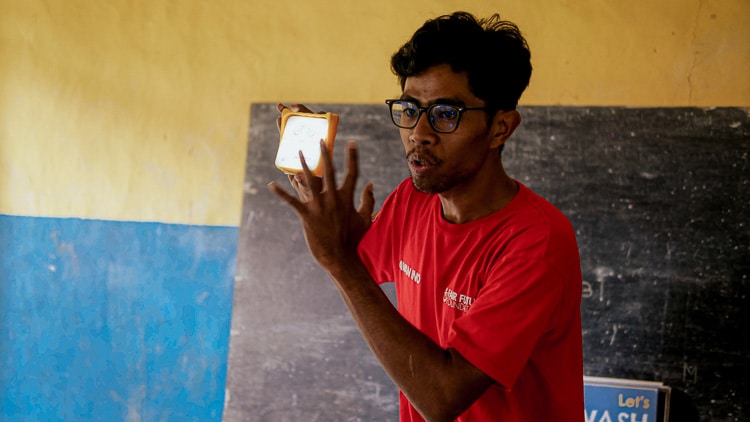


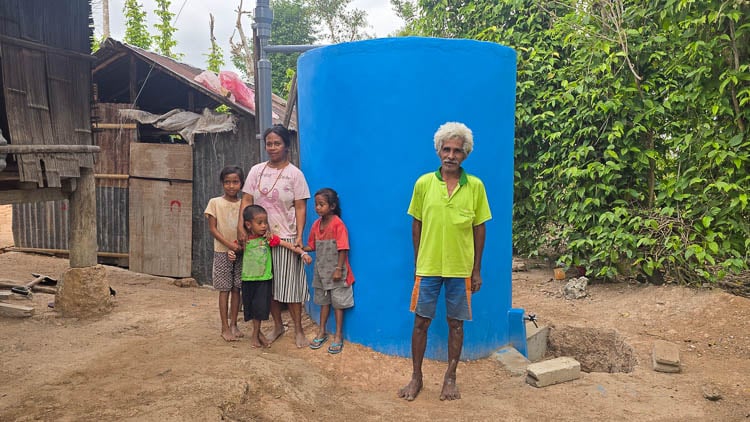
After years of walking to find dirty water, villages like Laindatang, Hambarita or Mbinudita can now access clean water from community reservoirs they built themselves. Clean water reduces diarrhea, skin infections, and fear. This is a true reflection of dignity in daily life.
Donate
Support Care
Programs
All projects
Quick News
Field updates
Stories
Field stories
Fair Future Foundation, a Swiss-based non-profit, is an innovative force in global healthcare and social aid.
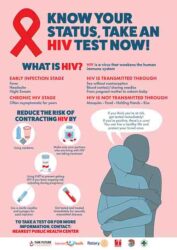
Know your status, take an HIV test now – HIV prevention poster used by Kawan Sehat health agents.
We work in some of the most remote regions of Southeast Asia, where there are no doctors, no electricity, and often no clean water. For over sixteen years, Fair Future has been on the ground, creating long-term medical and social solutions with the communities who live here.
Through the Primary Medical Care programme, we treat wounds, infections, HIV, malaria, tuberculosis, and chronic illnesses directly in remote villages. With access to clean water, safe reservoirs, and nutritional support, communities can finally prevent disease rather than suffer from it.
Our approach is simple: stay close, listen, understand, and act with science and solidarity. Every action we take aims to strengthen families, improve health, and reduce preventable deaths.
Your support sustains this work. It transforms long days under the sun, muddy roads, and emergency care into measurable change for those who have nowhere else to turn. Alex Wettstein – Fair Future Foundation – Updated in November 2025
Help deliver medical care where no doctors work
Every contribution funds direct care in remote villages. Medicines, wound treatment, diagnostic tests, clean water systems, and solar-powered cold chains to protect vaccines and enable care at night.
Explore our field work and medical reports
Search our articles, field stories, medical updates, and project reports from the ground
Stories from the Field
Real moments from our medical and humanitarian missions in ultra-rural Indonesia. Nothing arranged — just life, as we live it with them.
 ▶
▶
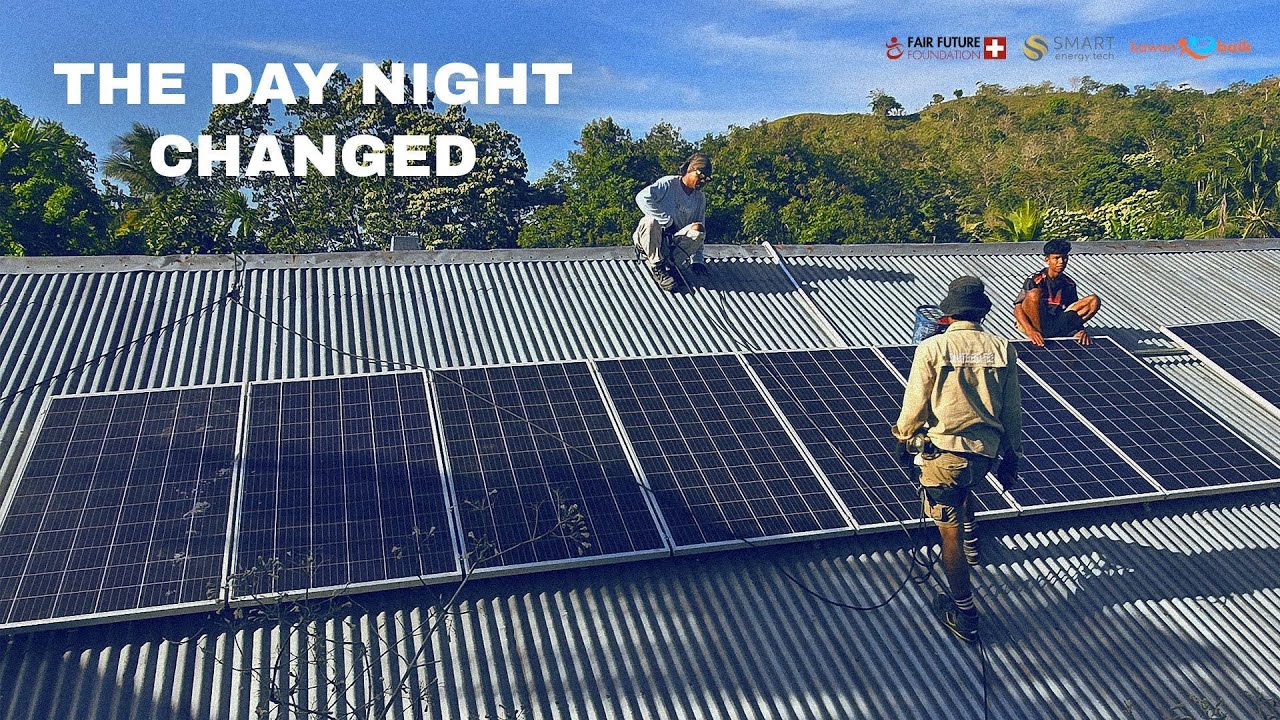
Nov. 2025 | The Day Night Changed
The film The Day Night Changed is now online. It shows how Mbajik School in East Sumba received electricity for the first time after five days of hard work with Smart Energy Tech and the villagers. The final scene shows the first cinema night ever held in Haray.
View the film on YouTube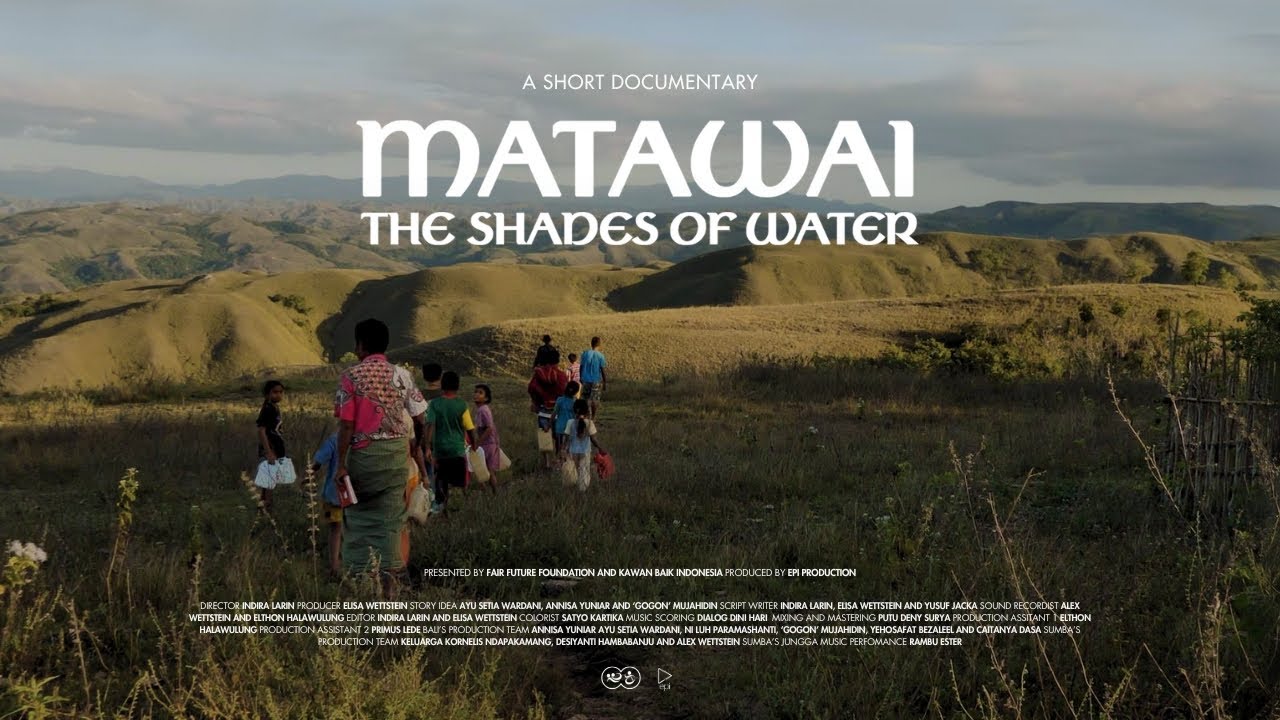 ▶
▶
Matawai, The Shades Of Water
Produced by Fair Future, this 15-minute documentary examines the daily struggle for access to water in the ultra-rural eastern Sumba region. Matawai reveals how the lack of clean water affects women and children, while also highlighting the vital impact of Fair Future's Water Connections programme.
Watch Matawai on YouTubeHow your donations are used?
Fair Future directs 93% of every donated franc to field projects, including medical care, clean water systems, and malaria prevention. Full financial reports are published and audited annually
%
Social and medical actions
%
Fundraising work
%
Field operations and management
WHAT WE ARE DOING NOW
Field stories of wounds treated, clean water built, and families protected
These articles are not reports — they are moments from the field. They show how we care for wound infections, bring clean water to villages, train health agents, and travel days to reach isolated families. This is the reality of our medical work.
SolarBuddy lamps Matawai Katingga protect child health
In Lapinu, an isolated village in Matawai Katingga, SolarBuddy lamps Lapinu children change daily life. Without electricity or clean water, evenings meant smoke, kerosene and darkness. Our joint teams from Fair Future and Kawan Baik bring light as a medical tool, to protect lungs, eyes and learning
Who are the Kawan Sehat health agents?
In this article you finally discover who are Kawan Sehat health agents, not as numbers but as people. Through portraits and short testimonies they explain who they are, where they live, the patients they care for and why they chose to become the first line of medical care in remote East Sumba hills every day.
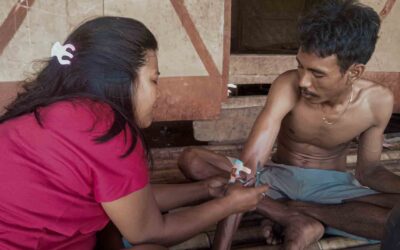
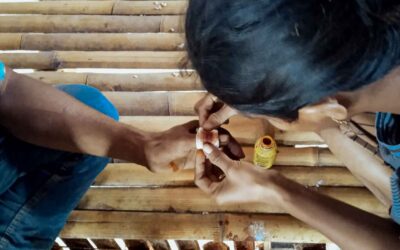
Kawan Sehat wound care in remote villages saves lives
In this image Kawan Sehat wound care happens on a bamboo floor where clinics are days away. The agent irrigates, debrides if needed, applies a sterile dressing, checks tetanus, and teaches danger signs. Early care stops infection before it spreads to the blood. This is how primary medicine prevents funerals.
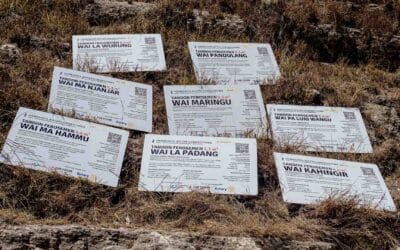
Hambarita water reservoir plaques – eight named tanks
This picture shows Hambarita water reservoir plaques resting on the grass moments before installation. Each plate carries a local name because water is treated like kin. When a tank is called by name, people maintain it, clean gutters, and guard the lid. Eight new reservoirs will store rain, cut disease, and return time to families.
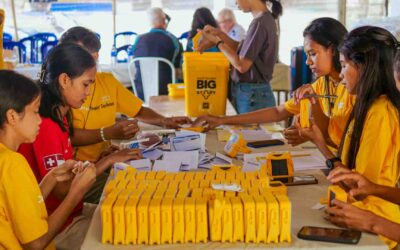
SolarBuddy lamps East Sumba – quality control to classrooms
At Rumah Kambera we checked 2,224 SolarBuddy lamps East Sumba one by one. Volunteers, Rotary, Fair Future and Kawan Baik tested brightness, panels, switches and batteries, fixed faults, logged QR codes, and packed each unit for long journeys to schools with no electricity. Light prevents injuries, improves study, and protects health.
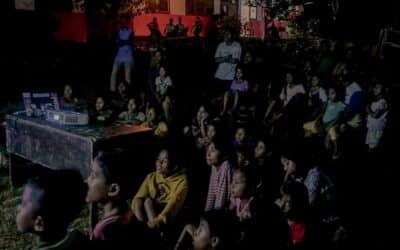
Mbajik solar electrification – first village cinema night
Erwin, the Field Coordinator of the Primary Medical Care programme, spends days crossing muddy roads, broken bridges, and steep trails to deliver medicines to Kawan Sehat agents. His work keeps remote East Sumba villages connected to lifesaving care, dignity, and trusted medical support.
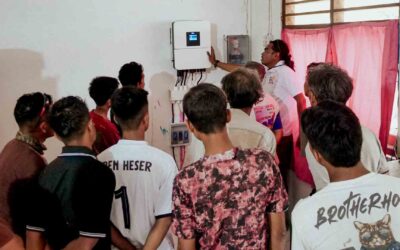
Solar electrification SDN Mbajik | Remote school powered
Solar electrification reaches SDN Mbajik in ultra-rural East Sumba, powering classrooms, water pumps, and internet access. This community-built system transforms education, safety, and daily life—bringing lasting change to one of Indonesia’s most isolated schools.
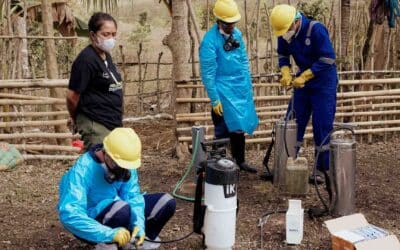
East Sumba malaria prevention 2025 | Field results summary
This article reports field dates, methods and impact from East Sumba malaria prevention. Teams worked with Puskesmas, schools and village leaders to align education, IRS, LLINs and diagnostics. Data and costs are fully documented so partners and health services can improve coverage, reduce transmission and replicate what works.
OUR 2025 IMPACT IN REMOTE VILLAGES
Medical consultations delivered in ultra-rural villages where no doctor, no clinic, and no alternative care exists.
Litres of safe water storage built or funded, helping families drink, cook, and wash without preventable disease.
People reached through daily health education on hygiene, malaria prevention, clean water, and basic nutrition.
Children who can now study, read, and move safely after dark thanks to clean, reliable solar light at home and school.
Annual Report 2024 – 17th Years of Concrete Action
Read Fair Future’s 2024 Annual Report, our concrete record of fieldwork in East Sumba: primary healthcare, clean water access, nutrition, and education. The 2025 Annual Report is currently being written and will be published within Q1 2026 (before March). For now, this link opens the full 2024 report in French and English.
→ Open the 2024 Annual Report
Essential Pages on Rural Health
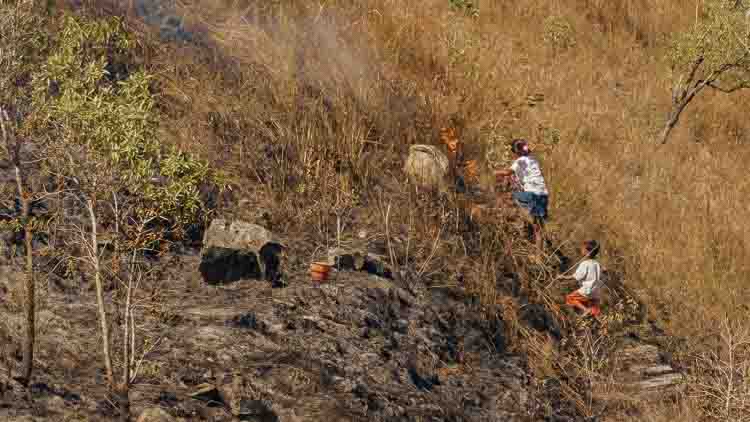
Climate Change and Health
Climate change is not an abstract environmental issue. In ultra-rural communities, it directly worsens disease, water scarcity, malnutrition, and access to care. This page explains how climate impacts health long before emergencies appear.
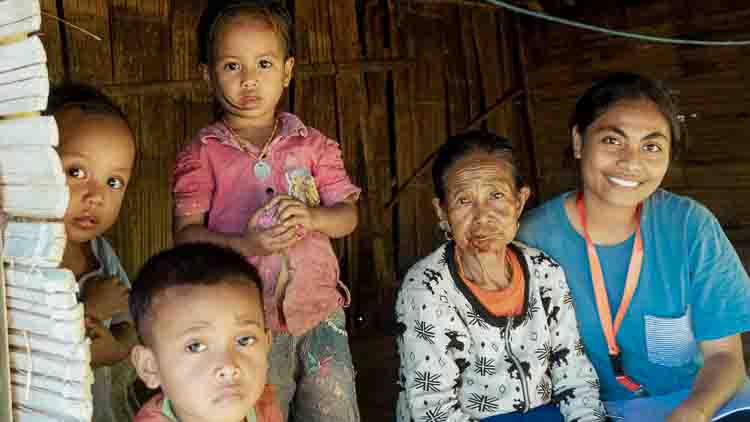
Life Without Healthcare
In large parts of rural Indonesia, healthcare simply does not exist. No doctors, no clinics, no ambulances. This page explains what that absence means in real life, for children, families, and entire communities left alone with preventable diseases.

Disease Prevention Without Care
Malaria, infections, waterborne diseases. In ultra-rural areas, prevention is often the only medicine available. This page shows how simple, evidence-based actions can stop disease before it becomes fatal.
Keep in Touch via Instagram
Real moments from our medical, water, and community missions in ultra-rural Indonesia. Nothing staged — just the daily reality of our work on the ground.
Our core programmes in ultra rural Indonesia
We work in the extreme east of Indonesia, in ultra rural villages with no doctors, no electricity, and often no clean water. These programmes turn medical knowledge, community effort, and solidarity into concrete solutions for families who live far from any form of care.

Primary Medical Care
Trained Kawan Sehat health agents provide first line medical care in villages without doctors. With equipped medical backpacks and remote supervision, they treat wounds, infections, fevers, malaria, and chronic illness for 700 to 1 000 patients every month. This programme prevents simple problems from becoming emergencies.
Water Connections
We drill wells, build ferrocement reservoirs, and install safe water points so families can drink, cook, wash, and grow food without risking disease. Clean water reduces diarrhoea, malnutrition, and many infections we see daily in our clinics. Every tank and every tap is a public health intervention.

Kawan Against Malaria
In malaria endemic areas we combine prevention, rapid tests, treatment, and education. Long lasting insecticidal nets, indoor spraying, field studies, and posters help reduce fevers, anaemia, and deaths, especially among children and pregnant women. This programme links community action with rigorous medical follow up.