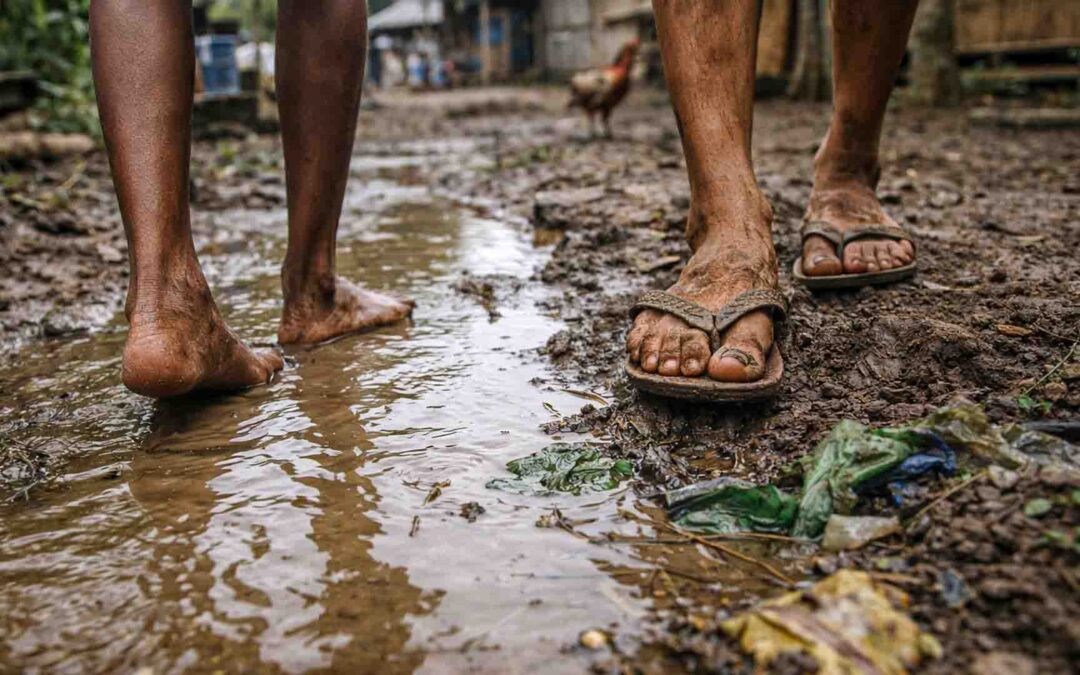
After two years of uninterrupted success, our #PrimaryMedicalCare program is evolving in August 2024. With a stronger focus on advanced training for Kawan Sehat health agents, we aim to meet the immense healthcare needs, covering 20 of East Sumba’s 22 districts, and ensuring medical supplies for the next 12 months.
We have compiled a list of articles and pages for this topic
The Fair Future Foundation in East Indonesia combats social and medical injustice and aims to ensure everyone has access to healthcare, clean water, and education. Join us in making a difference.
Fair Future’s mission: to provide basic medical care and treatment in areas with no healthcare infrastructure.
Medical care for children affected by Malaria
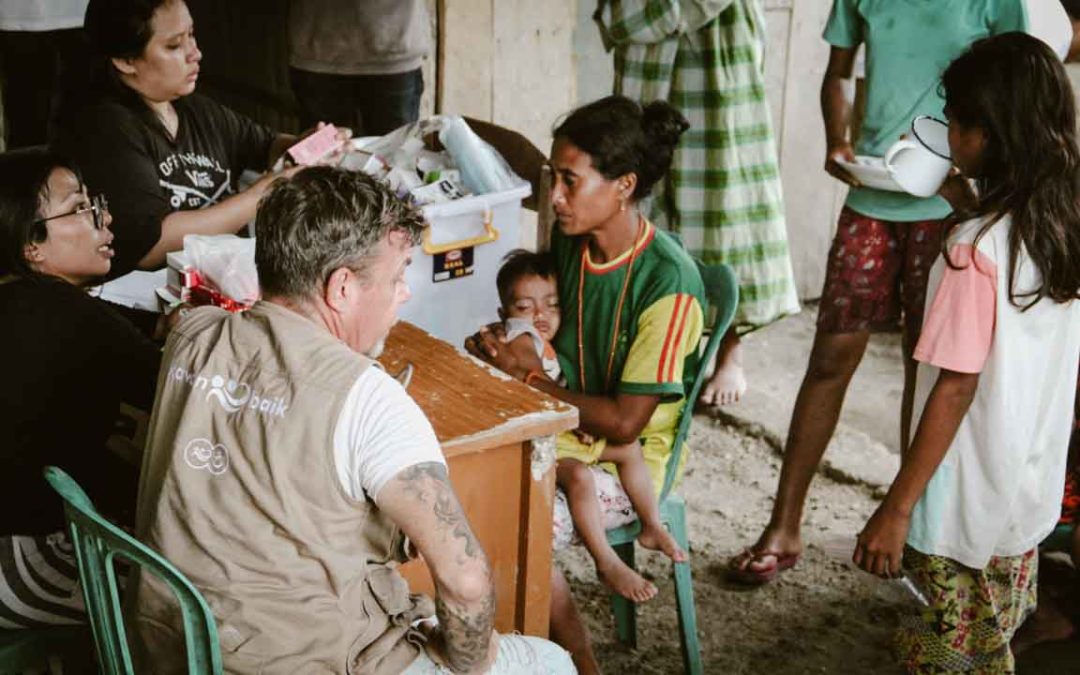
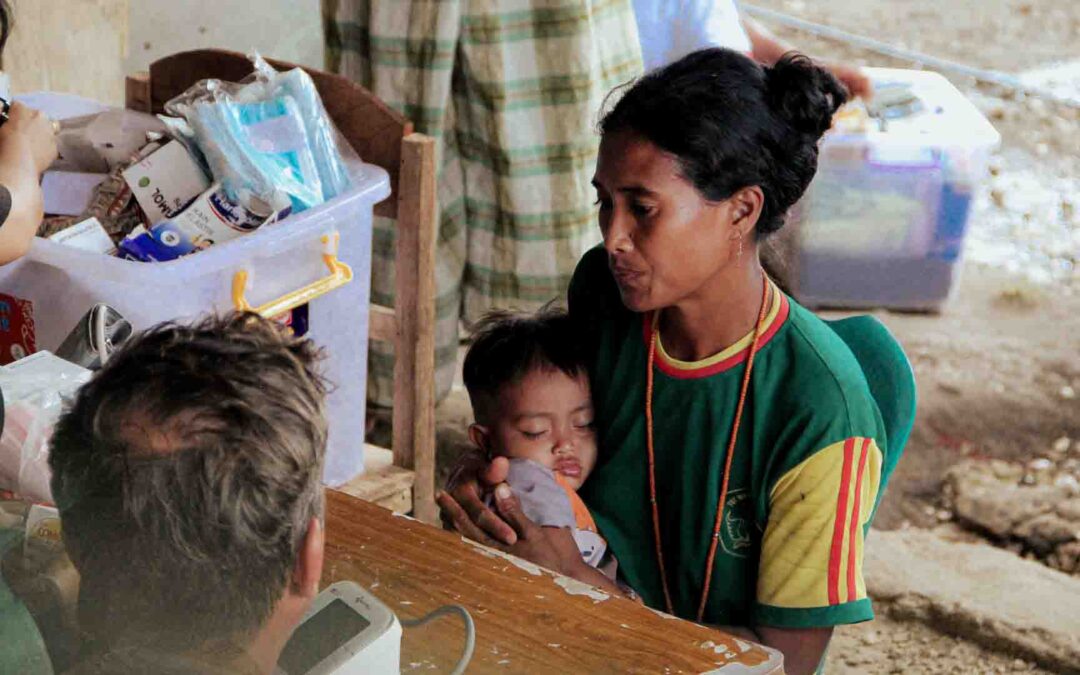
In this "Picture of the Day", Fair Future and Kawan Baik medical teams provide medical care to a child most likely affected by Malaria. He is less than two years old and has a fever of 40.6. Her symptoms fit this diagnosis of Malaria. We give him appropriate primary medical care to reduce his fever as quickly as possible. Then he will go for treatment tomorrow at the nearest health centre, more than three hours from the village.
Malaria is a severe public health problem, especially in the ultra-rural and impoverished areas where Fair Future and Kawan Baik Foundations work so hard. Malaria is a life-threatening disease caused by the Plasmodium parasite is transmitted to humans through the bites of infected female Anopheles mosquitoes. Children under five and pregnant women are also particularly vulnerable to Malaria, as their immune systems are less developed and may have more difficulty fighting infection. People suffering from chronic illnesses are also vulnerable (HIV, Hepatitis, malnutrition, etc.)
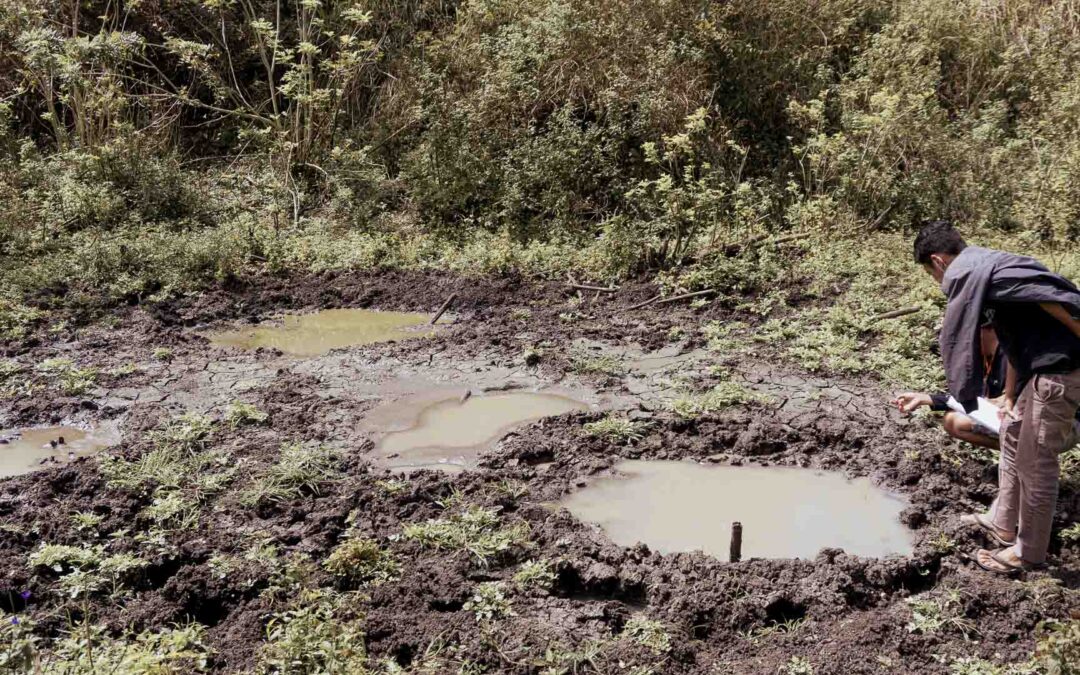
Ultra-rural and poor areas such as East Sumba are particularly vulnerable to the spread of Malaria due to factors such as lack of water or contaminated water, deplorable housing conditions, lack of access to healthcare health and preventive measures, inadequate sanitation… Moreover, here we do not have antimalarial drugs nor rapid tests to detect the disease. This makes our treatment and prevention work very difficult.
Evaluation of 8 Kawan Sehat agents, in Mbinudita
In the village where it all started for us: The #rebuildmbinudita program is the construction of a school, and the construction of a drinking water network for more than 2700 people, 60% of whom are children under 12 years old . It is really the (re)construction of an entire village or learning to live healthier, healthier all together, within…
A 9-year-old child needs surgery quickly
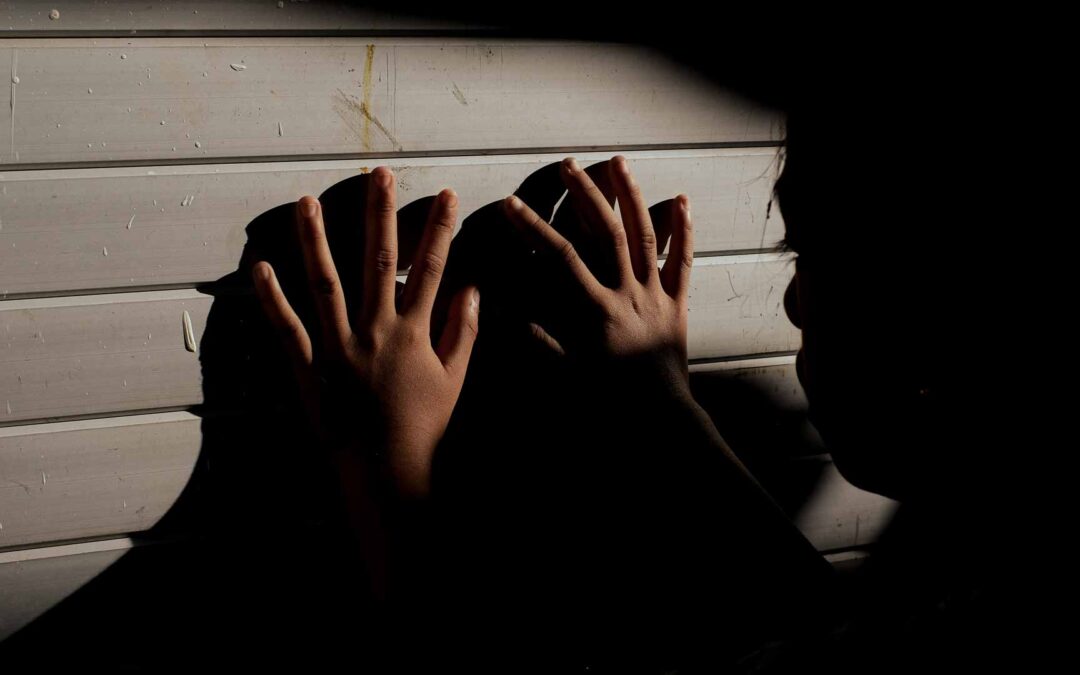
This little boy’s name is Assaria, he’s nine years old. He has severe 3rd-degree burns to over 24% of his body and requires surgical attention. He is not well, and we have to find a solution together. He can barely walk because of terrible burns to his legs and back.
Sexually transmitted infections rural Indonesia | Silent epidemic
Sexually transmitted infections in rural Indonesia remain largely undiagnosed due to lack of testing, education, and access to care. Untreated, they lead to infertility, chronic complications, and preventable transmission, reflecting deep gaps in public health systems.
Dengue Climate Change Indonesia | Rising Mosquito Risk
Climate change is reshaping dengue transmission across rural Indonesia. Warmer temperatures, longer rainy seasons and stagnant water near homes create ideal mosquito breeding sites. In isolated villages, prevention, environmental management and early diagnosis remain essential to reduce severe dengue cases.
Our aim is to take swift action against malaria
Malaria has a significant impact on Eastern Indonesia, specifically Sumba Timur, due to its remote and inaccessible locations, insufficient healthcare infrastructure, and limited preventative measures. Plasmodium falciparum and Plasmodium vivax malaria are both prevalent in these areas, with malaria transmission occurring year-round.
PMC – Teachers receive their training certificate
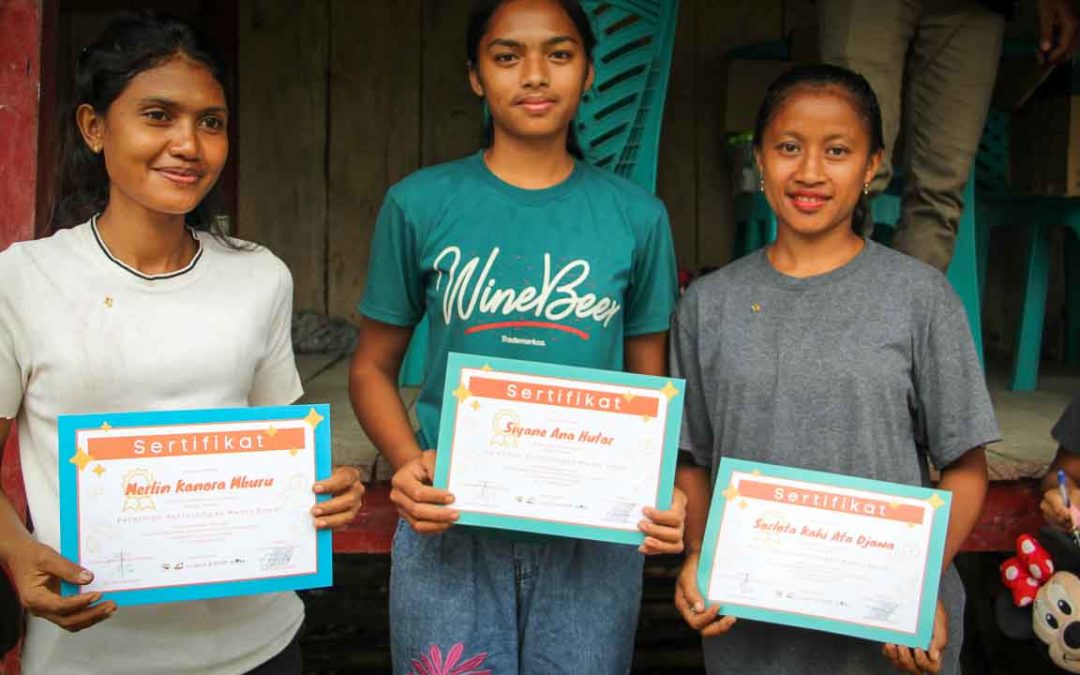
This new "Picture of the Day" shows three real heroes and three incredible women, Merlin, Siyane and Sarlota. In the ultra-rural and isolated village of Kabanda, the three participants and teachers in the primary medical care program received their first work and training certificate.
This follows the teaching they received from the foundation's teams in December 2022. Complete medical training based on fifteen modules, which explain and demonstrate how to care for a sick or injured patient (adult or child ). This is in villages where no health centre, doctor, or health professional is present, available or accessible, and most of the time, like here in this village, where no road leads.
You must understand the situation, friends: These women come from Asia's most rural regions and perhaps even the world. Most have not been to school or received basic compulsory training. They were trained for three months in teaching in the ultra-rural areas by a partner association called Charis Sumba.
So you have to imagine their pride to have succeeded in becoming one of these health workers, the person in the village responsible for providing first aid in an emergency, the possibility of illness in the event of an injury, an adult or a child. So when they received this certificate, tears flowed. Their tears flowed ours too, and it was a moment of incredible strength, but above all, very emotional.
In principle, here, and related to local culture and traditions, a woman takes care of household chores, fetching water, cooking for the children, and caring for the family. These three female superheroes are not only teachers within the framework of Charis Sumba, but they are also now – and for more than four months – the health workers of the PMC program. They are the ones who can save a life in the absence of a medical centre, medical care or a doctor in the village. This is not anything in terms of enhancing the role of women in ultra-rural villages; this is immense and important progress.
Truck of Life goes everywhere almost no one goes
The truck of Life is so important… It allows us to go where almost no one ever goes. To meet people who have unexpected problems. To provide medical care, to take children or even a doctor or dentist to the nearest town. Truck of Life allows us to bring equipment, food, and drinking water where no one goes while ensuring the safety of our…
Days of medical care in rural areas
Discover the different contexts and situations in which Fair Future teams intervene to provide care, including crisis and natural disaster situations, and how and why we adapt our activities to each. Days of care like the one we present to you below we do dozens of them a year and they are adapted to people from rural areas, who for the most part…
Leptospirosis Rural Indonesia | Water and Infection
Leptospirosis in rural Indonesia remains dangerously underdiagnosed. In East Sumba and across NTT, unsafe water, rodent exposure, poor sanitation, and delayed care still turn a preventable bacterial infection into severe disease. Clean water, wound care, and early treatment save lives.
Global Health Funding Corruption | Rural Care
Global health funding should save lives. In ultra-rural Eastern Indonesia, too much of it is lost to corruption, inflated administrative costs, and weak delivery systems. The result is clinical and brutal: delayed care, missing medicines, failed referrals, and preventable deaths.