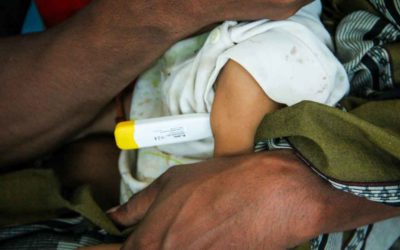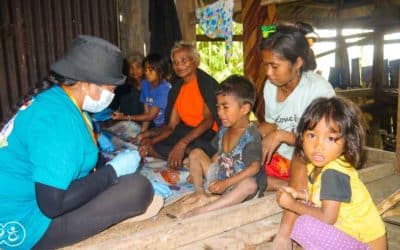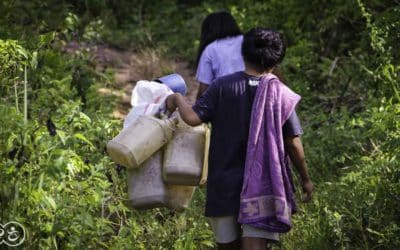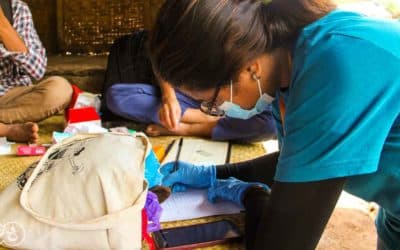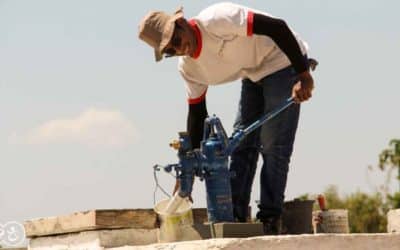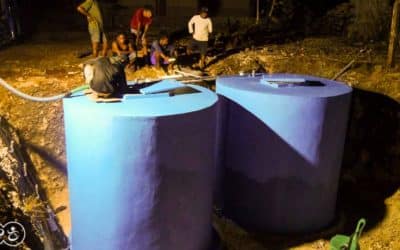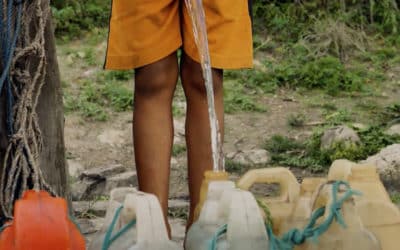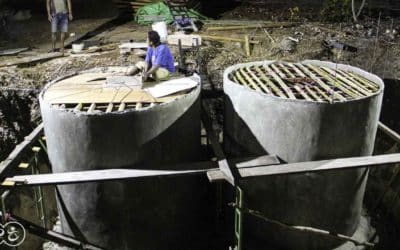


In East Sumba, a 60-meter deep drilling project stands as a beacon of transformation. This gargantuan endeavor by Fair Future and Kawan Baik is not just about providing clean water; it’s a comprehensive approach to improve public health, education, and quality of life for over 2,000 people. This is where the battle against diseases like malaria takes a new turn, a testament to human resilience.
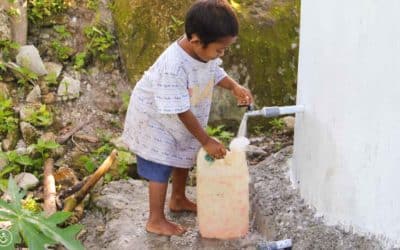
Illness often begins long before someone arrives at the hospital. Our campaigns on smoking, waste management, alcohol, and sexual health display straightforward messages across schools and village walls in local languages. Through simple posters, talks, and games, we help protect thousands of children.
Donate
Support Care
Programs
All projects
Quick News
Field updates
Stories
Field stories
East Sumba—where Fair Future implements life-saving programs for clean water, health care, and community resilience.
How Primary Medical Care Rescued a 10-Year-Old in Remote East Sumba
In the isolated village of Mbatapuhu, East Sumba, a 10-year-old named Jaya faced a life-threatening malaria crisis. Discover how Fair Future Foundation’s Primary Medical Care program intervened just in time to save him. Your support is crucial for such life-saving initiatives.
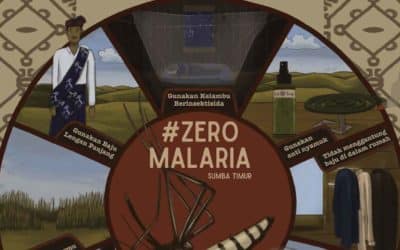
Daniel Fight Against Malaria: Fair Future’s #ZeroMalaria Program
In the isolated village of Lulundilo, a young boy named Daniel has been diagnosed with malaria. With limited access to healthcare, the stakes are high. Dive into Fair Future Foundation’s rigorous on-the-ground efforts through their #ZeroMalaria program, which is not only providing immediate treatment but also equipping communities for a sustainable future.
Breaking Water Barriers for Women and Girls in East Sumba
In this news "Picture of the Day", under the terrible heat of East Sumba, a mother and her daughter trudge forward, carrying five empty jerry cans. Their feet tread on arid ground, strewn with stones and brush. The day started a few hours ago and the journey is far from over. They have travelled more than five kilometres on foot and have as much ahead of them to reach their destination: Kullups, holes dug by hand in the rock of a hill. (Ref. Read this article here)
In this part of the world, kullups are more than mere rainwater reservoirs; they represent a vestige of human ingenuity against near-chronic water scarcity. Rainwater, channeled by soil and rock, seeps in to feed these small stone basins at the foot of a hill. It's a source of life, but also a source of heart-wrenching dilemmas. For every precious drop, there is a hidden cost, measured not in money but in lost opportunities, compromised health, and uncertain futures.
Consider the mother. Each trip for water represents hours when she can't work, maintain her home, or care for her family. What about her daughter? With every step she takes toward the kullup, she moves further from an education that could unlock doors to a better future. The thirst for learning is there, but it is weighed against a more immediate, more vital thirst.
Against this backdrop, the teams from Fair Future and Kawan Baik step in, armed with the will to make a difference and the tools and expertise needed to do so. The #WaterConnections program doesn't merely supply water; it aims to redefine these communities' relationship with this essential resource. By installing water collection and filtration systems, educating on hygiene best practices, and encouraging community participation, Fair Future and Kawan Baik aim to break the vicious cycle of poverty and disease.
Waterborne diseases like Malaria, Dengue, diarrhea and cholera are commonplace in these areas. But their impact doesn't stop at the individual. A sick mother cannot provide for her family. A sick daughter cannot attend school. And a cycle of suffering and poverty perpetuates, generation after generation.
The work of Fair Future and Kawan Baik isn't completed in a day or even a year. It's a long-term commitment, an investment in the future of these communities. But every installed water system, every educational session, and every assisted family represents a step toward a future where this mother and daughter won't have to choose between the present and the future, between thirst and the thirst for learning.
In a world where clean water is often taken for granted, it's easy to forget that for some, it's a luxury that comes at a high price. By working on the ground alongside those who live this reality every day, Fair Future and Kawan Baik remind us that behind every drop of water, there's a human story, a struggle, and an opportunity for change.
Alex Wettstein – Fair Future Foundation medico-social camp in East Sumba – Rumah Kambera, Lambanapu, 17th of October, 2023.
ZeroMalaria Report: The Ongoing Fight for Malaria Control in East Sumba
Fair Future’s ZeroMalaria Report illuminates the organization’s impactful but ongoing battle against Malaria in East Sumba. The multi-faceted approach includes clean water infrastructure, community education, and empowerment. Learn how these efforts are making a tangible difference but also underscore the long journey ahead
Malaria Prevention: An Educational Tool That Saves Lives
Empowering Communities and Transforming Healthcare through Education: How the Fair Future Foundation’s Groundbreaking...
Dragon Pumps: Fair Future’s #WaterConnections in Laindatang
The arrival of Dragon pumps in Laindatang, East Sumba, marks a watershed moment in Fair Future’s #WaterConnections project. In collaboration with Kawan Baik and Rotary Australia, we are transforming the health landscape of this isolated village. From reducing the prevalence of infectious diseases to providing the first-ever sanitary installations, discover how clean water is rewriting the community’s story.
Bringing Clean Water to Tanambanas #WaterConnections
Fair Future’s #WaterConnections project is a beacon of hope in Tanambanas, Sumba, where every drop of water is a treasure. By collecting and filtering rainwater, we’re creating not just reservoirs but sanctuaries of health. Dive into this inspiring story of how innovation and collective effort are changing lives, one drop at a time.
Rambu Mirna’s Battle: Fight against malaria in East Sumba’s Remote Areas
Embark on a profound journey alongside Rambu Mirna as she courageously battles malaria in the heart of remote East Sumba, where healthcare is a distant dream. Dive into the remarkable story of resilience and hope, and discover how Fair Future Foundation’s #ZeroMalaria initiative is not just saving lives but also transforming entire communities. Join us in this life-changing narrative of overcoming adversity and restoring futures in the most isolated corners of Indonesia.
Journey to Lasting Impact: An Immersive Insight into Fair Future’s Approach
At Fair Future, we don’t just initiate projects; we live them. Our approach, honed over 15 years, begins with in-depth feasibility studies and extends to immersive community interaction in East Sumba’s ultra-rural areas. We live, eat, and cook with local families to understand their real-life challenges, thereby ensuring that every program we launch has a lasting and balanced impact. Discover how Fair Future’s method sets a gold standard for meaningful and sustainable humanitarian work
Matawai: Fair Future’s Eye-Opening Documentary on East Indonesia’s Water Crisis
Matawai’ serves as a profound wakeup call to the global community about the water crisis in Eastern Indonesia. Produced by Fair Future Foundation, this compelling documentary vividly portrays the day-to-day struggles of rural families. Through this film, you’ll also witness the groundbreaking initiatives we’ve implemented to transform access to clean water, sanitation, and hygiene education. We invite you to join Fair Future in advocating for universal access to these basic human needs.
Revolutionizing Water Access in Tanambanas: Sustainable Ferrocement Solution
Fair Future, in partnership with Kawan Baik, is taking revolutionary strides to resolve the critical water shortage in Tanambanas. This groundbreaking initiative employs innovative ferrocement technology to build durable, cost-effective water reservoirs. More than just a construction project, this initiative is a lifeline for an ultra-rural community, catalyzing improved health, poverty reduction, and ensuring the fundamental human right to clean water.