




Children can't learn effectively in darkness or when suffering from chronic infections. By electrifying schools, improving nutrition, and providing treatment for common illnesses, we create safe environments for learning and development. In this way, education acts as a shield against poverty and social exclusion.
Donate
Support Care
Programs
All projects
Quick News
Field updates
Stories
Field stories
Alex

About this author: Alex Wettstein is a health professional with 30 years of field experience in emergency medicine and social medicine. He is the founder of the Fair Future Foundation. Alex is the son of Axel Kahn, whose humanist values profoundly shaped his work.
Content type
Post
Page
Gallery
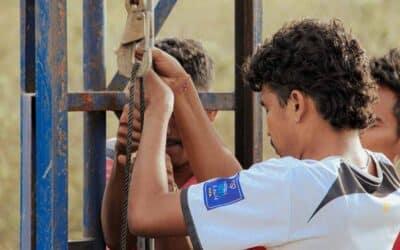
Laindatang Water Project Shifts to Rainwater Tank Solution
After nine months of drilling in Laindatang for the #WaterConnections project, we are halting the work due to technical and geological challenges. The new plan is to build a 100-cubic-meter rainwater reservoir to provide clean water for 300 people. Drilling will resume after the reservoir is completed.
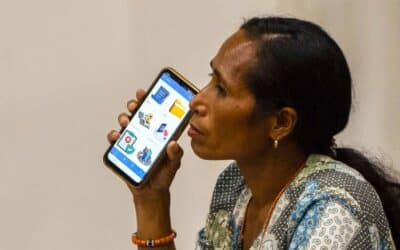
Kawan Sehat App Revolutionizes Rural Health Care Access
The Kawan Sehat app, developed by Fair Future, revolutionizes rural healthcare. It enables health agents in remote...
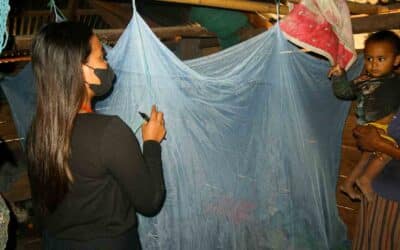
Zero Malaria Program Aims to Protect 1,450 individuals
Fair Future Foundation is developing a comprehensive Malaria Prevention Project for the Umalulu region. With a focus on prevention, education, IRS spraying, and detection, we aim to significantly reduce malaria rates and ensure long-term impact through local capacity building.
Search Fair Future Foundation for Projects & Programs
Easily search Fair Future Foundation’s site for our latest projects, programs, and updates. Use this tool to access important information, stories, and ways to get involved in our mission to improve lives in ultra-rural areas of Southeast Asia.
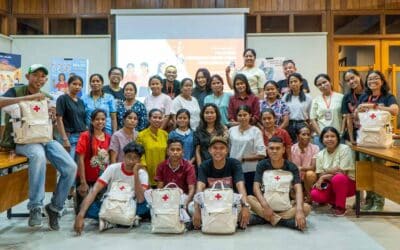
Kawan Sehat Health Agents Certified in Rural Sumba
In the remote communities of East Sumba, 20 new Kawan Sehat health agents have been certified through the Primary Medical Care program. These 19 women and one man are now essential providers of life-saving care in their villages, which lack formal healthcare facilities. Their dedication and increasing proficiency are crucial for the well-being of their communities, representing a significant milestone in rural healthcare.
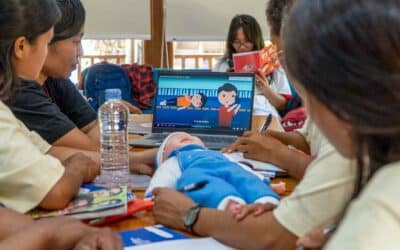
Empowering Health Agents Through Vital Training
This life-saving training is part of Fair Future Foundation’s mission to equip health agents with essential skills to treat illnesses and injuries in ultra-rural areas. The training empowers these agents to act swiftly and improve healthcare access for thousands of vulnerable people.
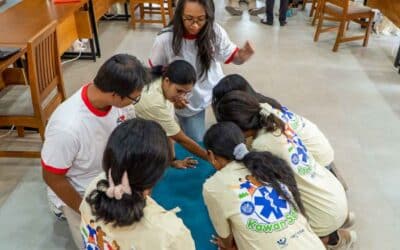
Three days of training for the twenty new Kawan Sehat agents
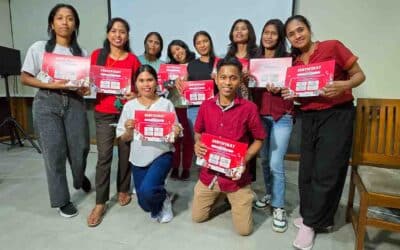
Kawan Sehat Trains 20 Health Workers for Remote Care
The three-day training session for 20 new Kawan Sehat agents concluded with the presentation of official certificates endorsed by Fair Future, Kawan Baik, and local authorities. The comprehensive program covered over 20 medical topics to equip these agents with crucial skills needed to deliver essential care in remote areas lacking access to healthcare services.
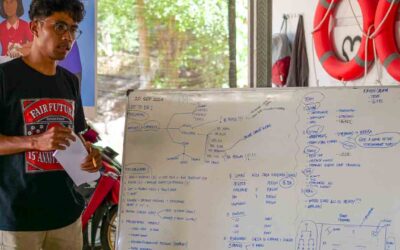
Comprehensive Training for Kawan Sehat Health Workers
Work is in full swing at Rumah Kambera, East Sumba, where we are preparing a three-day training session for dozens of Kawan Sehat health agents. Around 50 people, including doctors and nurses, will gather to learn how to provide life-saving care in regions with no medical resources. This is a unique, life-saving program.
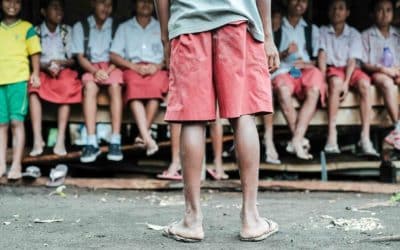
Become a Fair Future Member Today
Become a Fair Future member by donating daily, weekly, monthly, or yearly. Your gift funds healthcare, clean water, and education programs for communities living in extreme rural poverty.
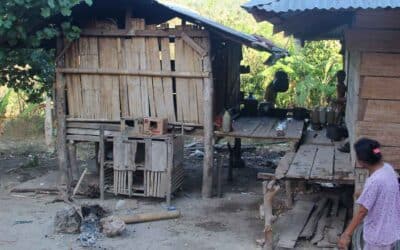
Water and Health: A Lifeline for Lapinu Village
In 2025, the Water Connections project aims to provide clean water and sanitation in Lapinu Village, improving health and reducing preventable diseases. The initiative will engage villagers in sustainable solutions, helping families achieve better health, nutrition, and a dignified life.