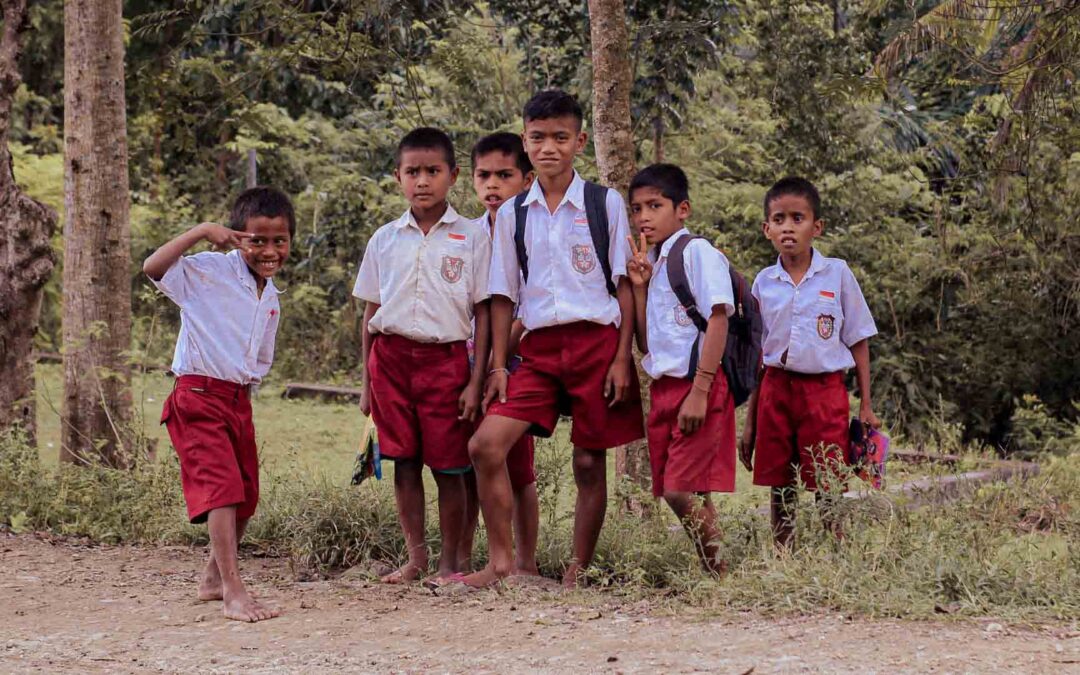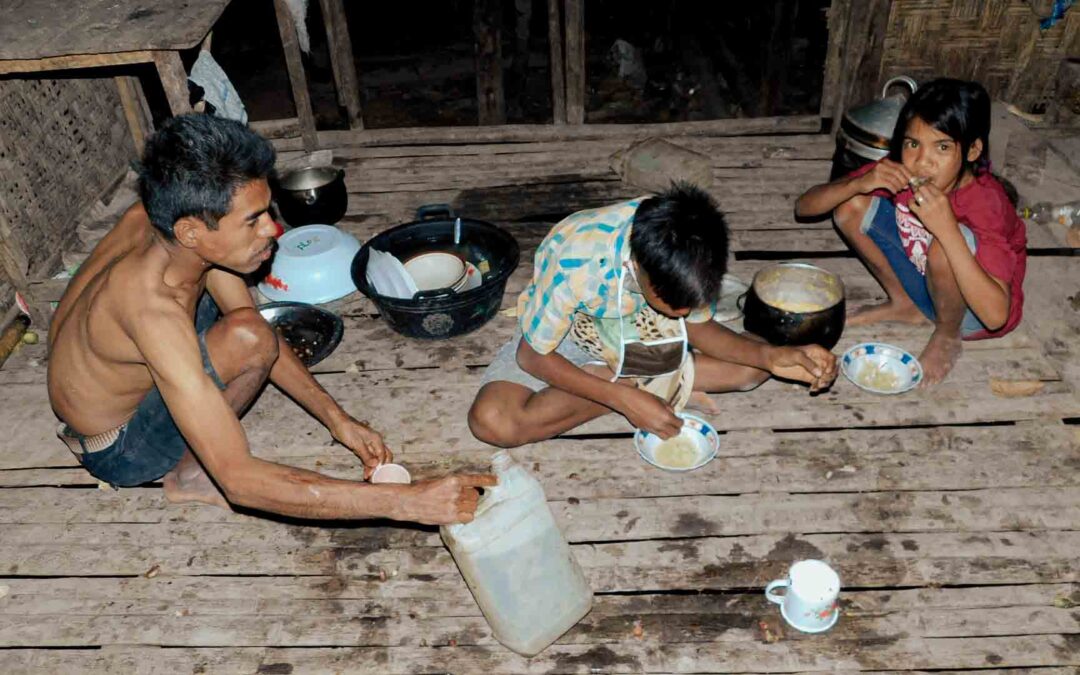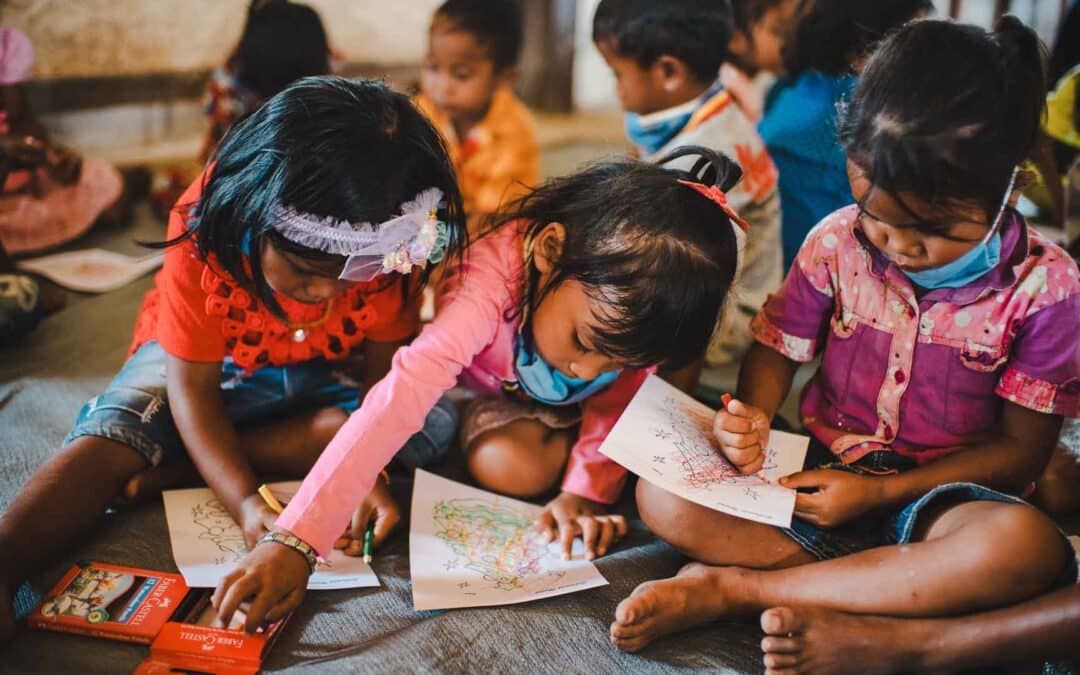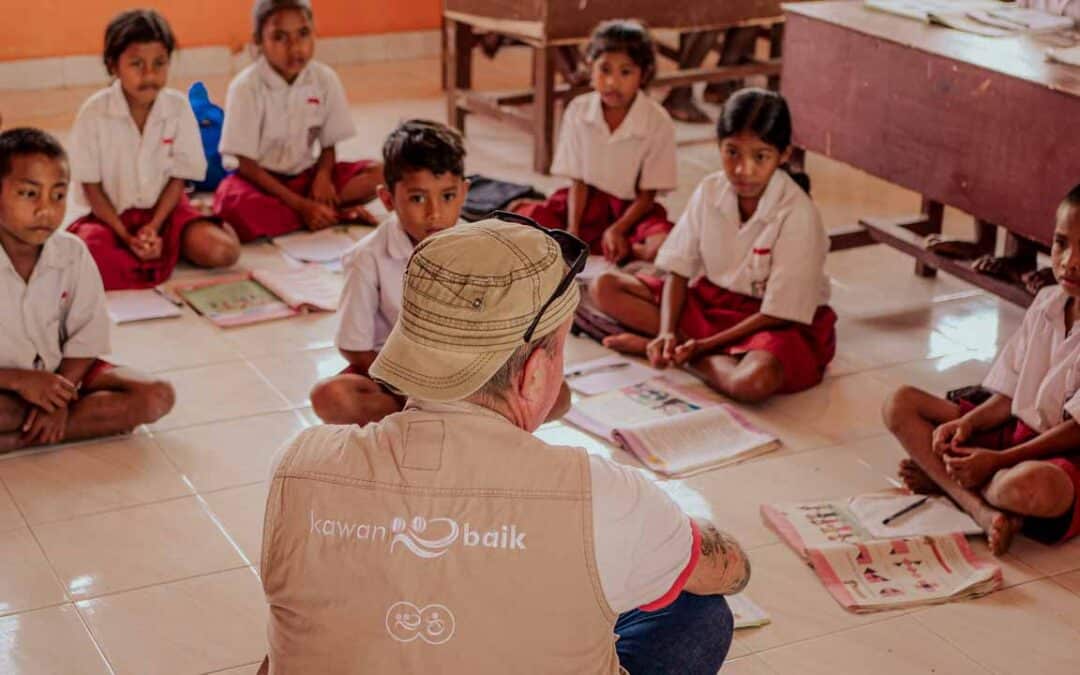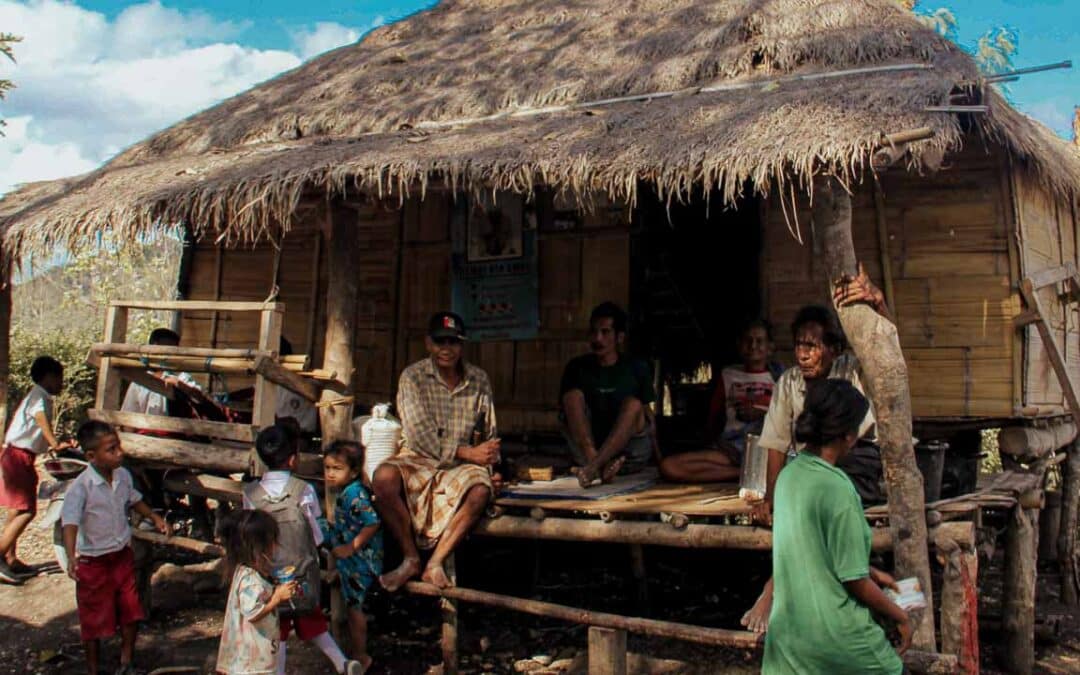
Malnutrition is an infection multiplier in East Sumba, where one child in three faces growth delay. Undernutrition weakens cellular immunity, increases infection severity, and turns common illnesses into life-threatening complications. Restoring nutrition means restoring immune defense and survival.
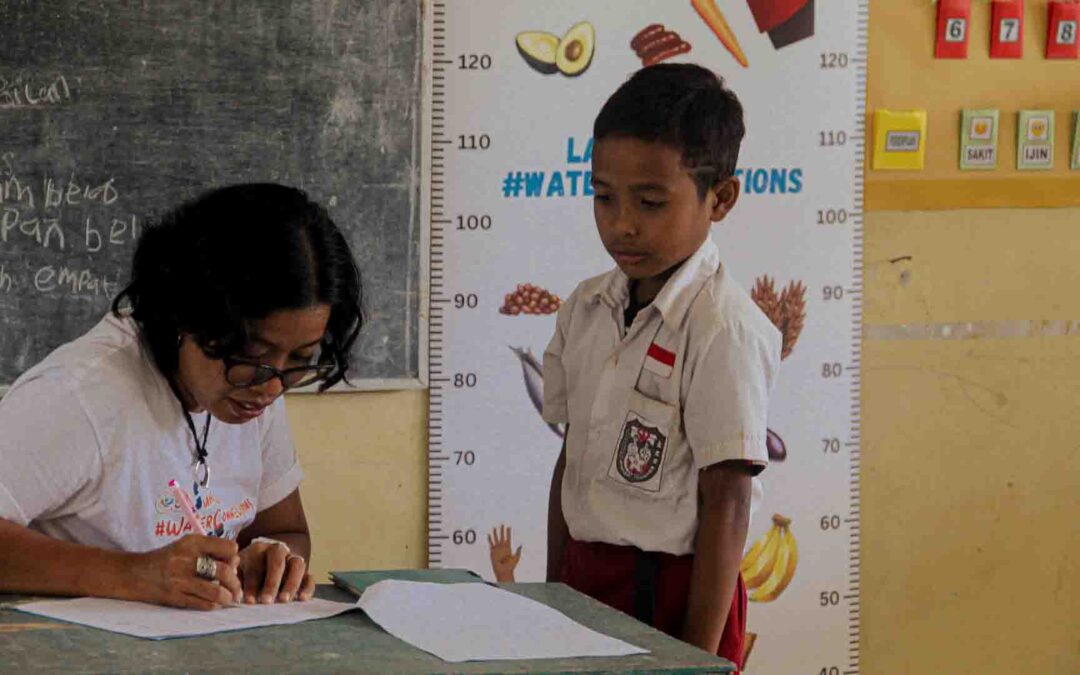
Child Health

The Child Health category focuses on protecting and improving the health of infants and children living in ultra-rural environments with limited access to care.
Articles address preventable diseases, growth monitoring, nutrition, hygiene, and early management of common childhood illnesses. Interventions follow WHO child health guidelines, combining primary medical care, prevention, and caregiver education. This category documents how timely care, vaccination, and basic health monitoring reduce child morbidity and mortality, strengthen families, and support healthy development under real field conditions.
Latest field updates
Skin infection prevention in rural Indonesia
Skin infections are not cosmetic. In ultra rural areas, small cuts, insect bites, or scratched skin can quickly become dangerous infections. Heat, dirty water, and delayed care increase the risk. Early cleaning and simple prevention save lives every day in the field.
SolarBuddy lamps Matawai Katingga protect child health
In Lapinu, an isolated village in Matawai Katingga, SolarBuddy lamps Lapinu children change daily life. Without electricity or clean water, evenings meant smoke, kerosene and darkness. Our joint teams from Fair Future and Kawan Baik bring light as a medical tool, to protect lungs, eyes and learning
Blood Donation in Rural Indonesia
In Indonesia’s remote villages, giving blood can be the only available emergency care. A single donation may save the life of a mother, child, or accident victim. In places without hospitals, your blood is their hope.
Why We Keep Getting Sick
In Laindatang, a child asked why he and his family are always sick. The answer lies in the water: diarrhea, typhoid, skin infections, hepatitis A. Fair Future fights back with clean water and frontline medical care.
Secondhand Smoke Is a Public Health Crisis
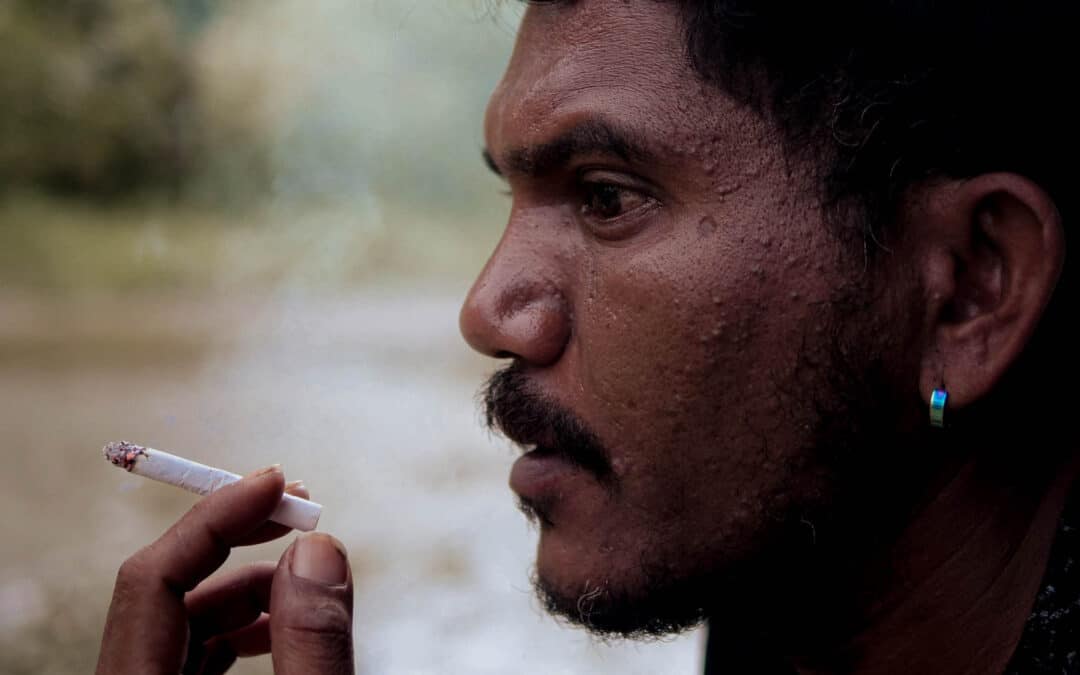
Secondhand smoke is a health crisis. In Indonesia, millions inhale it daily without choice. Children, pregnant women, and workers are paying with their lives. Clean air must become a right, not a privilege.
Education as Health in Rural East Indonesia
In remote areas of East Indonesia, every lesson is a shield. Schools are not just for learning—they’re places of care, protection, and disease prevention for children and their families.
Malaria Crisis in Umalulu: A Structural Emergency
In Umalulu, nearly all children at a six-class primary school have already had malaria. With infection rates over 50% and national health budgets slashed, we’re launching an urgent study to understand and combat this deadly disease. Our goal: real, scalable solutions for one of Indonesia’s most affected regions.
Tobacco Harms More Than Smokers Protect Others Now
Tobacco impacts more than just the smokers themselves—secondhand smoke endangers children, pregnant women, and whole communities. To combat this issue, Fair Future is initiating an urgent campaign focused on educating people about passive smoke exposure and promoting direct community action. The time has come to eliminate this silent threat.
Lapinu Water Crisis: Watch Ibu Ester’s Emotional Story
Lapinu is struggling to survive with no electricity, a lack of clean water, and children trekking difficult routes for unsafe supplies. Hear Ibu Ester’s heartfelt account of the daily challenges and illnesses they face. The Fair Future Foundation is initiating a clean water project because taking action is essential for their survival.
Dangers of Social Media for Children’s Well-Being
Social media presents significant threats to children’s mental health, self-esteem, and social abilities. It interferes with their concentration, disrupts sleep patterns, and affects emotional well-being while also exposing them to cyberbullying and damaging content.
Critiquing Meta’s Dangerous Policy Shifts
Mark Zuckerberg’s call for reduced moderation and promotion of “male energy” disregards user safety and diversity, particularly impacting vulnerable users and children. We denounce his stance as perilous, risking exposure to harmful content and misinformation. Platforms must prioritize ethical responsibility, diversity, and protection over profits, fostering an inclusive digital environment.