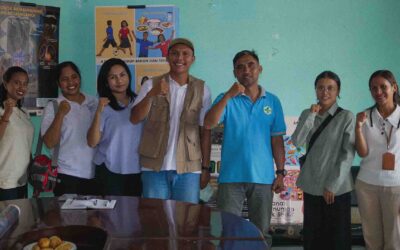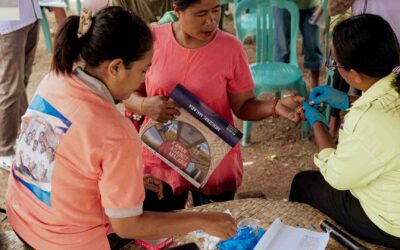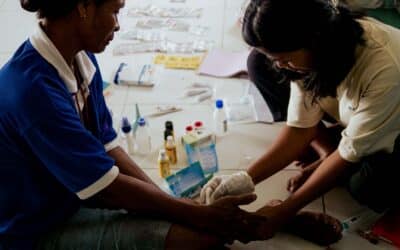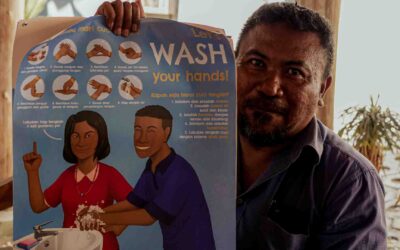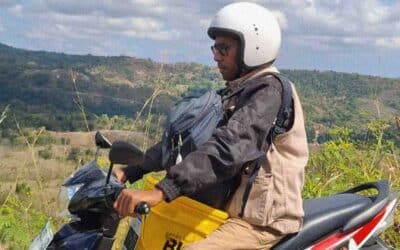


Disease prevention is the most effective medical response in rural health settings. Through daily field presence, hygiene education, vaccination awareness and primary medical care, preventable diseases are reduced before emergencies occur.
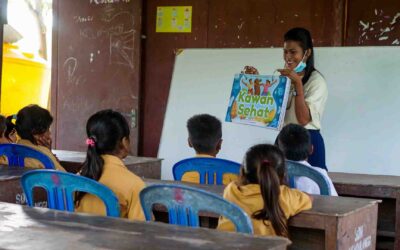
Through the Primary Medical Care program, Kawan Sehat health workers provide treatment for fevers, wounds, and malaria in villages lacking access to doctors. They carry essential medicines, adhere to established medical protocols, and refer emergency cases promptly to prevent delays in care.
Donate
Support Care
Programs
All projects
Quick News
Field updates
Stories
Field stories
Holistic Education and Social Empowerment
At Fair Future Foundation, we believe education is the key to transforming communities. Our holistic approach integrates schooling with clean water access, primary healthcare, and nutrition, ensuring that vulnerable communities thrive. By actively involving local communities, we create sustainable solutions that address real needs, paving the way for a brighter future in the ultra-rural regions we serve
The Education & Community category examines how education, knowledge sharing, and community engagement strengthen health and resilience in ultra-rural settings. Articles document initiatives that improve health literacy, support learning environments, and reinforce community structures essential for prevention and long-term well-being. These actions align with WHO social determinants of health, recognizing education and social cohesion as key factors influencing health outcomes. This category highlights how informed communities are
Education is not just about learning; it’s about empowering communities
Kawan Sehat medical evaluation in remote East Sumba
A clinical assessment of how primary healthcare quality is maintained in remote villages of East Sumba. This article documents a structured medical evaluation of a community health agent, highlighting training, supervision, and data accuracy as key elements of safe rural healthcare.
No Access to Rural Healthcare | Life Without Medical Care
No access to healthcare defines daily life for millions of people living in ultra rural areas. In these regions, illness is not treated, diagnosed, or prevented. It progresses silently until it becomes life threatening. This medical absence shapes survival, health outcomes, and life expectancy.
Medical Advices – Practical Health Guidance from the Field
Medical Advices brings together simple, reliable health guidance drawn from real field medicine. From infectious diseases to daily prevention, these articles turn medical knowledge into clear actions that help people understand risks, protect their health, and act early.
Hand Hygiene in Rural Indonesia | Disease Prevention
Hand hygiene rural Indonesia remains one of the most overlooked yet critical medical challenges in ultra-rural communities. Where water, soap, and sanitation are missing, infections spread easily. Education and simple infrastructure become powerful medical tools when healthcare access is limited.
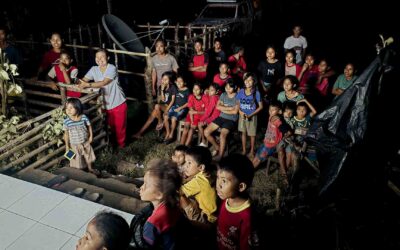
Mbajik Solar Evaluation Through Children’s Eyes
This Mbajik solar evaluation began at night, not with tools but with a film. Children and adults gathered to watch themselves on screen, for the second time. The first was in October, during installation. This time, it was different. This time, electricity was already part of their lives.
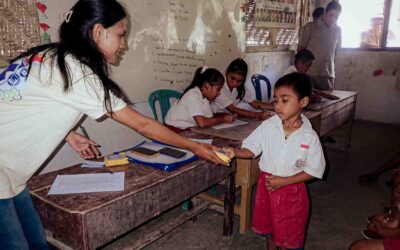
Solar Light for Children in Ultra-Rural Regions
This new picture of the day shows solar light for children delivered through patience and care. In an ultra-rural classroom, a lamp is not simply handed over. Time is taken to explain, to show, to ensure understanding. For children living without electricity, light means safety, learning, and dignity once the sun goes down.
Laindatang water reservoir work – sealed interior
Laindatang water reservoir work required transforming raw concrete into a sealed chamber through seven protective layers. Each layer prevents contamination, stabilises the structure, and protects the health of families. This technical process is essential for long term safe water in East Sumba.
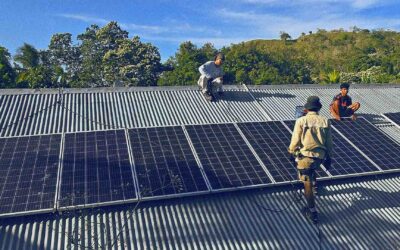
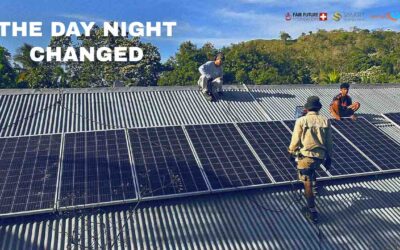
The Day Night Changed – Solar Light for Mbajik School
For five days, we lived and worked in Haray to create The Day Night Changed, a film showing how electricity reached Mbajik School for the first time. This is the story of before, during, and after, in a district where over 100 schools still wait for power.
Electrification of Mbajik School the Movie
For five days we worked to complete the electrification of Mbajik School the movie, carrying heavy equipment, wiring every room, and sleeping in the village. This project brings light to 80 children and 12 residents, in a district where over 100 schools still have no electricity.
Malaria prevention billboards protect families in East Sumba
With the East Sumba Malaria Prevention Project and the support of Rotary and Malaria Partners International, Fair Future Foundation and Kawan Baik Indonesia built twenty malaria billboards for markets, schools and roadsides so that every journey becomes a health lesson about fever and protection.
SolarBuddy lamps Matawai Katingga protect child health
In Lapinu, an isolated village in Matawai Katingga, SolarBuddy lamps Lapinu children change daily life. Without electricity or clean water, evenings meant smoke, kerosene and darkness. Our joint teams from Fair Future and Kawan Baik bring light as a medical tool, to protect lungs, eyes and learning