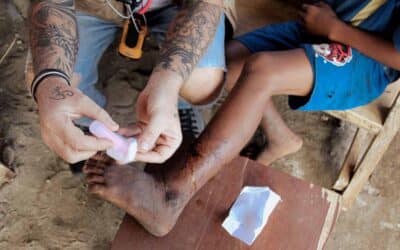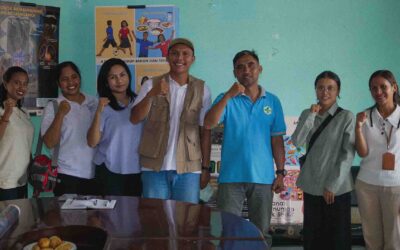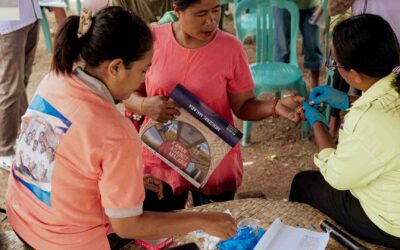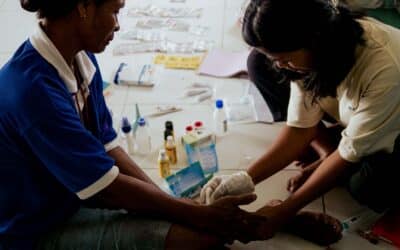

Disease prevention is the most effective medical response in rural health settings. Through daily field presence, hygiene education, vaccination awareness and primary medical care, preventable diseases are reduced before emergencies occur.
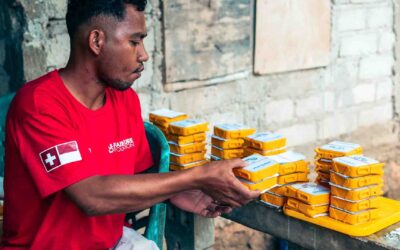
To reach ultra-rural villages, we rely on the Truck of Life to navigate rough, broken roads. This vehicle allows us to deliver essential supplies, including medicines, water, tools, solar kits, and food. Logistics play a crucial role in our program; without access to fuel, spare parts, and the commitment to long days on the road, we would be unable to reach the patients in need.
Donate
Support Care
Programs
All projects
Quick News
Field updates
Stories
Field stories
Holistic Education and Social Empowerment
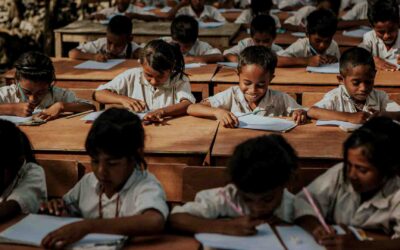
At Fair Future Foundation, we believe education is the key to transforming communities. Our holistic approach integrates schooling with clean water access, primary healthcare, and nutrition, ensuring that vulnerable communities thrive. By actively involving local communities, we create sustainable solutions that address real needs, paving the way for a brighter future in the ultra-rural regions we serve
The Education & Social category of Fair Future Foundation focuses on how education and social initiatives strengthen communities in ultra-rural Indonesia. Here, we share powerful stories that highlight how access to quality education, knowledge sharing, and the creation of social support networks can transform lives. We demonstrate that investing in education and building strong social connections are vital steps towards improving health, well-being, and the overall quality of life for those living in remote areas.
Education is not just about learning; it’s about empowering communities
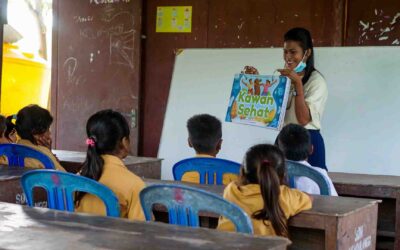
Kawan Sehat medical evaluation in remote East Sumba
A clinical assessment of how primary healthcare quality is maintained in remote villages of East Sumba. This article documents a structured medical evaluation of a community health agent, highlighting training, supervision, and data accuracy as key elements of safe rural healthcare.
No Access to Rural Healthcare | Life Without Medical Care
No access to healthcare defines daily life for millions of people living in ultra rural areas. In these regions, illness is not treated, diagnosed, or prevented. It progresses silently until it becomes life threatening. This medical absence shapes survival, health outcomes, and life expectancy.
Medical Advices – Practical Health Guidance from the Field
Medical Advices brings together simple, reliable health guidance drawn from real field medicine. From infectious diseases to daily prevention, these articles turn medical knowledge into clear actions that help people understand risks, protect their health, and act early.
Extreme heat health risks in ultra-rural care
Extreme heat is not just weather in ultra-rural communities. It is a medical risk that worsens dehydration, malnutrition, and infections. From the field, we see how simple actions and early recognition of heat illness save lives every day.
Kawan Sehat Medical App – Offline care in rural regions
In ultra rural Indonesia, access to medical care depends on distance, roads, and signal. The Kawan Sehat Medical App was created to change that reality by enabling trained community health agents to deliver structured primary medical care without internet access, while generating reliable medical data for long term action.
Hand Hygiene in Rural Indonesia | Disease Prevention
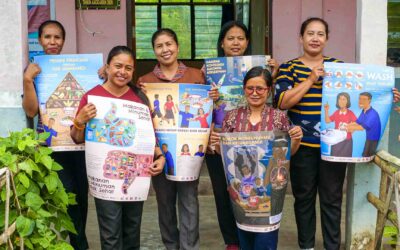
Hand hygiene rural Indonesia remains one of the most overlooked yet critical medical challenges in ultra-rural communities. Where water, soap, and sanitation are missing, infections spread easily. Education and simple infrastructure become powerful medical tools when healthcare access is limited.
Malaria Screening in Rural Indonesia | Swiss Medical Fieldwork
Beyond the rapid test, each screening includes education, explanation, and practical advice. This moment of dialogue often becomes the first real medical consultation families have ever received, turning a diagnosis into immediate protection.
Mbajik Solar Evaluation Through Children’s Eyes
This Mbajik solar evaluation began at night, not with tools but with a film. Children and adults gathered to watch themselves on screen, for the second time. The first was in October, during installation. This time, it was different. This time, electricity was already part of their lives.
Solar Light for Children in Ultra-Rural Regions
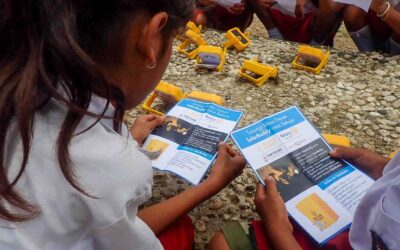
This new picture of the day shows solar light for children delivered through patience and care. In an ultra-rural classroom, a lamp is not simply handed over. Time is taken to explain, to show, to ensure understanding. For children living without electricity, light means safety, learning, and dignity once the sun goes down.
Water Reservoir Graduation Scale Protecting Community Health
Inside the Laindatang reservoir, a graduation scale measures every ten-thousand litres of stored water. This precise tool allows safe monitoring, controlled use, and long-term protection of clean water. In ultra-rural villages, measuring water accurately is not technical detail. It is prevention and survival.
Laindatang Water Filtration System | Preventive Health
Before water reaches the tank in Laindatang, it is filtered by hand. Custom-built filtration modules remove debris, organic matter, and insects, reducing contamination risks. This system turns rainwater harvesting into preventive medicine for families living far from any medical infrastructure.