

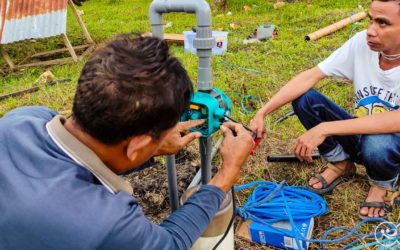
In the heart of East Sumba, Fair Future Foundation’s relentless efforts have brought a significant transformation to healthcare. Access to clean water, a basic necessity, has been restored at the Mahu health center (Puskesmas), benefiting over 20,000 individuals.
Vital Health Care Access for Ultra-Rural Communities
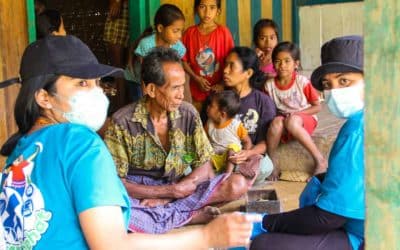
Fair Future Foundation is committed to ensuring vital health care access in ultra-rural communities. Our programs focus on preventing and treating diseases like malaria, dysentery, and polio, which are the leading causes of infant mortality. By integrating health education, primary medical care, and access to clean water, we work to improve the health and well-being of women, children, and families in East Sumba and beyond.
The Healthcare Access category examines barriers and solutions to accessing essential medical care in ultra-rural environments. Articles document how distance, infrastructure, cost, and workforce shortages limit care, and how targeted interventions improve access. These include community health agents, mobile services, referral coordination, and basic infrastructure support. Aligned with WHO health system strengthening principles, this category highlights practical approaches that reduce delays in care, improve continuity, and ensure that even the most remote populations can access timely, appropriate medical services.
Access to basic healthcare can mean the difference between life and death
Combating Malaria: Empowering Communities for a Malaria-Free Future
Take a stand against malaria in Eastern Indonesia! Our groundbreaking #ZeroMalaria Sumba program empowers communities with the knowledge and resources to challenge this deadly threat. Through education, targeted interventions, and grassroots initiatives, we are leading the way to a malaria-free world. the future. Explore our inspiring efforts and discover your role in creating a malaria-free world. At the heart of the program is education and community empowerment, with a laser focus on amplifying awareness of the catastrophic risks of malaria.
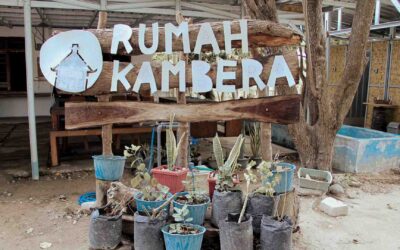
Rumah Kambera medico social base in rural Indonesia
Provides a permanent medico social base in rural Indonesia, enabling healthcare delivery, medical logistics, training and emergency response in remote East Sumba villages where no public infrastructure exists. Rumah Kambera anchors long term humanitarian and medical field operations.
Truck of Life goes everywhere almost no one goes
The truck of Life is so important… It allows us to go where almost no one ever goes. To meet people who have unexpected problems. To provide medical care, to take children or even a doctor or dentist to the nearest town. Truck of Life allows us to bring equipment, food, and drinking water where no one goes while ensuring the safety of our volunteers and specialized collaborators. Indeed, hundreds of thousands of people live in the most inaccessible territories who do not have access to the most basic needs to ensure a healthy life: No access to medical care, drinking water, or a light source for children to read or study.
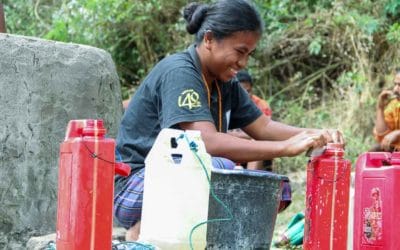
Shortage of clean, safe drinking water
All these people, we meet every day. When we ask them what their biggest dream is, all without exception answer us this: To have clean water, some not dangerous for their health and that of children, and pregnant women. To have access to it here, close to home. To be able to water and cultivate a garden, eat better, shower, and wash. But above all to be able to drink more, cook more. The Fair Future and Kawan Baik foundations within the framework of the Water Connections project, strive by all means to fulfil their dreams. Their lives, their health and their future are at stake. Water is the source of life, of all life!
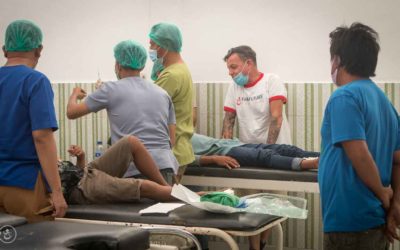
Days of medical care in rural areas
Discover the different contexts and situations in which Fair Future teams intervene to provide care, including crisis and natural disaster situations, and how and why we adapt our activities to each. Days of care like the one we present to you below we do dozens of them a year and they are adapted to people from rural areas, who for the most part have never seen a doctor before us.