Fair Future creates mobile health apps designed for health agents working in remote areas. These offline-capable tools help diagnose diseases, manage emergencies, and guide rural care, empowering medical action.
PRIMARY MEDICAL CARE AND DISEASE PREVENTION
Where no doctor is available, care must reach people directly. Fair Future Foundation delivers primary medical care and disease prevention through trained local health agents following structured protocols. Treatment of common illnesses, fever, wounds, and malaria is combined with hygiene, vaccination, and community education. This integrated model reflects WHO public health principles, where prevention and care form a single, continuous medical response.
The Medical & Prevention category focuses on evidence-based field medicine and public health actions implemented in ultra-rural contexts. It documents how primary medical care, disease prevention, and early intervention reduce morbidity and mortality where access to healthcare is absent. Articles address infectious diseases, maternal and child health, hygiene, vaccination, and community education, aligned with WHO recommendations. Beyond theory, this section presents concrete medical practices carried out on the ground by trained local health agents, highlighting how prevention remains the most effective and sustainable medical act in vulnerable populations.

My Waste My Responsibility for a Healthier Future
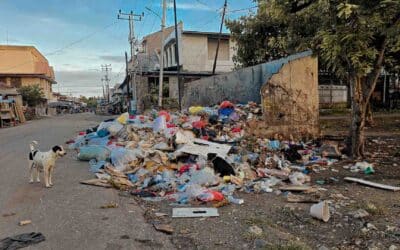
In Indonesia, unmanaged waste pollution poses a significant threat to lives by causing diseases and environmental harm. Our campaign, “My Waste My Responsibility,” calls for urgent action to address this crisis and advocates for improved policies. We focus on educating the public, taking action, and striving for cleaner air and water to foster healthier communities.
Kawan Sehat Training in East Sumba Villages
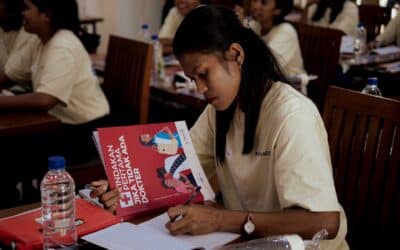
In May 2025, Kawan Sehat agents completed a powerful three-day training in East Sumba, boosting their medical skills, restocking kits, and preparing to treat hundreds in ultra-rural areas.
Empowering Health in Remote Indonesia
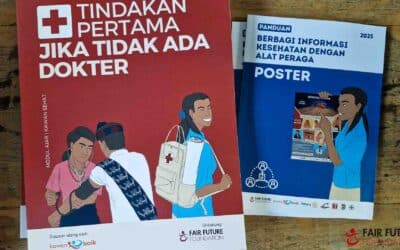
Fair Future Foundation has published two essential guides: an updated training manual for health agents and a booklet on using educational posters, helping communities in remote Indonesia manage health challenges and save lives.
Why We Keep Getting Sick
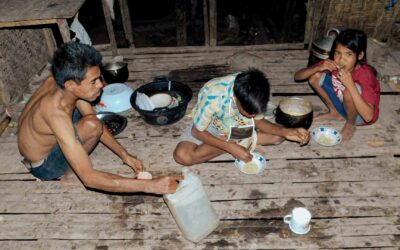
In Laindatang, a child asked why he and his family are always sick. The answer lies in the water: diarrhea, typhoid, skin infections, hepatitis A. Fair Future fights back with clean water and frontline medical care.
Mental Health Support in Rural Indonesia
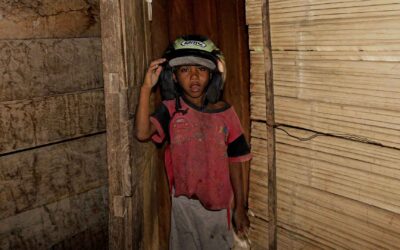
In the remote corners of Indonesia, mental health struggles often go unnoticed. Fair Future builds bridges of empathy through local presence, active listening, and community-based care to help children feel heard.
Medical Backpack That Saves Lives
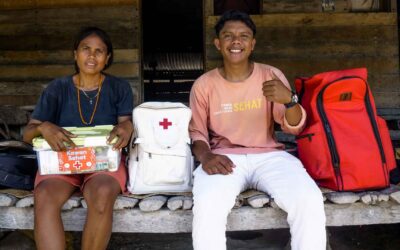
In East Sumba, women carry life-saving care on their backs. These medical backpacks contain over 50 essential items and are central to Fair Future’s Primary Medical Care program. A tool of autonomy and survival.
What Is Malaria and How to Prevent It
Malaria enters silently and can kill within days. But it’s preventable. Learn what malaria is, how it spreads, who is most at risk, and how Fair Future acts daily to stop this disease before it strikes.
Secondhand Smoke Is a Public Health Crisis
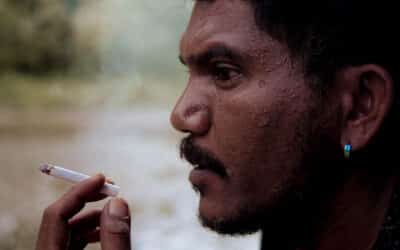
Secondhand smoke is a health crisis. In Indonesia, millions inhale it daily without choice. Children, pregnant women, and workers are paying with their lives. Clean air must become a right, not a privilege.
Menstrual Health and Dignity in Rural Indonesia
Fair Future tackles taboos surrounding menstrual health by empowering girls with access to hygiene, medical care, and education. It’s not just about health: it’s about restoring dignity and equality.
Medical Logistics in Rural Indonesia
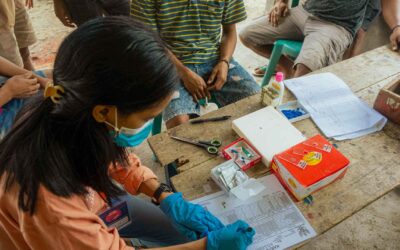
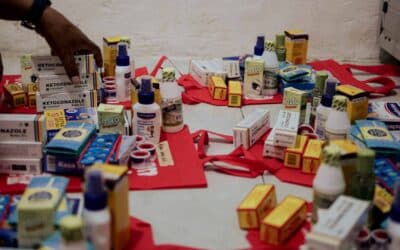
Erwin prepares life-saving medical kits for health agents working in villages without doctors, pharmacies, or roads. Logistics becomes a vital part of healthcare for thousands in East Sumba.
Education as Health in Rural East Indonesia
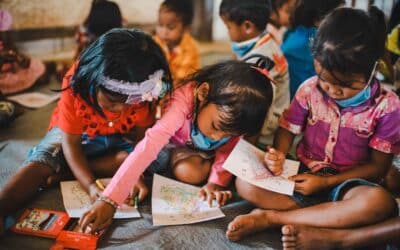
In remote areas of East Indonesia, every lesson is a shield. Schools are not just for learning—they’re places of care, protection, and disease prevention for children and their families.