

Reaching Villages…

Thousands of children monitored for health and nutrition

From the field:help us deliver care
We provide medical & social assistance where it is most needed. Since 2008 we have helped thousands of people & talk about what they are going through.
Select Page
Logo of the Swiss Fair Future Foundation

Donate

Support Care

Programs

All projects

Quick News

Field updates

Stories

Field stories

Every relationship is based on trust

Content type Post Page Gallery
Drilling in Extreme Conditions: Challenges and Triumphs

Drilling in Extreme Conditions: Challenges and Triumphs

Our team had been looking for favourable weather conditions since mid-February to move our drill to the #WaterConnections project site in Laindatang village. Finally, on February 22, we seized our opportunity when a truck transported our more than seven-ton drill to Laindatang.

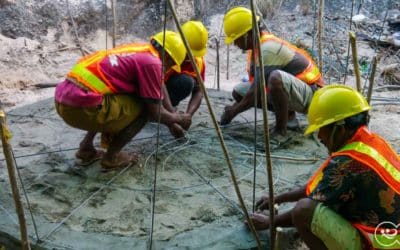
Getting the heavily loaded truck there presented another challenge. Upon arrival, we had to manually carry the machine approximately 300 meters to reach the drilling site. This exhilarating moment filled us with wonder and pleasure, reinforced by our appreciation for the unwavering support of local residents and villagers who are always ready to help us.

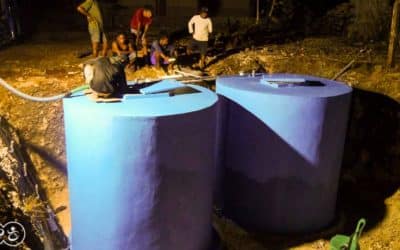
Due to the need for water during drilling, we install a substantial temporary 5,000-liter tank. It may seem paradoxical, but having access to water is essential to locate it underground. The installation process took several hours as we erected an impressive tower with a height of 8 meters.

Later in the day, a religious ceremony was held by the villagers who practice the Marapu religion. Three small chickens were offered as sacrifices to determine if we would encounter any problems when drilling for water so that their entrails could be read. According to the community members who organized the ritual, no problems will occur during this deep drilling.

Currently, we are on the fifth day of our expedition and have already gilded at a depth of almost 70 meters. However, a problem has arisen in the form of so-called “water loss”. This phenomenon refers to a situation in which the injected water does not rise due to damage caused by a crack in the six-inch diameter of the well.

Although the machine is working properly, we are currently facing a water shortage. Due to insufficient rainfall and the unavailability of water trucks during dry weather, we do not have access to enough rainwater to fill our on-site tanks needed for drilling. Our daily drilling demand amounts to almost 10,000 litres of water with around 30 meters remaining before we reach the target depth of 100 meters – where, hopefully, an abundant source awaits us which would be beneficial in providing drinking water within this village; thus considerably improving everyone’s quality of life.

Despite a challenging environment, the team engaged on-site perseveres tirelessly in arduous tasks. The heavy drill rods weigh nearly 50 kilograms each and the aggressive elements such as the intense heat of the day, the rain, the wind, the mud, and the cold of the evening prove powerless to stifle our fierce training. Each day brings its share of obstacles, but we remain resolutely focused on achieving our ultimate goal: improving the lives of the residents of the Laindatang Village.

Thank you very much for your attention and support in the water connection project we are working on in Laindatang. This project is significant for both the locals and us as a Swiss foundation, and we have put our hearts into it. As a reminder, last February, we celebrated the 15th anniversary of Fair Future, and this project is important to us all. Thank you very much for your help and support.

Alex Wettstein – Fair Future Foundation medico-social camp in East Sumba – Rumah Kambera, Lambanapu – The 3rd of March 2024
read more
Empowering Pulu Panjang: Healthcare Revolution by Local Heroes

Empowering Pulu Panjang: Healthcare Revolution by Local Heroes

Come on an incredible journey with us to Pulu Panjang, an isolated village in eastern Indonesia, where the #PrimaryMedicalCare program, in partnership with Fair Future and Kawan Baik, is completely changing the healthcare landscape. Witness the powerful work of dedicated local women who are the backbone of healthcare access, providing life-changing medical services. They are the unsung heroes who embody unwavering strength, resilience, and hope in the face of isolation. Don’t miss this opportunity to witness firsthand the transformational impact of this program.

read more
Breaking Malaria’s Grip: Transformative Healthcare Solutions for Eastern Indonesia

Breaking Malaria’s Grip: Transformative Healthcare Solutions for Eastern Indonesia

In ultra-rural regions of Eastern Indonesia, malaria is more than a disease; it’s a systemic issue impeding community development. Fair Future Foundation’s #ZeroMalaria program tackles this crisis head-on with a unique, comprehensive approach. From preventive education to providing immediate healthcare, we are dedicated to breaking the chain of malaria. Our council members are actively involved on the ground, ensuring effective, sustainable solutions tailored to community needs.

read more
Revolutionizing Water Access: Tanambanas Water Connection Project

Revolutionizing Water Access: Tanambanas Water Connection Project

Imagine a region where water is as precious as gold, where communities face eight-month-long dry seasons. Now, picture a bold initiative, the Tanambanas Water Connection Project, designed to capture and store rainwater ingeniously. Join us on this journey of innovation and resilience as we bring hope, clean water, and a brighter future to the people of Tanambanas.

read more
The #ZeroMalariaSumbaTimur program has been successfully implemented

The #ZeroMalariaSumbaTimur program has been successfully implemented

In a concerted effort to fight the endemic scourge of malaria, the Swiss Fair Future Foundation has embarked on an extraordinary mission – the #ZeroMalariaSumbaTimur program. This groundbreaking initiative is taking place in the heart of Southeast Asia, specifically in the remote and underserved eastern expanse of Indonesia known as East Sumba.

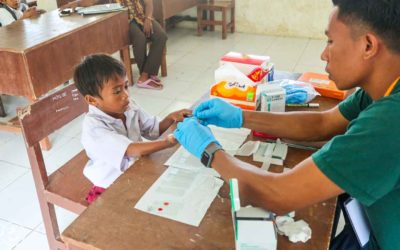
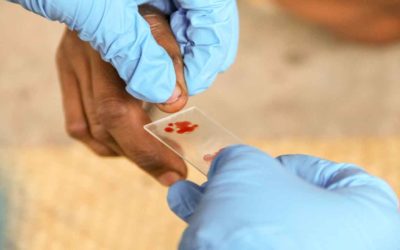
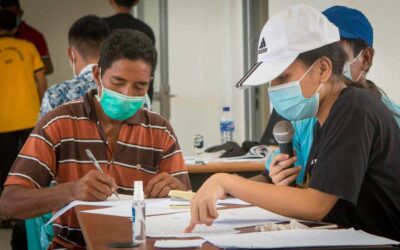
Having already screened and treated 2500 individuals across three severely malaria-affected villages in East Sumba, our undertaking is underscored by a tangible impact. This formidable feat, orchestrated through the synergy of committed individuals such as Alandio, Ino, Elthon, Alex, Ayu, Annisa or Ayu, resonates as a testament to unwavering dedication. Over seventy staunch contributors, bolstered by fifty fervent volunteers from diverse corners of Indonesia, assemble with a shared sense of purpose.

Collectively, we have curated a multi-disciplinary team of skilled nurses, physicians, and laboratory specialists, amplifying our medical outreach. This coalition is complemented by clever logistics and data management, facilitated by an innovative application collaboratively developed by the Fair Future and Kawan Baik Foundations.

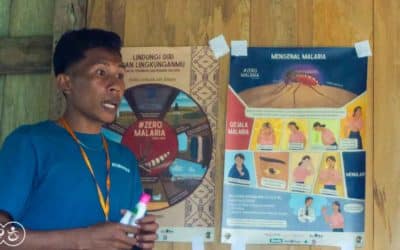
The core of our effort extends beyond the simple detection of malaria; our priority lies in education and prevention. Empowering communities with knowledge and awareness is our ultimate goal. We disseminate vital information about this dangerous disease through immersive workshops and interactive sessions. Armed with this understanding, individuals cannotntify the symptoms of malaria but also take quick and informed action to avoid potential complications and even death, safeguarding their well-being and others—their relatives.

The tangible impact of this initiative ripples through the lives we touch. Early identification and effective malaria management have resulted in life savings. Additionally, our efforts extend to enlightening local healthcare providers, equipping them with the essential tools and resources for a decisive battle against this relentless disease.

Yet our journey is not free of challenges. Negotiating the region's labyrinthine topography, working with limited resources, and transcending language barriers requires inventive methodologies and a deep sensitivity to indigenous cultures. Establishing a foundation of trust within our communities is an indispensable facet, fostering the adoption of preventive measures and a tendency to seek prompt medical intervention when needed.

We invite you to join our collective effort in the fight against malaria. Hand in hand, we can create a transformative impact, save lives and shape a radiant tapestry of possibility for everyone.

read more
Together, we are joining forces in a powerful effort to combat malaria

Together, we are joining forces in a powerful effort to combat malaria

A collective initiative against malaria is currently underway in East Sumba, Indonesia. Fair Future, kawan baik, and Sumba Volunteers have joined forces with over 100 volunteers, including doctors, nurses, laboratory technicians, water experts, builders, and government officials. Their primary objective is to eradicate malaria entirely within a practical period, focusing on prevention, diagnosis, and treatment methods.

read more
Malaria Program – Preparing and Mobilizing Resources

Malaria Program – Preparing and Mobilizing Resources

As we mentioned in last week’s newsletter, Fair Future Foundation, Kawan Baik Indonesia, and Sumba Volunteer are joining forces to launch a crucial health and medical operation to combat malaria in the Mahu region of East Sumba, Indonesia. The “Malaria Prevention Initiative 2023 – Sumba Timur 2023” aims to prevent, detect, and treat this devastating disease in one of the most affected regions. Malaria has become endemic in this area, establishing itself and finding a conducive environment for its spread, leading to an unprecedented increase in cases in recent months.

read more
Sumba Malaria Prevention Program 2023

Sumba Malaria Prevention Program 2023

Discover how the East Sumba Malaria Prevention Initiative we are presently executing is combatting this destructive ailment. By implementing preventive measures like distributing mosquito nets treated with insecticides and raising awareness on eliminating mosquito breeding sites, this initiative strives to diminish the occurrence of malaria in the area. Witness the combined efforts of Fair Future and Kawan Baik, working together with local authorities and the severely impacted ultra-rural communities, to safeguard the population against this mosquito-transmitted disease.

read more
Behavioral Impacts on Spread of Malaria

Behavioral Impacts on Spread of Malaria

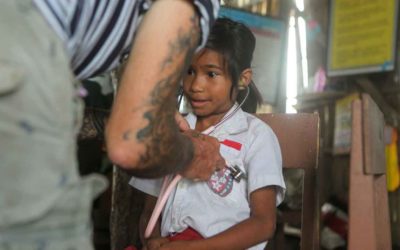
Beyond Borders: Fighting Malaria Together in Eastern Indonesia. This new "Picture of the Day"  shows a young girl from Lapinu village who appears unwell. Taken in 2020, Alex examined her and used a stethoscope to listen to her heartbeat. In April 2023, we revisited the village as part of the Primary Medical Care program. Unfortunately, the girl contracted malaria and suffered from high fever, body pains, and poor overall health. However, after receiving treatment and giving advice to her mother, the little girl has shown significant improvement after just one month.

Our organisation is dedicated to promoting public health in ultra-rural regions of Indonesia (like here in East Sumba), and we're deeply concerned about the impact of malaria on vulnerable communities, as you know already. Sadly, malaria remains a leading cause of illness and death in Indonesia, particularly in East Sumba, where we are based.

Some little history: The word "malaria" originates in Italian. It comes from the expression "mal'aria", which translates as "bad air". This term was used historically to describe the belief that disease was caused by inhaling polluted or stale air in swampy areas. The Plasmodium parasite is responsible for causing malaria, and research suggests that it has been affecting humans for at least 4,000 years.

Several human behaviours contribute irreparably to the spread or persistence of malaria. Here are some of the factors that lead to an increase in malaria cases:

Failure to prevent mosquito bites, poor waste management, inadequate housing and sanitation, deterioration of hygienic conditions, deforestation, alterations to natural habitats, movement of people, drug resistance*** and misuse, limited access to health services, higher illiteracy rates among younger populations, and lack of community involvement and awareness can all lead to an increase in malaria cases… And this, among other examples!

As a result, many people, particularly children and pregnant women, continue to suffer from this preventable and treatable disease. Our program aims to tackle these issues head-on by implementing various activities to strengthen malaria control efforts in the region. It is crucial to highlight that combatting malaria demands a unified strategy encompassing preventive and therapeutic measures. It also involves initiatives to enhance the environment and living standards of communities affected by the disease.

***The problem of self-medication and the consequent development of resistance to antimalarial drugs are two interconnected challenges that significantly hinder the effective management and control of malaria.

read more