

Builds community water reservoirs in East Sumba, securing safe water for families in Laindatang and Hambarita while reducing infections, dehydration, and long-term child malnutrition.
Water Connections Laindatang and Hambarita
read more
Reaching Villages…
Community trainings on malaria, hygiene and safe water


Through the Primary Medical Care program, Kawan Sehat health workers provide treatment for fevers, wounds, and malaria in villages lacking access to doctors. They carry essential medicines, adhere to established medical protocols, and refer emergency cases promptly to prevent delays in care.
Support Care
All projects
Field updates
Field stories
In all of our programs to promote access to a healthy life and address the significant issues of malnutrition, we strive to improve the health of children. Fair Future, along with our team of nutritionists, develops balanced nutrition programs to promote healthy eating.
The Water, Nutrition & Survival category addresses core public health determinants that directly affect morbidity and mortality in ultra-rural settings. Articles document how limited access to safe water, adequate nutrition, and basic sanitation increases the risk of waterborne disease, malnutrition, dehydration, and infection. Interventions follow WHO public health standards, combining water infrastructure, food support, hygiene promotion, and community education. This category highlights field-based actions that stabilize health, prevent avoidable disease, and support survival where resources and healthcare access remain critically limited.
Builds community water reservoirs in East Sumba, securing safe water for families in Laindatang and Hambarita while reducing infections, dehydration, and long-term child malnutrition.
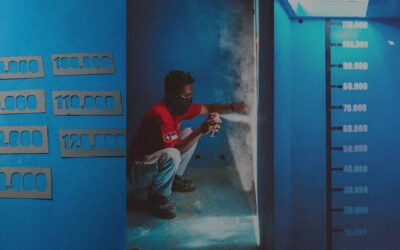
Inside the Laindatang reservoir, a graduation scale measures every ten-thousand litres of stored water. This precise tool allows safe monitoring, controlled use, and long-term protection of clean water. In ultra-rural villages, measuring water accurately is not technical detail. It is prevention and survival.
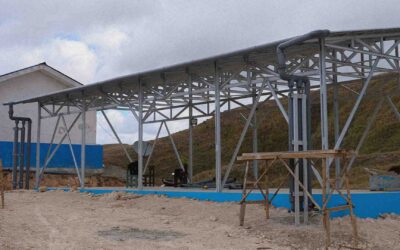
Before water reaches the tank in Laindatang, it is filtered by hand. Custom-built filtration modules remove debris, organic matter, and insects, reducing contamination risks. This system turns rainwater harvesting into preventive medicine for families living far from any medical infrastructure.
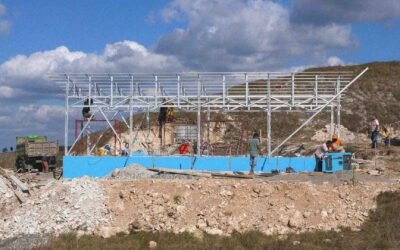
A light steel roof now protects the Laindatang reservoir, shielding filtered rainwater from heat, light, and contamination. Built with villagers by Fair Future and Kawan Baik Indonesia, this structure turns rainfall into safe drinking water and prevents avoidable disease.

Laindatang water reservoir work required transforming raw concrete into a sealed chamber through seven protective layers. Each layer prevents contamination, stabilises the structure, and protects the health of families. This technical process is essential for long term safe water in East Sumba.
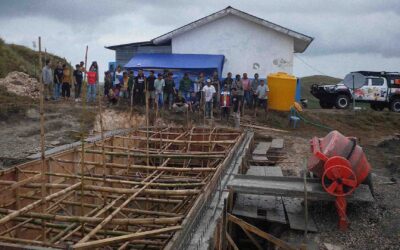
In Laindatang we build a 115000 litre reservoir by hand with villagers, shaping steel, timber, and concrete on a remote plateau. This work brings clean water to families who have lived without it and strengthens community health for the years ahead.
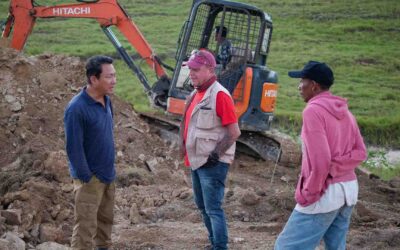
Repairing Laindatang’s hill road was essential to bring clean water. The slope was broken and unsafe, but now machinery can finally reach the site. A first step toward reducing disease and improving daily life.

In Hambarita the rainwater tank Wai La Padang changes how water and health begin each day. Before this project families rode kilometres on scooters for a few jerrycans. Now 5 300 litres of rooftop rain stand beside three small homes, saving money, energy, and clinic visits while protecting every child from dirty water.
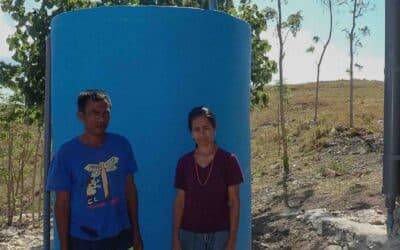
In Hambarita the Wai Pa Luri Wangu water tank is one of eight new reservoirs we built with the community. This 5 300 litre blue cylinder stands just a few steps from three houses and sixteen people, turning short rains into stored water for daily life, hygiene and basic medical care, instead of dangerous rides on motorbikes with heavy jerrycans.
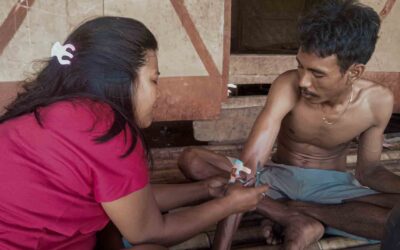
In this image Kawan Sehat wound care happens on a bamboo floor where clinics are days away. The agent irrigates, debrides if needed, applies a sterile dressing, checks tetanus, and teaches danger signs. Early care stops infection before it spreads to the blood. This is how primary medicine prevents funerals.
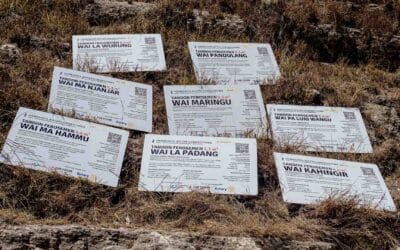
This picture shows Hambarita water reservoir plaques resting on the grass moments before installation. Each plate carries a local name because water is treated like kin. When a tank is called by name, people maintain it, clean gutters, and guard the lid. Eight new reservoirs will store rain, cut disease, and return time to families.

The Nutrition and Food Program helps rural families access better food, grow home gardens, and improve their health. Linked to clean water, it tackles malnutrition and supports children’s development. In ultra-rural areas, food is not a given; it’s a survival challenge we face together.