

Donate
Support Care
Programs
All projects
Quick News
Field updates
Stories
Field stories
All Articles & News
This page gathers all news and field articles from Fair Future Foundation. Medical missions, clean water projects, malaria prevention, solar electrification, logistics and training in ultra-rural Indonesia. Transparent reports, real stories, measurable impact. Follow our work, step by step, from the field to long-term solutions.
Welcome to the Fair Future News! Our teams have crafted each article, story, and update.
These pages showcase unique content reflecting our mission, work, and community interactions.
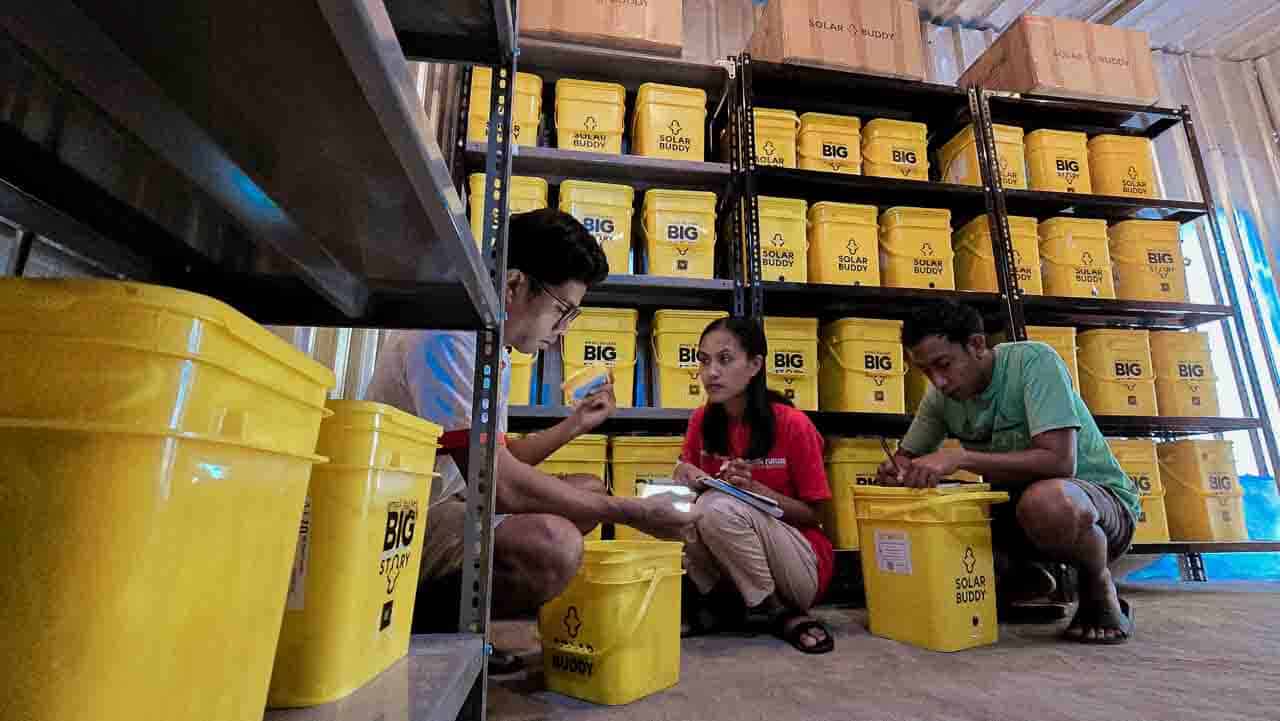
2,224 SolarBuddy lamps stored at Rumah kambera’s base, ready for distribution
True stories. Real people. Humanitarian action in motion.
Here you’ll find stories from the field—100% real, 100% original. Every article is written by us, by those who live these moments, walk these roads, and treat these illnesses. We write them by hand, after the long days, often from tents or remote villages, because we believe in showing what’s real.
The people, the lives, the wounds, the repairs—this is not fiction. This is our daily reality in ultra-rural Indonesia. Every photo is taken by us. Every word comes from those who act. From emergency responses and clean water to child health and malaria cases, these stories reflect both the daily struggles and the incredible strength of those we serve.
Our News page is more than just updates. It’s a record of direct action. A collection of emotions, medical cases, construction progress, and social encounters. We don’t write for clicks—we write for those who care, those who want to know, and those who support our mission.
It’s raw, human, sometimes difficult, but always true. Read them, share them, let them move you. This is how change begins—with knowledge, emotion, and connection.
Alex Wettstein – Fair Future Foundation – Updated in June 2025
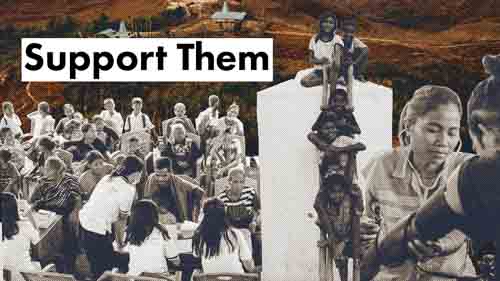
Your donation becomes real medical care
Help us reach the unreachable. Every franc you give funds medicines, dressings, tests, and clean water to prevent sickness. It powers solar lights for cold vaccines and night care. It keeps Kawan Sehat agents and Fair Future teams travelling hours to remote villages without doctors or clinics.
Our latest articles
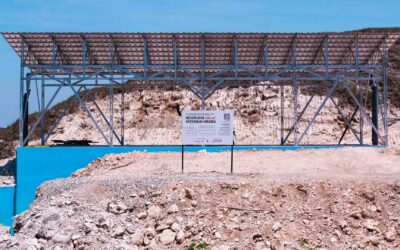
Laindatang Water Reservoir Report | 114.5 m³
Laindatang Water Reservoir Report documents the construction of a 114 m³ reinforced concrete rainwater system in East Sumba. Built to secure dry season water for more than 200 people and a local school, the reservoir is now full and operational, confirming structural reliability and community management.
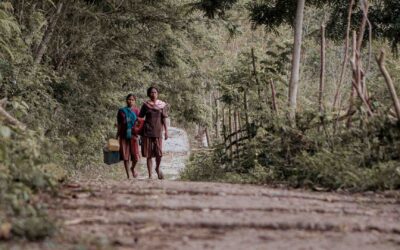
Hidden Cost of Delay in Rural Medicine | Access
The Hidden Cost of Delay in Rural Medicine shows how distance, financial barriers and time to first consultation transform mild illness into severe complications in East Sumba. Through Primary Medical Care, early intervention reduces avoidable deaths and restores timely access to treatment in ultra rural Indonesia.
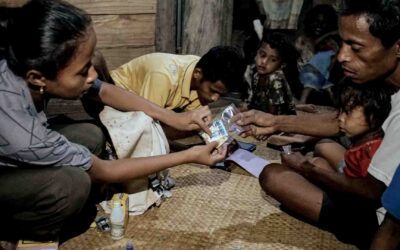
Community Health Brokers | Health System Model
Community Health Brokers operate as a structured health system in ultra rural East Sumba, managing 700 to 1000 consultations monthly. With 80 percent of cases resolved locally under supervision, this Primary Medical Care model reduces preventable hospitalizations and strengthens healthcare access.
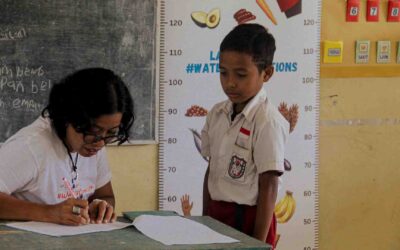
Malnutrition Is an Infection Multiplier | Child Immunity
Malnutrition is an infection multiplier in East Sumba, where one child in three faces growth delay. Undernutrition weakens cellular immunity, increases infection severity, and turns common illnesses into life-threatening complications. Restoring nutrition means restoring immune defense and survival.
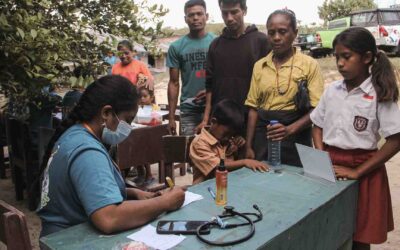
Antibiotics Without Laboratories | Rural Care
Antibiotics without laboratories define daily medical reality in remote East Sumba. Severe infections cannot wait for cultures that do not exist. We treat empirically, guided by clinical expertise, local epidemiology, and strict protocols designed to protect both patients and global antimicrobial effectiveness.
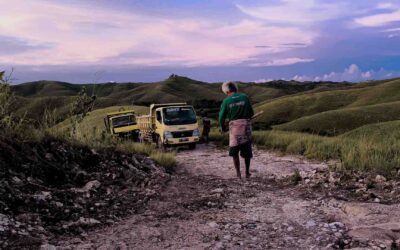
Health Without Infrastructure Fiction | Rural Care
Health Without Infrastructure Fiction describes a simple reality in ultra-rural East Indonesia. When roads, water, and electricity are absent, diagnosis is delayed and preventable disease becomes lethal. Infrastructure is not secondary to healthcare. It is healthcare.
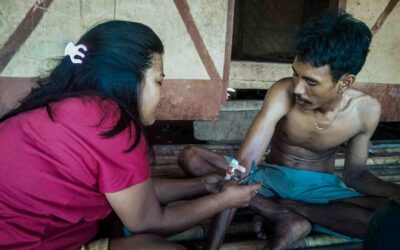
Preventable deaths are geographic | Delay to care
Preventable deaths are geographic in ultra rural Indonesia. The decisive variable is not pathogen biology but time to first medical contact. When fever, cough or diarrhea begin, hours matter. In many villages, care is days away. Reducing delay is the most direct way to reduce mortality.
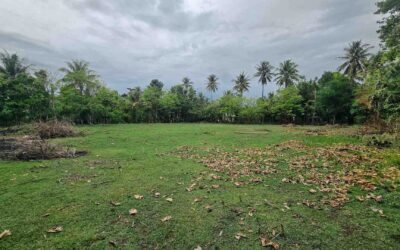
Socio-Medical Base Concept 2026 Released in Sumba
The Sumba HQ Concept 2026 marks a decisive step forward. Rumah Kambera can no longer sustain our medical and social operations. Too small, structurally exhausted, and limiting our impact. With land secured in Kawangu, this new socio medical base is designed to strengthen healthcare access and long term field presence in East Sumba.
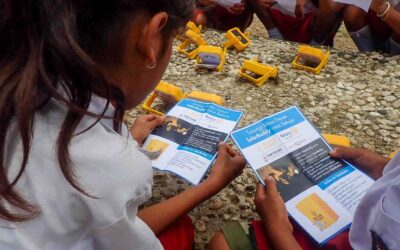
SolarBuddy Education East Sumba – Solar Light
In many schools without electricity, SolarBuddy education East Sumba becomes more than lamp distribution. It brings structured guidance, hygiene awareness and printed learning material to children who rarely receive personal documents. Light becomes a medical and educational tool.
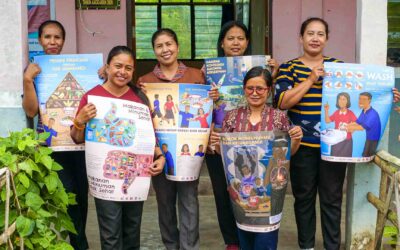
School Health Posters – Education in Action
In rural Indonesia, school health posters are more than visual aids. They are daily prevention tools. At SDN Bidiwai, teachers received SolarBuddy lamps and a full set of educational materials that transform classrooms into spaces of long-term community awareness.
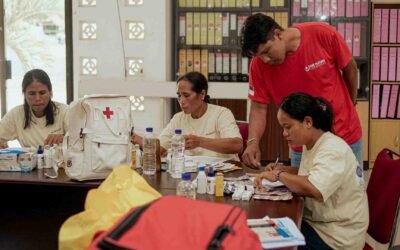
Primary Medical Care in East Sumba Field Supervision
Primary Medical Care East Sumba is not theoretical. It is a structured system that keeps medicines available, records accurate, and rural agents clinically supported. At Puskesmas Kawangu, supervision ensures that distance does not become danger.

Annual Report 2025 – Field Impact
Annual Report 2025 presents verified medical data, malaria prevention results, clean water infrastructure and school electrification projects in remote villages of East Sumba. A transparent, field-based overview of structured humanitarian action built on 16 years of Swiss expertise.