


Donate
Support Care
Articles & News
Field stories
Glossary
Field guides
Health & Medical Program
Primary Medical Care
First-line assessment, treatment, prevention and referral for families living hours from a clinic and beyond reliable transport.
- Active since December 2022
- 27 Kawan Sehat agents
- 700 to 1,000 patients each month
Care starts where the road ends
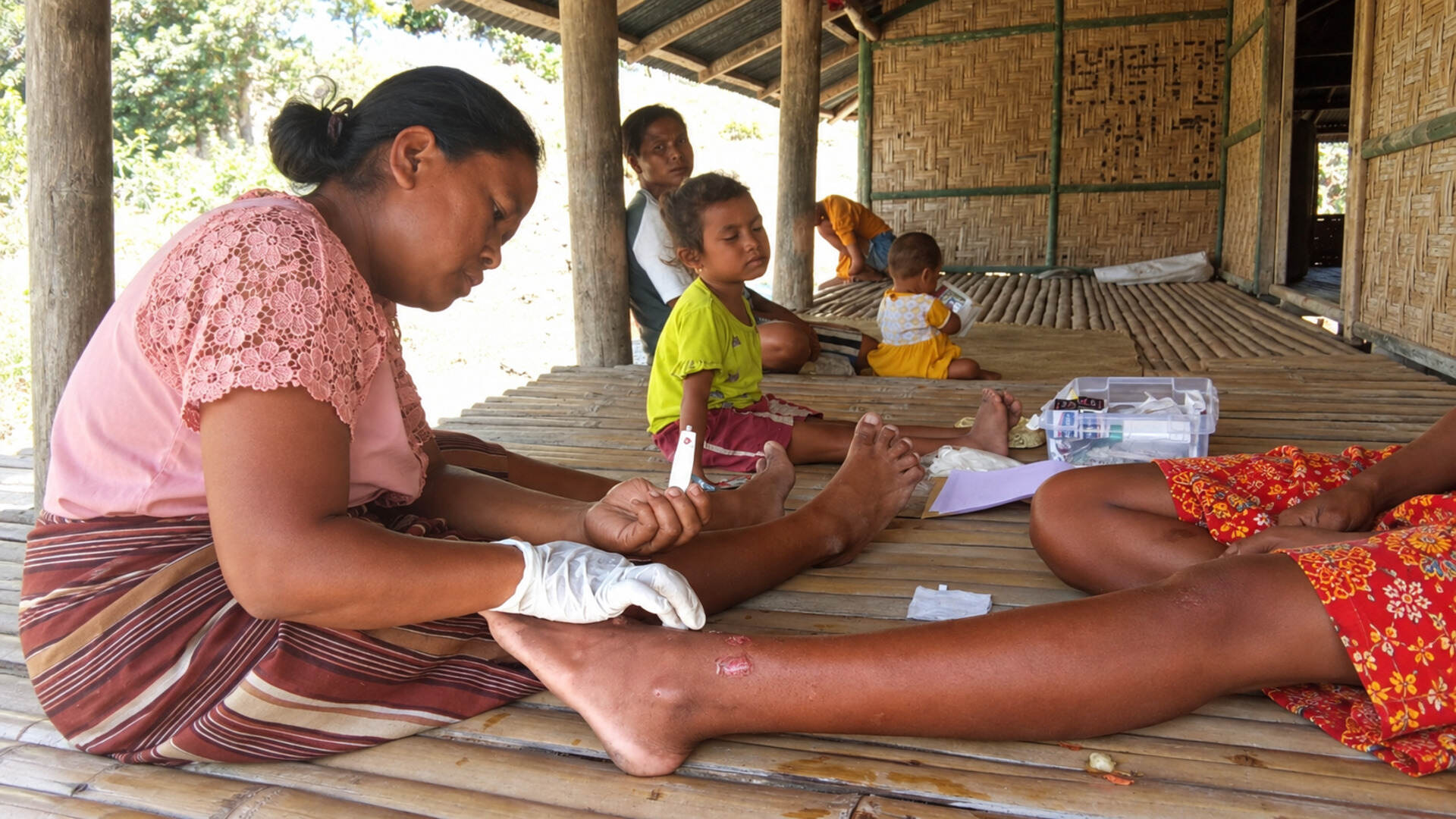
In East Sumba, distance changes the course of illness. A fever, infected wound or dehydrated child may worsen for hours before transport is possible. Trained Kawan Sehat agents begin assessment, safe first-line care and referral inside the village.
The programme
A local health system built for distance
Here, distance is a clinical risk. A fever can become severe, a wound can progress to sepsis, and a pregnancy complication can turn critical before a family reaches formal care.
Primary Medical Care places trained Kawan Sehat health agents inside their own communities. They are not substitutes for doctors. They are the first safe point of contact: close enough to act early, trained enough to recognise danger and connected to medical supervision when a case exceeds local capacity.
Care is provided without charge at the point of service. Medicines, dressings, diagnostic supplies, education tools and reporting systems are carried into areas where routine health infrastructure is absent or difficult to reach.
Women and men working inside their own villages, with structured training and support.
Assessment, treatment, education, follow-up and referral carried out close to home.
Medicines, dressings and basic diagnostic supplies are checked and replenished regularly.
The programme began in December 2022 and continues as a permanent field operation.
From first contact to follow-up
How care reaches a patient
Every consultation must connect observation to a safe decision. Symptoms, vital signs, treatment, danger signs, referral and follow-up are documented so care does not end when the agent leaves the house.
First contact
A nearby Kawan Sehat agent listens, examines and records the patient’s symptoms and history.
Assessment
Vital signs, danger signs and the limits of community treatment guide the next decision.
Care or referral
Safe basic care is provided locally. Severe or uncertain cases are referred without delay.
Documentation
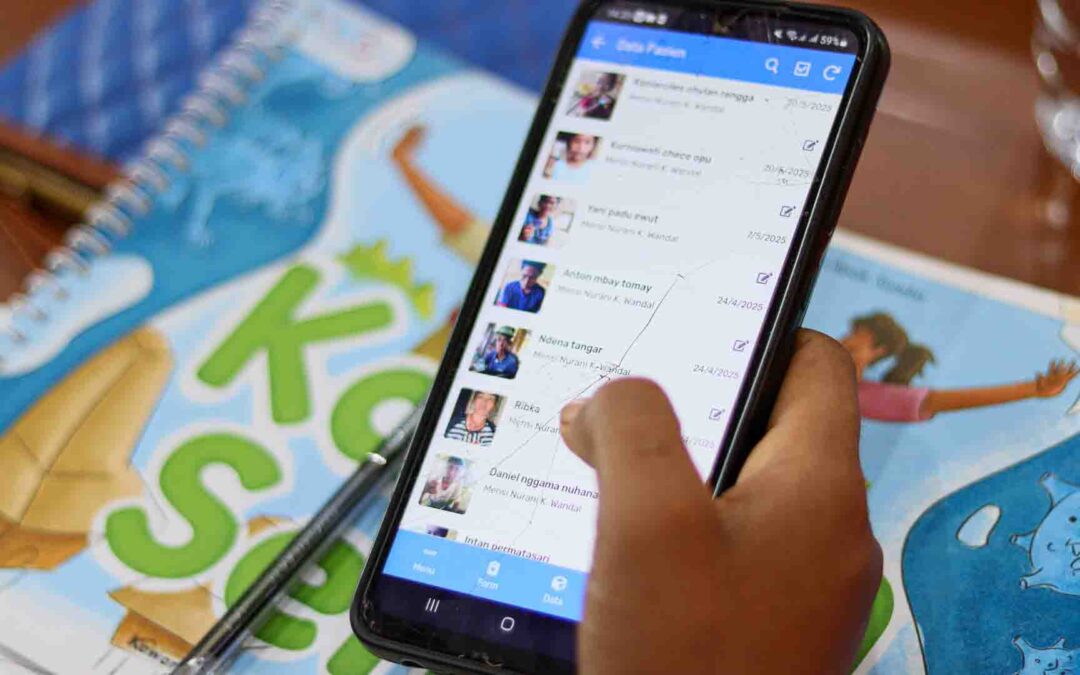
The Kawan Sehat app and field records support case review, follow-up and disease surveillance.
Follow-up
The agent returns, checks progress, reinforces prevention and contacts the medical team when needed.
Clinical boundaries matter
Care close to home, referral when risk rises
The most important clinical skill is knowing the limit of local care. Agents work within defined protocols, treat what is safe, and refer immediately when symptoms, vital signs or uncertainty indicate higher risk.
What agents can do
- Assess symptoms, temperature and available vital signs
- Clean and dress superficial, uncomplicated wounds
- Provide protocol-approved first-line medicines and oral rehydration
- Support uncomplicated fever, respiratory, skin and digestive complaints
- Monitor older people, children and patients with chronic conditions
- Teach hygiene, nutrition, malaria, tuberculosis, HIV and infection prevention
When agents refer
- Breathing difficulty, altered consciousness, shock or severe dehydration
- Suspected sepsis, severe infection or rapidly worsening illness
- Major trauma, deep wounds, burns or suspected fracture
- Pregnancy complications or danger signs in a mother or newborn
- Possible tuberculosis, leprosy, HIV or another condition requiring medical testing
- Any presentation that is uncertain or beyond available skills, protocols or supplies

Medicines matter, but safe use depends on training, documentation, clean equipment, supervision and regular restocking.
The system behind each visit
Tools that make continuity possible
A bag of medicines alone is not a health system. Each visit depends on trained judgement, a defined medicine list, clean dressings, usable records, follow-up and access to medical supervision. Standardising these foundations reduces unsafe improvisation and makes every case reviewable.
150-page manual
Fourteen training modules covering first-line care, prevention, danger signs and safe practice.
Kawan Sehat app
Offline and online case documentation designed for villages with weak connectivity.
Medical kits
Medicines, dressings, basic diagnostics and prevention materials adapted to field conditions.
Medical supervision
Training, case review, field visits, referral support and regular supply control.
What changes in practice
Earlier care changes the course of illness
Shorter delay to first care
A child, older person or injured worker can be assessed the same day instead of waiting for money, a vehicle or a passable road.
Safer treatment decisions
Defined protocols, supervised medicine lists and case review reduce unsafe improvisation and avoidable self-medication.
Clearer referral
Referral begins with recorded symptoms, vital signs, treatment already given and the danger signs observed.
Prevention inside daily life
Malaria, tuberculosis, HIV, wound infection, hygiene and nutrition are discussed at home, in schools and during care, in language people understand.
Clinical manualPrimary Medical Care field manualOpen the 150-page manual used to structure assessment, treatment, prevention, follow-up and referral.
PeopleMeet the Kawan Sehat agentsUnderstand who provides care and how community knowledge becomes clinical action.
Field toolsDigital tools for rural careSee how field applications support patient records, follow-up, evidence and safer decisions.
ResearchSumba Sepsis Study 2026Explore evidence on infection, delayed care and household risk across 1,001 families.
Live field recordField Notes from Eastern IndonesiaFollow short, dated updates on care, prevention, research, logistics and the realities teams meet.
Field guide & glossaryHealth and care, explainedExplore clinical terms and practical field guides grounded in Fair Future’s work in remote communities.
Medical referenceWHO primary health careRead the international framework connecting treatment, prevention and community participation.
Live from the field
Medical Field Notes, as the work happens
Two recent signals from care, research and prevention in East Sumba. These notes refresh from the Field Notes archive when a new medically relevant update is published.
Directly from the field
Latest Primary Medical Care reports
These field reports document the care actually delivered: clinical problems encountered, prevention work, referrals, supply constraints and the decisions our teams make in remote villages.
Work in preparation includes community care days connecting consultations with practical prevention and support for the next medical care day in Bidi Hunga.

No Access to Healthcare in Rural Areas | Clinical Reality
In ultra-rural regions, people do not die from rare diseases, but from delays and absence of care. Primary Medical Care restores continuity where systems stop, reducing preventable illness through presence rather than technology.

Skin infection prevention in rural Indonesia
Skin infections are not cosmetic. In ultra rural areas, small cuts, insect bites, or scratched skin can quickly become dangerous infections. Heat, dirty water, and delayed care increase the risk. Early cleaning and simple prevention save lives every day in the field.
Kawan Sehat Medical App – Offline care in rural regions
In ultra rural Indonesia, access to medical care depends on distance, roads, and signal. The Kawan Sehat Medical App was created to change that reality by enabling trained community health agents to deliver structured primary medical care without internet access, while generating reliable medical data for long term action.
Kawan Sehat Ultra-Rural Medical Care in Eastern Indonesia
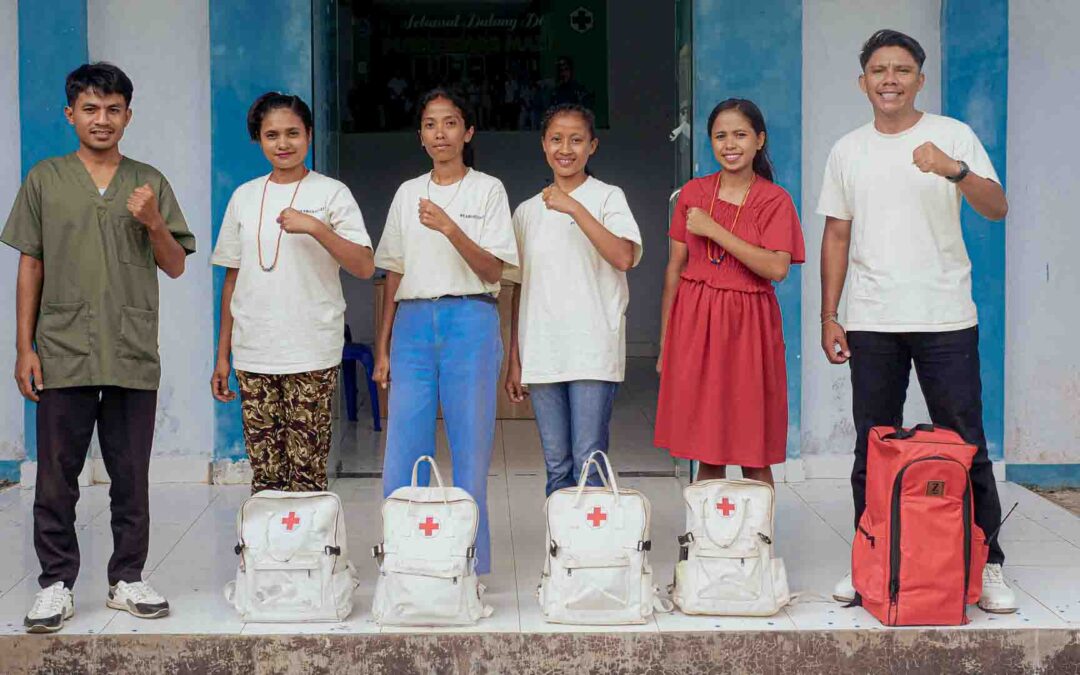
In eastern Indonesia, ultra-rural medical care depends on people who walk where vehicles cannot go. In regions cut off from roads, electricity, and doctors, Kawan Sehat health agents provide first-line treatment, prevention, and education. Their work fills the growing gaps left by under-equipped Puskesmas and overstretched hospitals.

HIV prevention poster campaign in rural Indonesia health
In East Sumba, Kawan Sehat health agents now carry a new tool the HIV prevention poster campaign. Used in homes, schools and small clinics, it explains in simple language how HIV is transmitted, how it is not, and which everyday actions protect families, partners and young people from infection and stigma.

Primary Medical Care East Sumba quarterly impact report
Primary Medical Care East Sumba is not a theory, it is 798 patients and 1,421 cases in three months, most of them children and women, treated where no doctor is present. Through Kawan Sehat agents, we bring first aid, medicines, prevention and referrals into ultra remote villages. Without this program, these cases simply stay untreated.
Kawan Sehat MbinuDita health agents farewell East Sumba
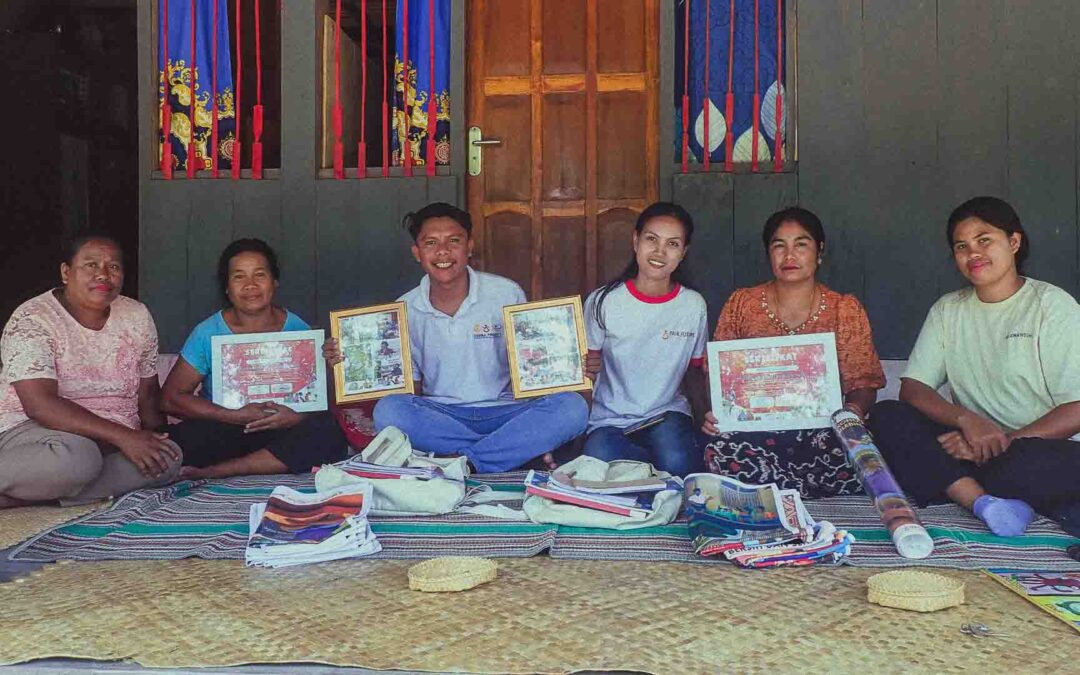
In MbinuDita, Kawan Sehat health work began with two women and a backpack. After more than three years as the first call for fevers, wounds and malaria, Agustina and Ferias end their mission, return their equipment and help prepare new agents so village care grows from twenty to thirty trained workers.

Kawan Sehat health Agent day in Lahiru village Indonesia
In Lahiru, Kawan Sehat health workers Sarlota and Yosef wake with the sun, walk steep paths for water, farm the hillsides and open their house as a small clinic. This film lets you follow their routine of cooking, washing, treating fevers and wounds so neighbors in a remote village can stay on their feet.

Who are the Kawan Sehat health agents?
In this article you finally discover who are Kawan Sehat health agents, not as numbers but as people. Through portraits and short testimonies they explain who they are, where they live, the patients they care for and why they chose to become the first line of medical care in remote East Sumba hills every day.

Primary medical care donation for 2025/26 program
Fair Future Foundation and Kawan Baik Indonesia made a primary medical care donation of CHF 19,248.96 (around IDR 400 million) covering 32% of the program’s 2025–2026 budget. This funding sustains healthcare access for thousands of people in ultra-rural Indonesian regions lacking clinics, doctors, or medicines.
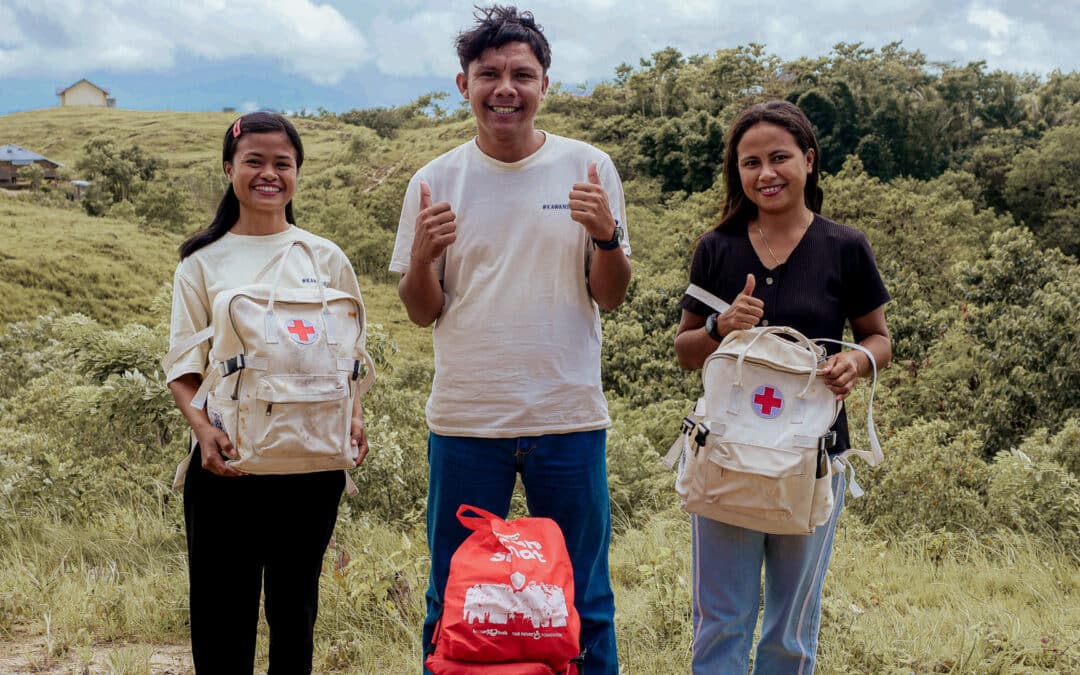
Erwin’s Journey Bringing Care
Erwin, the Field Coordinator of the Primary Medical Care programme, spends days crossing muddy roads, broken bridges, and steep trails to deliver medicines to Kawan Sehat agents. His work keeps remote East Sumba villages connected to lifesaving care, dignity, and trusted medical support.

Kawan Sehat Health Training
In May, 21 Kawan Sehat health agents completed intensive training in primary care. They now serve nearly 1,000 patients each month in remote Indonesian villages, offering medical treatment, prevention, and education where no doctors are available.
Accountability
Care must remain measurable, reviewable and transparent
A programme caring for 700 to 1,000 patients each month must show more than activity. We document medicines used, care delivered, referrals, prevention work, field limits and how resources are engaged. What works is strengthened. What fails is corrected and reported.
