



Donate
Support Care
Programs
All projects
Quick News
Field updates
Stories
Field stories
Water Connections
Clean Water Infrastructure
Safe water systems in ultra-rural villages
Water Connections is a field-based water infrastructure programme developed in ultra-rural Indonesia, where safe water systems do not exist. Entire villages rely on seasonal streams, open wells or distant sources. There is no municipal network, no treatment plant, and no maintenance structure. Our teams design, finance and build gravity-fed systems, deep wells, reservoirs and protected distribution points, in coordination with local authorities and village leaders.
The programme prevents waterborne infections, chronic dehydration and hygiene-related diseases that directly affect child health and maternal safety. We construct reinforced reservoirs, install submersible pumps when required, protect catchment areas and train local operators for maintenance. Each site is monitored over time to ensure structural durability and safe daily access for households and schools.
Water access is not assistance. It is a public health infrastructure.
Why Water Matters
Unsafe water drives preventable disease cycles.
Without safe water infrastructure, minor infections escalate into severe dehydration, sepsis or chronic malnutrition. Delayed access to clean water increases exposure to pathogens and weakens immune resilience, especially in children. Early intervention through structured water systems reduces infection risk, stabilizes hygiene practices and reinforces community health at its foundation.
Field Evidence and Case Reports
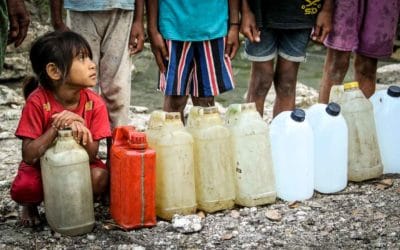
Lukukamaru Sumba. A tremendous job to do here
East Sumba is full of villages that I believe we have to call “very poor”, where eating or drinking enough, taking a simple shower, and earning enough to buy a little rice is almost impossible. These villages are isolated from everything and everyone. We go there as often as possible, currently every day. These moments spent with the villagers tell us very clearly about what we can put in place to improve the living conditions of these people living in these regions. Lukukamaru is one of those villages. Everything is paid for at a high price, at the cost of incredible physical and psychological effort; here, we can speak of a state of daily survival.
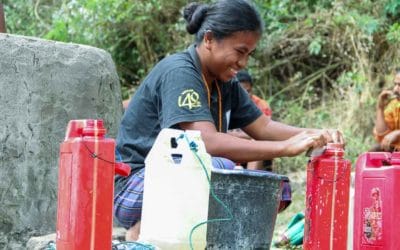
Shortage of clean, safe drinking water
All these people, we meet every day. When we ask them what their biggest dream is, all without exception answer us this: To have clean water, some not dangerous for their health and that of children, and pregnant women. To have access to it here, close to home. To be able to water and cultivate a garden, eat better, shower, and wash. But above all to be able to drink more, cook more. The Fair Future and Kawan Baik foundations within the framework of the Water Connections project, strive by all means to fulfil their dreams. Their lives, their health and their future are at stake. Water is the source of life, of all life!

We carried out our first deep drilling with our own machine
Until last week, the 264 students of this school in East Sumba had no water in their school. As you can imagine, this posed unexpected sanitary problems for all the children, the teachers and the houses in the surrounding area. Fair Future has therefore decided to drill a deep well at the back of the school, and we have, thanks to our detection tools, found clean and clear water at a depth of almost 40 meters. A massive change for this community and the people who live nearby. Indeed, they will also be able to come and get water from this new deep well.