

Mumps cases are rising in Indonesia, particularly in rural areas. Understand how the virus spreads, the symptoms, the serious risks it poses, and the urgent actions needed to protect vulnerable communities through education initiatives and improved vaccination campaigns.
We have compiled a list of articles and pages for this topic
The Fair Future Foundation in East Indonesia combats social and medical injustice and aims to ensure everyone has access to healthcare, clean water, and education. Join us in making a difference.
Improving child health outcomes through medical care, nutrition, and hygiene education in isolated communities.
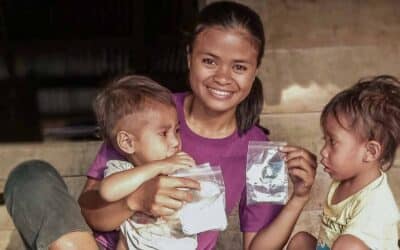
Ruth’s Smile: Healing Children with Primary Care
Ruth, a Kawan Sehat health agent from Lukukamaru, beams while standing next to a young boy she treated for a serious...
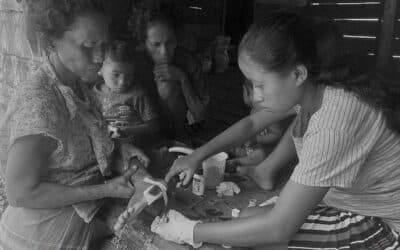
Kawan Sehat Saves Boy’s Foot from Serious Infection
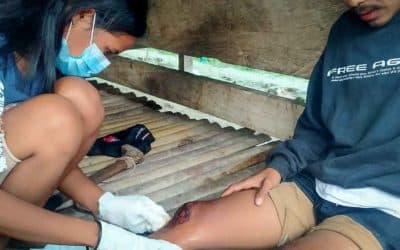
In the village of Lahiru, Ibu Sarlota, a health worker with Kawan Sehat, swiftly attended to a young boy's severe foot...
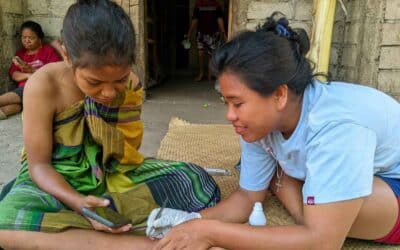
Kawan Sehat: Health Workers Bring Care to Rural Indonesia
Kawan Sehat healthcare workers provide vital medical services and education to remote villages in Indonesia. Through photos showcasing their resilience and life-saving commitment, this article emphasizes their essential role in underserved communities and the impact of grassroots healthcare initiatives.
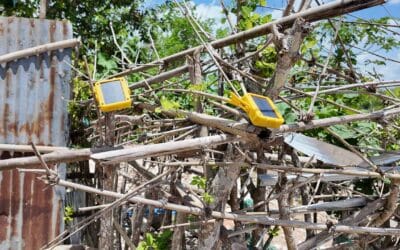
SolarBuddy Lamps Light Up Remote Villages at Night
In ultra-rural villages lacking electricity, SolarBuddy lamps provided by Fair Future and Rotary illuminate kitchens and pathways at night. During the day, these lamps recharge when hung on trees or fences, preparing to light up homes and paths in the evening. This straightforward solution brings safety and brightness to families who need it most.
Building a Vital Water Reservoir in Arid East Sumba
Fair Future’s planned construction of a 110m³ water tank in East Sumba will help address the severe water shortage. This vital project, if completed, will store rainwater for nearly 300 people, including 100 children, ensuring access to clean water in one of the driest regions in the world.
Building Sanitation Facilities for Health and Dignity
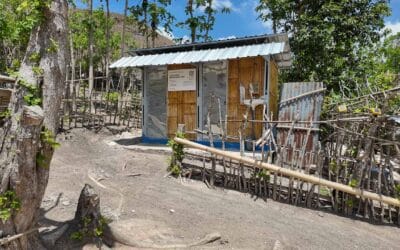
Our sanitation facilities, such as this toilet in East Sumba, offer clean and sustainable environments for maintaining...
Polio Resurgence in Remote Indonesia: Urgent Action Needed
Polio is making a comeback in Indonesia, particularly in the areas where we operate. This outbreak is connected to inadequate hygiene practices, insufficient sanitation, and restricted access to clean water. With limited resources, we are vigorously combating it by launching prevention campaigns and enhancing water access as well as sanitation facilities to safeguard vulnerable communities.
Kawan Sehat Workers Treat Dozens of Cases Daily
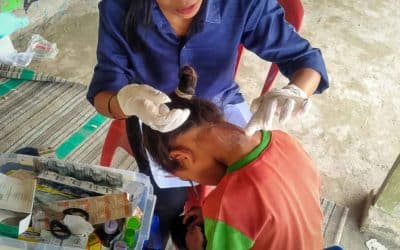
The daily case load managed by Kawan Sehat health agents through the #PrimaryMedicalCare program is truly remarkable. Each day, they deliver crucial first aid services, saving lives and enhancing health for individuals who lack access to basic care. Visit our photo gallery to see the extraordinary efforts of these women and the foundation at work on site.
14-Year-Old Girl’s Critical Medical Treatment Begins
A 14-year-old girl from Hudumburung, abandoned by her family due to poverty, has endured severe illness for years. Thanks to Kawan Sehat’s intervention, she is now undergoing essential medical tests and receiving care—her first step toward a better future. Many more children in remote regions remain without help.
Healthy Living Posters Distributed to Local Health Centers
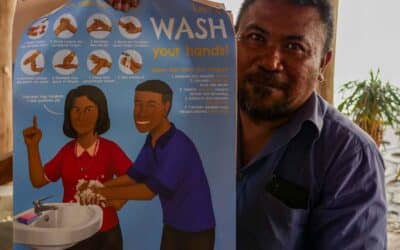
We have distributed our healthy living posters to local Puskesmas (health centers), and their directors were delighted. The posters are engaging and easy to comprehend, incorporating local characters and language. Teaching rural communities simple methods for disease prevention, such as handwashing, is truly rewarding.
MoU Signed to Expand Primary Medical Care in East Sumba
We have entered into a Memorandum of Understanding with the East Sumba authorities to improve our primary health care program. Through this collaboration involving the health, education and social services sectors, we will increase the number of Kawan Sehat health workers to ensure that rural communities receive adequate medical care.