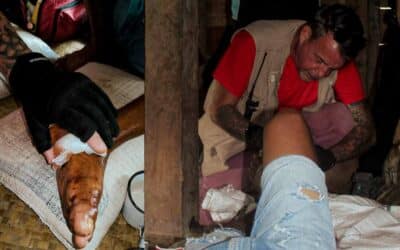


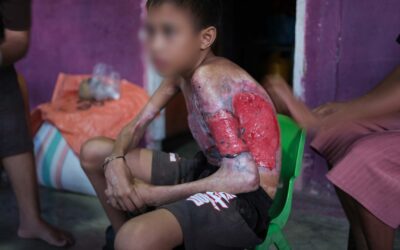
Umbu, 14, has lived for eight months with third-degree burns Indonesia should never leave untreated. In East Sumba, delayed care means chronic wounds, severe pain, malnutrition and lost mobility. He needs food, dressings, medicine, physiotherapy, reconstructive surgery and safe transfer now.
We have compiled a list of articles and pages for this topic
The Fair Future Foundation in East Indonesia combats social and medical injustice and aims to ensure everyone has access to healthcare, clean water, and education. Join us in making a difference.
Improving child health outcomes through medical care, nutrition, and hygiene education in isolated communities.
Child Marriage Indonesia | Adolescent Pregnancy Crisis
Child marriage adolescent pregnancy in rural Indonesia exposes young girls to severe medical risks including prematurity, anemia and maternal mortality. In East Sumba, lack of prevention and limited healthcare access turn early pregnancy into a daily clinical emergency.
Unsafe Water Childhood Diarrhea Indonesia | Health Crisis
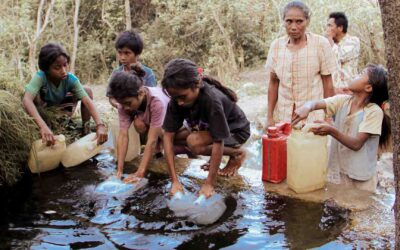
Unsafe water remains a major driver of childhood diarrheal diseases in rural Indonesia. Contaminated rivers, poor sanitation, and plastic pollution expose children to infection, dehydration, and malnutrition. Improving access to clean water and hygiene education is essential to protect child health.
Malnutrition Is an Infection Multiplier | Child Immunity
Malnutrition is an infection multiplier in East Sumba, where one child in three faces growth delay. Undernutrition weakens cellular immunity, increases infection severity, and turns common illnesses into life-threatening complications. Restoring nutrition means restoring immune defense and survival.
Snakebite management in rural Indonesia | Fair Future
Snakebites are a significant threat in East Sumba and similar areas where access to healthcare is limited. This guide provides crucial steps to manage snakebites, prevent complications and save lives. Learn how to identify symptoms, administer first aid effectively and avoid common mistakes in this essential medical advice article.
Malaria Screening in Rural Indonesia | Swiss Medical Fieldwork
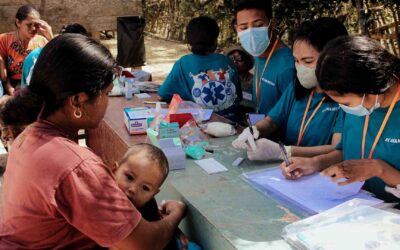
Beyond the rapid test, each screening includes education, explanation, and practical advice. This moment of dialogue often becomes the first real medical consultation families have ever received, turning a diagnosis into immediate protection.
Solar Light for Children in Ultra-Rural Regions
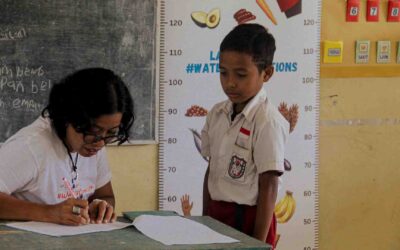
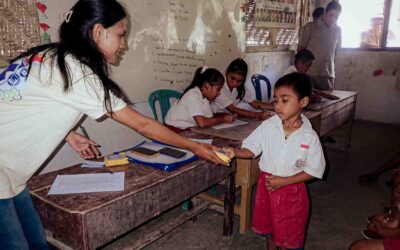
This new picture of the day shows solar light for children delivered through patience and care. In an ultra-rural classroom, a lamp is not simply handed over. Time is taken to explain, to show, to ensure understanding. For children living without electricity, light means safety, learning, and dignity once the sun goes down.
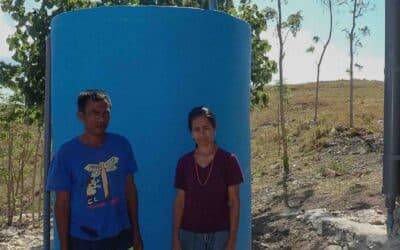
Wai Pa Luri Wangu clean water tank for Hambarita village
In Hambarita the Wai Pa Luri Wangu water tank is one of eight new reservoirs we built with the community. This 5 300 litre blue cylinder stands just a few steps from three houses and sixteen people, turning short rains into stored water for daily life, hygiene and basic medical care, instead of dangerous rides on motorbikes with heavy jerrycans.
SolarBuddy lamps Matawai Katingga protect child health
In Lapinu, an isolated village in Matawai Katingga, SolarBuddy lamps Lapinu children change daily life. Without electricity or clean water, evenings meant smoke, kerosene and darkness. Our joint teams from Fair Future and Kawan Baik bring light as a medical tool, to protect lungs, eyes and learning
Kawan Sehat Rural Health Agents
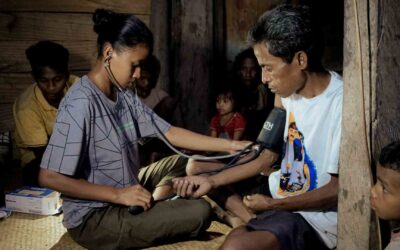
Kawan Sehat agents are trained women from rural villages who deliver medical care where no other system exists. Their work is vital, human, and lifesaving—guided by knowledge, trust, and compassion.
Medical Donation to RSUD Waingapu
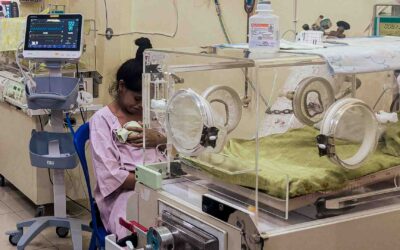
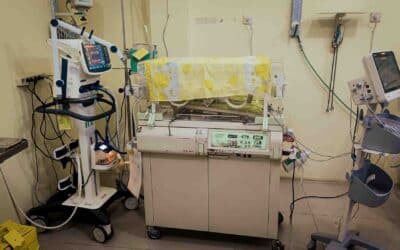
Fair Future and Kawan Baik Foundations delivers over 40 types of medical equipment to RSUD Waingapu, the only referral hospital for 800000 people in East Sumba. This life-saving donation strengthens neonatal, surgical, diagnostic, and emergency care.
Kawan Sehat Health Training
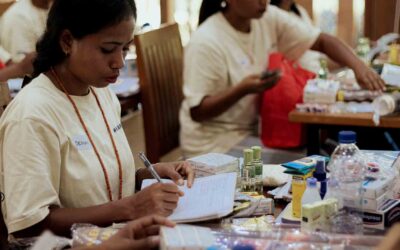
In May, 21 Kawan Sehat health agents completed intensive training in primary care. They now serve nearly 1,000 patients each month in remote Indonesian villages, offering medical treatment, prevention, and education where no doctors are available.