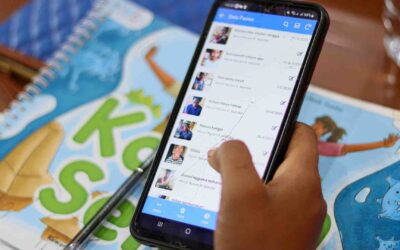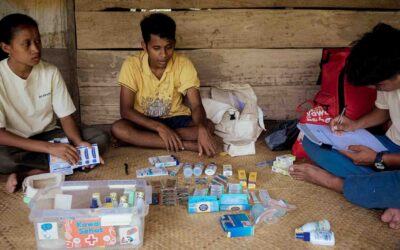


In ultra rural Indonesia, access to medical care depends on distance, roads, and signal. The Kawan Sehat Medical App was created to change that reality by enabling trained community health agents to deliver structured primary medical care without internet access, while generating reliable medical data for long term action.
After years of walking to find dirty water, villages like Laindatang, Hambarita or Mbinudita can now access clean water from community reservoirs they built themselves. Clean water reduces diarrhea, skin infections, and fear. This is a true reflection of dignity in daily life.
Donate
Support Care
Programs
All projects
Quick News
Field updates
Stories
Field stories
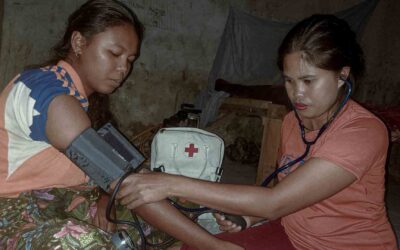
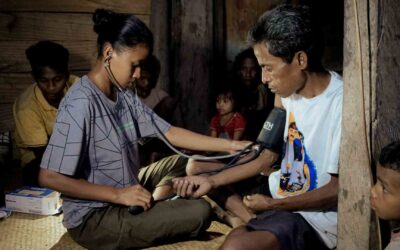
Health agents working directly with families to provide primary medical care where no clinics exist.
Kawan Sehat Ultra-Rural Medical Care in Eastern Indonesia
In eastern Indonesia, ultra-rural medical care depends on people who walk where vehicles cannot go. In regions cut off from roads, electricity, and doctors, Kawan Sehat health agents provide first-line treatment, prevention, and education. Their work fills the growing gaps left by under-equipped Puskesmas and overstretched hospitals.
Kawan Sehat MbinuDita health agents farewell East Sumba
In MbinuDita, Kawan Sehat health work began with two women and a backpack. After more than three years as the first call for fevers, wounds and malaria, Agustina and Ferias end their mission, return their equipment and help prepare new agents so village care grows from twenty to thirty trained workers.
Kawan Sehat health Agent day in Lahiru village Indonesia
In Lahiru, Kawan Sehat health workers Sarlota and Yosef wake with the sun, walk steep paths for water, farm the hillsides and open their house as a small clinic. This film lets you follow their routine of cooking, washing, treating fevers and wounds so neighbors in a remote village can stay on their feet.
Who are the Kawan Sehat health agents?
In this article you finally discover who are Kawan Sehat health agents, not as numbers but as people. Through portraits and short testimonies they explain who they are, where they live, the patients they care for and why they chose to become the first line of medical care in remote East Sumba hills every day.
Kawan Sehat health agents in remote Indonesian villages
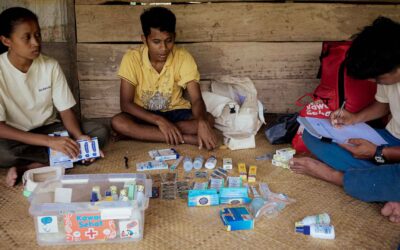
In the hills of East Sumba, Kawan Sehat health agents walk for hours to reach families who live far from any clinic or road. Equipped with a medical backpack and solid training, they treat fevers, wounds and malaria, document every case, and call our doctors when a life is in danger and transfer is possible.
Kawan Sehat wound care in remote villages saves lives
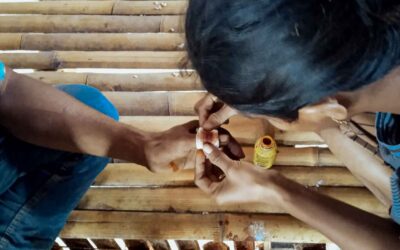
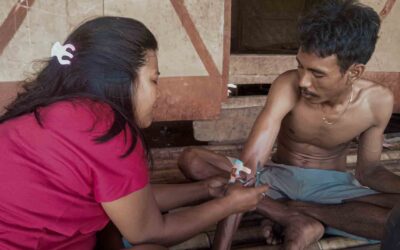
In this image Kawan Sehat wound care happens on a bamboo floor where clinics are days away. The agent irrigates, debrides if needed, applies a sterile dressing, checks tetanus, and teaches danger signs. Early care stops infection before it spreads to the blood. This is how primary medicine prevents funerals.
Kawan Sehat Rural Health Agents
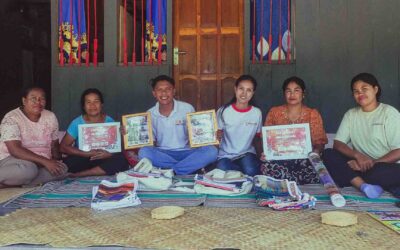
Kawan Sehat agents are trained women from rural villages who deliver medical care where no other system exists. Their work is vital, human, and lifesaving—guided by knowledge, trust, and compassion.
Primary Medical Care in Remote Areas
Primary Medical Care brings professional health services to isolated areas of Indonesia. Without clinics or doctors, we train agents, treat the sick, and deliver essential medicine and care, directly to the people.
What We Learn by Being There
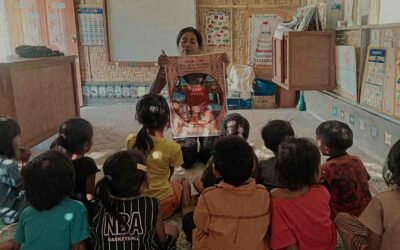
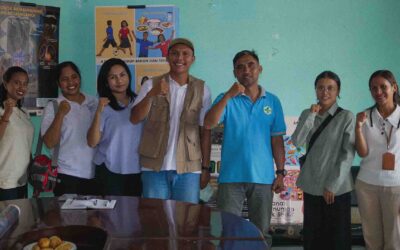
In May, 21 Kawan Sehat health agents completed intensive training in primary care. They now serve nearly 1,000 patients each month in remote Indonesian villages, offering medical treatment, prevention, and education where no doctors are available.
Erwin’s Journey Bringing Care
Erwin, the Field Coordinator of the Primary Medical Care programme, spends days crossing muddy roads, broken bridges, and steep trails to deliver medicines to Kawan Sehat agents. His work keeps remote East Sumba villages connected to lifesaving care, dignity, and trusted medical support.
Kawan Sehat Health Training
In May, 21 Kawan Sehat health agents completed intensive training in primary care. They now serve nearly 1,000 patients each month in remote Indonesian villages, offering medical treatment, prevention, and education where no doctors are available.