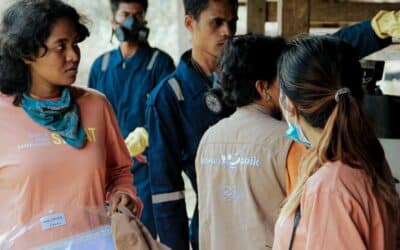

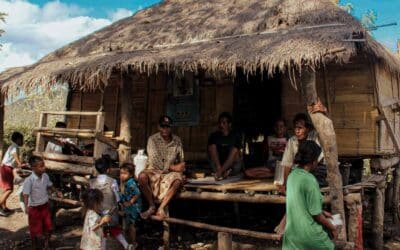
Lapinu is struggling to survive with no electricity, a lack of clean water, and children trekking difficult routes for unsafe supplies. Hear Ibu Ester’s heartfelt account of the daily challenges and illnesses they face. The Fair Future Foundation is initiating a clean water project because taking action is essential for their survival.
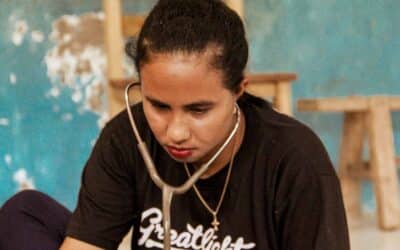
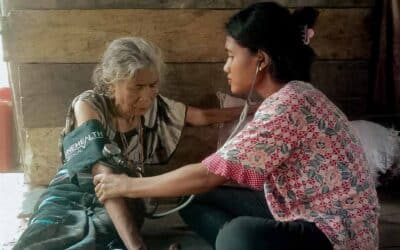
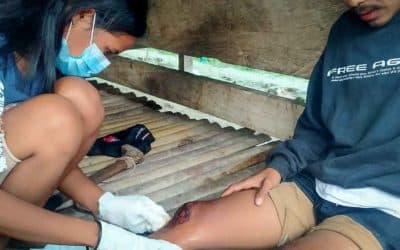
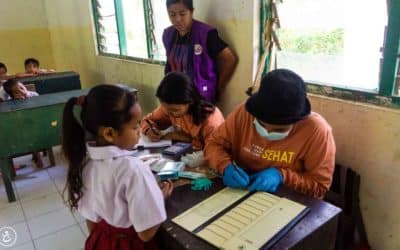
Through the Primary Medical Care program, Kawan Sehat health workers provide treatment for fevers, wounds, and malaria in villages lacking access to doctors. They carry essential medicines, adhere to established medical protocols, and refer emergency cases promptly to prevent delays in care.
Donate
Support Care
Programs
All projects
Quick News
Field updates
Stories
Field stories
Combating malaria through education, prevention, and direct medical care in high-risk areas.
Katrina’s 90-Second Plea for Clean Water in Lapinu
Katrina has spent three years as a Kawan Sehat health agent in Lapinu, battling an ongoing water crisis. Contaminated water fuels disease, sanitation is dire, and families struggle daily. In this 90-second testimony, she speaks of her village’s urgent need for clean water. Take action now!
Fair Future Launches New Malaria Research Project
Fair Future is allocating nearly 90M IDR (4,900 CHF) to study malaria in East Sumba, one of the most infected regions. This research will assess needs, understand disease spread, and involve communities in finding the best solutions. An essential step in the fight against this deadly disease. #ZeroMalaria
Primary Medical Care: 2024 Report Highlights
In 2024, Fair Future’s PMC Program significantly improved ultra-rural communities by offering essential healthcare services, education, and life-saving solutions. This initiative addresses the severe shortage of medical resources in remote areas with limited access to basic health facilities and trained personnel.
A Book That Saves Lives in Rural Areas
The training book serves as an invaluable resource, empowering rural health agents with crucial skills to handle...
Kawan Sehat Workers Treat Dozens of Cases Daily
The daily case load managed by Kawan Sehat health agents through the #PrimaryMedicalCare program is truly remarkable. Each day, they deliver crucial first aid services, saving lives and enhancing health for individuals who lack access to basic care. Visit our photo gallery to see the extraordinary efforts of these women and the foundation at work on site.
Radio Spots Raise Awareness of Infectious Disease Prevention
As part of our infectious disease prevention programs, we are producing audio spots broadcast on local and national Indonesian radio stations. These spots feature real-life scenes from rural families and are voiced by our doctors and collaborators. Filled with humor, they are highly effective in spreading awareness.
Kawan Sehat App Revolutionizes Rural Health Care Access
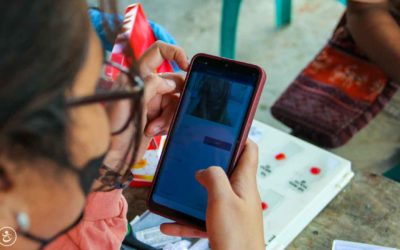
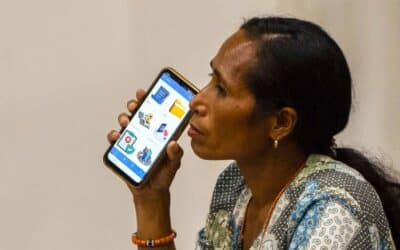
The Kawan Sehat app, developed by Fair Future, revolutionizes rural healthcare. It enables health agents in remote...
Zero Malaria Program Aims to Protect 1,450 individuals
Fair Future Foundation is developing a comprehensive Malaria Prevention Project for the Umalulu region. With a focus on prevention, education, IRS spraying, and detection, we aim to significantly reduce malaria rates and ensure long-term impact through local capacity building.
First Aid Kits Made from Recycled Materials Ready to Ship
We’ve created dozens of recycled-material bags, marked with the Red Cross logo, to carry life-saving medical supplies for Kawan Sehat health agents. These bags, filled with medicines, disinfectants, and medical tools, will be loaded onto the Truck of Life as we begin the third year of our #PrimaryMedicalCare program in East Sumba.
Pure Joy: Footballs Bring Smiles to Remote Sumba Children
The children of Haray, an extremely remote village in East Sumba, were so happy to receive footballs donated by our...
Local Impact: Fighting Malaria with Prevention and Care
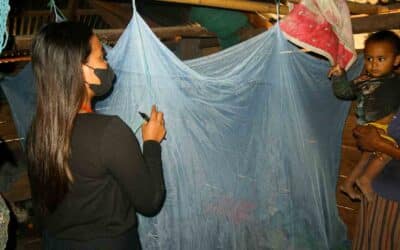
The Fair Future Foundation and Rotary International have launched the Zero Malaria Program to combat malaria in remote Indonesian regions. Our efforts include distributing insecticide-treated nets, conducting rapid diagnostic tests, and educating families on disease prevention. Each action taken is a step towards saving lives and creating better futures for everyone involved!