

In rural regions, disparities in health and wealth contribute to ongoing cycles of inequality. The Fair Future Foundation addresses these issues by offering clean water, healthcare services, and educational opportunities. Discover how we empower communities to escape poverty and build healthier, more promising futures.
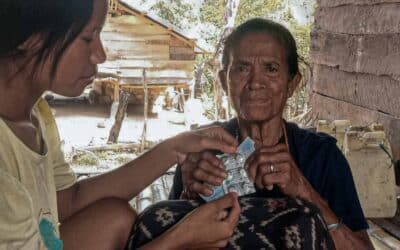
Through the Primary Medical Care program, Kawan Sehat health workers provide treatment for fevers, wounds, and malaria in villages lacking access to doctors. They carry essential medicines, adhere to established medical protocols, and refer emergency cases promptly to prevent delays in care.
Focusing on rural areas that lack essential services, to ensure every family has health, water, and opportunity.
Equity Through Clean Water and Healthcare
In rural areas, health and wealth disparities fuel inequality. Fair Future tackles this by providing clean water, healthcare, and education. Our programs empower communities to break the cycle of poverty and build healthier futures. Learn how we make an impact every day—join us in creating change.
Phase III: Laindatang Water Connections Report
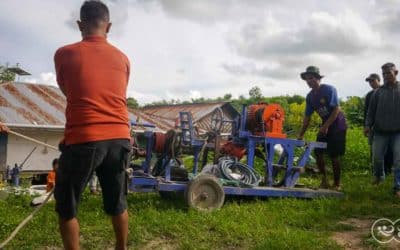
The Phase III Laindatang Water Connections report details nine months of dedicated work to address the water crisis in East Sumba. Despite facing numerous challenges, the community and Fair Future are committed to overcoming them and have proposed innovative plans for a 100m³ reservoir set to be constructed by 2025, guaranteeing sustainable access to clean water.
Education and Collaboration in Rural Gardens
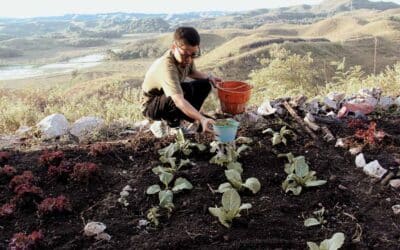
Fair Future is an innovative initiative aimed at uplifting rural communities by focusing on two fundamental needs: access to clean water and education. By providing these essential resources, we empowers communities to establish and maintain vegetable gardens, which serve as a cornerstone for improved nutrition and health.
A Book That Saves Lives in Rural Areas
The training book serves as an invaluable resource, empowering rural health agents with crucial...
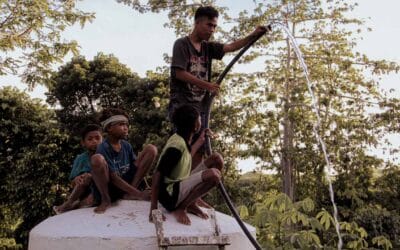
Children’s Joy: Clean Water Close to Home
Fair Future's Water Connections initiative is life-changing, delivering clean water to rural...
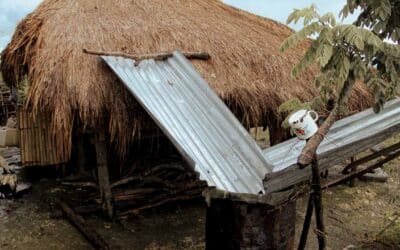
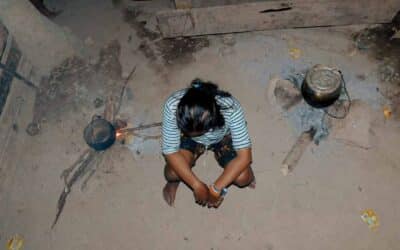
Families Fight for Clean Water Every Day
Families in rural areas encounter significant difficulties in obtaining clean and safe water,...
Preventing and Treating Dog Bites in Remote Areas
Dog bites can be prevented and managed effectively with the proper knowledge. Discover methods for cleaning wounds, controlling bleeding, and obtaining medical care to avert serious infections such as rabies. By learning about dog behavior and encouraging safe interactions, we can safeguard communities in remote regions.
Rising TB Cases: Causes and Solutions
Tuberculosis cases are increasing in ultra-rural communities in eastern Indonesia, due to inadequate living conditions, limited access to healthcare, and malnutrition. Learn more about the disease, how it is transmitted, and Fair Future’s efforts to provide education, early detection services, and treatment support to those affected.
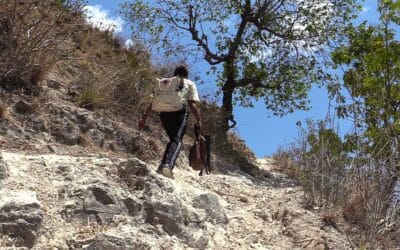
Kawan Sehat: Vital Medical Care in Tough Terrain
Rambu Veronika, a health agent with Kawan Sehat, courageously navigates steep and hazardous trails to deliver essential medical care to the remote villages of East Sumba. Her commitment underscores the remarkable efforts of volunteers who save lives daily despite challenging conditions.
Introducing #MediRider: Supporting Rural Healthcare Access
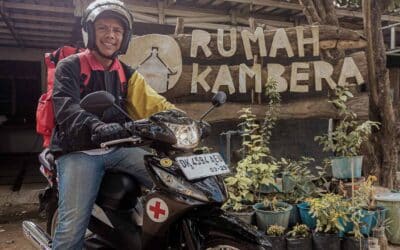
#MediRider: Erwin, our field coordinator, replenishes the medical backpacks of Kawan Sehat agents with essential supplies such as medications, dressings, and disinfectants. Riding a Revo scooter, he transports these resources to remote villages so health agents are equipped to provide treatment and save lives. An indispensable element of #PrimaryMedicalCare!
Risks of Antibiotic Overuse and Resistance Explained
The global misuse and overuse of antibiotics have turned common infections into formidable challenges. Fair Future is addressing this crisis by empowering ultra-rural communities through education, improved hygiene practices, and enhanced medical access. By working together, we can mitigate this threat and safeguard future generations.