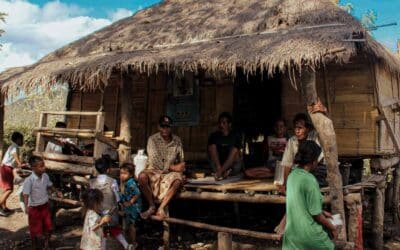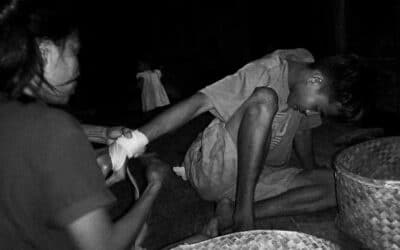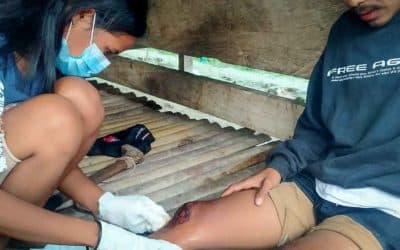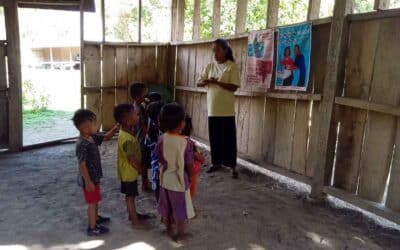


Health systems often function in cities and district hospitals but stop before reaching the most remote villages. Distance, weak infrastructure, limited staff and governance failures leave rural populations without care. Community health agents and primary medical care programs help bridge this gap.
We have compiled a list of articles and pages for this topic
The Fair Future Foundation in East Indonesia combats social and medical injustice and aims to ensure everyone has access to healthcare, clean water, and education. Join us in making a difference.
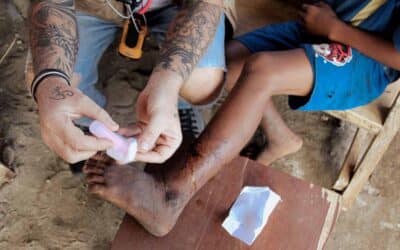
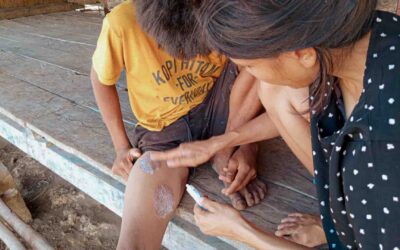
Addressing skin diseases caused by poor hygiene and lack of clean water through education and treatment.
Preventing and treating dog bites in remote areas
Dog bites can be prevented and managed effectively with the proper knowledge. Discover methods for cleaning wounds, controlling bleeding, and obtaining medical care to avert serious infections such as rabies.
Skin infection prevention in rural Indonesia
Skin infections are not cosmetic. In ultra rural areas, small cuts, insect bites, or scratched skin can quickly become dangerous infections. Heat, dirty water, and delayed care increase the risk. Early cleaning and simple prevention save lives every day in the field.
Extreme heat health risks in ultra-rural care
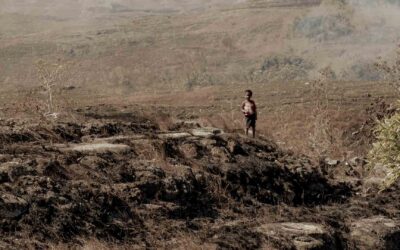
Extreme heat is not just weather in ultra-rural communities. It is a medical risk that worsens dehydration, malnutrition, and infections. From the field, we see how simple actions and early recognition of heat illness save lives every day.
East Sumba’s Pest Crisis Threatens Health and Environment
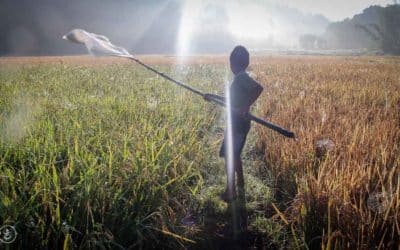
For over five years, East Sumba has been battling a relentless pest infestation that devastates crops and poses severe threats to human health, psychological well-being, and environmental integrity. This crisis demands immediate, sustainable solutions to protect the affected communities and restore ecological balance.
Lapinu Water Crisis: Watch Ibu Ester’s Emotional Story
Lapinu is struggling to survive with no electricity, a lack of clean water, and children trekking difficult routes for unsafe supplies. Hear Ibu Ester’s heartfelt account of the daily challenges and illnesses they face. The Fair Future Foundation is initiating a clean water project because taking action is essential for their survival.
A Book That Saves Lives in Rural Areas
The training book serves as an invaluable resource, empowering rural health agents with crucial skills to handle...
Sharing Life-Saving Medical Advice Online and Offline
The Primary Medical Care program focuses on disseminating medical guidance. We offer straightforward, practical advice to Kawan Sehat agents, who then relay it to rural communities. Now, we’re also sharing this information on Instagram (@fairfuturefoundation) and our website. These tips have the potential to save lives—help us spread the word!
Kawan Sehat Workers Treat Dozens of Cases Daily
The daily case load managed by Kawan Sehat health agents through the #PrimaryMedicalCare program is truly remarkable. Each day, they deliver crucial first aid services, saving lives and enhancing health for individuals who lack access to basic care. Visit our photo gallery to see the extraordinary efforts of these women and the foundation at work on site.
Kawan Sehat Health Agents: Lifesaving Work in Rural Areas
Kawan Sehat health agents deliver essential medical care in remote regions where healthcare access is unavailable. Armed with new medical kits, they provide vital first aid, treat common illnesses, and work to prevent infections in vulnerable communities.
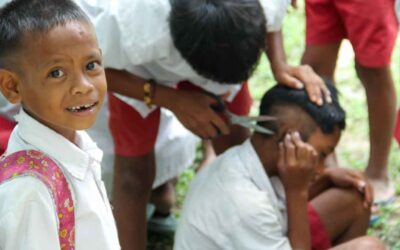
Haircuts & Hygiene: Kids in Ultra-Rural Laindatang
In the rural area of Laindatang, children use one pair of old scissors to cut each other’s hair as part of our hygiene initiative. This teaches them self-care skills and brings joy despite the challenging conditions.
Discovering Local Food Resources for Healthier Lives
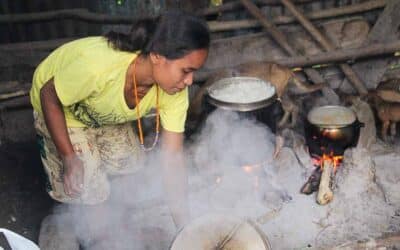
Fair Future actively supports ultra-rural communities with limited access to a diverse diet by raising awareness about local food resources. Our nutritionists teach families how to identify and prepare wild plants, fruits, and vegetables that are highly nutritious. Our programs contribute to child health, family resilience, and community building, while promoting sustainable living practices in areas where clean water and access to food are lacking.