

Acting Now


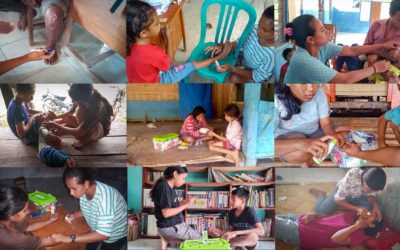
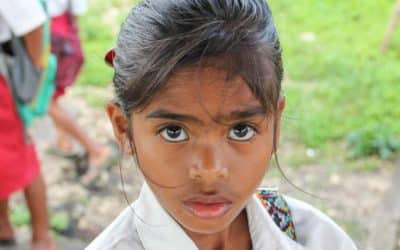
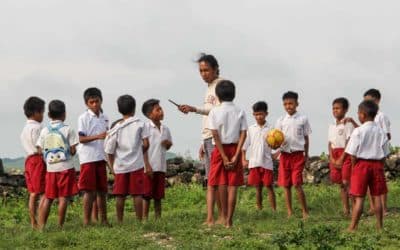
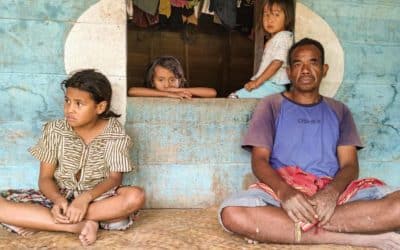
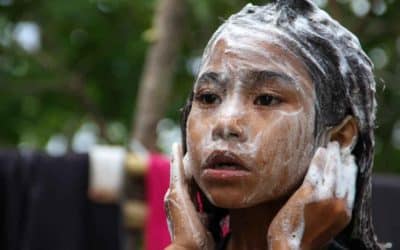
Thousands of children monitored for health and nutrition

Every action counts—support us today
Select Page


Donate

Support Care

ï‚ź

Programs

All projects



Quick News

Field updates

ï“ż

Stories

Field stories

Women, children and water at home

Women, children and water at home

Indonesian women play a vital role in water management due to their traditional responsibilities of collecting water, cooking, cleaning and raising children. These women from these ultra-rural areas of eastern Indonesia are strong. They represent tremendously well the strength and the courage it takes to survive here in this vast country. To fend for themselves most of the time, without the help of others, to meet the family’s most basic needs. Therefore, empowering women to increase water security is essential in the regions where we work. With climate change affecting water sources, it is vital to ensure that women are involved in water management decisions. This allows (we see this every day) families and local communities to improve their incomes and the health of family members, including their children.

read more
A Lifetime work: Collecting water for the family

A Lifetime work: Collecting water for the family

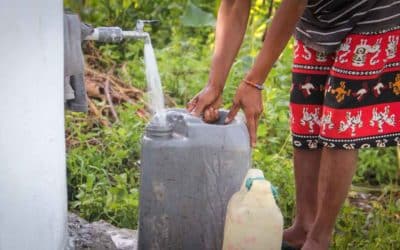
When there is no water on-site, and you have to fetch it, it is mainly women and young girls who take up their time and miss out on opportunities.

For women, the opportunity costs of water collection are high and have far-reaching implications. Having to fetch water drastically reduces the time they can spend with their families and care for their children, do household chores or even enjoy hobbies. For both boys and girls, collecting water can interfere with studies, sometimes even preventing them from going to school altogether.

Collecting water can harm the health of the whole family, especially children. If there is no access to water at home, even if the water comes from a safe source, the fact that it is transported and stored increases the risk that it will be contaminated with faeces before it is used. 

Water Connections: Our teams are changing that; for years, we have been designing, manufacturing and supplying water connections to villages in ultra-rural regions. Fair Future improves life for tens of thousands of people.

read more
Primary Medical Care in Rural Areas – The book

Primary Medical Care in Rural Areas – The book

“The first step when there is no doctor” includes fourteen modules of theoretical training and practical exercises explaining how to act in the event of a medical emergency. It is intended for teachers in rural schools of East Indonesia.

This book was entirely produced by the Fair Future and Kawan Baik foundations. It is based on the book "Where There Is No Doctor" by David Wegner.

From now on, it serves as a reference work for the training of teachers in the rural areas of eastern Indonesia. This book includes all the information on prevention, patient care, first aid and how to treat a wound, burn or bite. He learns to give essential drugs, cardiac massage and all the gestures that save a life.

You can see the work done by the foundation's medical teams here in the .PDF version we make available. Everything has been translated, revised, corrected and adapted to specific local compartments.

read more
List of drugs we need to buy

List of drugs we need to buy

To make it simple and short, we urgently need a lot of medicines (see the list attached in the post) and sanitary equipment such as antiseptics, dressings and other small miscellaneous equipment. Indeed, friends, all our stocks are almost finished because we have prescribed or used everything, which is a good thing. On the other hand and from tomorrow, we can no longer treat patients except for simple problems that do not require medical treatment.

read more
Primary medical care training for 60 teachers

Primary medical care training for 60 teachers

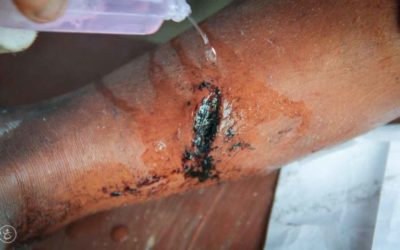
Whether a minor skin injury or a severe life-threatening injury, all types of damage should be treated with first aid on the spot without delay, as it may save a life or a limb. Teachers in the poorest and most rural areas learn this with Fair Future’s medical teams. Since November 2022, Fair Future Switzerland has taken a new step in the primary medical care program for children in ultra-rural areas here in East Sumba. The first two training modules for rural school teachers took place during the second week of December. It was a considerable success since more than sixty teachers were present for this first session.

read more
Primary Medical Care Training with the Bupati of Sumba Timur

Primary Medical Care Training with the Bupati of Sumba Timur

The Regent is a good friend of the foundation; we have worked together for more than two years. Moreover, he is a personal friend of Alexandre Wettstein, the CEO of Fair Future. 

As their plane from Kupang had just landed, the Regent and his wife came directly to visit us in the classroom. It was a great joy for us, as for all the teachers who took part in this first training day. A real honour too.

We could hear Khristofel Praing and his wife speak about this program with eloquent and laudatory words. The Regent told us that this program is sensational and beneficial. Indeed, as we have already explained, access to primary medical care here is almost impossible in eastern Indonesia's most rural and isolated regions.

In this image and from left to right are present: Ayu, Laras, Alex, Khristofel Praing and his wife, secretary general of the PKK Sumba Timur.

read more
Clean water and healthy toilets for the first time

Clean water and healthy toilets for the first time

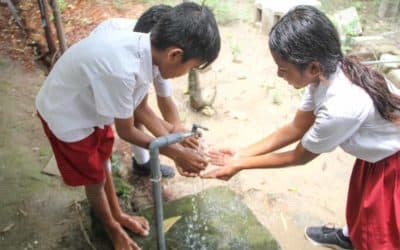
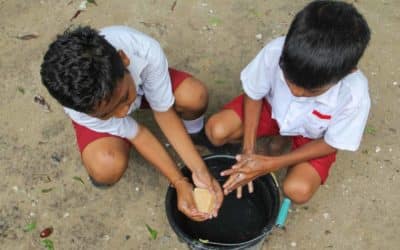
Clean and healthy water is distributed almost everywhere now here in Mbinudita, East Sumba. This clean and healthy water supplies more than thirty reservoirs and twenty healthy sanitary facilities. All for the benefit of more than 2,500 people, nearly 65% of whom are children.

People are happy, and It's a significant change in their life. They also have to get used to living with clean water to change their habits. Imagine: Having lived a life without having access to toilets, without having access to clean water, and being constantly sick… You have to get used to feeling better now and having more time for yourself. Change your habits? This is where the most significant challenge lies.

read more
×