

The Fair Future Foundation is on the verge of a significant breakthrough in healthcare for rural Indonesia. We are only CHF 1,500 away from funding a portable ultrasound machine that has the potential to revolutionize medical care in remote regions. It’s not just a piece of equipment; it’s a source of hope, health, and life. Your donation could be the one that pushes us over the finish line. Join a movement that is making advanced healthcare accessible to those who need it the most. Every contribution, no matter how big or small, has the power to change lives.
Empowering Ultra-Rural and Marginalized Communities
Fair Future Foundation is dedicated to empowering ultra-rural, isolated, and marginalized communities by providing essential resources for self-reliance and sustainable development, including clean water, healthcare, vocational training, and economic independence. Through close collaboration, we aim to drive enduring change and ensure communities can thrive independently.
The Empowerment category documents initiatives that strengthen individual and community capacity to improve health, autonomy, and resilience in ultra-rural settings. Articles describe how education, skills training, and community-led actions support informed decision-making, safer behaviors, and improved access to resources. These approaches align with WHO social determinants of health, recognizing empowerment as a critical factor in reducing vulnerability and sustaining health gains. By reinforcing local skills and participation, this category highlights how empowered communities are better equipped to protect their health and adapt to long-term challenges.
Building Self-Reliance and Sustainable Development for Lasting Change
Delivering Medical Supplies in East Indonesia
Embark on a remarkable odyssey with us, as we navigate the challenging terrain of East Indonesia to deliver vital medical supplies to Rumah Kambera using the #TruckOfLife. Explore the gripping narrative of our journey, filled with moments of adversity and resilience, and gain insight into the crucial mission we undertake in these remote regions. Together, we stand as a beacon of hope, making a tangible impact in the lives of those who need it most.
PrimaryMedicalCare, Transforming Healthcare in Ultra-Rural Areas
In the heart of East Sumba, Fair Future Foundation’s PrimaryMedicalCare program emerges as a beacon of hope, revolutionizing healthcare access. This initiative is not just about delivering medical services; it’s about empowering local women, building resilient communities, and pioneering a sustainable healthcare model that could inspire change far beyond Indonesia’s borders.
Donate Now: Portable Ultrasound Device for Rural Areas
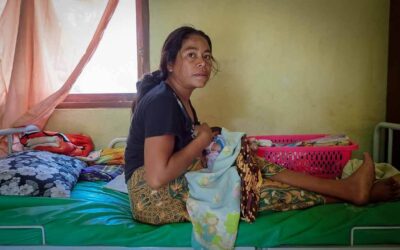
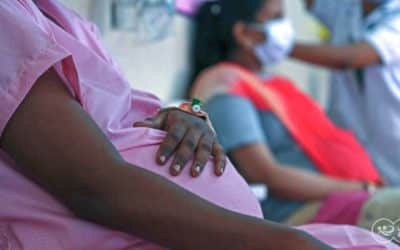
Transform lives today by supporting Fair Future Foundation’s critical mission in ultra-rural Indonesia. Your generous donation funds portable ultrasound scanners, ensuring pregnant women receive the vital care they deserve. This isn’t just a donation; it’s a pledge for safer pregnancies and a stronger future. Act now—every contribution is a step towards saving lives and empowering communities.
Eastern Indonesia’s Teachers Become First Responders in Critical Rural Healthcare
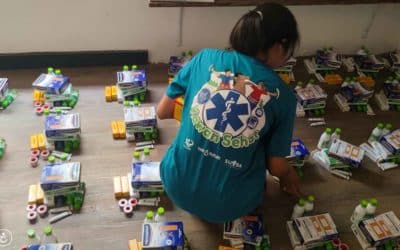
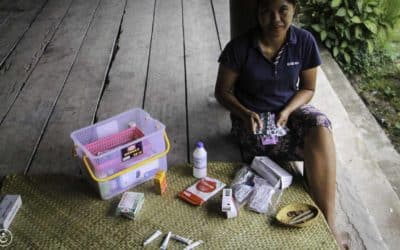
In ultra-rural eastern Indonesia, the idea of prompt medical care is often a distant dream. Enter Fair Future’s Kawan Sehat agents—a team of over 60 women transforming this grim reality. Equipped with first-aid essentials and life-saving drugs, they’re not just healthcare providers; they’re community saviors
Transforming Rural Healthcare Through Local Teachers
In Eastern Indonesia’s most isolated regions, the closest hospital might as well be on another planet. Who then comes to the rescue? Not medics from distant cities, but local teachers. Trained by Fair Future, these teachers transform into frontline health agents, acting as the first line of defense against life-threatening diseases like malaria, tuberculosis, and polio. This isn’t the future; this is now. Join us in this radical shift in community healthcare.
Breaking Water Barriers for Women and Girls in East Sumba
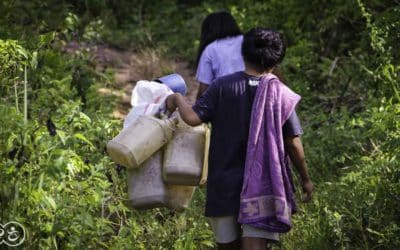
In this news "Picture of the Day", under the terrible heat of East Sumba, a mother and her daughter trudge forward, carrying five empty jerry cans. Their feet tread on arid ground, strewn with stones and brush. The day started a few hours ago and the journey is far from over. They have travelled more than five kilometres on foot and have as much ahead of them to reach their destination: Kullups, holes dug by hand in the rock of a hill. (Ref. Read this article here)
In this part of the world, kullups are more than mere rainwater reservoirs; they represent a vestige of human ingenuity against near-chronic water scarcity. Rainwater, channeled by soil and rock, seeps in to feed these small stone basins at the foot of a hill. It's a source of life, but also a source of heart-wrenching dilemmas. For every precious drop, there is a hidden cost, measured not in money but in lost opportunities, compromised health, and uncertain futures.
Consider the mother. Each trip for water represents hours when she can't work, maintain her home, or care for her family. What about her daughter? With every step she takes toward the kullup, she moves further from an education that could unlock doors to a better future. The thirst for learning is there, but it is weighed against a more immediate, more vital thirst.
Against this backdrop, the teams from Fair Future and Kawan Baik step in, armed with the will to make a difference and the tools and expertise needed to do so. The #WaterConnections program doesn't merely supply water; it aims to redefine these communities' relationship with this essential resource. By installing water collection and filtration systems, educating on hygiene best practices, and encouraging community participation, Fair Future and Kawan Baik aim to break the vicious cycle of poverty and disease.
Waterborne diseases like Malaria, Dengue, diarrhea and cholera are commonplace in these areas. But their impact doesn't stop at the individual. A sick mother cannot provide for her family. A sick daughter cannot attend school. And a cycle of suffering and poverty perpetuates, generation after generation.
The work of Fair Future and Kawan Baik isn't completed in a day or even a year. It's a long-term commitment, an investment in the future of these communities. But every installed water system, every educational session, and every assisted family represents a step toward a future where this mother and daughter won't have to choose between the present and the future, between thirst and the thirst for learning.
In a world where clean water is often taken for granted, it's easy to forget that for some, it's a luxury that comes at a high price. By working on the ground alongside those who live this reality every day, Fair Future and Kawan Baik remind us that behind every drop of water, there's a human story, a struggle, and an opportunity for change.
Alex Wettstein – Fair Future Foundation medico-social camp in East Sumba – Rumah Kambera, Lambanapu, 17th of October, 2023.
Rambu Mirna’s Battle: Fight against malaria in East Sumba’s Remote Areas
Embark on a profound journey alongside Rambu Mirna as she courageously battles malaria in the heart of remote East Sumba, where healthcare is a distant dream. Dive into the remarkable story of resilience and hope, and discover how Fair Future Foundation’s #ZeroMalaria initiative is not just saving lives but also transforming entire communities. Join us in this life-changing narrative of overcoming adversity and restoring futures in the most isolated corners of Indonesia.
Access to clean water is vital for human health
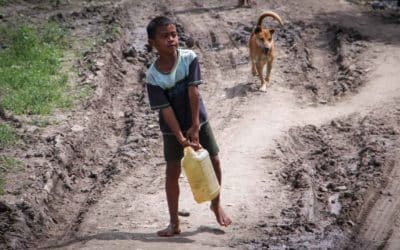
This "Picture of the Day" shows young children's struggles in East Sumba. The jerry cans are heavy and sometimes more prominent than the children themselves. With limited access to drinking water sources, the kids who live there (here in these images in the villages of Kabanda, Mahu, Laindatang, and Tana Mbanas) are forced to walk long distances to fetch water. Water in rivers or wells which are also contaminated. It takes up a lot of their time and puts them at risk of injury or illness by carrying heavy loads of water. Lack of access to clean water also contributes to poor hygiene and sanitation practices, further compounding the health problems of those East Sumba communities where Kawan Baik and Fair Future work so hard. Together, we are taking action to improve access to clean water sources, in these areas where no roads lead, to ensure the health and well-being of young children and their families. In addition to the physical hardship of fetching water, and as explained in this post, children in rural areas of East Sumba are often deprived of education and other opportunities because of this task. It is widespread (like in this picture of the day) that they miss school or other activities to help collect water, which affects their academic progress and social development.
Here people mainly only have access to contaminated water. This leads to many diseases, including gastrointestinal infections, skin diseases, parasitic diseases and other infectious diseases such as Malaria, Dengue Fever, Cholera, typhoid fever, hepatitis A or diarrhoea. Children and the elderly are particularly vulnerable to illnesses caused by contaminated water, a significant cause of infant mortality here.
In conclusion, ensuring access to clean water through a program like the #waterconnections project is our top priority that cannot be overlooked. Access to clean water is essential to sustaining life and maintaining good health for everyone here. Water plays a vital role in preventing the spread of the diseases mentioned above, ensuring people can lead healthier lives. Whether for drinking, cooking or cleaning, clean water is essential for everyday life. Without access, communities in the ultra-rural areas of East Sumba suffer from a lack of sanitation and hygiene, leading to various health problems.
Therefore, we must do everything we can to ensure that clean water is available to everyone who needs it.
Medical care for children affected by Malaria
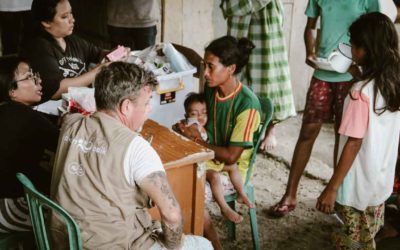
In this "Picture of the Day", Fair Future and Kawan Baik medical teams provide medical care to a child most likely affected by Malaria. He is less than two years old and has a fever of 40.6. Her symptoms fit this diagnosis of Malaria. We give him appropriate primary medical care to reduce his fever as quickly as possible. Then he will go for treatment tomorrow at the nearest health centre, more than three hours from the village.
Malaria is a severe public health problem, especially in the ultra-rural and impoverished areas where Fair Future and Kawan Baik Foundations work so hard. Malaria is a life-threatening disease caused by the Plasmodium parasite is transmitted to humans through the bites of infected female Anopheles mosquitoes. Children under five and pregnant women are also particularly vulnerable to Malaria, as their immune systems are less developed and may have more difficulty fighting infection. People suffering from chronic illnesses are also vulnerable (HIV, Hepatitis, malnutrition, etc.)
Ultra-rural and poor areas such as East Sumba are particularly vulnerable to the spread of Malaria due to factors such as lack of water or contaminated water, deplorable housing conditions, lack of access to healthcare health and preventive measures, inadequate sanitation… Moreover, here we do not have antimalarial drugs nor rapid tests to detect the disease. This makes our treatment and prevention work very difficult.
PMC program evaluation in Lapinu
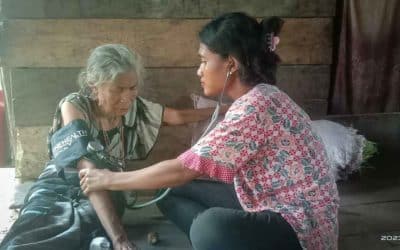
These women linked to the PMC program devote part of their lives to saving others. These unsung heroines work tirelessly to keep people from the danger of illness and injury. They put their lives on the line to ensure others can live to see another day. Teachers trained in primary medical care, these women are the backbone of these ultra-rural communities in East Sumba. They exemplify true bravery and selflessness, and we are eternally grateful for their service. Therefore, we express our deep gratitude to all women who save lives. Thanks for what you’re doing for the others.
PMC program evaluation in Kabanda
Kabanda is genuinely one of the most isolated I have ever seen. Getting it is difficult, even dangerous, at times. No road leads to this village; only extremely steep or steep stony paths allow us to go there. It took us over six hours to get there, including four hours of absolute terrain with the Truck of Life, a 4×4 medical truck specially designed for this journey. Kabanda is no exception; so many villages are in the same situation: That is to say, they have no road leading there. This raises – among other things – the question of access to health care, of course. And it is for these types of communities that Fair Future exists, and together with our friends from Kawan Baik, Sumba Volunteer and Charis Foundation, we have created this primary medical care program.