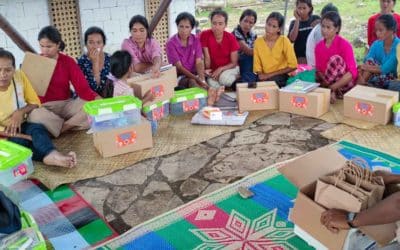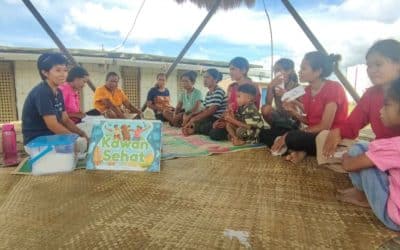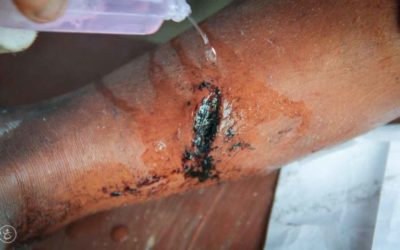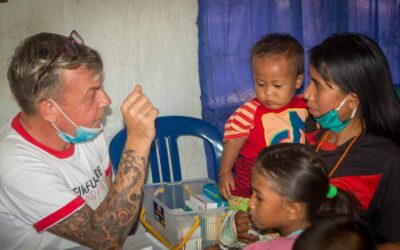


Non-professionals who give medical care and medicine to people, sick children, and injured. They do so through a unique and innovative medical care program. Because here, there are no doctors, no health centre, or else too far away. No one has a vehicle, and the roads that lead to these villages are often impassable. This program saves and preserves the lives of children as well as adults. Today, we are in Mbatapuhu.
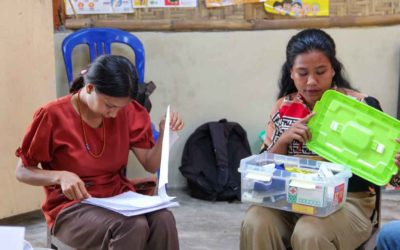
Malaria continues to pose a daily threat in this area. Through Kawan Against Malaria, we monitor cases, test all fevers, protect homes, and educate families. The use of bed nets, spraying, and prompt treatment turns statistical data into lives that endure quietly, rather than ending prematurely.
Donate
Support Care
Programs
All projects
Quick News
Field updates
Stories
Field stories
Empowering Ultra-Rural and Marginalized Communities
Fair Future Foundation is dedicated to empowering ultra-rural, isolated, and marginalized communities by providing essential resources for self-reliance and sustainable development, including clean water, healthcare, vocational training, and economic independence. Through close collaboration, we aim to drive enduring change and ensure communities can thrive independently.
The Empowerment category documents initiatives that strengthen individual and community capacity to improve health, autonomy, and resilience in ultra-rural settings. Articles describe how education, skills training, and community-led actions support informed decision-making, safer behaviors, and improved access to resources. These approaches align with WHO social determinants of health, recognizing empowerment as a critical factor in reducing vulnerability and sustaining health gains. By reinforcing local skills and participation, this category highlights how empowered communities are better equipped to protect their health and adapt to long-term challenges.
Building Self-Reliance and Sustainable Development for Lasting Change
Evaluation of 8 Kawan Sehat agents, in Mbinudita
In the village where it all started for us: The #rebuildmbinudita program is the construction of a school, and the construction of a drinking water network for more than 2700 people, 60% of whom are children under 12 years old . It is really the (re)construction of an entire village or learning to live healthier, healthier all together, within the framework of the creation of innovative programs. Access to primary medical care is part of this program here in Mbinudita and it is only natural that we have included it in this Care program.
PMC program pre-assessment in Mbinudita
Fair Future teams examine and investigate more than two hundred cases of various illnesses or injuries treated under the primary medical care program by health workers. We also take stock of what will happen next week to accurately assess the supply of new equipment, drugs and medical devices. We also tell them that three will be part of a “test” screening program for high blood pressure and, in this case, the “prescription” of treatment and an appropriate medical procedure.
On-site Primary Medical Care Program Assessment
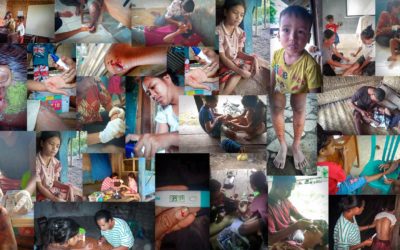
This primary medical care program in ultra-rural areas, which we initiated and started last year, is extraordinary, it saves lives. Since December 2022, the participants in the primary medical care program – who are the village teachers – have been providing first aid to children and villagers. They treat wounds, diseases, malaria, dengue fever. Images taken by teachers in their villages.
Teachers provide primary medical care
The magic of this "Primary Medica Care" program? It's just that it's unique in the world and it works. The first batch of sixty teachers who have followed the training in primary medical care in rural areas, tell us about their "exploits" and their work as rescuers. They take confidence in themselves it is the most important, and we note it. Medical care is given to children of sick or injured adults. Lives are being saved.
Malaria outbreak in East Sumba, Indonesia
Malaria is one of the most severe public health problems in the world. Here in Indonesia, and especially in the eastern regions, it is one of the leading causes of death and disease. Children under five years old and pregnant women are the most affected groups. The problem in East Sumba is the staggering rate of cases affecting families and the anti-malaria drugs that are unavailable or too expensive.
Strong women representing a strong nation
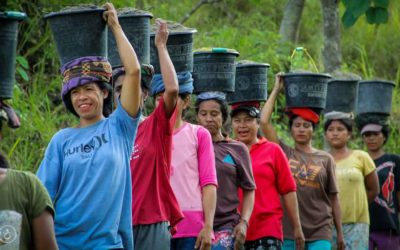
These women play a major role in the rural economy of their village. They are the ones who transport sand for the construction of a new drinking water reservoir on the Mbinudita site. They sing traditional songs to give themselves courage, because it takes a lot. They are the ones who are in charge of helping us, in what is certainly the most difficult work. Yes, strong women represent a strong nation.