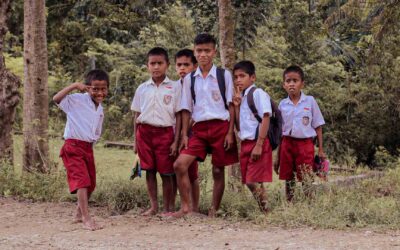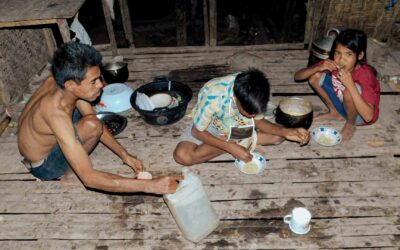


In remote Indonesia, children still grow up without reliable vaccination. Preventable diseases return not because medicine has failed, but because health systems stop too early, leaving families exposed to infections we already know how to prevent.
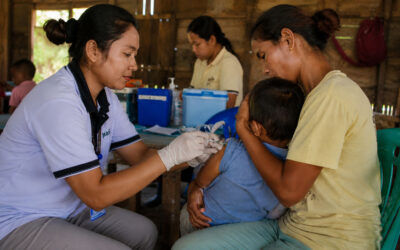
Since 2008, we have prioritized the health of everyone, especially children.
Fair Future is revamping healthcare for children in ultra-rural Indonesia. Our comprehensive programs address preventable diseases and maternal health, aiming to cultivate a generation that thrives in good health. Join us in our mission.
The Child Health category focuses on protecting and improving the health of infants and children living in ultra-rural environments with limited access to care. Articles address preventable diseases, growth monitoring, nutrition, hygiene, and early management of common childhood illnesses. Interventions follow WHO child health guidelines, combining primary medical care, prevention, and caregiver education. This category documents how timely care, vaccination, and basic health monitoring reduce child morbidity and mortality, strengthen families, and support healthy development under real field conditions.
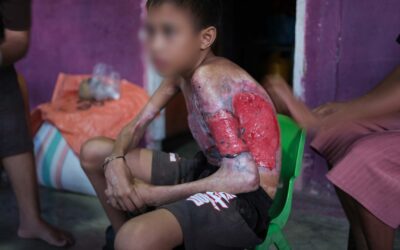
Third-Degree Burns Indonesia | Umbu Needs Burn Care
Umbu, 14, has lived for eight months with third-degree burns Indonesia should never leave untreated. In East Sumba, delayed care means chronic wounds, severe pain, malnutrition and lost mobility. He needs food, dressings, medicine, physiotherapy, reconstructive surgery and safe transfer now.
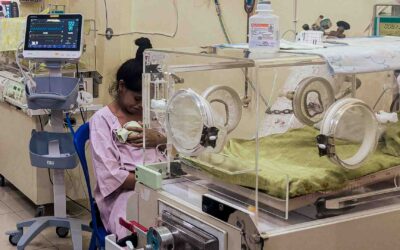
Child Marriage Indonesia | Adolescent Pregnancy Crisis
Child marriage adolescent pregnancy in rural Indonesia exposes young girls to severe medical risks including prematurity, anemia and maternal mortality. In East Sumba, lack of prevention and limited healthcare access turn early pregnancy into a daily clinical emergency.
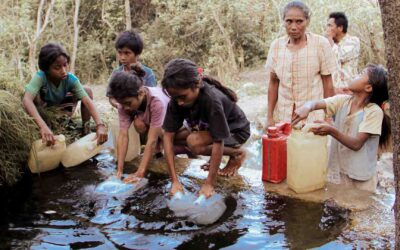
Unsafe Water Childhood Diarrhea Indonesia | Health Crisis
Unsafe water remains a major driver of childhood diarrheal diseases in rural Indonesia. Contaminated rivers, poor sanitation, and plastic pollution expose children to infection, dehydration, and malnutrition. Improving access to clean water and hygiene education is essential to protect child health.
Rubella in Indonesia | 11,094 Measles Cases, 72 Deaths
Rubella in Indonesia remains a serious rural health threat. After 11,094 confirmed measles cases and 69 deaths in 2025, continued transmission in 2026 highlights low MR coverage, weak surveillance, and the ongoing risk of congenital rubella syndrome in remote districts.
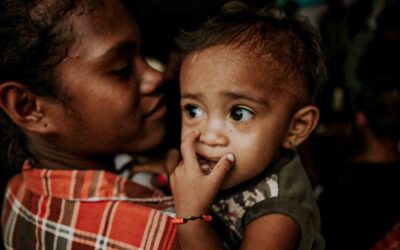
Malnutrition Is an Infection Multiplier | Child Immunity
Malnutrition is an infection multiplier in East Sumba, where one child in three faces growth delay. Undernutrition weakens cellular immunity, increases infection severity, and turns common illnesses into life-threatening complications. Restoring nutrition means restoring immune defense and survival.
Skin infection prevention in rural Indonesia
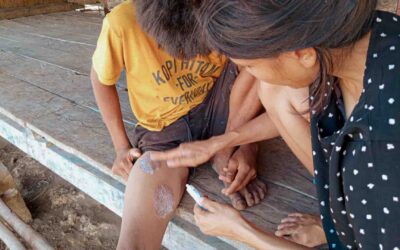
Skin infections are not cosmetic. In ultra rural areas, small cuts, insect bites, or scratched skin can quickly become dangerous infections. Heat, dirty water, and delayed care increase the risk. Early cleaning and simple prevention save lives every day in the field.
SolarBuddy lamps Matawai Katingga protect child health
In Lapinu, an isolated village in Matawai Katingga, SolarBuddy lamps Lapinu children change daily life. Without electricity or clean water, evenings meant smoke, kerosene and darkness. Our joint teams from Fair Future and Kawan Baik bring light as a medical tool, to protect lungs, eyes and learning
Blood Donation in Rural Indonesia
In Indonesia’s remote villages, giving blood can be the only available emergency care. A single donation may save the life of a mother, child, or accident victim. In places without hospitals, your blood is their hope.
Why We Keep Getting Sick
In Laindatang, a child asked why he and his family are always sick. The answer lies in the water: diarrhea, typhoid, skin infections, hepatitis A. Fair Future fights back with clean water and frontline medical care.
Secondhand Smoke Is a Public Health Crisis
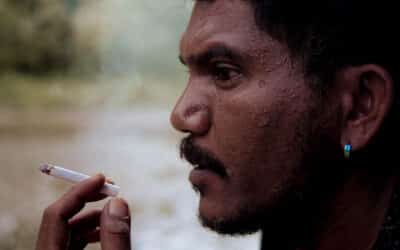
Secondhand smoke is a health crisis. In Indonesia, millions inhale it daily without choice. Children, pregnant women, and workers are paying with their lives. Clean air must become a right, not a privilege.
Education as Health in Rural East Indonesia
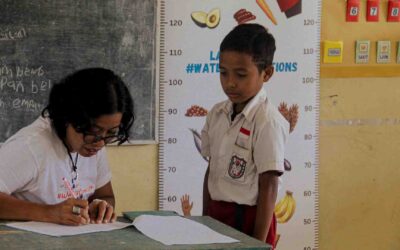
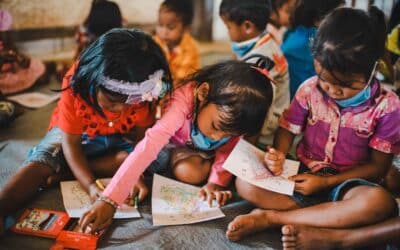
In remote areas of East Indonesia, every lesson is a shield. Schools are not just for learning—they’re places of care, protection, and disease prevention for children and their families.