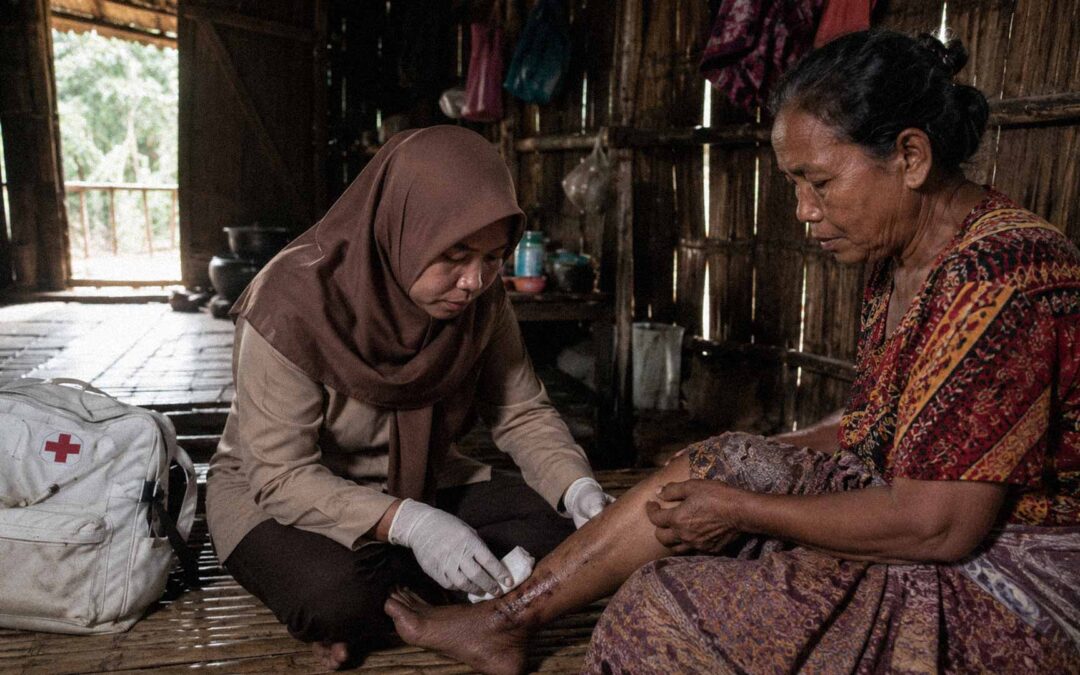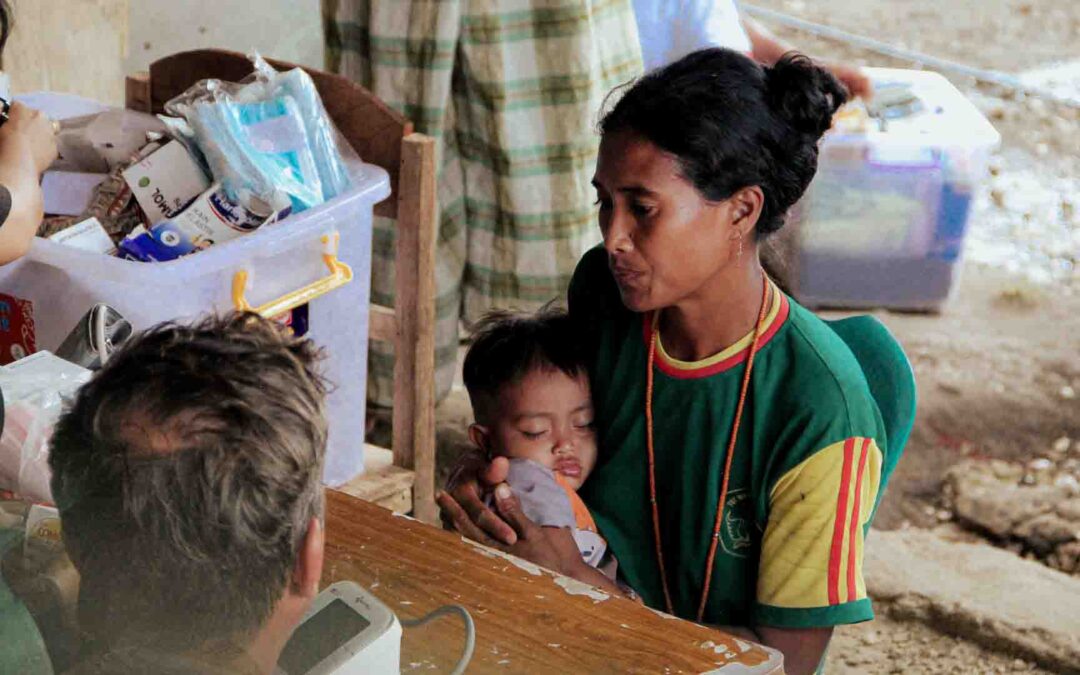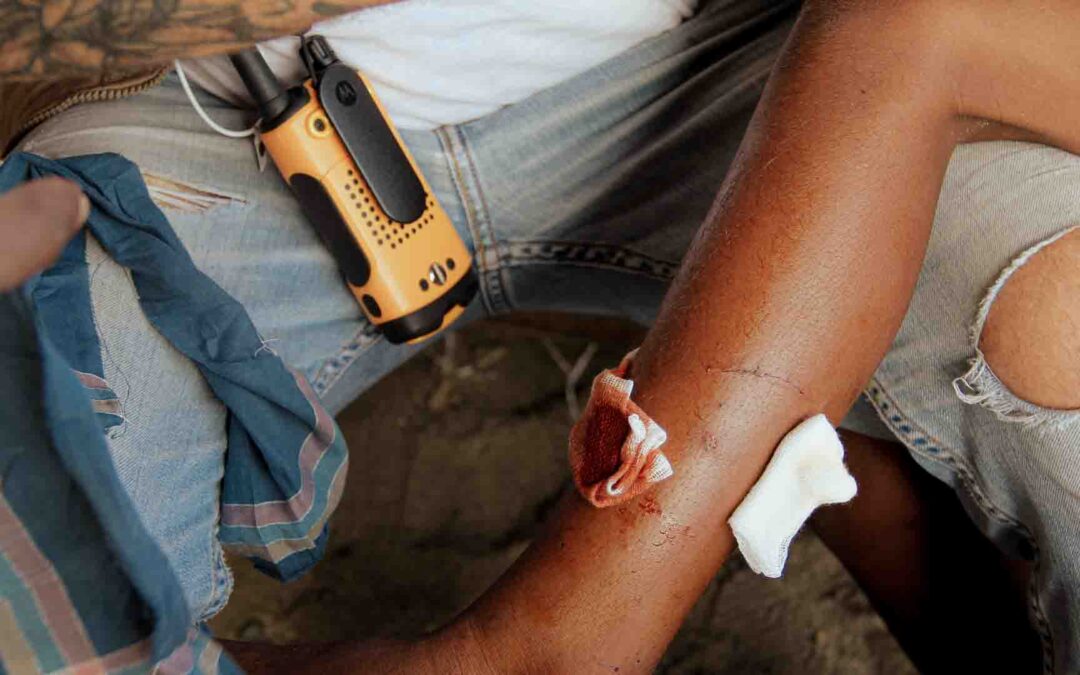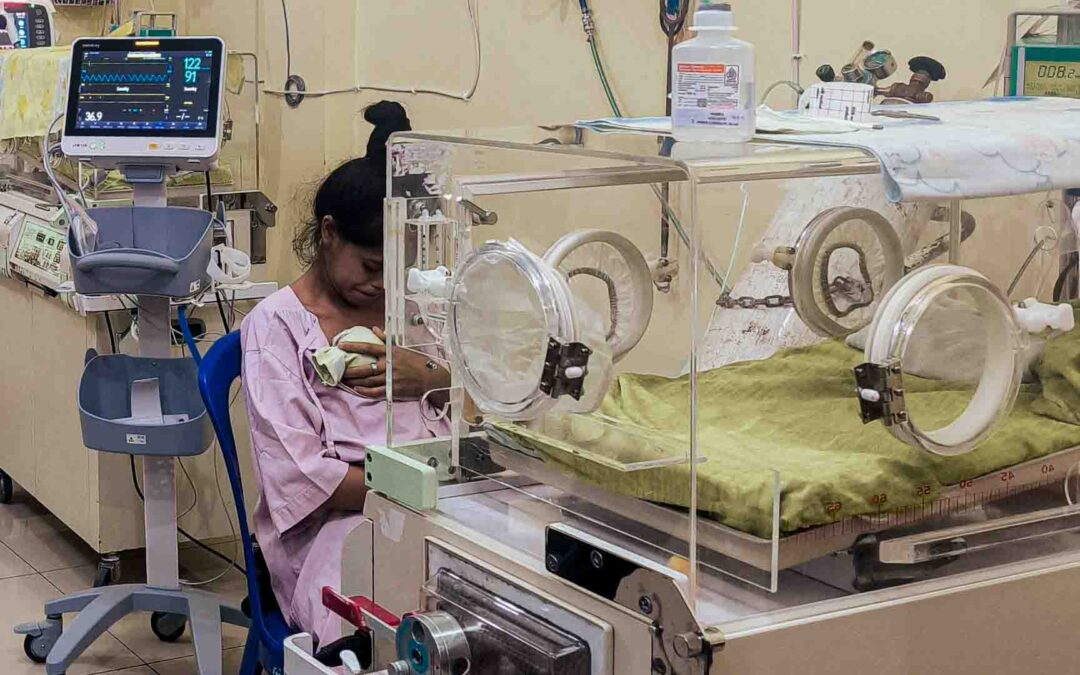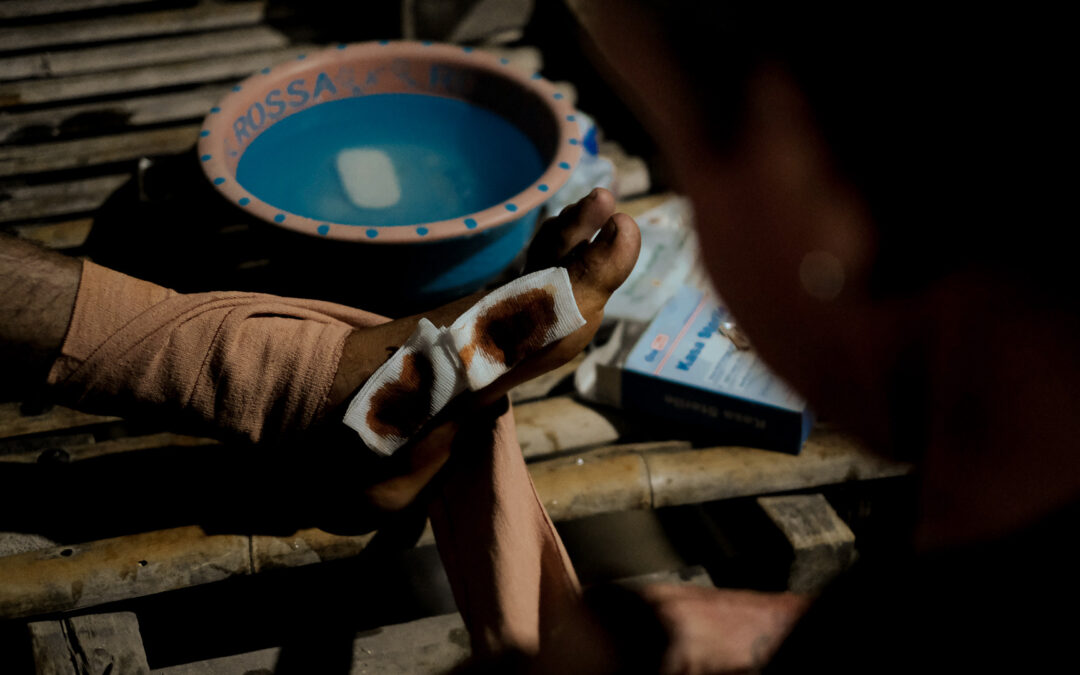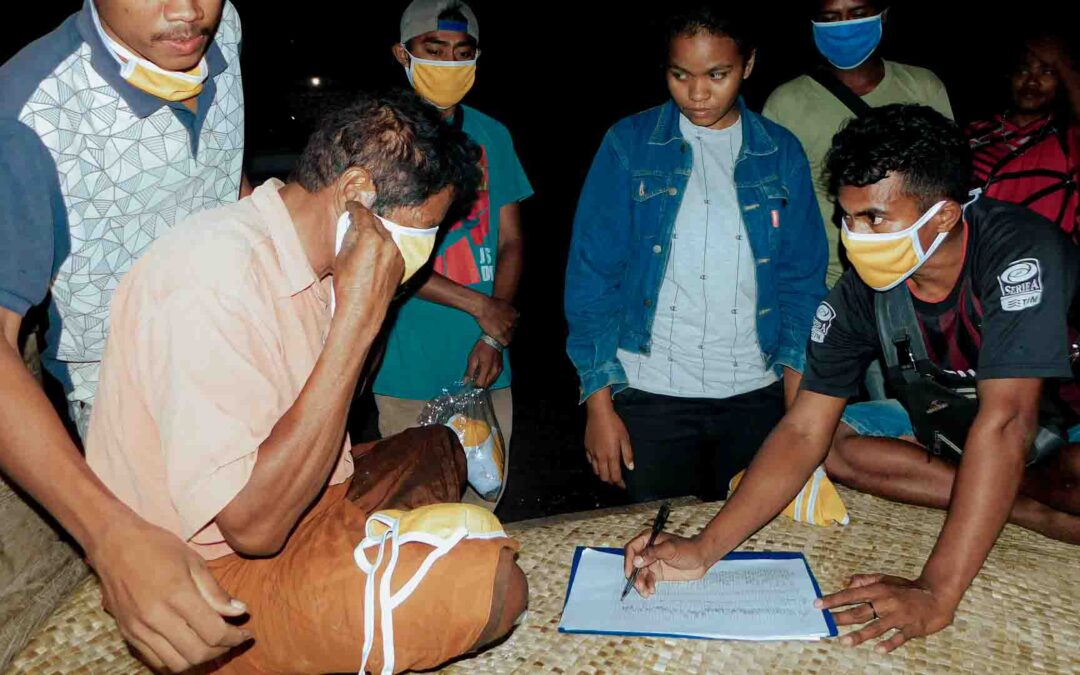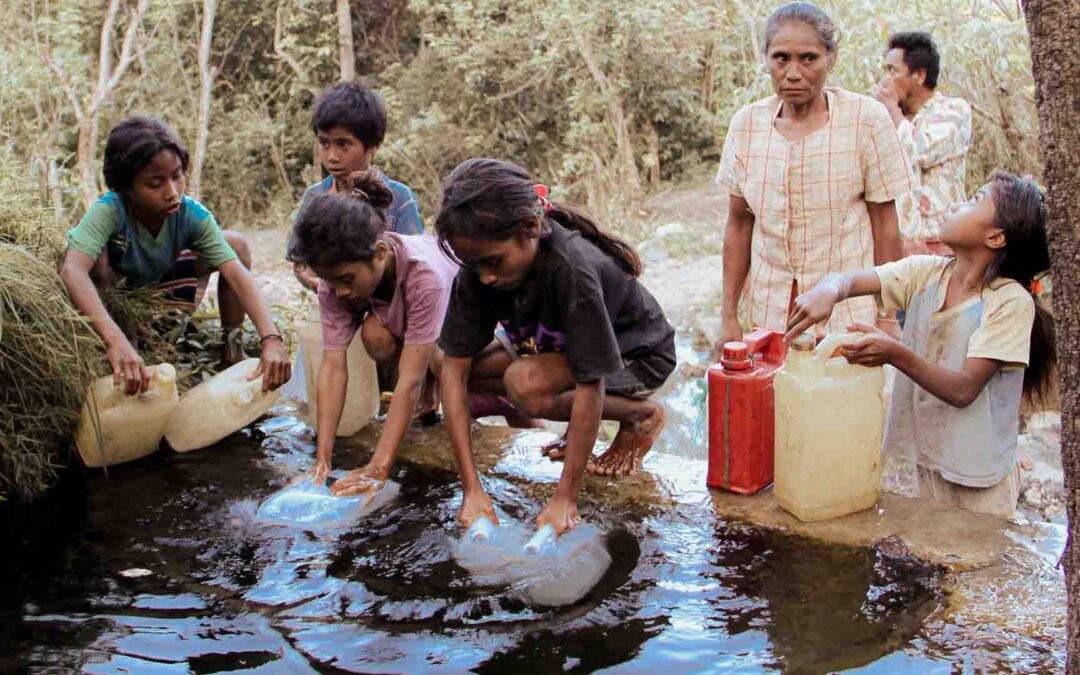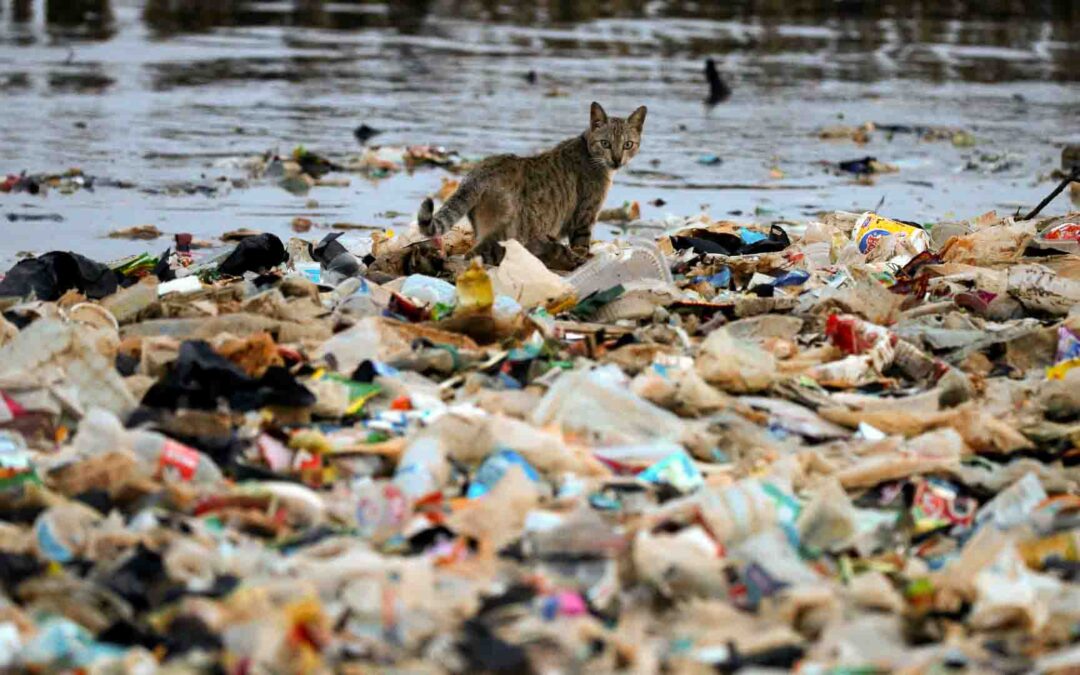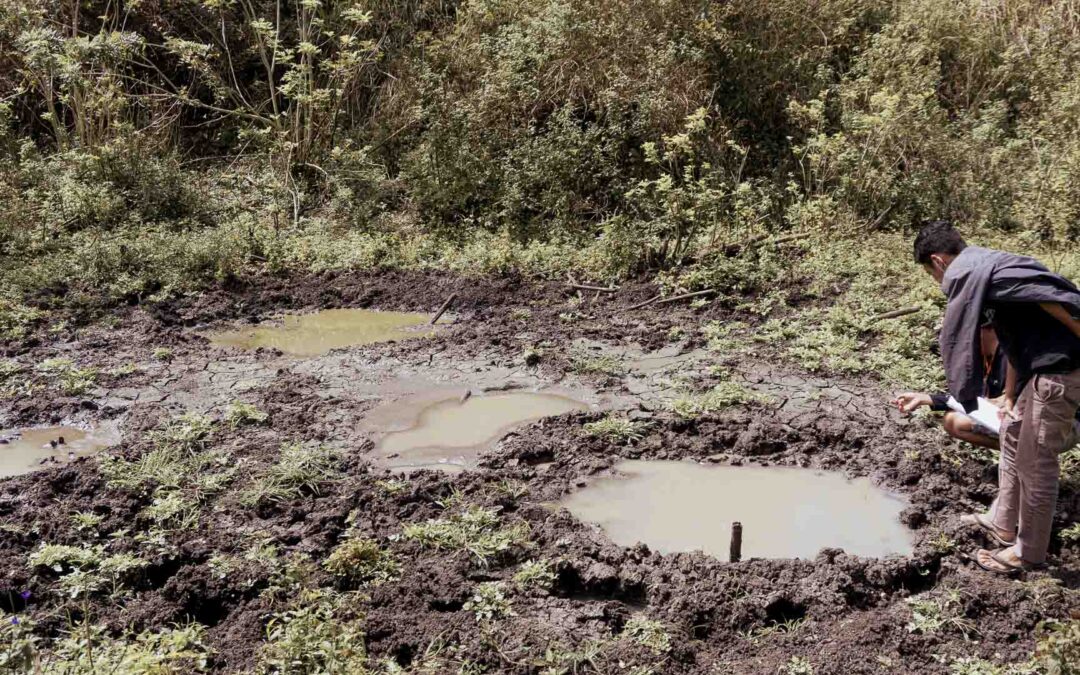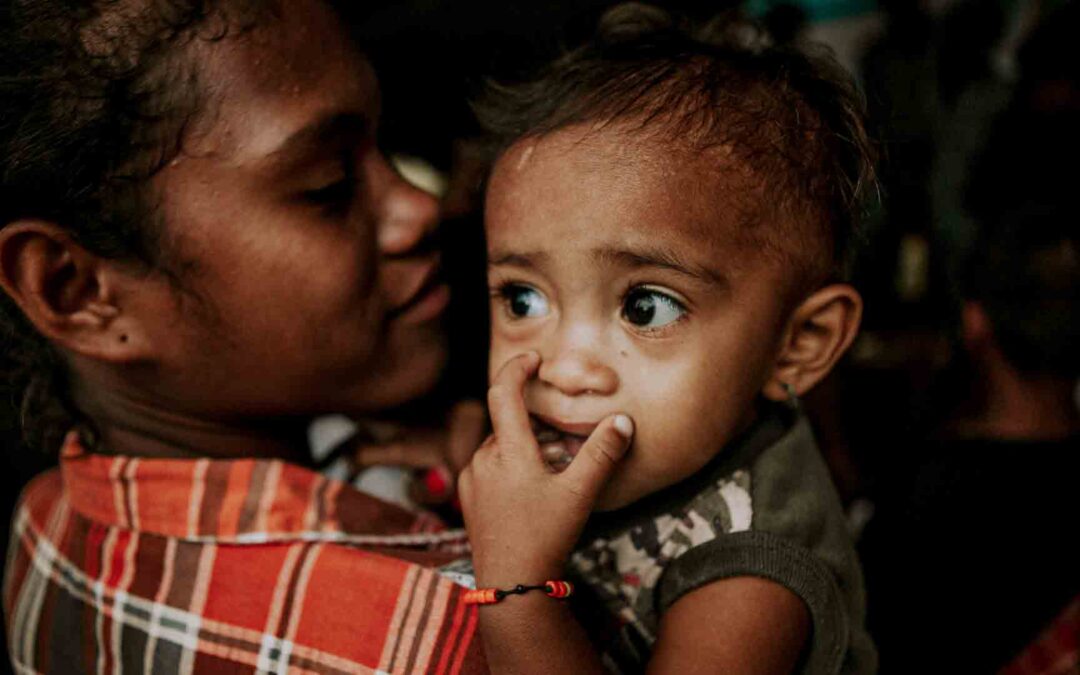
Leptospirosis in rural Indonesia remains dangerously underdiagnosed. In East Sumba and across NTT, unsafe water, rodent exposure, poor sanitation, and delayed care still turn a preventable bacterial infection into severe disease. Clean water, wound care, and early treatment save lives.
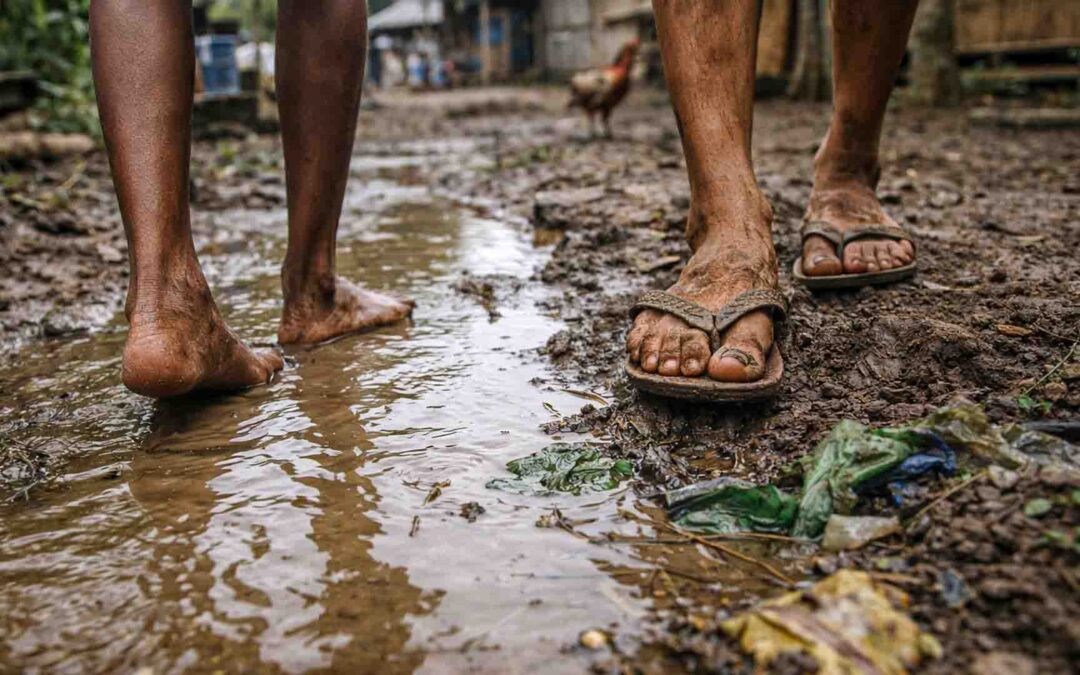
Medical & Prevention

The Medical & Prevention category focuses on evidence-based field medicine and public health actions implemented in ultra-rural contexts.
It documents how primary medical care, disease prevention, and early intervention reduce morbidity and mortality where access to healthcare is absent. Articles address infectious diseases, maternal and child health, hygiene, vaccination, and community education, aligned with WHO recommendations. Beyond theory, this section presents concrete medical practices carried out on the ground by trained local health agents, highlighting how prevention remains the most effective and sustainable medical act in vulnerable populations.
Latest field updates
Untreated Pain Rural Medicine | Invisible Burden
Untreated pain in rural medicine defines daily life in remote regions. Patients live with wounds, infections, and fractures without relief. This is not a marginal issue. It directly affects survival, recovery, and dignity. Addressing pain is not complex, but it requires access, structure, and commitment.
Global Health Funding Corruption | Rural Care
Global health funding should save lives. In ultra-rural Eastern Indonesia, too much of it is lost to corruption, inflated administrative costs, and weak delivery systems. The result is clinical and brutal: delayed care, missing medicines, failed referrals, and preventable deaths.
Sepsis in Rural Indonesia | Fatal Delays
Sepsis in rural Indonesia often begins with a treatable infection and ends in preventable death. This article presents a new East Sumba field study to understand delays, danger signs, referral barriers, and the role of community-based care.
Sexually transmitted infections rural Indonesia | Silent epidemic
Sexually transmitted infections in rural Indonesia remain largely undiagnosed due to lack of testing, education, and access to care. Untreated, they lead to infertility, chronic complications, and preventable transmission, reflecting deep gaps in public health systems.
Child Marriage Indonesia | Adolescent Pregnancy Crisis
Child marriage adolescent pregnancy in rural Indonesia exposes young girls to severe medical risks including prematurity, anemia and maternal mortality. In East Sumba, lack of prevention and limited healthcare access turn early pregnancy into a daily clinical emergency.
Snakebite Rural Indonesia | A Neglected Emergency
Snake bites in rural Indonesia become life-threatening when care is delayed. Lack of antivenom, poor access to healthcare, and limited awareness turn a treatable injury into a fatal condition. Early response and community-based care are essential to save lives.
Tuberculosis Rural Indonesia | Poverty and Health Access
Tuberculosis remains one of the most persistent infectious diseases in rural Indonesia. Poverty, malnutrition and delayed diagnosis allow the disease to spread silently within households where access to healthcare remains limited. Community-based detection and treatment are essential to stop transmission.
Unsafe Water Childhood Diarrhea Indonesia | Health Crisis
Unsafe water remains a major driver of childhood diarrheal diseases in rural Indonesia. Contaminated rivers, poor sanitation, and plastic pollution expose children to infection, dehydration, and malnutrition. Improving access to clean water and hygiene education is essential to protect child health.
Plastic Waste Public Health Indonesia | Political Failure
Plastic waste public health Indonesia is no longer an environmental issue. It is a political failure. Across rural regions, rivers and villages are overwhelmed by plastic pollution, toxic smoke and contaminated water while authorities ignore waste management and the health risks faced daily by communities.
Dengue Climate Change Indonesia | Rising Mosquito Risk
Climate change is reshaping dengue transmission across rural Indonesia. Warmer temperatures, longer rainy seasons and stagnant water near homes create ideal mosquito breeding sites. In isolated villages, prevention, environmental management and early diagnosis remain essential to reduce severe dengue cases.
Rubella in Indonesia | 11,094 Measles Cases, 72 Deaths
Rubella remains a serious rural health risk in Indonesia. National measles data from 2025, with 11,094 confirmed cases and 72 deaths, reveal vaccination and surveillance gaps that also sustain rubella and congenital rubella syndrome risk in remote districts.