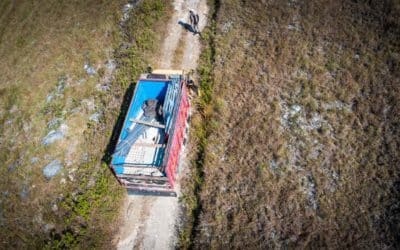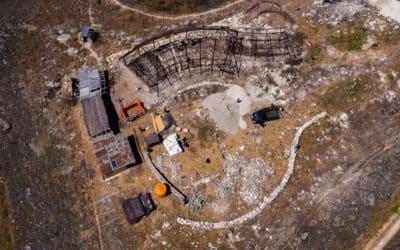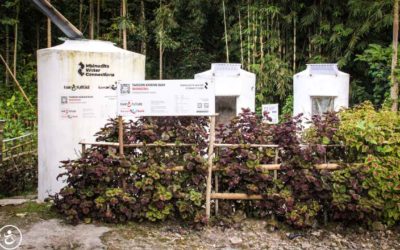


Discover the remarkable progress in our ongoing construction and repair efforts on the road to Laindatatang village in East Sumba. The Fair Future Foundation has been at the forefront, meticulously coordinating and overseeing this significant project for months. We’re thrilled to share that material trucks and tanker trucks can now effortlessly reach the village.
Malaria continues to pose a daily threat in this area. Through Kawan Against Malaria, we monitor cases, test all fevers, protect homes, and educate families. The use of bed nets, spraying, and prompt treatment turns statistical data into lives that endure quietly, rather than ending prematurely.
Donate
Support Care
Programs
All projects
Quick News
Field updates
Stories
Field stories
Nutrition and Food in Ultra-Rural Environments
In all of our programs to promote access to a healthy life and address the significant issues of malnutrition, we strive to improve the health of children. Fair Future, along with our team of nutritionists, develops balanced nutrition programs to promote healthy eating.
The Water, Nutrition & Survival category addresses core public health determinants that directly affect morbidity and mortality in ultra-rural settings. Articles document how limited access to safe water, adequate nutrition, and basic sanitation increases the risk of waterborne disease, malnutrition, dehydration, and infection. Interventions follow WHO public health standards, combining water infrastructure, food support, hygiene promotion, and community education. This category highlights field-based actions that stabilize health, prevent avoidable disease, and support survival where resources and healthcare access remain critically limited.
Fighting Malnutrition Through Food and Nutrition Programs
Awesome! The first loaded truck arrives at Laindatang
This new "Picture of the Day" shows you the truck climbing the steep slope that leads to the village of Laindatang, which is ultra isolated, where a hundred families live without electricity, water, and very little food. This first truck transports construction materials and healthy sanitary facilities, which our teams have manufactured at the Rumah Kambera base camp.
We're excited to announce a significant milestone in our mission to create a positive impact! Despite facing difficult conditions and encountering broken promises, our unwavering dedication to improving the lives of impoverished villagers has prevailed. After days of arduous road repairs, we are proud to share that a truck laden with essential construction materials has finally reached the remote village of Laindatang. This remarkable achievement, made possible through the unwavering support and resilience of the villagers, marks a crucial step in providing vital resources and support to a community lacking necessities.
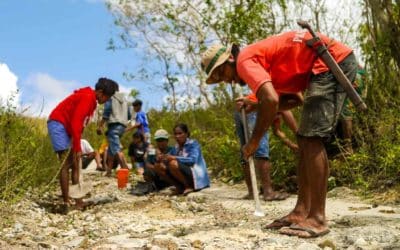
The road to the village presented numerous challenges, with its treacherous slopes and slippery terrain. Our team, armed with determination and their bare hands, overcame these obstacles with unwavering resolve. Though we encountered setbacks, including a failed attempt and broken bolts, our determination never wavered.
Two months ago, we were promised assistance by the department responsible for road infrastructure, but regrettably, their support never materialized. Nevertheless, we refused to be deterred from our mission of bringing essential resources and support to the impoverished villagers, who live in extreme poverty, deprived of electricity, clean water, and sanitation facilities – Ref: Water Connections Program here.
Yesterday, as the truck conquered the treacherous slopes, an overwhelming sense of joy and accomplishment washed over us. It was a moment that infused hope and happiness into the previously isolated village of Laindatang. I was moved to tears, knowing that I had dedicated nearly a year of my life to bringing this project to fruition.
The #WaterConnections project in Laindatang has started!
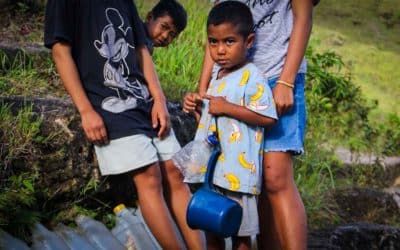
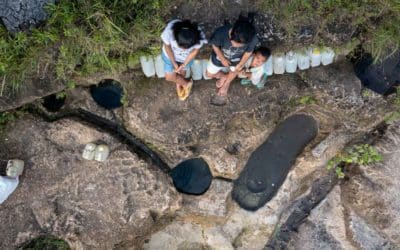
In this new "Picture of the Day", we witness the difficulties faced by young children in East Sumba as they search for clean water. These children must travel quite a distance from their homes to reach the kullups (small stone basins dug directly into the rocky terrain by villagers to collect and hold rainwater in rural areas). Unfortunately, it is unlikely to rain for the next nine months, and the children must walk over ten kilometres to obtain just a few litres of water to sustain themselves; kullups are dry now.
Presently, families in Laindatang endure arduous journeys, spanning miles and lasting over 10 hours, to obtain meagre quantities of drinking water. With a daily allocation of fewer than 2 litres per person, individuals must make profound sacrifices as this limited supply must accommodate drinking, eating, personal hygiene, and sanitation needs.
Malaria ravages the village, exacerbating the adverse effects of infectious diseases, particularly among children under five. The urgency of the health crisis necessitates immediate intervention. In collaboration with Kawan Baik and local authorities, Fair Future is committed to launching a comprehensive Water Connections project, addressing the pressing need for clean water in the village with utmost urgency.
Commencing at the end of June 2023, Fair Future embarks on an extraordinary #waterconnections project in Laindatang. This initiative heralds a transformative change and instils immense pride within our organization.
Laindatang residents rely on rainwater collection during the rainy season to meet their clean water requirements. However, limited knowledge and resources impede this method, significantly contaminating water reservoirs. During the dry season, their options are limited to accessing water from the Kulub—an artificial pool nestled within a rock formation—or purchasing tank water from a select few companies.
Regrettably, accessing water becomes increasingly challenging throughout the year, with only a handful of companies willing to deliver to the village. Transport obstacles frequently result in spilt water, further diminishing the already scarce supply upon arrival in Laindatang.
For the villagers, access to clean water is a matter of survival. They currently store rainwater in unclean, contaminated, and hazardous tanks. Though this remaining water sustains them for drinking, eating, and survival, it will be depleted within weeks as the dry season commences. Tragically, this water is tainted, infected, and carries life-threatening diseases such as Malaria, Cholera, Dengue, Typhoid fever, Hepatitis A, and Guinea worm disease. Additionally, prevalent diarrheal diseases like E. coli and rotavirus, caused by contaminated water, pose a severe risk, particularly to children, leading to dehydration and even death.
You have the power to help us realize this vital project, which is indispensable for hundreds of families. If you desire, your generous donation dedicated to the #waterconnections project in the village of Laindatang would be warmly welcomed. We extend our heartfelt gratitude and appreciation to all those willing to contribute. With your support, we can bring love, hope, and clean water to the deserving community of Laindatang.
To access information about our implementation, you can download and read the presentation in PDF format by clicking this link.
Water and sanitation are crucial in the fight against malaria
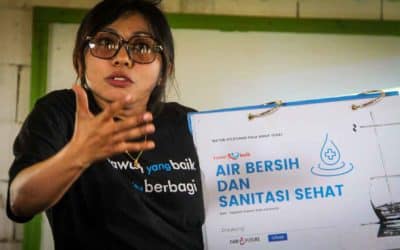
Check out the latest addition to our "Photo of the Day" collection featuring our colleague Kawean Essi. In the village of Mbinudita (East Sumba), Kawan Essi teaches a hundred villagers of all ages, including children, about the importance of clean and safe water and how it can lead to a healthier life. The "Water Connections" program is a practical approach to fight against various infectious diseases, such as malaria.
In the fight against malaria, it's essential to acknowledge the progress made. However, we must also recognize the crucial role of hygiene, clean water, and sanitation in eliminating this disease. This is why the Water Connections program exists – to provide access to these necessities.
At Fair Future, we understand that improving these fundamental aspects of daily life can significantly prevent malaria transmission and ultimately save lives. Addressing issues such as hygiene, water, and sanitation is crucial in the fight against malaria because they directly impact mosquito breeding, access to clean water, hygiene practices, and vector management.
We prioritize these issues in all our activities, particularly in implementing the "Malaria Prevention Initiative Sumba Timur 2023" program, which we aim to start as soon as possible as part of the PMC, Primary Medical Care program.
Together, we can dramatically reduce malaria transmission and improve the health and well-being of affected communities. We must prioritize these efforts to save lives, prevent unnecessary suffering, and move towards a significant decrease in malaria cases, especially here in Sumba, where we currently are.
Interactive Maps for Planning and Impact
Fair Future’s interactive maps serve as essential tools for planning and monitoring humanitarian efforts. Covering areas such as healthcare access, water infrastructure, and disease prevention, these dynamic maps meticulously document each phase of our initiatives to ensure accurate execution, effective interventions, and lasting impact.
A healthier life thanks to the Water Connections program
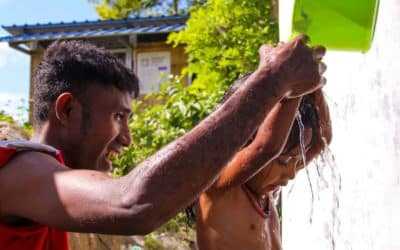
This new "Picture of the Day" shows a delighted father who can now provide daily showers for his children, thanks to the newly installed water supply. Previously, they could only shower sporadically, sometimes only once a month. Additionally, the photo showcases the new sanitation facilities constructed in Mbinudita. The Water Connections project has successfully installed over forty reservoirs, thirty sanitary installations, three deep boreholes, and more than 15000 meters of HDPE pipes.
Water scarcity can be a significant source of stress for some regions, and various factors can cause it. Arid climates, low rainfall and prolonged droughts are just a few conditions that can contribute to water scarcity. Poor water resource management and a lack of knowledge can also exacerbate this problem, making it even more difficult for everyone to access the water they need to thrive.
Despite these challenges, Fair Future is working hard to address water scarcity and ensure people have access to this vital resource. That is why we have developed the Water Program Connections.
Fair Future and Kawan Baik have noticed a significant improvement in the behaviour of families who have benefited from the "Water Connections" initiative. This program has enabled people to grow gardens, consume healthier food, enjoy life more, reduce stress, and boost energy levels. As a result, there has been a marked decrease in illnesses.
Witnessing these positive changes fills us with joy and reinforces our conviction in our decisions. Fair Future and Kawan Baik Foundation have always aimed to improve individual health, and providing access to safe drinking water is a beautiful way to accomplish this objective. As a Medical Foundation, Fair Future Foundation understands clean water's significance for maintaining good health. Drinking enough clean and healthy water is crucial for various physiological processes, including body hydration, proper organ function, digestion, and elimination of toxins.
Access to clean and safe water prevents dehydration-related illnesses, such as urinary tract infections, kidney stones, and constipation. It also significantly prevents dehydration, particularly in hot areas where sweating and water loss through respiration are common. While water is necessary for maintaining good health, we understand better than anyone else that certain medical conditions may require alternative treatments.
Kullup is a hole in the rock to collect rainwater
This new "Picture of the Day" shows you kids from the village of Laidatang, who fetch water far from home in the "Kullup" of the village. Elthon, responsible for documentation (with the black t-shirt), and Alex, from the medical staff, are also present in this photo. With the kids and one or two adults accompanying us, we walk more than an hour to reach this place in the middle of a high hill. You must descend a steep path to access these hand-dug holes in the rock. In 30 minutes, we will have to go up the hill and walk back. But this time, loaded with several jerrycans filled to the brim.
The Fair Future and Kawan Baik teams spend two days with the families of the ultra-rural and isolated village of Laindatang to get to know them even better. In this village, we have the project to create a #WaterConnections project. I let you read here the articles related to this project and here to see what your want to do to save their lives,
In Laindatang, families only have access to rainwater. It's for everything: eating, drinking, cooking, bathing, washing clothes, drinking water, caring for children, sick people or watering animals. Therefore, one of the ways for women and young girls to have water at home to live on is to walk several kilometres to find the "Kullup".
Kullup, what is it? These are small stone basins, directly dug into the rock by the villagers, used to collect and store rainwater in rural areas. When it rains, the water seeps into the ground at the top of the hill and then is filtered through the earth and the basements. It flows drop by drop in these stone basins, the "Kullup". Then the villagers come to fill their jerrycans with five or ten litres.
The "Kuluk" are an essential water source for the local communities. But the quality of stored water can be affected by bacterial contamination, chemicals, animal waste or debris. Therefore, regularly cleaning these small holes in the rock is essential to maintain water quality. It is important to note that the "kuluk" is only a temporary solution to the water crisis in areas with limited access to drinking water. Indeed, the "kuluks" cannot fill up correctly without rain. They dry out about ten days after the last rains and remain dry for almost nine months. To find water, young girls, women and children, sometimes under five, will have to walk even further and longer.
Our two organizations work with local communities to implement longer-term solutions, such as constructing water supply networks using deep boreholes and sealed and healthy rainwater cisterns. The Water Connections program offers innovative and sustainable solutions. It includes promoting water conservation practices with “Kawan Sehat” and self-sustaining access to Primary Medical Care through the PMC program.
Access to clean water is vital for human health
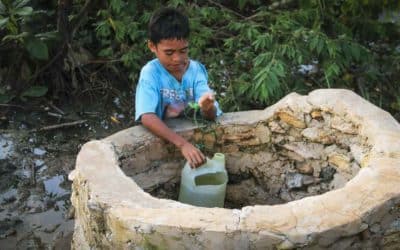
This "Picture of the Day" shows young children's struggles in East Sumba. The jerry cans are heavy and sometimes more prominent than the children themselves. With limited access to drinking water sources, the kids who live there (here in these images in the villages of Kabanda, Mahu, Laindatang, and Tana Mbanas) are forced to walk long distances to fetch water. Water in rivers or wells which are also contaminated. It takes up a lot of their time and puts them at risk of injury or illness by carrying heavy loads of water. Lack of access to clean water also contributes to poor hygiene and sanitation practices, further compounding the health problems of those East Sumba communities where Kawan Baik and Fair Future work so hard. Together, we are taking action to improve access to clean water sources, in these areas where no roads lead, to ensure the health and well-being of young children and their families. In addition to the physical hardship of fetching water, and as explained in this post, children in rural areas of East Sumba are often deprived of education and other opportunities because of this task. It is widespread (like in this picture of the day) that they miss school or other activities to help collect water, which affects their academic progress and social development.
Here people mainly only have access to contaminated water. This leads to many diseases, including gastrointestinal infections, skin diseases, parasitic diseases and other infectious diseases such as Malaria, Dengue Fever, Cholera, typhoid fever, hepatitis A or diarrhoea. Children and the elderly are particularly vulnerable to illnesses caused by contaminated water, a significant cause of infant mortality here.
In conclusion, ensuring access to clean water through a program like the #waterconnections project is our top priority that cannot be overlooked. Access to clean water is essential to sustaining life and maintaining good health for everyone here. Water plays a vital role in preventing the spread of the diseases mentioned above, ensuring people can lead healthier lives. Whether for drinking, cooking or cleaning, clean water is essential for everyday life. Without access, communities in the ultra-rural areas of East Sumba suffer from a lack of sanitation and hygiene, leading to various health problems.
Therefore, we must do everything we can to ensure that clean water is available to everyone who needs it.
Reduce health risks with clean water for families
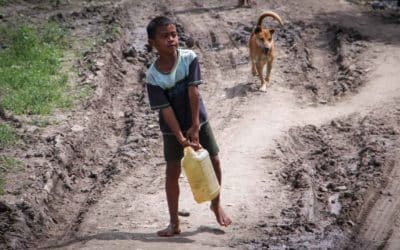
In this "Picture of the Day" shows you what children do several times a day: Fetch water for the family with some 5-litre jerrycans. Most of the time, the young girls take care of this. Here in this photo, it is a young child of ten years. There are no daughters in the family. He does this job instead of going to school. He and his family have only two litres or less of water a day for eating, drinking, bathing and everything else.
Unfortunately, like here in Tana Mbanas (Sumba Tenggah), there is still a vast majority of villages in Sumba that do not have access to clean drinking water. In these villages, the inhabitants often depend on surface water sources such as rivers, lakes or ponds, which bacteria, viruses, chemicals or by animals and insects mostly contaminate.
The lack of clean water has severe consequences for the health of the inhabitants. Waterborne diseases, such as diarrhoea, cholera and typhoid, hepatitis A, Malaria and Dengue fever, are common where access to clean water and toilets is limited or absent. These diseases can be severe and even fatal, especially in children, pregnant women and the elderly.
To help villages without clean water in Sumba, Fair Future and Kawan Baik are implementing effective measures to improve access to clean and healthy water. Our solutions include drilling deep wells with our equipment, construction of water treatment plants, storage tanks, rainwater harvesting and storage, and installation of water management systems—irrigation and construction of healthy sanitation facilities.
We are still seeking funding and technical resources to set up sustainable, safe and clean water infrastructure in this region, one of the world's poorest and most dry.
Alexandre Wettstein from the Foundation’s Medico-Social Camp in East Sumba, Rumah Kambera, Lambanapu, on Mai 1st, 2023.
Giving life to the village of Laindatang
The current priority in this village is to give them clean, safe water and sanitation. Here, families must walk for miles, sometimes more than 10 hours, to bring a few litres of clean water home. People here have less than 2 litres per day and a person to drink, eat, go to the toilets, and wash. So you have to make sacrifices. Malaria is taking its toll here, just like infectious diseases that considerably weaken families' health, especially those of children under five. This is a critical situation for us on a health level. Still, on a social level, Fair Future and Kawan Baik, in collaboration with the local authorities, wish to start a simple Water Connections project in this village as soon as possible.
What does a kitchen look like without food or water
This new "Picture of the Day" shows you what the kitchen of an East Sumba family is like. A kitchen like there are tens of thousands here. One of the elements we always see is the presence of five-litre jerry cans. They are the ones that serve as a container for the water that the girls and women have to fetch from afar. We also notice the absence of food, including no rice, only corn. Rice is expensive, and nobody can buy it here in Laindatang, East Sumba: No electricity, running water, and sink.
Just a hearth that will be used once a day only to prepare corn porridge mixed with vegetables and roots that the women have been looking for in the forest. Salt and red peppers. That will be all for the day and the whole family, including dogs and cats.
Families here live without clean or potable water, yet access to potable water is crucial for survival and maintaining good health. Without clean water, families in the areas where Fair Future and Kawan Baik work are forced to drink contaminated water, which leads to waterborne diseases such as cholera, typhoid fever and dysentery.
This has an immense impact on daily life and livelihoods. Women and children must walk long distances to fetch water, which takes up much time and interferes with other activities such as work or education.
What do the sanitary facilities we build look like?
This new "Picture of the Day" shows you an example of construction that we carry out in the poorest villages of Indonesia and Asia. Here the families before did not have access to clean water and toilets. Fair Future and Kawan Baik Foundations have been changing this for years, and noticeable changes are being seen.
Access to drinking water and toilets is a fundamental human right. Still, unfortunately, in the regions where we are, nearly 90% of families in ultra-rural areas do not have access to these necessities. Here are some steps that can be taken to provide access to clean water and toilets in the regions that do not have access:
The first step is to identify the areas most needing these facilities. Fair Future and Kawan Baik proceed through research, surveys, and working with our local partners and authorities. Once regions that do not have access to clean water and toilets have been identified, we develop plans to provide these services. This takes into account the specific needs of each community. To do this, we have several ways to provide access to clean water, such as drilling deep wells, installing water filtration systems and collecting rainwater. The method used will depend on the specific needs of the community.
Access to toilets is also essential to reduce the rate of infectious diseases such as Cholera, Dengue, hepatitis A, and Malaria. In this photo, two sanitary facilities have been built using the Ferro-Cement method, with a tank for collecting dirty water and clean water for watering.
Fair Future also considers it essential to educate the community on the importance of hygiene and sanitation practices to prevent the spread of disease. We do this through the #waterconnections and #kawansehat and #primarymedicalcare programs.
One of our missions is also to monitor and maintain these new facilities. This requires the training of local community members who will carry out essential maintenance and repairs.