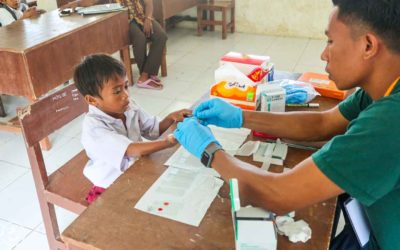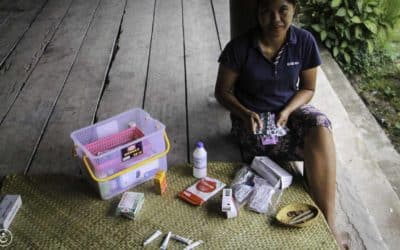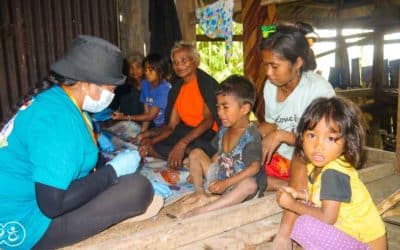


Amidst the rugged beauty of East Sumba’s Lulundilu, the stark reality of nine children’s daily battle with malaria unfolds. Their barefoot steps and courageous hearts reveal a narrative of resilience and hope that Fair Future Foundation is dedicated to supporting.
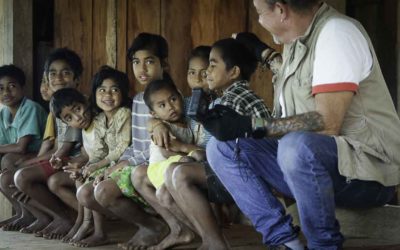
Illness often begins long before someone arrives at the hospital. Our campaigns on smoking, waste management, alcohol, and sexual health display straightforward messages across schools and village walls in local languages. Through simple posters, talks, and games, we help protect thousands of children.
Donate
Support Care
Programs
All projects
Quick News
Field updates
Stories
Field stories
Improving child health outcomes through medical care, nutrition, and hygiene education in isolated communities.
Detecting Malaria: Life-Saving Screenings in Rural Areas
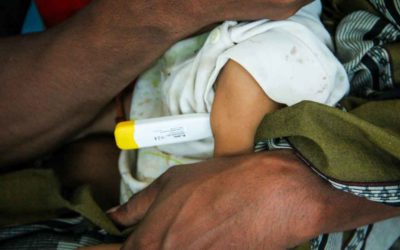
In the remote regions of East Sumba, each blood sample tells a story of survival. Fair Future’s detection and screening initiatives are more than medical procedures; they’re gateways to a malaria-free existence. With every slide examined, we’re inching closer to a future where health prevails.
Investing in Health: Fair Future’s 205M IDR Medical Initiative
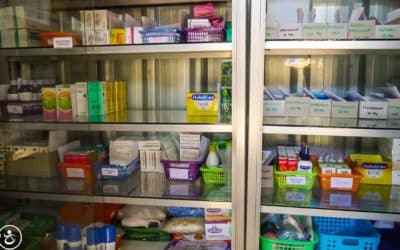
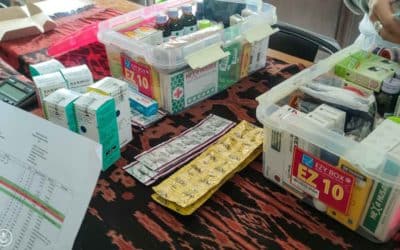
Fair Future proudly announces a transformative investment of 205M IDR, dedicated to procuring vital medications and medical equipment. This significant contribution will fuel our #PrimaryMedicalCare program for the next 3-4 months, directly impacting and improving the lives of thousands in ultra-rural Indonesian communities. Discover how this initiative is revolutionizing rural healthcare.
Donate Now: Portable Ultrasound Device for Rural Areas
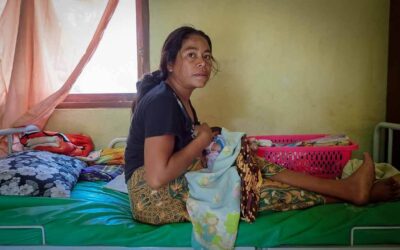
Transform lives today by supporting Fair Future Foundation’s critical mission in ultra-rural Indonesia. Your generous donation funds portable ultrasound scanners, ensuring pregnant women receive the vital care they deserve. This isn’t just a donation; it’s a pledge for safer pregnancies and a stronger future. Act now—every contribution is a step towards saving lives and empowering communities.
Truck of Life’s Mission: Indonesia’s Forgotten Regions
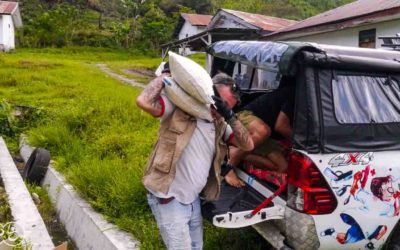
Fully stocked with life-saving pharmaceuticals, diagnostics, and hope, Fair Future’s Truck of Life is setting off on its next vital journey. This isn’t just a truck; it’s a lifeline on wheels, navigating treacherous roads to reach communities in the most isolated regions of Indonesia. A journey that transcends miles, it reaches into the heart of forgotten corners, delivering not just medicines but also the promise of a healthier tomorrow.
With us for new purchases of drugs and medical equipment
Journey to the heart of Fair Future’s operations at our base camp in Denpasar. Learn how meticulous planning, courage, and commitment are driving the delivery of essential medicines and medical care to ultra-rural communities in East Sumba. Discover how our #TruckOfLife mission and #PrimaryMedicalCare program are not just sending medicines, but are sending hope, vitality, and a brighter future.
Transforming Lives – Deep Drilling for Clean Water in East Sumba
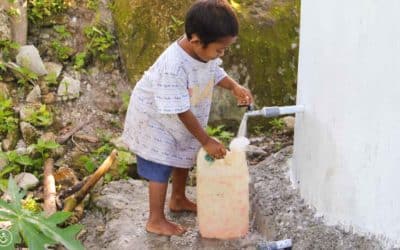
In East Sumba, a 60-meter deep drilling project stands as a beacon of transformation. This gargantuan endeavor by Fair Future and Kawan Baik is not just about providing clean water; it’s a comprehensive approach to improve public health, education, and quality of life for over 2,000 people. This is where the battle against diseases like malaria takes a new turn, a testament to human resilience.
How Primary Medical Care Rescued a 10-Year-Old in Remote East Sumba
In the isolated village of Mbatapuhu, East Sumba, a 10-year-old named Jaya faced a life-threatening malaria crisis. Discover how Fair Future Foundation’s Primary Medical Care program intervened just in time to save him. Your support is crucial for such life-saving initiatives.
Eastern Indonesia’s Teachers Become First Responders in Critical Rural Healthcare
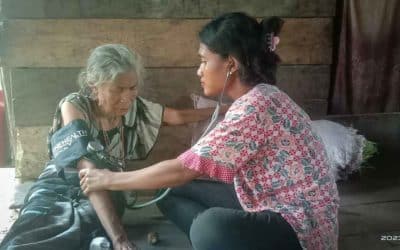
In ultra-rural eastern Indonesia, the idea of prompt medical care is often a distant dream. Enter Fair Future’s Kawan Sehat agents—a team of over 60 women transforming this grim reality. Equipped with first-aid essentials and life-saving drugs, they’re not just healthcare providers; they’re community saviors
Transforming Rural Healthcare Through Local Teachers
In Eastern Indonesia’s most isolated regions, the closest hospital might as well be on another planet. Who then comes to the rescue? Not medics from distant cities, but local teachers. Trained by Fair Future, these teachers transform into frontline health agents, acting as the first line of defense against life-threatening diseases like malaria, tuberculosis, and polio. This isn’t the future; this is now. Join us in this radical shift in community healthcare.
Daniel Fight Against Malaria: Fair Future’s #ZeroMalaria Program
In the isolated village of Lulundilo, a young boy named Daniel has been diagnosed with malaria. With limited access to healthcare, the stakes are high. Dive into Fair Future Foundation’s rigorous on-the-ground efforts through their #ZeroMalaria program, which is not only providing immediate treatment but also equipping communities for a sustainable future.
Breaking Water Barriers for Women and Girls in East Sumba
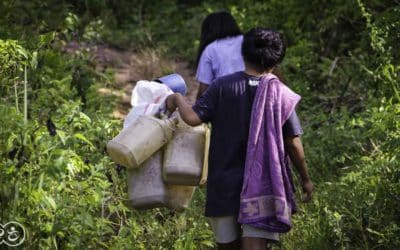
In this news "Picture of the Day", under the terrible heat of East Sumba, a mother and her daughter trudge forward, carrying five empty jerry cans. Their feet tread on arid ground, strewn with stones and brush. The day started a few hours ago and the journey is far from over. They have travelled more than five kilometres on foot and have as much ahead of them to reach their destination: Kullups, holes dug by hand in the rock of a hill. (Ref. Read this article here)
In this part of the world, kullups are more than mere rainwater reservoirs; they represent a vestige of human ingenuity against near-chronic water scarcity. Rainwater, channeled by soil and rock, seeps in to feed these small stone basins at the foot of a hill. It's a source of life, but also a source of heart-wrenching dilemmas. For every precious drop, there is a hidden cost, measured not in money but in lost opportunities, compromised health, and uncertain futures.
Consider the mother. Each trip for water represents hours when she can't work, maintain her home, or care for her family. What about her daughter? With every step she takes toward the kullup, she moves further from an education that could unlock doors to a better future. The thirst for learning is there, but it is weighed against a more immediate, more vital thirst.
Against this backdrop, the teams from Fair Future and Kawan Baik step in, armed with the will to make a difference and the tools and expertise needed to do so. The #WaterConnections program doesn't merely supply water; it aims to redefine these communities' relationship with this essential resource. By installing water collection and filtration systems, educating on hygiene best practices, and encouraging community participation, Fair Future and Kawan Baik aim to break the vicious cycle of poverty and disease.
Waterborne diseases like Malaria, Dengue, diarrhea and cholera are commonplace in these areas. But their impact doesn't stop at the individual. A sick mother cannot provide for her family. A sick daughter cannot attend school. And a cycle of suffering and poverty perpetuates, generation after generation.
The work of Fair Future and Kawan Baik isn't completed in a day or even a year. It's a long-term commitment, an investment in the future of these communities. But every installed water system, every educational session, and every assisted family represents a step toward a future where this mother and daughter won't have to choose between the present and the future, between thirst and the thirst for learning.
In a world where clean water is often taken for granted, it's easy to forget that for some, it's a luxury that comes at a high price. By working on the ground alongside those who live this reality every day, Fair Future and Kawan Baik remind us that behind every drop of water, there's a human story, a struggle, and an opportunity for change.
Alex Wettstein – Fair Future Foundation medico-social camp in East Sumba – Rumah Kambera, Lambanapu, 17th of October, 2023.