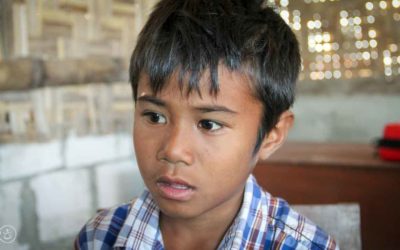


In the village where it all started for us: The #rebuildmbinudita program is the construction of a school, and the construction of a drinking water network for more than 2700 people, 60% of whom are children under 12 years old . It is really the (re)construction of an entire village or learning to live healthier, healthier all together, within the framework of the creation of innovative programs. Access to primary medical care is part of this program here in Mbinudita and it is only natural that we have included it in this Care program.
We have compiled a list of articles and pages for this topic
The Fair Future Foundation in East Indonesia combats social and medical injustice and aims to ensure everyone has access to healthcare, clean water, and education. Join us in making a difference.
Improving child health outcomes through medical care, nutrition, and hygiene education in isolated communities.
PMC program pre-assessment in Mbinudita
Fair Future teams examine and investigate more than two hundred cases of various illnesses or injuries treated under the primary medical care program by health workers. We also take stock of what will happen next week to accurately assess the supply of new equipment, drugs and medical devices. We also tell them that three will be part of a “test” screening program for high blood pressure and, in this case, the “prescription” of treatment and an appropriate medical procedure.
What does a kitchen look like without food or water
This new "Picture of the Day" shows you what the kitchen of an East Sumba family is like. A kitchen like there are tens of thousands here. One of the elements we always see is the presence of five-litre jerry cans. They are the ones that serve as a container for the water that the girls and women have to fetch from afar. We also notice the absence of food, including no rice, only corn. Rice is expensive, and nobody can buy it here in Laindatang, East Sumba: No electricity, running water, and sink.
Just a hearth that will be used once a day only to prepare corn porridge mixed with vegetables and roots that the women have been looking for in the forest. Salt and red peppers. That will be all for the day and the whole family, including dogs and cats.
Families here live without clean or potable water, yet access to potable water is crucial for survival and maintaining good health. Without clean water, families in the areas where Fair Future and Kawan Baik work are forced to drink contaminated water, which leads to waterborne diseases such as cholera, typhoid fever and dysentery.
This has an immense impact on daily life and livelihoods. Women and children must walk long distances to fetch water, which takes up much time and interferes with other activities such as work or education.
Inventing toys when you don’t have any
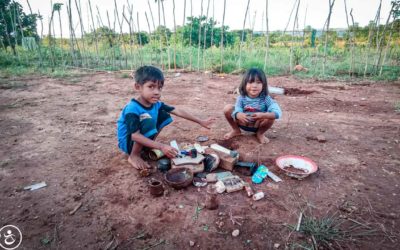
This "Picture of the Day" shows two children from Tanah Mbanas, Sumba Tengah, who have created a kitchen with waste from the plastic they found around their houses made of earth and bamboo. They are playing cooking. Here, families do not have access to water and even less to clean water.
Here in Sumba, in these ultra-rural villages, it is not uncommon for children of all ages to invent toys and games from natural materials or objects from waste or old. In these areas, children rely on their creativity and ingenuity to find new forms of play and have fun.
For example, children can make their toys from natural materials such as sticks, pebbles and leaves. They can use these materials to create games like building forts or playing "tag" with modified rules. Likewise, old items like cans, tires, or ropes can be repurposed to create new toys, like a toy truck, makeshift soccer ball, or swing.
These types of imaginative play experiences are very beneficial for the development of children. They encourage creativity, problem-solving and social interaction as children work together to develop new ideas and adapt the rules of their games. Additionally, playing in nature can provide opportunities for physical activity and exploration, positively affecting physical and mental health.
Primary medical care dedicated to children
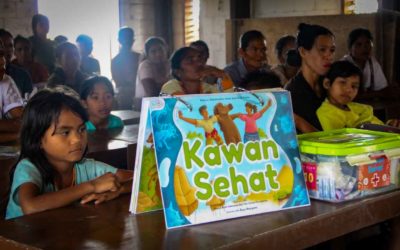
This "Picture of the Day" shows children who, thanks to the "Primary Medical Care" programme, learn to protect themselves against illness and injury through simple gestures and habits. Children in these regions do not have access to health centres, and no doctors are present in these villages (apart from those from the Fair Future and/or Kawan baik Indonesia foundations). It makes prevention an essential component of their health and well-being. Children in ultra-rural areas can significantly reduce their risk of illness or injury by incorporating simple habits and actions into their daily routines. In addition, it is essential to make children and parents aware of the importance of these habits and gestures so that they become part of their daily lives.
Giving primary medical care is not insignificant. It usually is doctors and nurses who do this. This is what makes this program unique in terms of innovation. Those who provide care, life-saving drugs and cures for Malaria, for example, are the teachers of this isolated village in eastern Indonesia. Therefore, for us here on site, it is essential to assess the impact and effectiveness of this program regularly. We carry out surveys, and we meet to collect medical data. We, therefore, highlight the areas where we can make the necessary changes. If this primary medical care program is a huge success, it is because it involves the communities in the various planning and implementation processes.
Teachers and parents of ill or injured children provide us with essential information. This 100% medical emergency program is in the process of success. It requires multiple collaborations, adequate ongoing training, sharing of supported cases and regular evaluation to ensure its safety, effectiveness and sustainability.
Learn how to provide Primary Medical Care
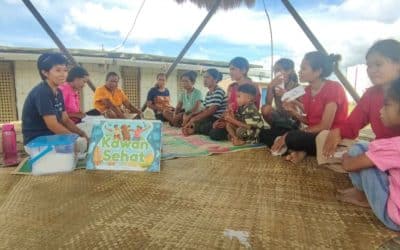
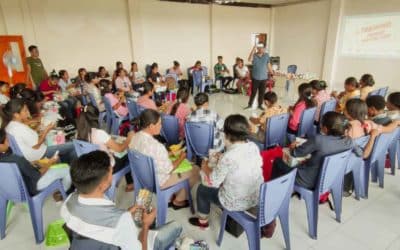
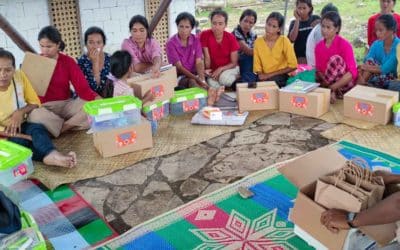
This "Picture of the Day" shows you one of the classes of brave women (and two or three men) who learn with our teams how to give first aid – Primary Medical Care which is the most important – to a person or a sick or injured child.
These first days of medical training welcomed around sixty participants from the most isolated and rural villages. To give you an idea, folks, none of these villages has access to clean or safe water, and only a few have access to some electricity. There is often no road leading there, but only paths that are often impassable. And, of course, no medical centre or health centre near the villages.
The participants are 95% women, and all are teachers in the school of their ultra-rural region. What they have been doing for a few months now is remarkable. They heal and undoubtedly save lives, see here some images taken with their mobile phone.
Aside from being most undoubtedly unique in the world, the magic of this "primary medical care" program is that it works. The first batch of about 60 teachers who have undergone training in rural primary medical care are now gaining more and more confidence, and hundreds of urgent medical care are being provided to the children of sick or injured adults. Lives are being saved.
In a few days, Fair Future Foundation with Kawan Baik Indonesia will evaluate this program directly from the villages, in the company of those who are its heroes, all these extraordinary women.
A 9-year-old child needs surgery quickly
This little boy’s name is Assaria, he’s nine years old. He has severe 3rd-degree burns to over 24% of his body and requires surgical attention. He is not well, and we have to find a solution together. He can barely walk because of terrible burns to his legs and back. The consequences while growing up are significant circulatory and neurological problems. If nothing is done, he risks a double amputation. Let’s help him get surgery for severe burns on both legs before his health deteriorates.
All Articles & News
Dive deep into the quiet revolution led by Fair Future Foundation in East Sumba, Indonesia. Here, you’ll find real stories of communities being transformed through medical, social, and infrastructural support. From combating diseases like malaria to setting up clean water sources, discover how we are rewriting the future of the most vulnerable.