
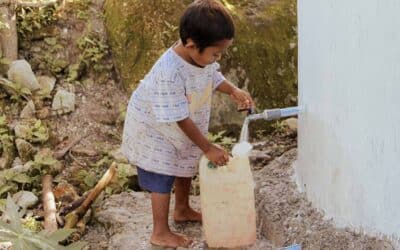
Access to clean water is a basic need that greatly influences the future of children in rural regions. First and...
Clean Water: A Child’s Better Future
read more
Delivering Care…
Swiss audited foundation with over 93 percent to the field


Support Care
All projects
Field updates
Field stories
The Fair Future Foundation in East Indonesia combats social and medical injustice and aims to ensure everyone has access to healthcare, clean water, and education. Join us in making a difference.
Responding rapidly to medical emergencies in remote villages, saving lives through urgent care.
Access to clean water is a basic need that greatly influences the future of children in rural regions. First and...
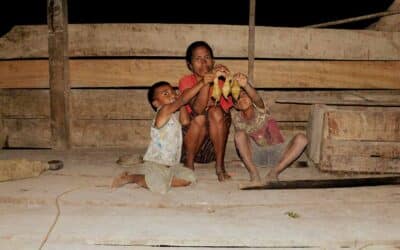
A vision of life stripped to its essentials. In East Sumba, a family's journey of resilience unfolds amidst a shortage...

Alex Wettstein, founder of Fair Future, talks about challenging yet transformative times. Alex speaks from the heart in a direct way. Learn how Fair Future’s unique approach to working and operating has led to sustainable and innovative solutions for providing access to healthcare, clean water, and healthy food for vulnerable communities.
Tuberculosis cases are increasing in ultra-rural communities in eastern Indonesia, due to inadequate living conditions, limited access to healthcare, and malnutrition. Learn more about the disease, how it is transmitted, and Fair Future’s efforts to provide education, early detection services, and treatment support to those affected.
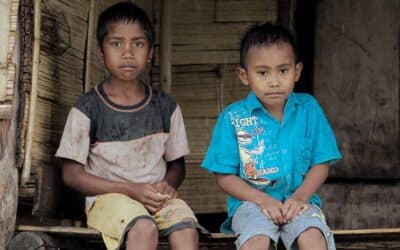
The global misuse and overuse of antibiotics have turned common infections into formidable challenges. Fair Future is addressing this crisis by empowering ultra-rural communities through education, improved hygiene practices, and enhanced medical access. By working together, we can mitigate this threat and safeguard future generations.
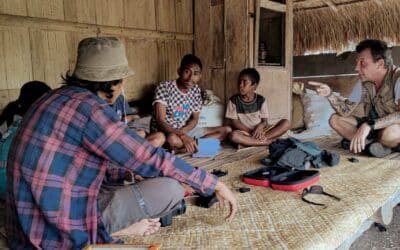
Antimicrobial resistance (AMR) stands as a major global health threat, transforming treatable infections into life-threatening diseases. Discover how the Fair Future Foundation is equipping communities with education, promoting responsible use of antibiotics, and ensuring access to clean water to tackle this pressing issue and safeguard future generations.
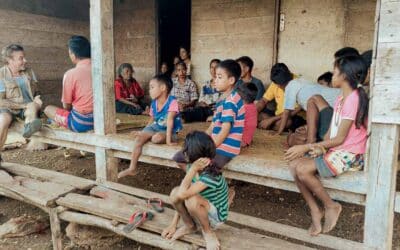
Mumps cases are rising in Indonesia, particularly in rural areas. Understand how the virus spreads, the symptoms, the serious risks it poses, and the urgent actions needed to protect vulnerable communities through education initiatives and improved vaccination campaigns.
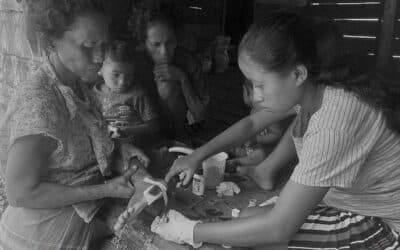
In the village of Lahiru, Ibu Sarlota, a health worker with Kawan Sehat, swiftly attended to a young boy's severe foot...
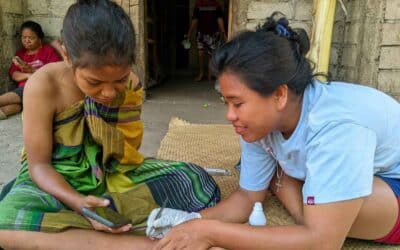
Kawan Sehat healthcare workers provide vital medical services and education to remote villages in Indonesia. Through photos showcasing their resilience and life-saving commitment, this article emphasizes their essential role in underserved communities and the impact of grassroots healthcare initiatives.
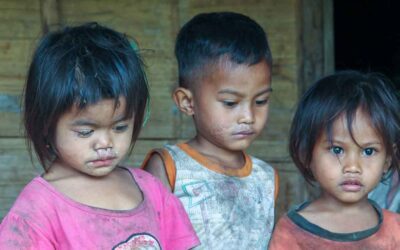
Polio is making a comeback in Indonesia, particularly in the areas where we operate. This outbreak is connected to inadequate hygiene practices, insufficient sanitation, and restricted access to clean water. With limited resources, we are vigorously combating it by launching prevention campaigns and enhancing water access as well as sanitation facilities to safeguard vulnerable communities.
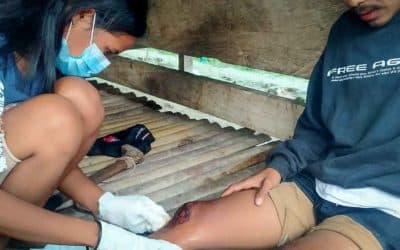
The daily case load managed by Kawan Sehat health agents through the #PrimaryMedicalCare program is truly remarkable. Each day, they deliver crucial first aid services, saving lives and enhancing health for individuals who lack access to basic care. Visit our photo gallery to see the extraordinary efforts of these women and the foundation at work on site.

A 14-year-old girl from Hudumburung, abandoned by her family due to poverty, has endured severe illness for years. Thanks to Kawan Sehat’s intervention, she is now undergoing essential medical tests and receiving care—her first step toward a better future. Many more children in remote regions remain without help.