

Delivering Care…

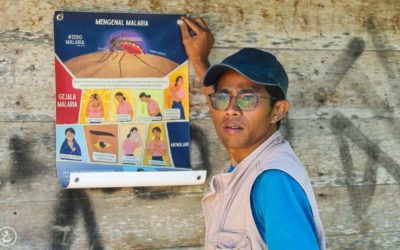
10 active prevention posters in villages and schools

Every action counts—support us today
Select Page

Donate

Support Care

Programs

All projects

Quick News

Field updates

Stories

Field stories

A bold step towards sanitation and clean water for Laindatang

A bold step towards sanitation and clean water for Laindatang

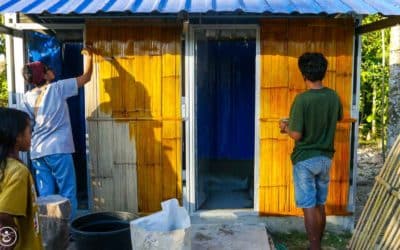
Laindatang in East Sumba, no clean water and no sanitation facilities. Fair Future changes this reality and brings about a remarkable transformation. A monumental journey that promises to revolutionize the future of this ultra-rural community. They don’t just build buildings, they create hope and opportunity. Their unwavering commitment is to strengthening the health and well-being of families who have faced isolation and hardship for too long.
read more
Bringing Sanitation to an Underserved Village in East Sumba

Bringing Sanitation to an Underserved Village in East Sumba

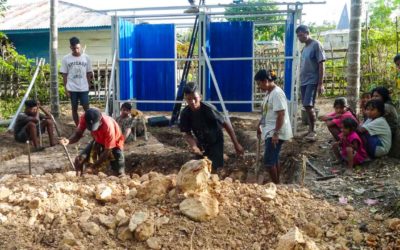
The image illustrates our ongoing project: the excavation of a septic tank. This is the very first step towards the installation of the first-ever sanitation infrastructure in the village's history. Our goal is to reinforce the health and well-being of the families in this community. In closely associating ourselves with the villagers, a core principle in our approach, we work hand in hand to provide them vital access to water and sanitation facilities, despite their isolation in the eastern part of Sumba.

For several months now, our organizations – Fair Future and Kawan Baik – have favored constructing lightweight steel facilities. This decision is based on hygiene, maintenance, and construction efficiency grounds. The entire structure (in this case, two toilet – shower stalls) is constructed at the Fair Future Foundation’s base camp in Waingapu, called Rumah Kambera. We then transport the dismantled structure to the site of installation. It takes about a week for our team to operationalize an installation like this, followed by one to two weeks dedicated to finishing and aesthetic touch-ups.

In this underprivileged environment, families lack access to basic services, needs such as access to water or electricity are non-existent. During the dry season, when rainwater tanks are almost empty, they must travel miles to collect just a few litres of often unsuitable water. See the related #waterconnections posts here.

In the village of Laindatang, inhabitants have never had the privilege of a working shower or toilet. The enthusiasm and joy are palpable as they witness the construction of these new facilities, bringing them a simple feeling of happiness.

This installation will also contribute to reducing infectious diseases caused by the absence of adequate sanitation facilities in the village. This will likely lead to an increase in the quality of life for the villagers, a reduction in the time spent gathering water, and promote overall community health and well-being. This initiative is more than just building sanitation facilities. It symbolizes the start of a new chapter for Laindatang, signifying change and development towards a healthier community.

Thus, the work of Fair Future and Kawan Baik extends beyond physical construction, promoting progress, health, and hope for the future.

read more
#ZeroMalaria, to eradicate malaria in Laindatang

#ZeroMalaria, to eradicate malaria in Laindatang

Fair Future Foundation, in collaboration with Kawan Baik Indonesia and Sumba Volunteer, is working to combat malaria in the highly affected region of East Sumba, Indonesia. Through their program, they aim to provide screening, prevention, and treatment to the remote village of Laindatang. The mission seeks to save lives and target vulnerable groups, such as children and pregnant women. Join them in their fight against malaria and help make a difference in East Sumba.

read more
The access to the village is a hope for a better life

The access to the village is a hope for a better life

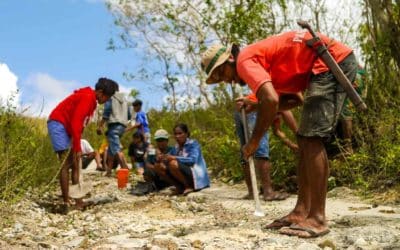
Discover the remarkable progress in our ongoing construction and repair efforts on the road to Laindatatang village in East Sumba. The Fair Future Foundation has been at the forefront, meticulously coordinating and overseeing this significant project for months. We’re thrilled to share that material trucks and tanker trucks can now effortlessly reach the village.

read more
The #ZeroMalariaSumbaTimur program has been successfully implemented

The #ZeroMalariaSumbaTimur program has been successfully implemented

In a concerted effort to fight the endemic scourge of malaria, the Swiss Fair Future Foundation has embarked on an extraordinary mission – the #ZeroMalariaSumbaTimur program. This groundbreaking initiative is taking place in the heart of Southeast Asia, specifically in the remote and underserved eastern expanse of Indonesia known as East Sumba.

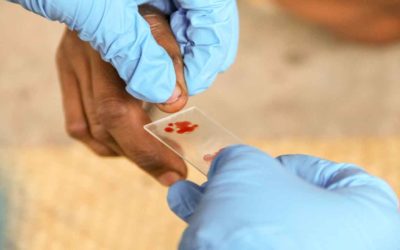
Having already screened and treated 2500 individuals across three severely malaria-affected villages in East Sumba, our undertaking is underscored by a tangible impact. This formidable feat, orchestrated through the synergy of committed individuals such as Alandio, Ino, Elthon, Alex, Ayu, Annisa or Ayu, resonates as a testament to unwavering dedication. Over seventy staunch contributors, bolstered by fifty fervent volunteers from diverse corners of Indonesia, assemble with a shared sense of purpose.

Collectively, we have curated a multi-disciplinary team of skilled nurses, physicians, and laboratory specialists, amplifying our medical outreach. This coalition is complemented by clever logistics and data management, facilitated by an innovative application collaboratively developed by the Fair Future and Kawan Baik Foundations.

The core of our effort extends beyond the simple detection of malaria; our priority lies in education and prevention. Empowering communities with knowledge and awareness is our ultimate goal. We disseminate vital information about this dangerous disease through immersive workshops and interactive sessions. Armed with this understanding, individuals cannotntify the symptoms of malaria but also take quick and informed action to avoid potential complications and even death, safeguarding their well-being and others—their relatives.

The tangible impact of this initiative ripples through the lives we touch. Early identification and effective malaria management have resulted in life savings. Additionally, our efforts extend to enlightening local healthcare providers, equipping them with the essential tools and resources for a decisive battle against this relentless disease.

Yet our journey is not free of challenges. Negotiating the region's labyrinthine topography, working with limited resources, and transcending language barriers requires inventive methodologies and a deep sensitivity to indigenous cultures. Establishing a foundation of trust within our communities is an indispensable facet, fostering the adoption of preventive measures and a tendency to seek prompt medical intervention when needed.

We invite you to join our collective effort in the fight against malaria. Hand in hand, we can create a transformative impact, save lives and shape a radiant tapestry of possibility for everyone.

read more
Beyond Borders, Fighting Malaria Together in Eastern Indonesia

Beyond Borders, Fighting Malaria Together in Eastern Indonesia

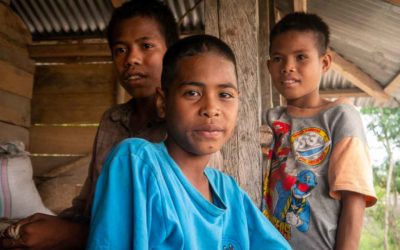
Beyond Borders: Fighting Malaria Together in Eastern Indonesia. This new "Picture of the Day"  shows three kids between 8 and 12 years old. Children are among the most vulnerable malaria victims in Indonesia, especially in the east of the country and of course here, where we work with Fair Future, Kawan Baik foundations and all our partners and friends.

The health and well-being of children in eastern Indonesia are threatened by malaria, which hinders their growth, development, and quality of life. Our organizations have a deep understanding of the urgency to address this issue, and we are working hard on our disease control program, which is of utmost importance. We have a strong track record of working in these regions where the epidemic affects about 80% of children. Collaborative efforts are underway to combat malaria and prioritize the welfare of children in these areas.

Young children are at a higher risk of contracting malaria due to their underdeveloped immune systems. Living in rural and poor areas with limited access to preventive measures only exacerbates the severity of symptoms if infected. A contributing factor is that young children typically haven't been exposed to the malaria parasite enough times to build up immunity* against it.

It can be challenging for young children in our regions to communicate or identify the symptoms of malaria, and their parents may not be familiar with them either. As a result, affected children may display non-specific symptoms like fever, tiredness, loss of appetite, irritability, and vomiting, which could easily be mistaken for other common childhood illnesses like drinking contaminated water. Consequently, this can cause delays in diagnosing and treating malaria accurately

*Some additional explanation: People living in malaria-endemic areas gradually develop acquired immunity, which reduces their susceptibility to severe infections in the future.

read more
Malaria in East Sumba: All villages turned Red!

Malaria in East Sumba: All villages turned Red!

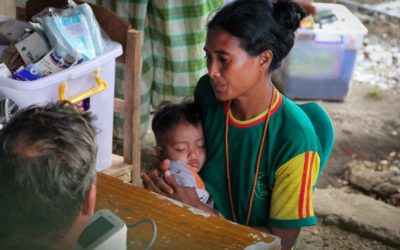
This new "Picture of the Day" shows you a brave but sad mom who asks for care for her little boy. She is a courageous but sad mother who seeks care for her little boy, who suffers from Malaria. With pain and more than 40 fever, He is the example of the "typical patient" here: Under five years old, this family lives in an ultra-rural and marginalized area. She is poor, and they don't have access to medical care or enough food and clean water; They don't have toilets either. Moreover, the whole village does not have access to electricity.

The medical staff of Kawan Baik and Fair Future Foundation bring him relief and medicine to lower his fever and get better as soon as possible. We also talk to the mother and give her good advice.

Let me re-explain to you what malaria is and why this disease is hazardous, and the categories of people it affects in the first place:

Malaria is caused by parasites transmitted by the bites of infected mosquitoes. Although anyone can get malaria, specific categories of people are more susceptible to severe illness and complications. We find that the impact of malaria varies by geographic region and local health infrastructure. Our efforts to fight malaria focus on prevention through measures such as the establishment of the Primary Medical Care Program (PMC), mosquito nets, spraying in villages (fogging), and learning to wash with an "ani-malaria or disinfectant" soap, among others. 

1. First, children under five: This is because young children have a weaker immune system and have not yet developed immunity to disease. They are more likely to have serious symptoms and complications, including severe anaemia and cerebral malaria, which can be life-threatening. This is the case here: Infant mortality is very high in ultra-rural areas and marginalized populations of East Sumba.

2. But also pregnant women: Of course, malaria can have adverse effects on both the mother and the unborn child. Pregnant women are at an increased risk of developing severe malaria, leading to complications such as maternal anaemia, spontaneous abortion, stillbirth or low birth weight infants. I spoke to you about a similar case in Kabanda, right?

Public health interventions to provide vital advice to the most affected populations via the #kawansehat program are essential. You have to be close to people if you want to advise them on the best way to have a healthier life.

3. Ultra-rural and marginalized populations: Communities living in rural and remote areas, often with limited access to health care, such as here in East Sumba, are disproportionately affected by malaria. Factors such as poverty, lack of knowledge about preventive measures and limited access to health services contribute to malaria's higher prevalence and impact in these communities.

4. Immunocompromised people: People with weakened immune systems, such as those living with HIV/AIDS, are more likely to contract severe malaria. We are also talking about people with chronic illnesses. Malaria can also aggravate the progression of HIV infection. And concerning the rate of HIV-positive people here is also very high, even with very few tests being conducted.

read more
A Word from Alex – Fair Future Foundation

A Word from Alex – Fair Future Foundation

On this page, Alex shares his reflections on his life experiences and his ideas about the foundation’s efforts, future plans, and the communities we serve. Each post invites you to engage with us to appreciate the spirit of humanity that fuels our mission.

read more
Strong women representing a strong nation

Strong women representing a strong nation

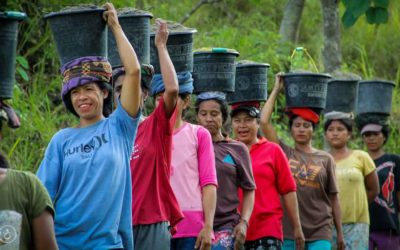
These women play a major role in the rural economy of their village. They are the ones who transport sand for the construction of a new drinking water reservoir on the Mbinudita site. They sing traditional songs to give themselves courage, because it takes a lot. They are the ones who are in charge of helping us, in what is certainly the most difficult work. Yes, strong women represent a strong nation.

read more
About Fair Future: Transforming Lives Through Action

About Fair Future: Transforming Lives Through Action

The Fair Future Foundation has significantly changed the lives of many in Southeast Asia by spearheading innovative programs in crucial areas such as healthcare, clean water, and education. This remarkable organization rests on the principles of compassion and transparency, ensuring that 93% of all funds are funneled directly into projects that make a lasting impact on underserved communities.

read more
×