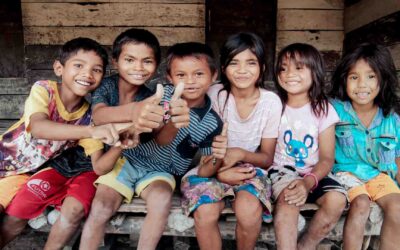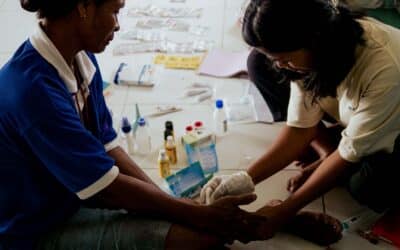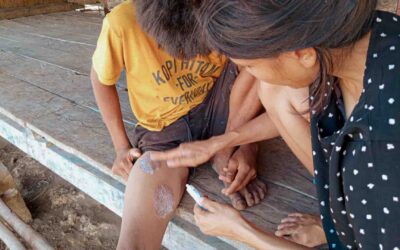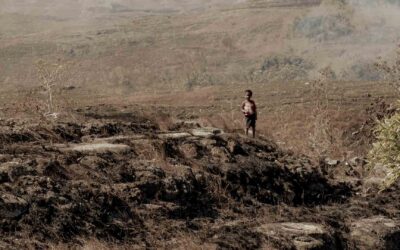

No access to healthcare defines daily life for millions of people living in ultra rural areas. In these regions, illness is not treated, diagnosed, or prevented. It progresses silently until it becomes life threatening. This medical absence shapes survival, health outcomes, and life expectancy.
I have written the following articles and content
Hello, my name is Alexandre WettsteinThe Fair Future Foundation in East Indonesia is dedicated to eradicating social and medical injustices by ensuring access to healthcare, clean water, and education for all.
Better year ahead from East Indonesia with Fair Future
As 2025 comes to an end in East Indonesia, Fair Future teams share a better year ahead East Indonesia message rooted in presence, care, and responsibility. After 16 years on the ground, our commitment remains focused on health access prevention and dignity where needs are greatest.
Merry Christmas 2025 from East Indonesia with Fair Future
Tonight is Christmas Eve in East Indonesia. While families gather elsewhere, Fair Future teams share a message of presence, gratitude, and community from the field, where Christmas has no snow but the same human warmth.
Medical Advices – Practical Health Guidance from the Field
Medical Advices brings together simple, reliable health guidance drawn from real field medicine. From infectious diseases to daily prevention, these articles turn medical knowledge into clear actions that help people understand risks, protect their health, and act early.
Skin infection prevention in rural Indonesia
Skin infections are not cosmetic. In ultra rural areas, small cuts, insect bites, or scratched skin can quickly become dangerous infections. Heat, dirty water, and delayed care increase the risk. Early cleaning and simple prevention save lives every day in the field.
Extreme heat health risks in ultra-rural care
Extreme heat is not just weather in ultra-rural communities. It is a medical risk that worsens dehydration, malnutrition, and infections. From the field, we see how simple actions and early recognition of heat illness save lives every day.
Kawan Sehat Medical App – Offline care in rural regions
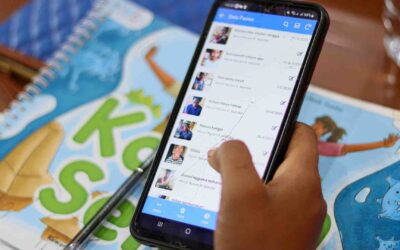
In ultra rural Indonesia, access to medical care depends on distance, roads, and signal. The Kawan Sehat Medical App was created to change that reality by enabling trained community health agents to deliver structured primary medical care without internet access, while generating reliable medical data for long term action.
Hand Hygiene in Rural Indonesia | Disease Prevention
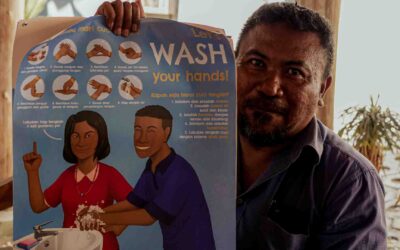
Hand hygiene rural Indonesia remains one of the most overlooked yet critical medical challenges in ultra-rural communities. Where water, soap, and sanitation are missing, infections spread easily. Education and simple infrastructure become powerful medical tools when healthcare access is limited.
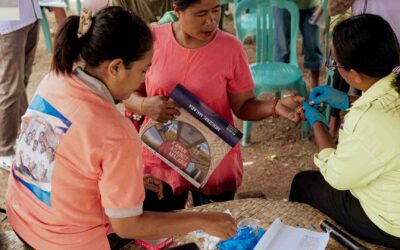
Malaria Screening in Rural Indonesia | Swiss Medical Fieldwork
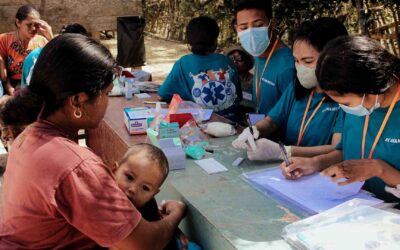
Beyond the rapid test, each screening includes education, explanation, and practical advice. This moment of dialogue often becomes the first real medical consultation families have ever received, turning a diagnosis into immediate protection.
Mbajik Solar Evaluation Through Children’s Eyes
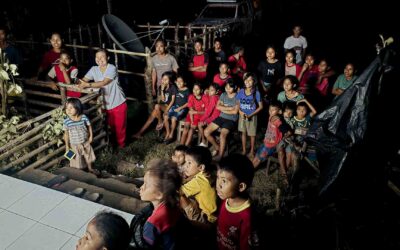
This Mbajik solar evaluation began at night, not with tools but with a film. Children and adults gathered to watch themselves on screen, for the second time. The first was in October, during installation. This time, it was different. This time, electricity was already part of their lives.
Solar Light for Children in Ultra-Rural Regions
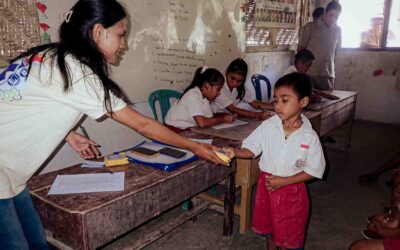
This new picture of the day shows solar light for children delivered through patience and care. In an ultra-rural classroom, a lamp is not simply handed over. Time is taken to explain, to show, to ensure understanding. For children living without electricity, light means safety, learning, and dignity once the sun goes down.
Kawan Sehat Ultra-Rural Medical Care in Eastern Indonesia
In eastern Indonesia, ultra-rural medical care depends on people who walk where vehicles cannot go. In regions cut off from roads, electricity, and doctors, Kawan Sehat health agents provide first-line treatment, prevention, and education. Their work fills the growing gaps left by under-equipped Puskesmas and overstretched hospitals.