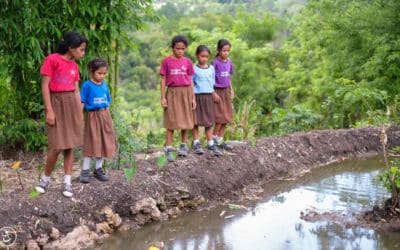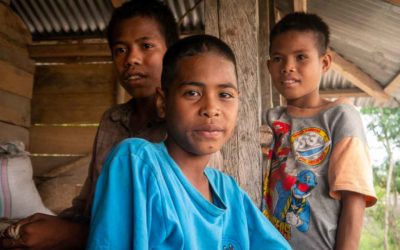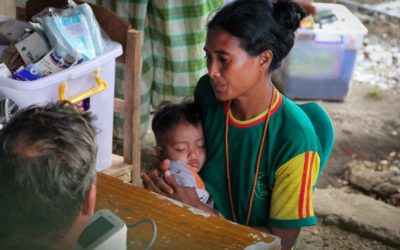


Fair Future Foundation, in collaboration with Kawan Baik Indonesia and Sumba Volunteer, is working to combat malaria in the highly affected region of East Sumba, Indonesia. Through their program, they aim to provide screening, prevention, and treatment to the remote village of Laindatang. The mission seeks to save lives and target vulnerable groups, such as children and pregnant women. Join them in their fight against malaria and help make a difference in East Sumba.
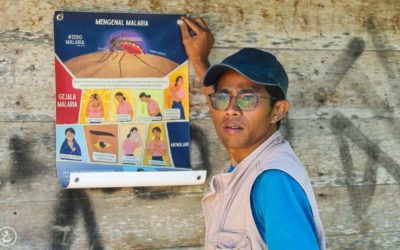
Through the Primary Medical Care program, Kawan Sehat health workers provide treatment for fevers, wounds, and malaria in villages lacking access to doctors. They carry essential medicines, adhere to established medical protocols, and refer emergency cases promptly to prevent delays in care.
Donate
Support Care
Programs
All projects
Quick News
Field updates
Stories
Field stories
KAWAN AGAINST MALARIA - HOW IS FAIR FUTURE FIGHTING MALARIA IN EAST SUMBA?
The Kawan Against Malaria program (formerly Zero Malaria) works to drastically reduce malaria cases in ultra rural areas. With local health authorities and Kawan Sehat agents, we diagnose and treat patients, distribute long lasting bed nets, spray houses, monitor data, and teach families how to protect themselves. This prevents severe anemia, dangerous fevers, and deaths especially among children and pregnant women.
The Kawan Against Malaria category of Fair Future Foundation focuses on our dedicated efforts to fight malaria in ultra-rural Indonesia. These stories showcase how we provide mosquito nets, conduct education campaigns, and strengthen community-based malaria prevention and treatment. Through partnerships and local collaboration, we bring life-saving solutions to areas most affected by malaria, helping protect families and reduce disease.
Kawan Against Malaria
The #ZeroMalariaSumbaTimur program has been successfully implemented
In a concerted effort to fight the endemic scourge of malaria, the Swiss Fair Future Foundation has embarked on an extraordinary mission – the #ZeroMalariaSumbaTimur program. This groundbreaking initiative is taking place in the heart of Southeast Asia, specifically in the remote and underserved eastern expanse of Indonesia known as East Sumba.
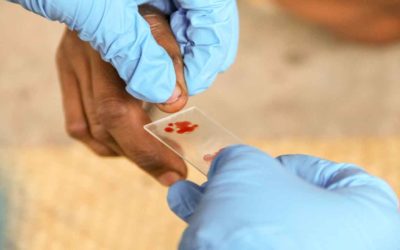
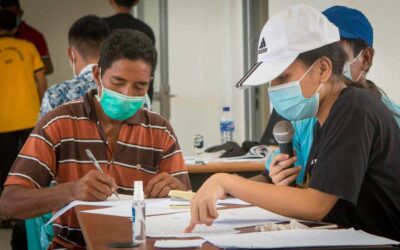
Having already screened and treated 2500 individuals across three severely malaria-affected villages in East Sumba, our undertaking is underscored by a tangible impact. This formidable feat, orchestrated through the synergy of committed individuals such as Alandio, Ino, Elthon, Alex, Ayu, Annisa or Ayu, resonates as a testament to unwavering dedication. Over seventy staunch contributors, bolstered by fifty fervent volunteers from diverse corners of Indonesia, assemble with a shared sense of purpose.
Collectively, we have curated a multi-disciplinary team of skilled nurses, physicians, and laboratory specialists, amplifying our medical outreach. This coalition is complemented by clever logistics and data management, facilitated by an innovative application collaboratively developed by the Fair Future and Kawan Baik Foundations.
The core of our effort extends beyond the simple detection of malaria; our priority lies in education and prevention. Empowering communities with knowledge and awareness is our ultimate goal. We disseminate vital information about this dangerous disease through immersive workshops and interactive sessions. Armed with this understanding, individuals cannotntify the symptoms of malaria but also take quick and informed action to avoid potential complications and even death, safeguarding their well-being and others—their relatives.
The tangible impact of this initiative ripples through the lives we touch. Early identification and effective malaria management have resulted in life savings. Additionally, our efforts extend to enlightening local healthcare providers, equipping them with the essential tools and resources for a decisive battle against this relentless disease.
Yet our journey is not free of challenges. Negotiating the region's labyrinthine topography, working with limited resources, and transcending language barriers requires inventive methodologies and a deep sensitivity to indigenous cultures. Establishing a foundation of trust within our communities is an indispensable facet, fostering the adoption of preventive measures and a tendency to seek prompt medical intervention when needed.
We invite you to join our collective effort in the fight against malaria. Hand in hand, we can create a transformative impact, save lives and shape a radiant tapestry of possibility for everyone.
Together, we are joining forces in a powerful effort to combat malaria
A collective initiative against malaria is currently underway in East Sumba, Indonesia. Fair Future, kawan baik, and Sumba Volunteers have joined forces with over 100 volunteers, including doctors, nurses, laboratory technicians, water experts, builders, and government officials. Their primary objective is to eradicate malaria entirely within a practical period, focusing on prevention, diagnosis, and treatment methods.
Malaria Program – Preparing and Mobilizing Resources
As we mentioned in last week’s newsletter, Fair Future Foundation, Kawan Baik Indonesia, and Sumba Volunteer are joining forces to launch a crucial health and medical operation to combat malaria in the Mahu region of East Sumba, Indonesia. The “Malaria Prevention Initiative 2023 – Sumba Timur 2023” aims to prevent, detect, and treat this devastating disease in one of the most affected regions. Malaria has become endemic in this area, establishing itself and finding a conducive environment for its spread, leading to an unprecedented increase in cases in recent months.
Water and sanitation are crucial in the fight against malaria
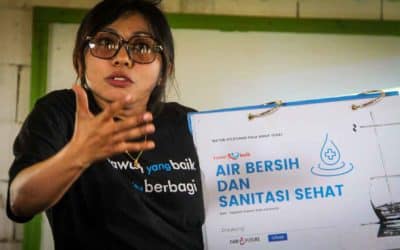
Check out the latest addition to our "Photo of the Day" collection featuring our colleague Kawean Essi. In the village of Mbinudita (East Sumba), Kawan Essi teaches a hundred villagers of all ages, including children, about the importance of clean and safe water and how it can lead to a healthier life. The "Water Connections" program is a practical approach to fight against various infectious diseases, such as malaria.
In the fight against malaria, it's essential to acknowledge the progress made. However, we must also recognize the crucial role of hygiene, clean water, and sanitation in eliminating this disease. This is why the Water Connections program exists – to provide access to these necessities.
At Fair Future, we understand that improving these fundamental aspects of daily life can significantly prevent malaria transmission and ultimately save lives. Addressing issues such as hygiene, water, and sanitation is crucial in the fight against malaria because they directly impact mosquito breeding, access to clean water, hygiene practices, and vector management.
We prioritize these issues in all our activities, particularly in implementing the "Malaria Prevention Initiative Sumba Timur 2023" program, which we aim to start as soon as possible as part of the PMC, Primary Medical Care program.
Together, we can dramatically reduce malaria transmission and improve the health and well-being of affected communities. We must prioritize these efforts to save lives, prevent unnecessary suffering, and move towards a significant decrease in malaria cases, especially here in Sumba, where we currently are.
Empowering Health and Transforming Lives of Children
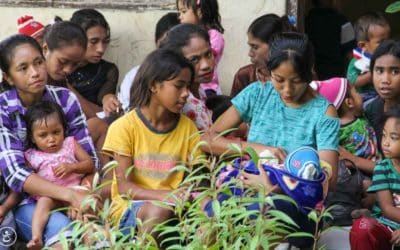
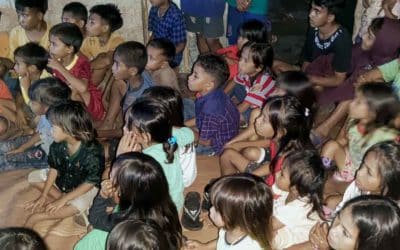
This new "Picture of the Day" displays a gathering of children in one of the homes in the remote village of Mbatapuhu, East Sumba. Our dedicated socio-medical team educates them on the importance of self-care, utilizing the "Kawan Sehat" guidebook. This village is situated in a challenging location with no access to electricity, clean water, or sanitation facilities. The nearest medical centre is over two hours away by motorbike or a gruelling six-hour walk. The villagers rely on nature for their restroom needs. Unfortunately, due to poor hygiene practices, malaria has become a significant issue. Additionally, malnutrition is a primary concern in this impoverished and rural community.
In the remote villages of East Sumba, the Fair Future Foundation conducts information sessions for children under the "Kawan Sehat" program during every visit. We collaborate with members of these rural communities to disseminate crucial information on maintaining good health, accessing better healthcare, and protecting oneself from diseases like malaria and dengue fever. These sessions, which are both informative and fun, equip children with the knowledge they need to lead healthier, more promising lives.
Malaria and dengue fever are grave illnesses that frequently afflict the rural areas of East Sumba. Through these sessions, we educate children on preventive measures such as using insecticide-treated bed nets, eliminating stagnant water and seeking medical assistance immediately upon experiencing symptoms. Through promoting this knowledge, we hope to significantly reduce the incidence of these diseases and safeguard children's health. The "Malaria Prevention Initiative Sumba Timur 2023" program was launched to combat malaria.
These sessions are not limited to specific illnesses but also cover topics such as personal hygiene, balanced nutrition, and healthy lifestyles. Children are encouraged to adopt positive habits like handwashing, consuming nutritious foods, and exercising. By incorporating such practices into their daily lives, they can develop more robust, healthier, and resilient bodies.
The Fair Future and Kawan Baik teams empower children and strengthen entire communities by providing vital information on disease prevention and healthy habits.
Sumba Malaria Prevention Program 2023
Discover how the East Sumba Malaria Prevention Initiative we are presently executing is combatting this destructive ailment. By implementing preventive measures like distributing mosquito nets treated with insecticides and raising awareness on eliminating mosquito breeding sites, this initiative strives to diminish the occurrence of malaria in the area. Witness the combined efforts of Fair Future and Kawan Baik, working together with local authorities and the severely impacted ultra-rural communities, to safeguard the population against this mosquito-transmitted disease.
Interactive Maps for Planning and Impact
Fair Future’s interactive maps serve as essential tools for planning and monitoring humanitarian efforts. Covering areas such as healthcare access, water infrastructure, and disease prevention, these dynamic maps meticulously document each phase of our initiatives to ensure accurate execution, effective interventions, and lasting impact.
Behavioral Impacts on Spread of Malaria
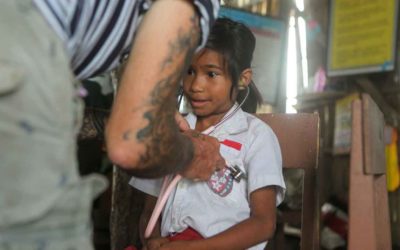
Beyond Borders: Fighting Malaria Together in Eastern Indonesia. This new "Picture of the Day" shows a young girl from Lapinu village who appears unwell. Taken in 2020, Alex examined her and used a stethoscope to listen to her heartbeat. In April 2023, we revisited the village as part of the Primary Medical Care program. Unfortunately, the girl contracted malaria and suffered from high fever, body pains, and poor overall health. However, after receiving treatment and giving advice to her mother, the little girl has shown significant improvement after just one month.
Our organisation is dedicated to promoting public health in ultra-rural regions of Indonesia (like here in East Sumba), and we're deeply concerned about the impact of malaria on vulnerable communities, as you know already. Sadly, malaria remains a leading cause of illness and death in Indonesia, particularly in East Sumba, where we are based.
Some little history: The word "malaria" originates in Italian. It comes from the expression "mal'aria", which translates as "bad air". This term was used historically to describe the belief that disease was caused by inhaling polluted or stale air in swampy areas. The Plasmodium parasite is responsible for causing malaria, and research suggests that it has been affecting humans for at least 4,000 years.
Several human behaviours contribute irreparably to the spread or persistence of malaria. Here are some of the factors that lead to an increase in malaria cases:
Failure to prevent mosquito bites, poor waste management, inadequate housing and sanitation, deterioration of hygienic conditions, deforestation, alterations to natural habitats, movement of people, drug resistance*** and misuse, limited access to health services, higher illiteracy rates among younger populations, and lack of community involvement and awareness can all lead to an increase in malaria cases… And this, among other examples!
As a result, many people, particularly children and pregnant women, continue to suffer from this preventable and treatable disease. Our program aims to tackle these issues head-on by implementing various activities to strengthen malaria control efforts in the region. It is crucial to highlight that combatting malaria demands a unified strategy encompassing preventive and therapeutic measures. It also involves initiatives to enhance the environment and living standards of communities affected by the disease.
***The problem of self-medication and the consequent development of resistance to antimalarial drugs are two interconnected challenges that significantly hinder the effective management and control of malaria.
Our aim is to take swift action against malaria
Malaria has a significant impact on Eastern Indonesia, specifically Sumba Timur, due to its remote and inaccessible locations, insufficient healthcare infrastructure, and limited preventative measures. Plasmodium falciparum and Plasmodium vivax malaria are both prevalent in these areas, with malaria transmission occurring year-round. We have partnered with various donors and organizations to take swift and efficient action to address this critical health issue.
Beyond Borders, Fighting Malaria Together in Eastern Indonesia
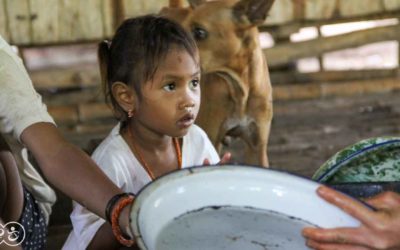
Beyond Borders: Fighting Malaria Together in Eastern Indonesia. This new "Picture of the Day" shows three kids between 8 and 12 years old. Children are among the most vulnerable malaria victims in Indonesia, especially in the east of the country and of course here, where we work with Fair Future, Kawan Baik foundations and all our partners and friends.
The health and well-being of children in eastern Indonesia are threatened by malaria, which hinders their growth, development, and quality of life. Our organizations have a deep understanding of the urgency to address this issue, and we are working hard on our disease control program, which is of utmost importance. We have a strong track record of working in these regions where the epidemic affects about 80% of children. Collaborative efforts are underway to combat malaria and prioritize the welfare of children in these areas.
Young children are at a higher risk of contracting malaria due to their underdeveloped immune systems. Living in rural and poor areas with limited access to preventive measures only exacerbates the severity of symptoms if infected. A contributing factor is that young children typically haven't been exposed to the malaria parasite enough times to build up immunity* against it.
It can be challenging for young children in our regions to communicate or identify the symptoms of malaria, and their parents may not be familiar with them either. As a result, affected children may display non-specific symptoms like fever, tiredness, loss of appetite, irritability, and vomiting, which could easily be mistaken for other common childhood illnesses like drinking contaminated water. Consequently, this can cause delays in diagnosing and treating malaria accurately
*Some additional explanation: People living in malaria-endemic areas gradually develop acquired immunity, which reduces their susceptibility to severe infections in the future.
Malaria in East Sumba: All villages turned Red!
This new "Picture of the Day" shows you a brave but sad mom who asks for care for her little boy. She is a courageous but sad mother who seeks care for her little boy, who suffers from Malaria. With pain and more than 40 fever, He is the example of the "typical patient" here: Under five years old, this family lives in an ultra-rural and marginalized area. She is poor, and they don't have access to medical care or enough food and clean water; They don't have toilets either. Moreover, the whole village does not have access to electricity.
The medical staff of Kawan Baik and Fair Future Foundation bring him relief and medicine to lower his fever and get better as soon as possible. We also talk to the mother and give her good advice.
Let me re-explain to you what malaria is and why this disease is hazardous, and the categories of people it affects in the first place:
Malaria is caused by parasites transmitted by the bites of infected mosquitoes. Although anyone can get malaria, specific categories of people are more susceptible to severe illness and complications. We find that the impact of malaria varies by geographic region and local health infrastructure. Our efforts to fight malaria focus on prevention through measures such as the establishment of the Primary Medical Care Program (PMC), mosquito nets, spraying in villages (fogging), and learning to wash with an "ani-malaria or disinfectant" soap, among others.
1. First, children under five: This is because young children have a weaker immune system and have not yet developed immunity to disease. They are more likely to have serious symptoms and complications, including severe anaemia and cerebral malaria, which can be life-threatening. This is the case here: Infant mortality is very high in ultra-rural areas and marginalized populations of East Sumba.
2. But also pregnant women: Of course, malaria can have adverse effects on both the mother and the unborn child. Pregnant women are at an increased risk of developing severe malaria, leading to complications such as maternal anaemia, spontaneous abortion, stillbirth or low birth weight infants. I spoke to you about a similar case in Kabanda, right?
Public health interventions to provide vital advice to the most affected populations via the #kawansehat program are essential. You have to be close to people if you want to advise them on the best way to have a healthier life.
3. Ultra-rural and marginalized populations: Communities living in rural and remote areas, often with limited access to health care, such as here in East Sumba, are disproportionately affected by malaria. Factors such as poverty, lack of knowledge about preventive measures and limited access to health services contribute to malaria's higher prevalence and impact in these communities.
4. Immunocompromised people: People with weakened immune systems, such as those living with HIV/AIDS, are more likely to contract severe malaria. We are also talking about people with chronic illnesses. Malaria can also aggravate the progression of HIV infection. And concerning the rate of HIV-positive people here is also very high, even with very few tests being conducted.