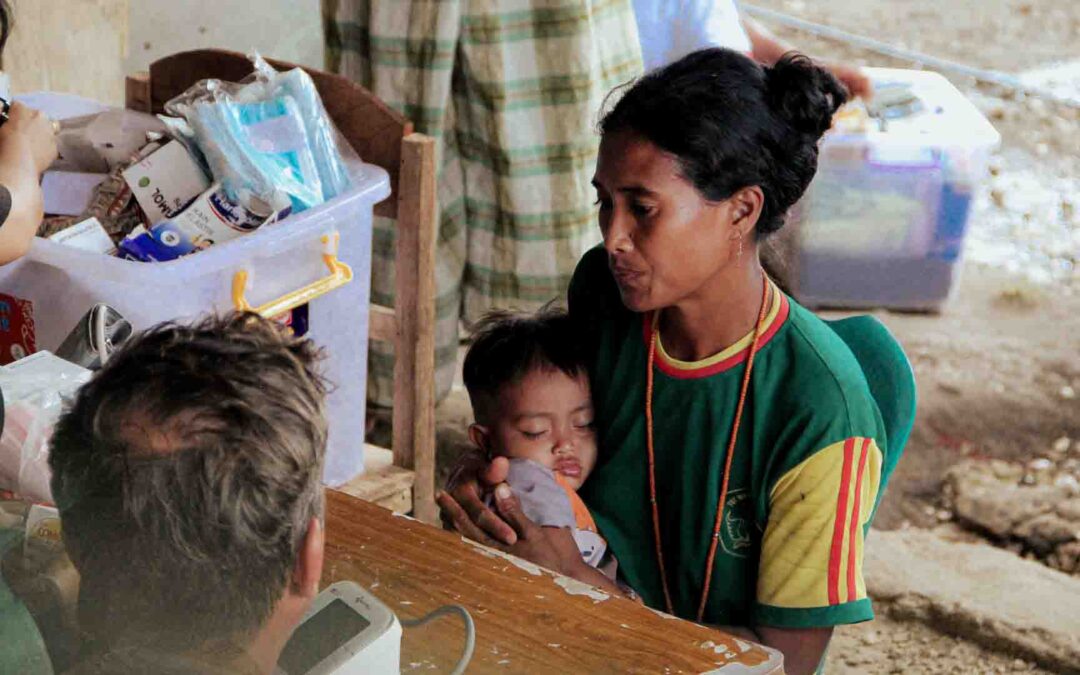
In the rural area of Laindatang, children use one pair of old scissors to cut each other’s hair as part of our hygiene initiative. This teaches them self-care skills and brings joy despite the challenging conditions.
We have compiled a list of articles and pages for this topic
The Fair Future Foundation in East Indonesia combats social and medical injustice and aims to ensure everyone has access to healthcare, clean water, and education. Join us in making a difference.
Focusing on prevention through education, outreach, and resources to stop disease before it starts.
Sexually transmitted infections rural Indonesia | Silent epidemic
Sexually transmitted infections in rural Indonesia remain largely undiagnosed due to lack of testing, education, and access to care. Untreated, they lead to infertility, chronic complications, and preventable transmission, reflecting deep gaps in public health systems.
Unsafe Water Childhood Diarrhea Indonesia | Health Crisis
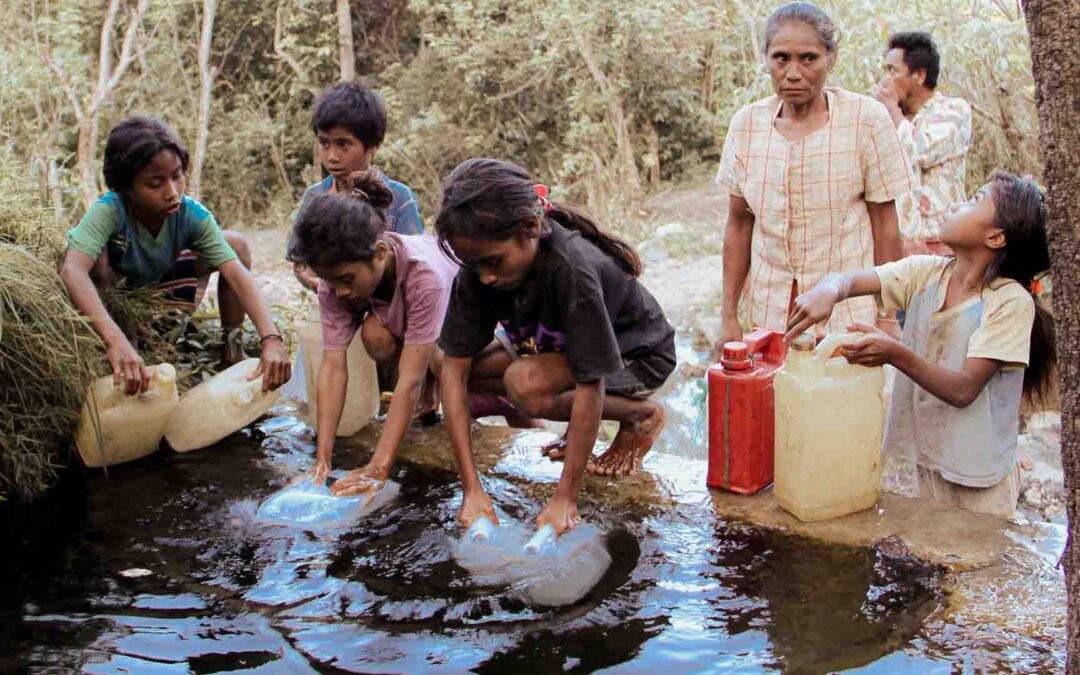
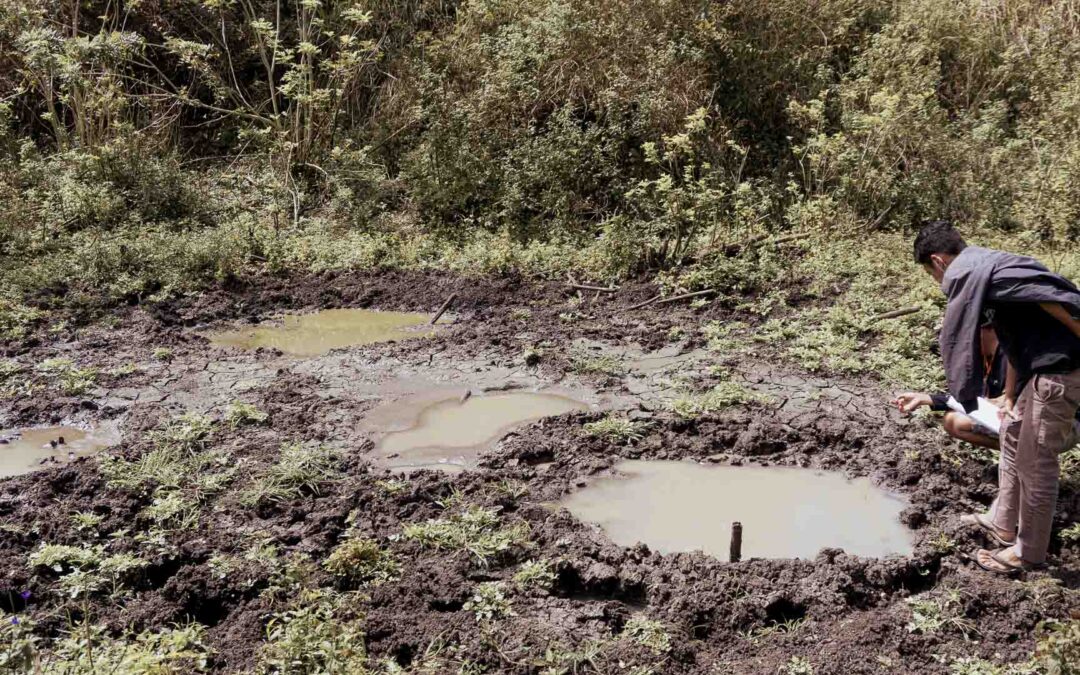
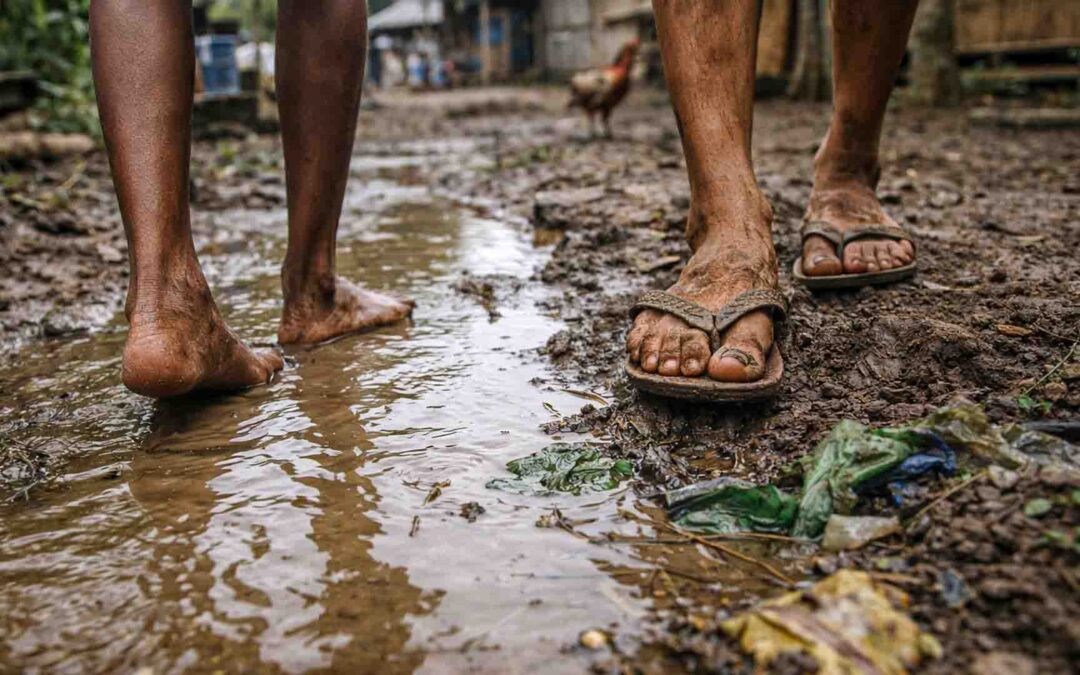
Unsafe water remains a major driver of childhood diarrheal diseases in rural Indonesia. Contaminated rivers, poor sanitation, and plastic pollution expose children to infection, dehydration, and malnutrition. Improving access to clean water and hygiene education is essential to protect child health.
Dengue Climate Change Indonesia | Rising Mosquito Risk
Climate change is reshaping dengue transmission across rural Indonesia. Warmer temperatures, longer rainy seasons and stagnant water near homes create ideal mosquito breeding sites. In isolated villages, prevention, environmental management and early diagnosis remain essential to reduce severe dengue cases.
Preventable deaths are geographic | Delay to care
Preventable deaths are geographic in ultra rural Indonesia. The decisive variable is not pathogen biology but time to first medical contact. When fever, cough or diarrhea begin, hours matter. In many villages, care is days away. Reducing delay is the most direct way to reduce mortality.
Medical Advices for Rural Health – Practical Prevention
Delivers WHO-based medical advice for ultra-rural communities, supporting early recognition, safer first actions, and prevention of infections where access to healthcare is limited or delayed.
Leptospirosis Rural Indonesia | Water and Infection
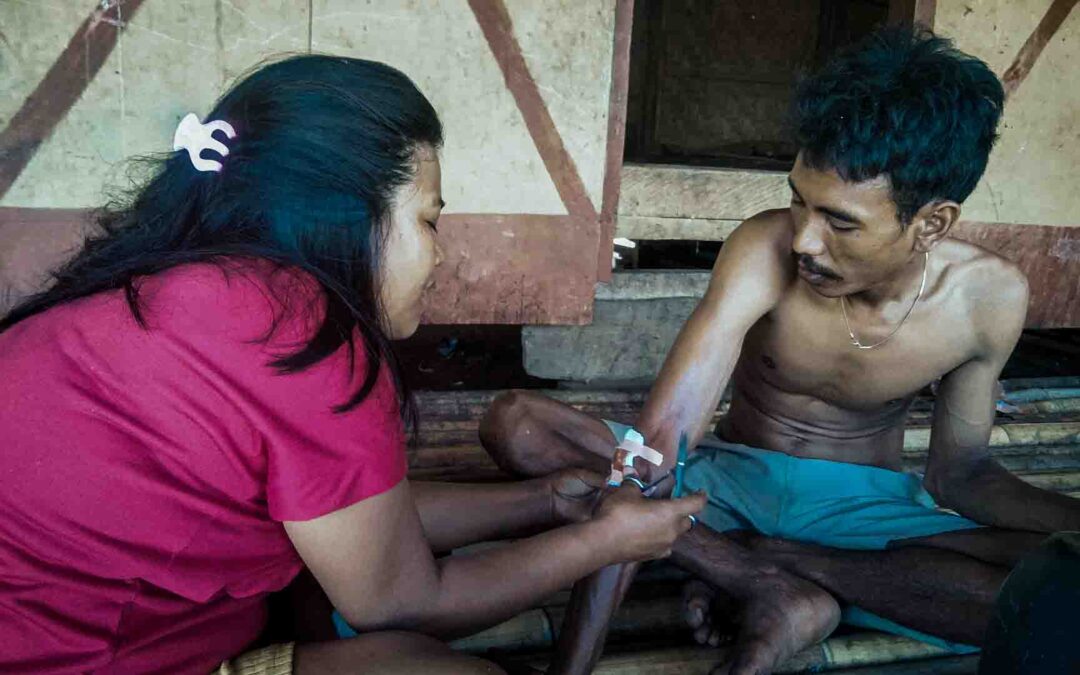
Leptospirosis in rural Indonesia remains dangerously underdiagnosed. In East Sumba and across NTT, unsafe water, rodent exposure, poor sanitation, and delayed care still turn a preventable bacterial infection into severe disease. Clean water, wound care, and early treatment save lives.
Global Health Funding Corruption | Rural Care
Global health funding should save lives. In ultra-rural Eastern Indonesia, too much of it is lost to corruption, inflated administrative costs, and weak delivery systems. The result is clinical and brutal: delayed care, missing medicines, failed referrals, and preventable deaths.
Tuberculosis Rural Indonesia | Poverty and Health Access
Tuberculosis remains one of the most persistent infectious diseases in rural Indonesia. Poverty, malnutrition and delayed diagnosis allow the disease to spread silently within households where access to healthcare remains limited. Community-based detection and treatment are essential to stop transmission.