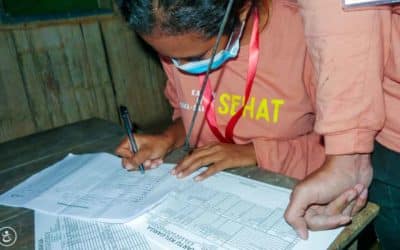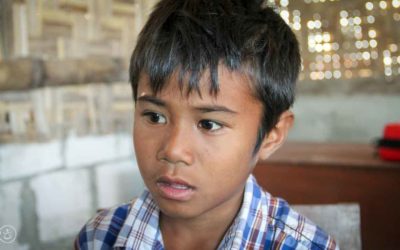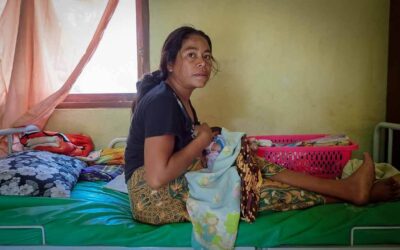


The #ZeroMalaria Sumba program by Fair Future is making significant strides in the battle against malaria in eastern Indonesia. Through its meticulous screening, precise treatment, and strategic approach, this initiative aims to save lives and ultimately eradicate the debilitating disease that has long plagued the region. Join the movement and be a part of this transformative campaign for a malaria-free future.
Since 2008, we have prioritized the health of everyone, especially children.
Fair Future is revamping healthcare for children in ultra-rural Indonesia. Our comprehensive programs address preventable diseases and maternal health, aiming to cultivate a generation that thrives in good health. Join us in our mission.
The Child Health category focuses on protecting and improving the health of infants and children living in ultra-rural environments with limited access to care. Articles address preventable diseases, growth monitoring, nutrition, hygiene, and early management of common childhood illnesses. Interventions follow WHO child health guidelines, combining primary medical care, prevention, and caregiver education. This category documents how timely care, vaccination, and basic health monitoring reduce child morbidity and mortality, strengthen families, and support healthy development under real field conditions.
Integrated Malaria Prevention Crusade for a Malaria-Free East Sumba
In the heart of East Sumba, Indonesia, the Fair Future Foundation is actively engaged in the battle against endemic malaria through its #ZeroMalariaSumbaTimur program, initiated in 2023. Learn how our multifaceted approach, including Interior Residue Spraying (IRS), is making a significant impact in reducing malaria transmission. Join us in our fight against this deadly disease and help build a malaria-free future for East Sumba.
Empowering Health and Transforming Lives of Children
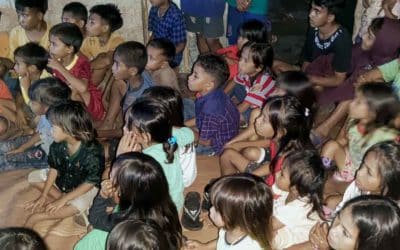
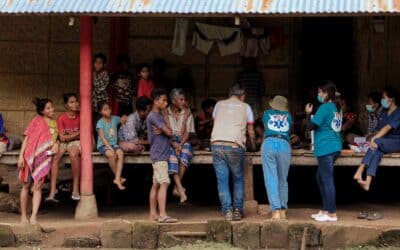
This new "Picture of the Day" displays a gathering of children in one of the homes in the remote village of Mbatapuhu, East Sumba. Our dedicated socio-medical team educates them on the importance of self-care, utilizing the "Kawan Sehat" guidebook. This village is situated in a challenging location with no access to electricity, clean water, or sanitation facilities. The nearest medical centre is over two hours away by motorbike or a gruelling six-hour walk. The villagers rely on nature for their restroom needs. Unfortunately, due to poor hygiene practices, malaria has become a significant issue. Additionally, malnutrition is a primary concern in this impoverished and rural community.
In the remote villages of East Sumba, the Fair Future Foundation conducts information sessions for children under the "Kawan Sehat" program during every visit. We collaborate with members of these rural communities to disseminate crucial information on maintaining good health, accessing better healthcare, and protecting oneself from diseases like malaria and dengue fever. These sessions, which are both informative and fun, equip children with the knowledge they need to lead healthier, more promising lives.
Malaria and dengue fever are grave illnesses that frequently afflict the rural areas of East Sumba. Through these sessions, we educate children on preventive measures such as using insecticide-treated bed nets, eliminating stagnant water and seeking medical assistance immediately upon experiencing symptoms. Through promoting this knowledge, we hope to significantly reduce the incidence of these diseases and safeguard children's health. The "Malaria Prevention Initiative Sumba Timur 2023" program was launched to combat malaria.
These sessions are not limited to specific illnesses but also cover topics such as personal hygiene, balanced nutrition, and healthy lifestyles. Children are encouraged to adopt positive habits like handwashing, consuming nutritious foods, and exercising. By incorporating such practices into their daily lives, they can develop more robust, healthier, and resilient bodies.
The Fair Future and Kawan Baik teams empower children and strengthen entire communities by providing vital information on disease prevention and healthy habits.
Our aim is to take swift action against malaria
Malaria has a significant impact on Eastern Indonesia, specifically Sumba Timur, due to its remote and inaccessible locations, insufficient healthcare infrastructure, and limited preventative measures. Plasmodium falciparum and Plasmodium vivax malaria are both prevalent in these areas, with malaria transmission occurring year-round. We have partnered with various donors and organizations to take swift and efficient action to address this critical health issue.
Fighting Malaria in Eastern Indonesia
East Sumba, where we work at the time of writing this article, was experiencing a dramatic malaria epidemic. In the first quarter of 2023, there were more than 28,000 cases of Malaria, a significant increase from the previous year. A few months ago, Fair Future declared this life-threatening emergency. Despite our best efforts, Malaria cases are increasing. Here, when a child has a fever, it is more than 80% of the time a question of Malaria. We conduct health education campaigns to raise awareness of the importance of malaria prevention and early detection. Efforts to control the epidemic should include the distribution of mosquito nets, the provision of essential antimalarial drugs, as well as rapid diagnostic tests.
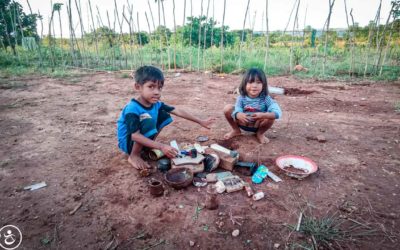
Inventing toys when you don’t have any
This "Picture of the Day" shows two children from Tanah Mbanas, Sumba Tengah, who have created a kitchen with waste from the plastic they found around their houses made of earth and bamboo. They are playing cooking. Here, families do not have access to water and even less to clean water.
Here in Sumba, in these ultra-rural villages, it is not uncommon for children of all ages to invent toys and games from natural materials or objects from waste or old. In these areas, children rely on their creativity and ingenuity to find new forms of play and have fun.
For example, children can make their toys from natural materials such as sticks, pebbles and leaves. They can use these materials to create games like building forts or playing "tag" with modified rules. Likewise, old items like cans, tires, or ropes can be repurposed to create new toys, like a toy truck, makeshift soccer ball, or swing.
These types of imaginative play experiences are very beneficial for the development of children. They encourage creativity, problem-solving and social interaction as children work together to develop new ideas and adapt the rules of their games. Additionally, playing in nature can provide opportunities for physical activity and exploration, positively affecting physical and mental health.
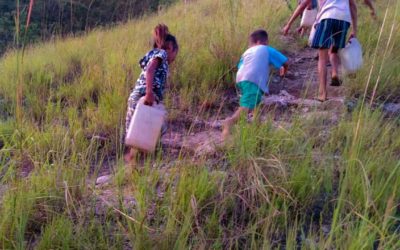
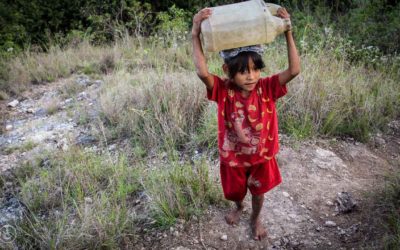
Kids here have to fetch water from the age of five!
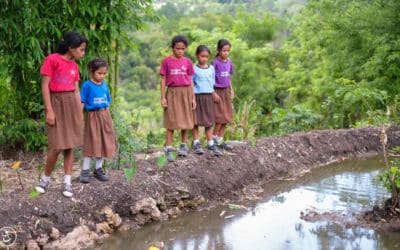
This "Picture of the Day" shows you a five-year-old girl who, twice a day, descends the hill, steep and stony, without shoes to fetch water. She runs to go to the source, 500m away. Sometimes she falls, hurts herself, and comes back up with difficulty carrying a 5-litre jerrycan of not-so-clean water, which she and her friends have been looking for at the source.
In this village, like in many others here, people can only wash once a month, are all sick and don't have enough to eat and drink. Without access to this clean water, families – especially children – suffer from severe malnutrition, chronic respiratory and joint diseases and other illnesses linked to the consumption of dirty water and the absence of sanitation facilities. The fight against malaria, dengue fever and infectious diarrhoea also requires access to clean water and healthy water tanks. And to water that does not stagnate but circulates between the installations.
As we have already said, East Sumba is the poorest province in Southeast Asia, the region with the highest child malnutrition and associated mortality. Fait Future, therefore, wishes to act for these hundreds of people and give them access to clean and healthy water for their health.
Health, happiness & sustainable development
What does Sustainable Development Goals mean in a nutshell for Fair Future? Reduce poverty (and not eradicate it because it is impossible), increase access to basic and primary medical care, improve access to technology and knowledge, reduce the number of undernourished people, be better health, reduce antimicrobial resistance, provide quality education for all, eliminate gender inequalities, reduce all forms of discrimination against women and girls, ensure universal protection and equitable access to clean, non-lethal water at an affordable cost and much more. Our teams on the ground manage to change things, that’s obvious, but it takes time.
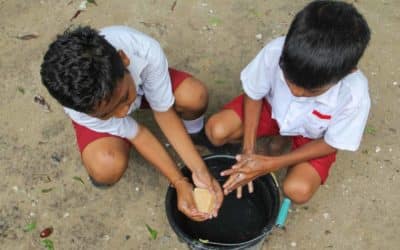
Washing hands to preserve health and life
Some forms of gastrointestinal and respiratory infections can lead to serious complications, especially in young children, the elderly, or people with weakened immune systems. This is why hand washing prevents the spread of disease. Indeed, many infectious and contagious diseases can be transmitted from one person to another through contaminated hands. These illnesses include gastrointestinal infections, such as salmonellosis, and respiratory infections, such as the flu, colds, and coronavirus (COVID-19). Washing your hands properly with water (when available) and soap will prevent the spread of germs, bacteria and viruses that cause these illnesses.
Women, children and water at home
Indonesian women play a vital role in water management due to their traditional responsibilities of collecting water, cooking, cleaning and raising children. These women from these ultra-rural areas of eastern Indonesia are strong. They represent tremendously well the strength and the courage it takes to survive here in this vast country. To fend for themselves most of the time, without the help of others, to meet the family’s most basic needs. Therefore, empowering women to increase water security is essential in the regions where we work. With climate change affecting water sources, it is vital to ensure that women are involved in water management decisions. This allows (we see this every day) families and local communities to improve their incomes and the health of family members, including their children.
A 9-year-old child needs surgery quickly
This little boy’s name is Assaria, he’s nine years old. He has severe 3rd-degree burns to over 24% of his body and requires surgical attention. He is not well, and we have to find a solution together. He can barely walk because of terrible burns to his legs and back. The consequences while growing up are significant circulatory and neurological problems. If nothing is done, he risks a double amputation. Let’s help him get surgery for severe burns on both legs before his health deteriorates.
We need anti-malaria drugs!
Fair Future issues an intense red alert linked to the case of malaria, which is reaching a critical level here in East Sumba, Indonesia. For weeks, thousands of malaria cases have been recorded here in East Sumba. This figure is nevertheless to be taken conditionally because, in many villages, people do not have an identity card or a family book or do not have access to medical care, so they are sick in silence.