

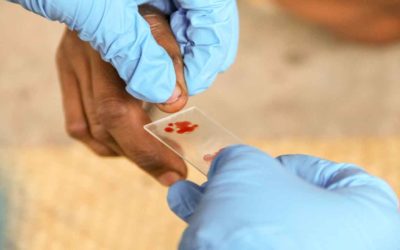
Change in Action…

Door-to-door training, every day

Every action counts—support us today
Select Page

Donate

Support Care

Glossary

Medical terms

Quick News

Field updates

Stories

Field stories
#ZeroMalaria, to eradicate malaria in Laindatang

#ZeroMalaria, to eradicate malaria in Laindatang

Fair Future Foundation, in collaboration with Kawan Baik Indonesia and Sumba Volunteer, is working to combat malaria in the highly affected region of East Sumba, Indonesia. Through their program, they aim to provide screening, prevention, and treatment to the remote village of Laindatang. The mission seeks to save lives and target vulnerable groups, such as children and pregnant women. Join them in their fight against malaria and help make a difference in East Sumba.

read more
The access to the village is a hope for a better life

The access to the village is a hope for a better life

Discover the remarkable progress in our ongoing construction and repair efforts on the road to Laindatatang village in East Sumba. The Fair Future Foundation has been at the forefront, meticulously coordinating and overseeing this significant project for months. We’re thrilled to share that material trucks and tanker trucks can now effortlessly reach the village.

read more
The #ZeroMalariaSumbaTimur program has been successfully implemented

The #ZeroMalariaSumbaTimur program has been successfully implemented

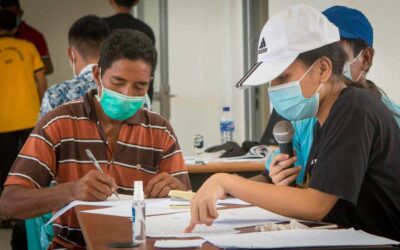
In a concerted effort to fight the endemic scourge of malaria, the Swiss Fair Future Foundation has embarked on an extraordinary mission – the #ZeroMalariaSumbaTimur program. This groundbreaking initiative is taking place in the heart of Southeast Asia, specifically in the remote and underserved eastern expanse of Indonesia known as East Sumba.

Having already screened and treated 2500 individuals across three severely malaria-affected villages in East Sumba, our undertaking is underscored by a tangible impact. This formidable feat, orchestrated through the synergy of committed individuals such as Alandio, Ino, Elthon, Alex, Ayu, Annisa or Ayu, resonates as a testament to unwavering dedication. Over seventy staunch contributors, bolstered by fifty fervent volunteers from diverse corners of Indonesia, assemble with a shared sense of purpose.

Collectively, we have curated a multi-disciplinary team of skilled nurses, physicians, and laboratory specialists, amplifying our medical outreach. This coalition is complemented by clever logistics and data management, facilitated by an innovative application collaboratively developed by the Fair Future and Kawan Baik Foundations.

The core of our effort extends beyond the simple detection of malaria; our priority lies in education and prevention. Empowering communities with knowledge and awareness is our ultimate goal. We disseminate vital information about this dangerous disease through immersive workshops and interactive sessions. Armed with this understanding, individuals cannotntify the symptoms of malaria but also take quick and informed action to avoid potential complications and even death, safeguarding their well-being and others—their relatives.

The tangible impact of this initiative ripples through the lives we touch. Early identification and effective malaria management have resulted in life savings. Additionally, our efforts extend to enlightening local healthcare providers, equipping them with the essential tools and resources for a decisive battle against this relentless disease.

Yet our journey is not free of challenges. Negotiating the region's labyrinthine topography, working with limited resources, and transcending language barriers requires inventive methodologies and a deep sensitivity to indigenous cultures. Establishing a foundation of trust within our communities is an indispensable facet, fostering the adoption of preventive measures and a tendency to seek prompt medical intervention when needed.

We invite you to join our collective effort in the fight against malaria. Hand in hand, we can create a transformative impact, save lives and shape a radiant tapestry of possibility for everyone.
read more
Together, we are joining forces in a powerful effort to combat malaria

Together, we are joining forces in a powerful effort to combat malaria

A collective initiative against malaria is currently underway in East Sumba, Indonesia. Fair Future, kawan baik, and Sumba Volunteers have joined forces with over 100 volunteers, including doctors, nurses, laboratory technicians, water experts, builders, and government officials. Their primary objective is to eradicate malaria entirely within a practical period, focusing on prevention, diagnosis, and treatment methods.

read more
Disease prevention, detection and treatment in rural areas

Disease prevention, detection and treatment in rural areas

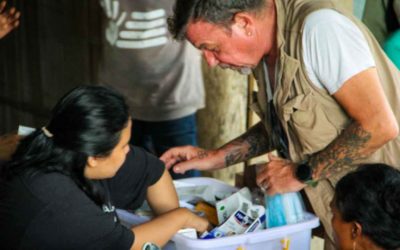
The teams of Fair Future and Kawan Baik are highly respected for their steadfast dedication to assisting ill and underprivileged individuals residing in far-flung rural areas of eastern Indonesia. Their selflessness holds true significance to them. However, it's not widely known that their medical and social teams put in tireless efforts, even during nighttime and 7-day workweeks. Through this new "Picture of the Day," we offer you the opportunity to witness their work as they combat health issues like malaria, unsafe water, and malnutrition while sacrificing their sleep.

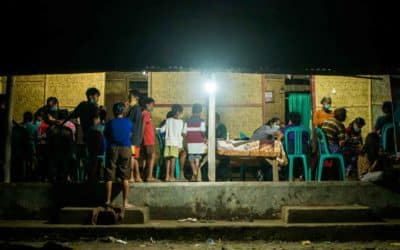
Diseases can strike at any time, even in the darkness of night. The teams, equipped with masks and Sumba coffee, fight against these illnesses. And during this time of the malaria epidemic, doctors, nurses and volunteers are working tirelessly to provide treatment to patients.

Their dedication and passion go above and beyond the call of duty, even working late into the night to provide lifesaving care. They save lives and do so with unwavering energy and enthusiasm.

On the spot, at all hours of the day or night, they not only treat the symptoms, they also attack the root causes of health problems. Fair Future and Kawan Baik foundation fight against diseases related to dirty water by providing facilities through the #waterconnections program and raising awareness in communities about the importance of hygiene. Their mission is to make communities more resilient and prevent diseases before they even appear.

Even when faced with difficult challenges and trying situations, the teams remain resilient and optimistic. Their sense of humor is a crucial component that aids them in overcoming tough times. It also fosters a strong bond between them, enabling them to maintain a positive outlook.

Alex Wettstein shares a few words about the Foundation's medical and social teams, who work tirelessly to help people who are sick or have urgent needs.

read more
Water and sanitation are crucial in the fight against malaria

Water and sanitation are crucial in the fight against malaria

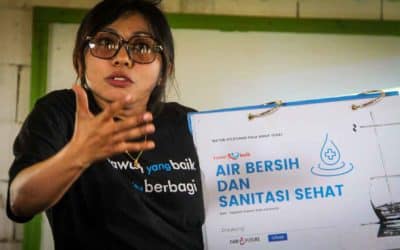
Check out the latest addition to our "Photo of the Day" collection featuring our colleague Kawean Essi. In the village of Mbinudita (East Sumba), Kawan Essi teaches a hundred villagers of all ages, including children, about the importance of clean and safe water and how it can lead to a healthier life. The "Water Connections" program is a practical approach to fight against various infectious diseases, such as malaria.

In the fight against malaria, it's essential to acknowledge the progress made. However, we must also recognize the crucial role of hygiene, clean water, and sanitation in eliminating this disease. This is why the Water Connections program exists – to provide access to these necessities. 

At Fair Future, we understand that improving these fundamental aspects of daily life can significantly prevent malaria transmission and ultimately save lives. Addressing issues such as hygiene, water, and sanitation is crucial in the fight against malaria because they directly impact mosquito breeding, access to clean water, hygiene practices, and vector management.

We prioritize these issues in all our activities, particularly in implementing the "Malaria Prevention Initiative Sumba Timur 2023" program, which we aim to start as soon as possible as part of the PMC, Primary Medical Care program.

Together, we can dramatically reduce malaria transmission and improve the health and well-being of affected communities. We must prioritize these efforts to save lives, prevent unnecessary suffering, and move towards a significant decrease in malaria cases, especially here in Sumba, where we currently are.

read more
Empowering Health and Transforming Lives of Children

Empowering Health and Transforming Lives of Children

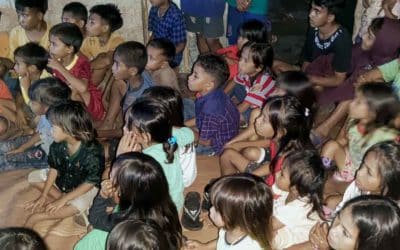
This new "Picture of the Day"  displays a gathering of children in one of the homes in the remote village of Mbatapuhu, East Sumba. Our dedicated socio-medical team educates them on the importance of self-care, utilizing the "Kawan Sehat" guidebook. This village is situated in a challenging location with no access to electricity, clean water, or sanitation facilities. The nearest medical centre is over two hours away by motorbike or a gruelling six-hour walk. The villagers rely on nature for their restroom needs. Unfortunately, due to poor hygiene practices, malaria has become a significant issue. Additionally, malnutrition is a primary concern in this impoverished and rural community.

In the remote villages of East Sumba, the Fair Future Foundation conducts information sessions for children under the "Kawan Sehat" program during every visit. We collaborate with members of these rural communities to disseminate crucial information on maintaining good health, accessing better healthcare, and protecting oneself from diseases like malaria and dengue fever. These sessions, which are both informative and fun, equip children with the knowledge they need to lead healthier, more promising lives.

Malaria and dengue fever are grave illnesses that frequently afflict the rural areas of East Sumba. Through these sessions, we educate children on preventive measures such as using insecticide-treated bed nets, eliminating stagnant water and seeking medical assistance immediately upon experiencing symptoms. Through promoting this knowledge, we hope to significantly reduce the incidence of these diseases and safeguard children's health. The "Malaria Prevention Initiative Sumba Timur 2023" program was launched to combat malaria.

These sessions are not limited to specific illnesses but also cover topics such as personal hygiene, balanced nutrition, and healthy lifestyles. Children are encouraged to adopt positive habits like handwashing, consuming nutritious foods, and exercising. By incorporating such practices into their daily lives, they can develop more robust, healthier, and resilient bodies.

The Fair Future and Kawan Baik teams empower children and strengthen entire communities by providing vital information on disease prevention and healthy habits.

read more
A healthier life thanks to the Water Connections program

A healthier life thanks to the Water Connections program

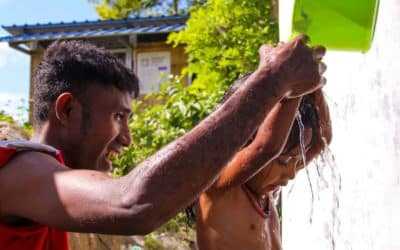
This new "Picture of the Day"  shows a delighted father who can now provide daily showers for his children, thanks to the newly installed water supply. Previously, they could only shower sporadically, sometimes only once a month. Additionally, the photo showcases the new sanitation facilities constructed in Mbinudita. The Water Connections project has successfully installed over forty reservoirs, thirty sanitary installations, three deep boreholes, and more than 15000 meters of HDPE pipes.

Water scarcity can be a significant source of stress for some regions, and various factors can cause it. Arid climates, low rainfall and prolonged droughts are just a few conditions that can contribute to water scarcity. Poor water resource management and a lack of knowledge can also exacerbate this problem, making it even more difficult for everyone to access the water they need to thrive. 
Despite these challenges, Fair Future is working hard to address water scarcity and ensure people have access to this vital resource. That is why we have developed the Water Program Connections.

Fair Future and Kawan Baik have noticed a significant improvement in the behaviour of families who have benefited from the "Water Connections" initiative. This program has enabled people to grow gardens, consume healthier food, enjoy life more, reduce stress, and boost energy levels. As a result, there has been a marked decrease in illnesses.

Witnessing these positive changes fills us with joy and reinforces our conviction in our decisions. Fair Future and Kawan Baik Foundation have always aimed to improve individual health, and providing access to safe drinking water is a beautiful way to accomplish this objective. As a Medical Foundation, Fair Future Foundation understands clean water's significance for maintaining good health. Drinking enough clean and healthy water is crucial for various physiological processes, including body hydration, proper organ function, digestion, and elimination of toxins.

Access to clean and safe water prevents dehydration-related illnesses, such as urinary tract infections, kidney stones, and constipation. It also significantly prevents dehydration, particularly in hot areas where sweating and water loss through respiration are common. While water is necessary for maintaining good health, we understand better than anyone else that certain medical conditions may require alternative treatments.

read more
Primary Medical Care Progress Report

Primary Medical Care Progress Report

The Primary Medical Care (PMC) program has made a remarkable difference in the rural communities of East Sumba, providing over a thousand treatments that offer critical medical assistance to those in need. Through their unwavering dedication and hard work, the women of the region have been empowered to take control of the health and welfare of their ultra-rural communities. By providing them with the essential knowledge, resources and tools, we have successfully equipped them to face all the socio-medical challenges that come their way. Over nearly five months, Fair Future and Kawan Baik, our partners, all participants, and teams collaborated to go above and beyond in reaching the most challenging areas and evaluating the impact of the field program. The results are awe-inspiring, leaving no doubt that the Primary Medical Care program is the definitive solution to ensure everyone can access emergency medical assistance.

read more
Kullup is a hole in the rock to collect rainwater

Kullup is a hole in the rock to collect rainwater

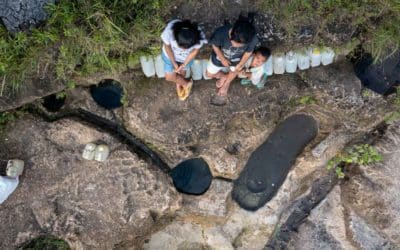
This new "Picture of the Day" shows you kids from the village of Laidatang, who fetch water far from home in the "Kullup" of the village. Elthon, responsible for documentation (with the black t-shirt), and Alex, from the medical staff, are also present in this photo. With the kids and one or two adults accompanying us, we walk more than an hour to reach this place in the middle of a high hill. You must descend a steep path to access these hand-dug holes in the rock. In 30 minutes, we will have to go up the hill and walk back. But this time, loaded with several jerrycans filled to the brim.

The Fair Future and Kawan Baik teams spend two days with the families of the ultra-rural and isolated village of Laindatang to get to know them even better. In this village, we have the project to create a #WaterConnections project. I let you read here the articles related to this project and here to see what your want to do to save their lives,

In Laindatang, families only have access to rainwater. It's for everything: eating, drinking, cooking, bathing, washing clothes, drinking water, caring for children, sick people or watering animals. Therefore, one of the ways for women and young girls to have water at home to live on is to walk several kilometres to find the "Kullup".

Kullup, what is it? These are small stone basins, directly dug into the rock by the villagers, used to collect and store rainwater in rural areas. When it rains, the water seeps into the ground at the top of the hill and then is filtered through the earth and the basements. It flows drop by drop in these stone basins, the "Kullup". Then the villagers come to fill their jerrycans with five or ten litres.

The "Kuluk" are an essential water source for the local communities. But the quality of stored water can be affected by bacterial contamination, chemicals, animal waste or debris. Therefore, regularly cleaning these small holes in the rock is essential to maintain water quality. It is important to note that the "kuluk" is only a temporary solution to the water crisis in areas with limited access to drinking water. Indeed, the "kuluks" cannot fill up correctly without rain. They dry out about ten days after the last rains and remain dry for almost nine months. To find water, young girls, women and children, sometimes under five, will have to walk even further and longer.

Our two organizations work with local communities to implement longer-term solutions, such as constructing water supply networks using deep boreholes and sealed and healthy rainwater cisterns. The Water Connections program offers innovative and sustainable solutions. It includes promoting water conservation practices with “Kawan Sehat” and self-sustaining access to Primary Medical Care through the PMC program.

read more
Helping ultra-rural families to have a healthier life

Helping ultra-rural families to have a healthier life

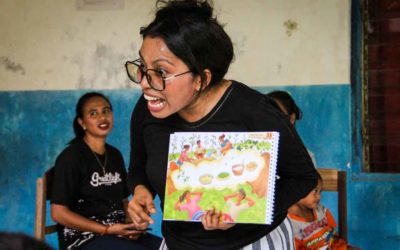
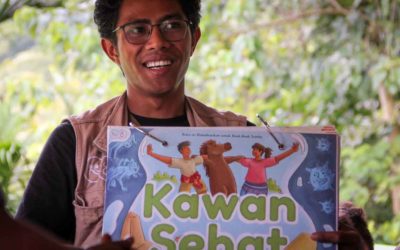
This new "Picture of the Day" features Kawan Ino, one of the Fair Future team members in Sumba (Rumah Kambera Leader), talking to health workers and the village community of Kabanda. To do this, he uses the "Kawan Sehat" book we produced at the end of 2022 for children in these regions. This book is an integral part of the program of access to primary medical care for children in ultra-rural areas.

We spend two days here, and you can read what we have done in Kabanda. This village is genuinely one of the most isolated I have ever seen. Getting it is difficult, even dangerous, at times. No road leads to this village; only extremely steep or steep stony paths allow us to go there. Kawan Ino explains how to have a healthier life thanks to implementing specific things in everyday life. This includes physical and mental health, body and home hygiene, daily habits and women empowerment.

Thanks to the Kawan Sehat program, we see a significant improvement in the health and well-being of rural populations. It is truly heartening to see healthy habits being encouraged and access to health care increasing. It is vital that everyone has access to quality health care, and we are happy that this program allows more people to receive the care they need.

Here, when a person is sick or injured while a woman is due to give birth, one of the only ways for her to receive medical attention is to carry her on people's backs for several hours or even a whole day until the nearest health centre. This person also does not know if he will arrive in time at the medical centre, called "Puskesmas or Pustu", as we have seen on several occasions.

This is why this book is necessary:Kawan Sehat” is intended for schools and teachers. It's an amazing teaching aid for them, and kids love it. Nothing is done here to give children the means to learn from an early age how to wash themselves, eat healthier, use soap, and learn not to pollute or brush their teeth etc… In the classrooms here in East Sumba, the book“Kawan Sehat” is the only one available for children; there are no others.

read more
Let’s prevent malaria rather than cure it!

Let’s prevent malaria rather than cure it!

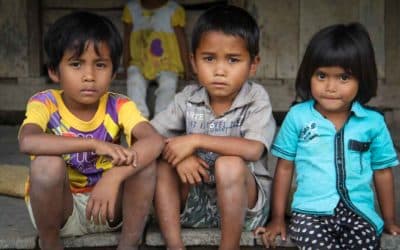
In this "Picture of the Day" shows you three children from Kabanda Village in East Sumba (read this post here), where the PMC program is in place. In this village, very far from everything, especially health centres, malaria is very active and wreaking havoc. We are talking about 80% of children under 12 are affected. It is, therefore, essential to prevent and train families. This is what we are doing here.

The daily observations concerning the causes of malaria are multiple here. These include, in particular, the lack of access to health care, information on prevention methods, the unavailability of health centres and sanitation, and the growing resistance to antimalarial drugs for regions with access to these treatments.

A reminder for all Kawans: Malaria is transmitted by female mosquitoes of the "Genus Anopheles", throughout the East Sumba region. These mosquitoes breed in standing water, such as rainwater storage tanks and open water sources, most of the time in rural and deprived areas of East Sumba.

As Fair Future has repeatedly seen and repeated for years, the consequences of malaria are serious if nothing is done to treat it: High fever, severe headache, nausea and vomiting. If not treated quickly, the disease can progress and lead to severe complications, including kidney failure, anaemia, seizures and death.

It is essential to train families and rural communities to protect themselves from this disease to reduce its transmission. Also, by learning how to prevent and treat Malaria, rural families and communities will reduce the economic and social burden of the disease. Malaria entails high costs for families and communities, particularly medical expenses (if they can access them), school absenteeism, and reduced productivity.

As we apply it with the Primary Medical Care Program (PMC), training families and rural communities to protect themselves from malaria contributes to strengthening the resilience of these populations in the face of epidemics of infectious diseases such as HIV, Tuberculosis, Gastroenteritis, cholera etc… 

Alexandre Wettstein from the Foundation’s Medico-Social Camp in East Sumba, Rumah Kambera, Lambanapu, on the 2nd of May 2023

read more
×