

Delivering Care…

More than 40,000 people reached with training

From the field:help us deliver care
We provide medical & social assistance where it is most needed. Since 2008 we have helped thousands of people & talk about what they are going through.
Select Page
Logo of the Swiss Fair Future Foundation

Donate

Support Care

Programs

All projects

Quick News

Field updates

Stories

Field stories

Content type Post Page Gallery
What does a kitchen look like without food or water

What does a kitchen look like without food or water

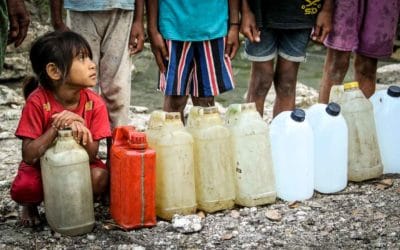
This new "Picture of the Day" shows you what the kitchen of an East Sumba family is like. A kitchen like there are tens of thousands here. One of the elements we always see is the presence of five-litre jerry cans. They are the ones that serve as a container for the water that the girls and women have to fetch from afar. We also notice the absence of food, including no rice, only corn. Rice is expensive, and nobody can buy it here in Laindatang, East Sumba: No electricity, running water, and sink.

Just a hearth that will be used once a day only to prepare corn porridge mixed with vegetables and roots that the women have been looking for in the forest. Salt and red peppers. That will be all for the day and the whole family, including dogs and cats.

Families here live without clean or potable water, yet access to potable water is crucial for survival and maintaining good health. Without clean water, families in the areas where Fair Future and Kawan Baik work are forced to drink contaminated water, which leads to waterborne diseases such as cholera, typhoid fever and dysentery.

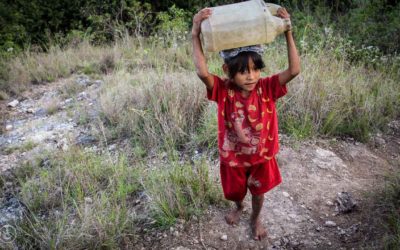
This has an immense impact on daily life and livelihoods. Women and children must walk long distances to fetch water, which takes up much time and interferes with other activities such as work or education.
read more
What do the sanitary facilities we build look like?

What do the sanitary facilities we build look like?

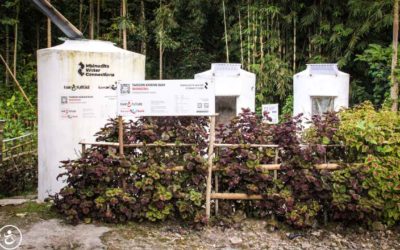
This new "Picture of the Day" shows you an example of construction that we carry out in the poorest villages of Indonesia and Asia. Here the families before did not have access to clean water and toilets. Fair Future and Kawan Baik Foundations have been changing this for years, and noticeable changes are being seen.

Access to drinking water and toilets is a fundamental human right. Still, unfortunately, in the regions where we are, nearly 90% of families in ultra-rural areas do not have access to these necessities. Here are some steps that can be taken to provide access to clean water and toilets in the regions that do not have access:

The first step is to identify the areas most needing these facilities. Fair Future and Kawan Baik proceed through research, surveys, and working with our local partners and authorities. Once regions that do not have access to clean water and toilets have been identified, we develop plans to provide these services. This takes into account the specific needs of each community. To do this, we have several ways to provide access to clean water, such as drilling deep wells, installing water filtration systems and collecting rainwater. The method used will depend on the specific needs of the community.

Access to toilets is also essential to reduce the rate of infectious diseases such as Cholera, Dengue, hepatitis A, and Malaria. In this photo, two sanitary facilities have been built using the Ferro-Cement method, with a tank for collecting dirty water and clean water for watering.

Fair Future also considers it essential to educate the community on the importance of hygiene and sanitation practices to prevent the spread of disease. We do this through the #waterconnections and #kawansehat and #primarymedicalcare programs.

One of our missions is also to monitor and maintain these new facilities. This requires the training of local community members who will carry out essential maintenance and repairs.

read more
Inventing toys when you don’t have any

Inventing toys when you don’t have any

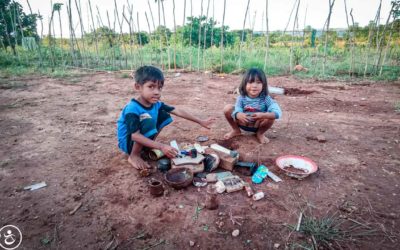
This "Picture of the Day"  shows two children from Tanah Mbanas, Sumba Tengah, who have created a kitchen with waste from the plastic they found around their houses made of earth and bamboo. They are playing cooking. Here, families do not have access to water and even less to clean water.

Here in Sumba, in these ultra-rural villages, it is not uncommon for children of all ages to invent toys and games from natural materials or objects from waste or old. In these areas, children rely on their creativity and ingenuity to find new forms of play and have fun.

For example, children can make their toys from natural materials such as sticks, pebbles and leaves. They can use these materials to create games like building forts or playing "tag" with modified rules. Likewise, old items like cans, tires, or ropes can be repurposed to create new toys, like a toy truck, makeshift soccer ball, or swing.

These types of imaginative play experiences are very beneficial for the development of children. They encourage creativity, problem-solving and social interaction as children work together to develop new ideas and adapt the rules of their games. Additionally, playing in nature can provide opportunities for physical activity and exploration, positively affecting physical and mental health.

read more
Primary medical care dedicated to children

Primary medical care dedicated to children

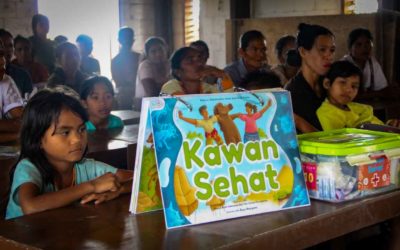
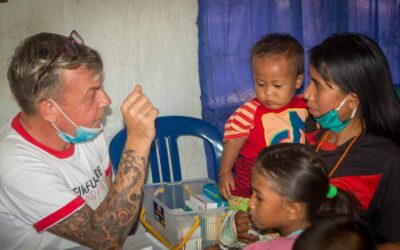
This "Picture of the Day"  shows children who, thanks to the "Primary Medical Care" programme, learn to protect themselves against illness and injury through simple gestures and habits. Children in these regions do not have access to health centres, and no doctors are present in these villages (apart from those from the Fair Future and/or Kawan baik Indonesia foundations). It makes prevention an essential component of their health and well-being. Children in ultra-rural areas can significantly reduce their risk of illness or injury by incorporating simple habits and actions into their daily routines. In addition, it is essential to make children and parents aware of the importance of these habits and gestures so that they become part of their daily lives.

Giving primary medical care is not insignificant. It usually is doctors and nurses who do this. This is what makes this program unique in terms of innovation. Those who provide care, life-saving drugs and cures for Malaria, for example, are the teachers of this isolated village in eastern Indonesia. Therefore, for us here on site, it is essential to assess the impact and effectiveness of this program regularly. We carry out surveys, and we meet to collect medical data. We, therefore, highlight the areas where we can make the necessary changes. If this primary medical care program is a huge success, it is because it involves the communities in the various planning and implementation processes.

Teachers and parents of ill or injured children provide us with essential information. This 100% medical emergency program is in the process of success. It requires multiple collaborations, adequate ongoing training, sharing of supported cases and regular evaluation to ensure its safety, effectiveness and sustainability.

read more
Malnutrition is taking its toll here where we are

Malnutrition is taking its toll here where we are

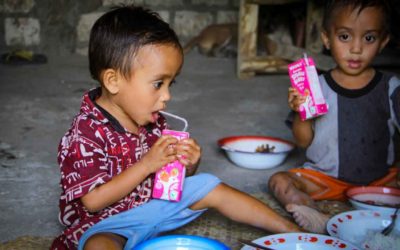
This "Picture of the Day" shows children in East Sumba, where we are at work, as I post this Photo of the Day. Fair Future and Kawan Baik teams, as part of the #kawansehat #primarymedicalcare and #waterconnections projects, cook for children in the most rural and poor areas. In this image, some are drinking strawberry milk for the first time. They had never seen a straw before, and I remember all the kids asking us how to drink that kind of drink. We had to show them and help them plant the straw in the milk carton.

Malnutrition is an endemic problem here in all the rural villages of East Sumba. It is also the region with the highest rate of malnourished children in Indonesia. Here, clean water is absent from the houses, and the consumption of unclean water generates health problems and serious illnesses. And to cook, drink, and wash, you need water. And in order not to get sick, you also need water. Food production cannot occur without water, and families do not have enough income to buy food, rice and vegetables. On average, they live with less than two litres of water per person per day for everything: cooking, eating, drinking, drinking, bathing, going to the toilet and doing laundry. Have you ever tried?

Most children here are underweight and malnourished because they cannot eat enough. Meal frequency is one meal per day. Young children may be able to eat twice if all goes well. The menu will consist of rice and corn because more than rice alone is needed. In East Sumba, a kilo of rice costs three times more than in Java or Bali. Only a little salt and peppers accompany the meal to give flavour and taste.

read more
We have a toilet for the first time in our life!

We have a toilet for the first time in our life!

This "Picture of the Day" shows you an adorable couple from East Sumba, the village of #mbinudita -who are not used to being photographed-. Beneficiaries of the #waterconnections program who have had access to toilets at home for a few hours. But not only toilets: They can shower there, wash their clothes, and create a vegetable garden. And most importantly, eat and drink healthily. No more getting sick from the water. No more spending hours on the paths to fetch a few litres of dirty water.

East Sumba is one of the regions in the world with the highest rate of malnourished children. Infant mortality due to lack of clean water and toilets is staggering. Our medical teams still spend much of their time giving medical treatment and medicine to people and children who don't have clean water to swallow. Or how to treat a child who suffers from diarrhoea by giving him tablets that he will have to drink with inedible water, the source of his illness? Say to cook the water? It has no wood; frankly, when you're thirsty, you drink what's there.

But here, things have changed dramatically. Over thirty healthy sanitation facilities and over forty clean water tanks have been built for these almost 280 #rebuildmbinudita families. Every week we see new vegetable gardens created, many more children going to school, including young girls, and more mothers looking after their families instead of walking for hours to fetch five litres of dirty water.

read more
When only dirty water remains to try to survive

When only dirty water remains to try to survive

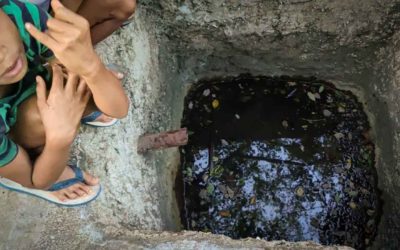
This "Picture of the Day" shows some children looking slightly disappointed at the edge of the well, which contains no water. There are only 30 to 50 centimetres of water left. This water is black and dirty, and it will surely make them sick. But they will bring some back because, as the villagers often tell me: "When you're thirsty, you don't have time to boil water or find clean water. You're thirsty, so you drink this that there is …".

Having clean water heals people, improves families' health and reduces disease. Water is the best medicine in the world.

Here in Laindatang, the community, its inhabitants, and the families have always maximized the use of rainwater for cooking, eating, and drinking. Washing or doing laundry is done simultaneously: People wash their bodies with detergents directly at the water source. Linked to the lack of water, the villagers wash only once a month – with the related health consequences – or at best, every two weeks.

It should be noted that these families have never had sanitary facilities. Peeing and pooping are done behind a tree with all the health issues. For menstruating women, the lack of water makes this time very complicated.

A sanitary emergency: We invite you to support the urgent program in the village of Laindatang, East Sumba, which consists of giving water as quickly as possible via a deep borehole, two healthy sanitary installations and two/three water tanks 6,750-litres of water to these several hundred people. Click on the button bellow.

read more
Learn how to provide Primary Medical Care

Learn how to provide Primary Medical Care

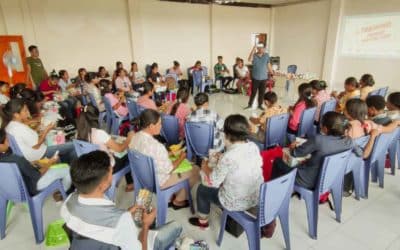
This "Picture of the Day" shows you one of the classes of brave women (and two or three men) who learn with our teams how to give first aid – Primary Medical Care which is the most important – to a person or a sick or injured child.

These first days of medical training welcomed around sixty participants from the most isolated and rural villages. To give you an idea, folks, none of these villages has access to clean or safe water, and only a few have access to some electricity. There is often no road leading there, but only paths that are often impassable. And, of course, no medical centre or health centre near the villages.

The participants are 95% women, and all are teachers in the school of their ultra-rural region. What they have been doing for a few months now is remarkable. They heal and undoubtedly save lives, see here some images taken with their mobile phone.

Aside from being most undoubtedly unique in the world, the magic of this "primary medical care" program is that it works. The first batch of about 60 teachers who have undergone training in rural primary medical care are now gaining more and more confidence, and hundreds of urgent medical care are being provided to the children of sick or injured adults. Lives are being saved.

In a few days, Fair Future Foundation with Kawan Baik Indonesia will evaluate this program directly from the villages, in the company of those who are its heroes, all these extraordinary women.

read more
A simple jerrycans story in East Sumba

A simple jerrycans story in East Sumba

Two litres of water per day and per person to live. And this, thanks to an object as innocuous as an old five-litre can. A stupid plastic container? For most of us, it is an object that will go irretrievably in the trash. But here, for the families that Fair Future and Kawan Baik work with – tens of thousands of families – it is essential to the survival of an entire family because it is thanks to him that these two litres of water will come home. So, let’s talk a bit about plastic canisters, if you don’t mind, to understand why it’s so important.

read more
Women, children and water at home

Women, children and water at home

Indonesian women play a vital role in water management due to their traditional responsibilities of collecting water, cooking, cleaning and raising children. These women from these ultra-rural areas of eastern Indonesia are strong. They represent tremendously well the strength and the courage it takes to survive here in this vast country. To fend for themselves most of the time, without the help of others, to meet the family’s most basic needs. Therefore, empowering women to increase water security is essential in the regions where we work. With climate change affecting water sources, it is vital to ensure that women are involved in water management decisions. This allows (we see this every day) families and local communities to improve their incomes and the health of family members, including their children.

read more
Malaria outbreak in East Sumba, Indonesia

Malaria outbreak in East Sumba, Indonesia

Malaria is one of the most severe public health problems in the world. Here in Indonesia, and especially in the eastern regions, it is one of the leading causes of death and disease. Children under five years old and pregnant women are the most affected groups. The problem in East Sumba is the staggering rate of cases affecting families and the anti-malaria drugs that are unavailable or too expensive.

read more
A prayer for water around a well in East Sumba

A prayer for water around a well in East Sumba

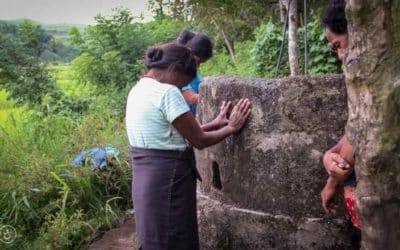
With a few friends from Kawan Baik and Fair Future, we had the privilege and emotion to experience a touching moment, thanks to the strong words of villagers living in a very isolated region of eastern Indonesia. We felt that these brave people had hope that time and the Lord might bring them a better life. For that, we have no choice but to help them.

read more