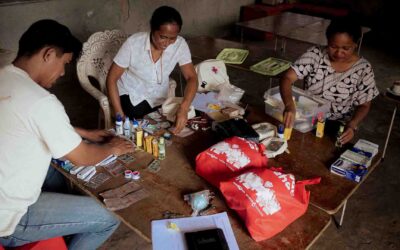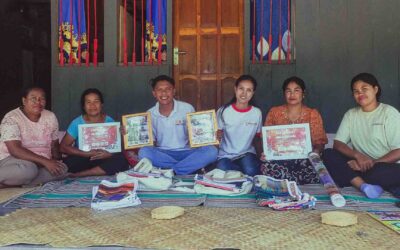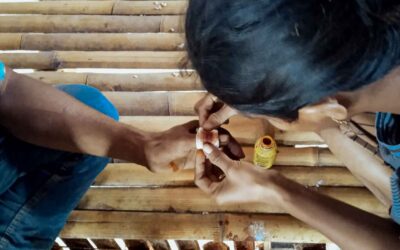


In East Sumba, Kawan Sehat health agents now carry a new tool the HIV prevention poster campaign. Used in homes, schools and small clinics, it explains in simple language how HIV is transmitted, how it is not, and which everyday actions protect families, partners and young people from infection and stigma.
PRIMARY MEDICAL CARE AND DISEASE PREVENTION
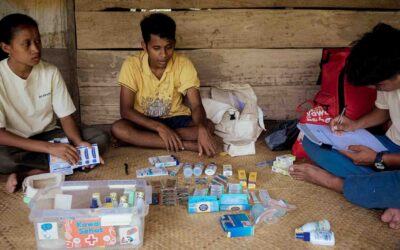
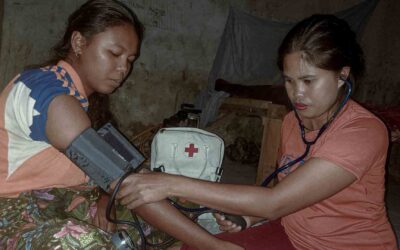
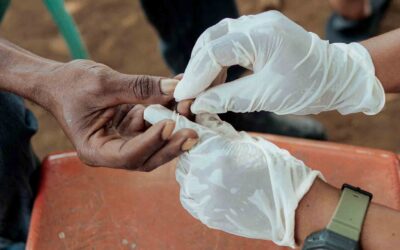
Where no doctor is available, care must reach people directly. Fair Future Foundation delivers primary medical care and disease prevention through trained local health agents following structured protocols. Treatment of common illnesses, fever, wounds, and malaria is combined with hygiene, vaccination, and community education. This integrated model reflects WHO public health principles, where prevention and care form a single, continuous medical response.
The Medical & Prevention category focuses on evidence-based field medicine and public health actions implemented in ultra-rural contexts. It documents how primary medical care, disease prevention, and early intervention reduce morbidity and mortality where access to healthcare is absent. Articles address infectious diseases, maternal and child health, hygiene, vaccination, and community education, aligned with WHO recommendations. Beyond theory, this section presents concrete medical practices carried out on the ground by trained local health agents, highlighting how prevention remains the most effective and sustainable medical act in vulnerable populations.
Primary Medical Care East Sumba quarterly impact report
Primary Medical Care East Sumba is not a theory, it is 798 patients and 1,421 cases in three months, most of them children and women, treated where no doctor is present. Through Kawan Sehat agents, we bring first aid, medicines, prevention and referrals into ultra remote villages. Without this program, these cases simply stay untreated.
Malaria prevention billboards protect families in East Sumba
With the East Sumba Malaria Prevention Project and the support of Rotary and Malaria Partners International, Fair Future Foundation and Kawan Baik Indonesia built twenty malaria billboards for markets, schools and roadsides so that every journey becomes a health lesson about fever and protection.
Kawan Sehat MbinuDita health agents farewell East Sumba
In MbinuDita, Kawan Sehat health work began with two women and a backpack. After more than three years as the first call for fevers, wounds and malaria, Agustina and Ferias end their mission, return their equipment and help prepare new agents so village care grows from twenty to thirty trained workers.
Kawan Sehat health Agent day in Lahiru village Indonesia
In Lahiru, Kawan Sehat health workers Sarlota and Yosef wake with the sun, walk steep paths for water, farm the hillsides and open their house as a small clinic. This film lets you follow their routine of cooking, washing, treating fevers and wounds so neighbors in a remote village can stay on their feet.
SolarBuddy lamps Matawai Katingga protect child health
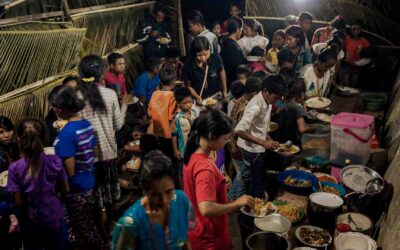
In Lapinu, an isolated village in Matawai Katingga, SolarBuddy lamps Lapinu children change daily life. Without electricity or clean water, evenings meant smoke, kerosene and darkness. Our joint teams from Fair Future and Kawan Baik bring light as a medical tool, to protect lungs, eyes and learning
Who are the Kawan Sehat health agents?
In this article you finally discover who are Kawan Sehat health agents, not as numbers but as people. Through portraits and short testimonies they explain who they are, where they live, the patients they care for and why they chose to become the first line of medical care in remote East Sumba hills every day.
Kawan Sehat health agents in remote Indonesian villages
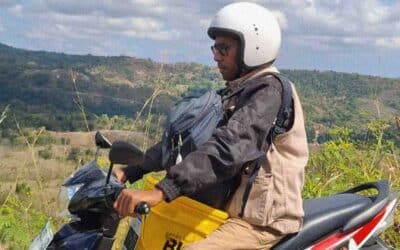
In the hills of East Sumba, Kawan Sehat health agents walk for hours to reach families who live far from any clinic or road. Equipped with a medical backpack and solid training, they treat fevers, wounds and malaria, document every case, and call our doctors when a life is in danger and transfer is possible.
East Sumba malaria prevention 2025 | Field results summary
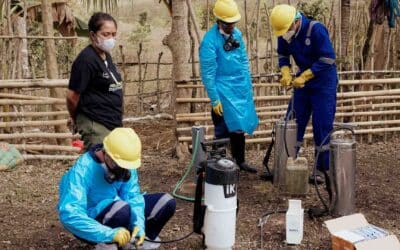
This article reports field dates, methods and impact from East Sumba malaria prevention. Teams worked with Puskesmas, schools and village leaders to align education, IRS, LLINs and diagnostics. Data and costs are fully documented so partners and health services can improve coverage, reduce transmission and replicate what works.
Rumah Kambera Medical Field Base Camp
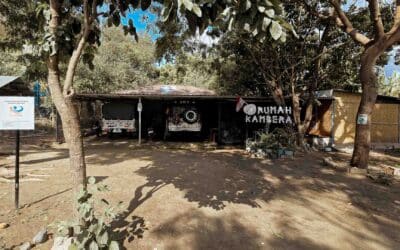
In the heart of East Sumba stands Rumah Kambera—our field base, warehouse, patient center, coordination hub, and training ground. From here, we launch missions that bring health, water, food, and dignity to isolated villages. This is where every solution begins.
Nutrition and Food for Remote Villages
The Nutrition and Food Program helps rural families access better food, grow home gardens, and improve their health. Linked to clean water, it tackles malnutrition and supports children’s development. In ultra-rural areas, food is not a given; it’s a survival challenge we face together.
Water Connections for Rural Villages
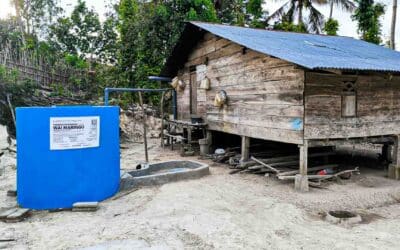
The Water Connections Program provides sustainable access to clean water through ferrocement reservoirs, toilets, and food gardens. In ultra-rural Indonesia, water is the start of health, nutrition, and education. Without it, life is impossible. With it, dignity returns.