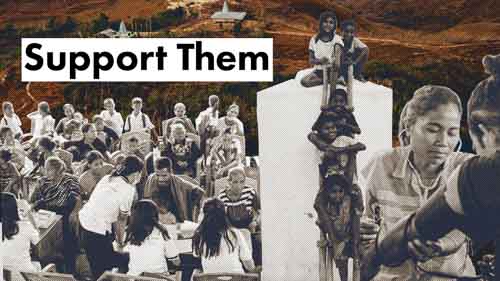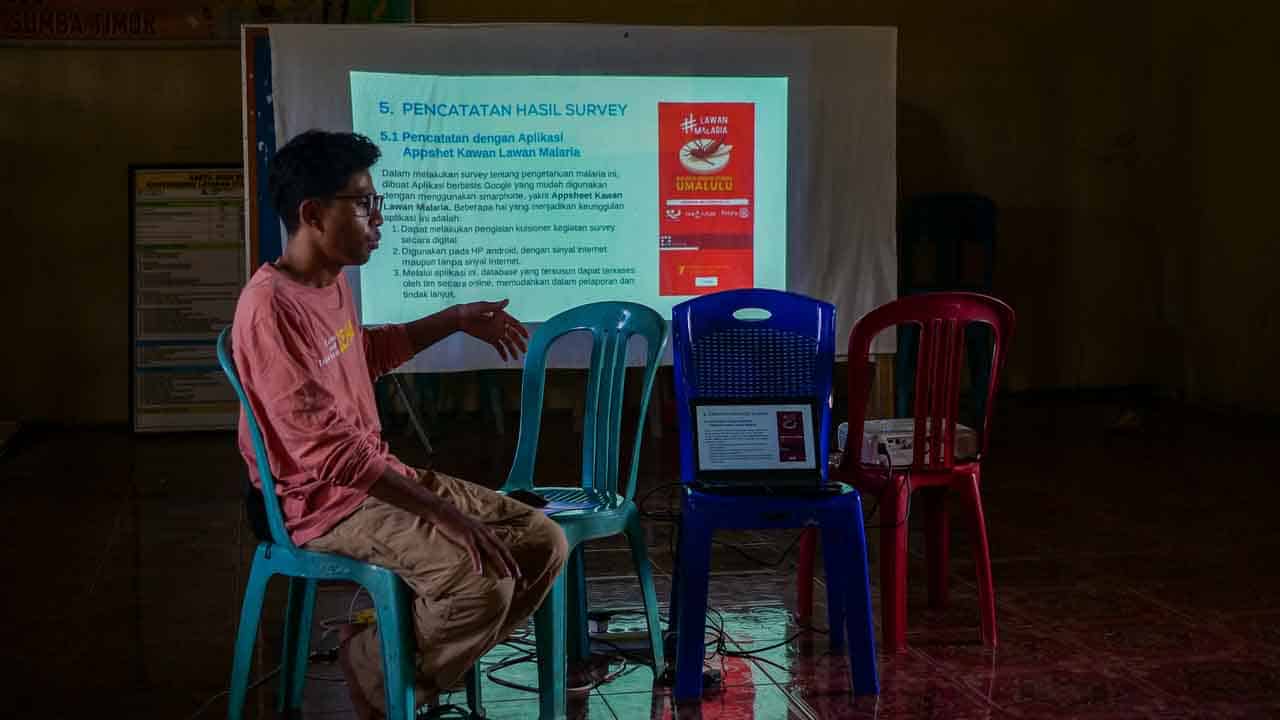



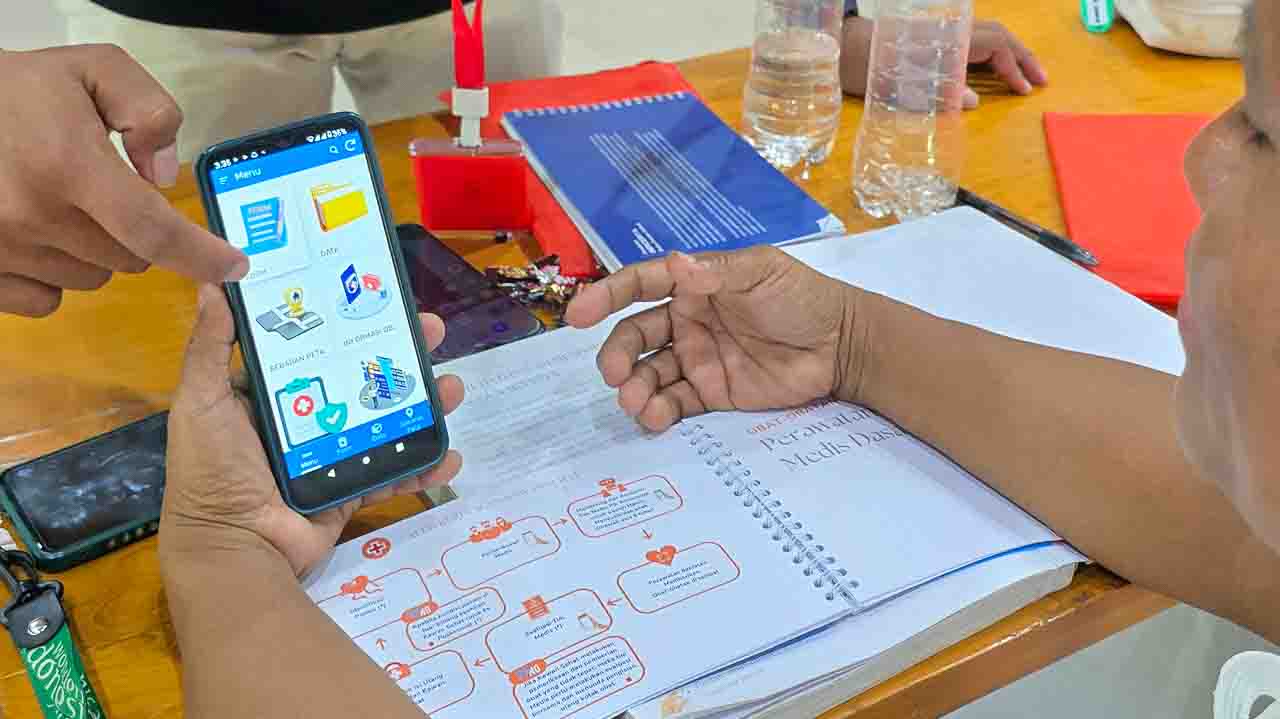
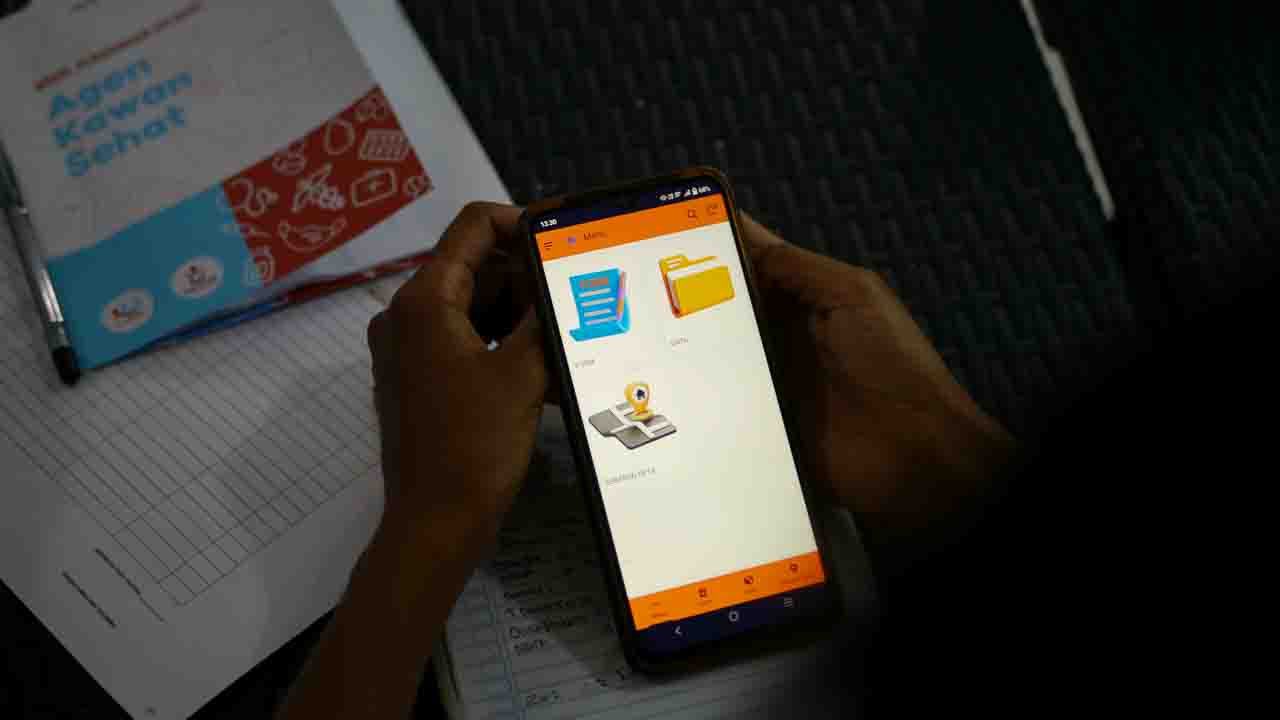
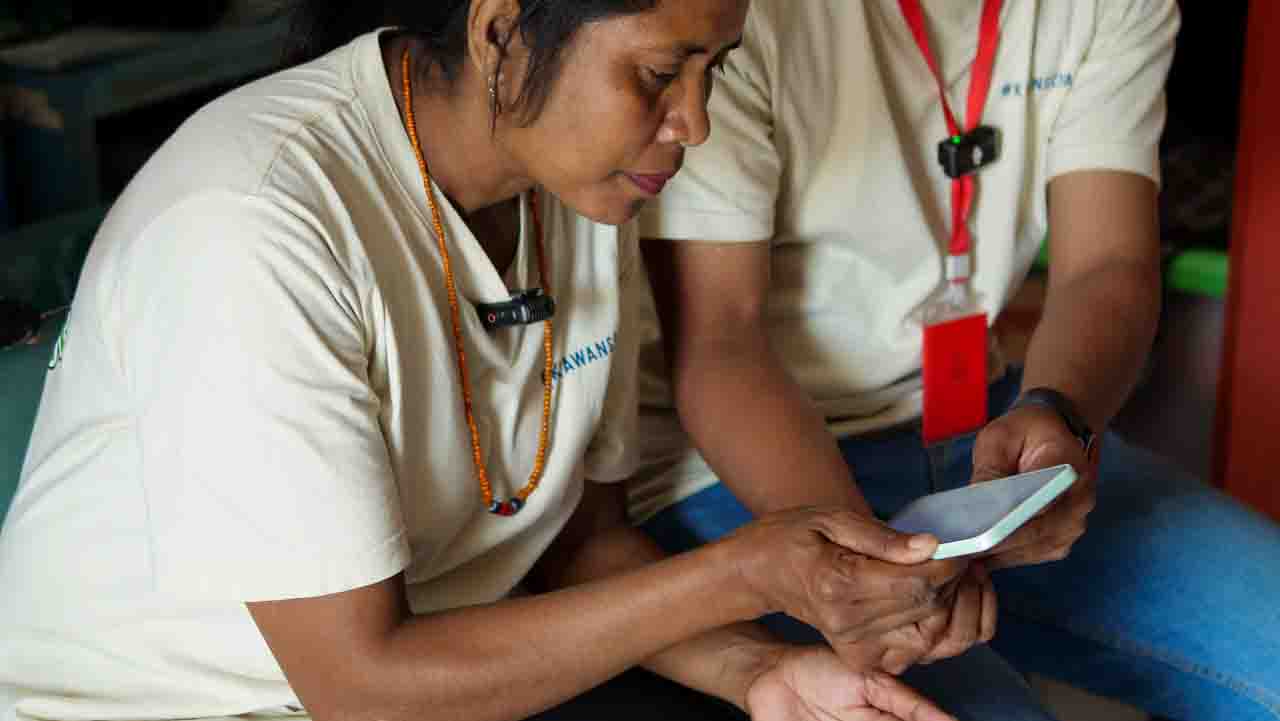
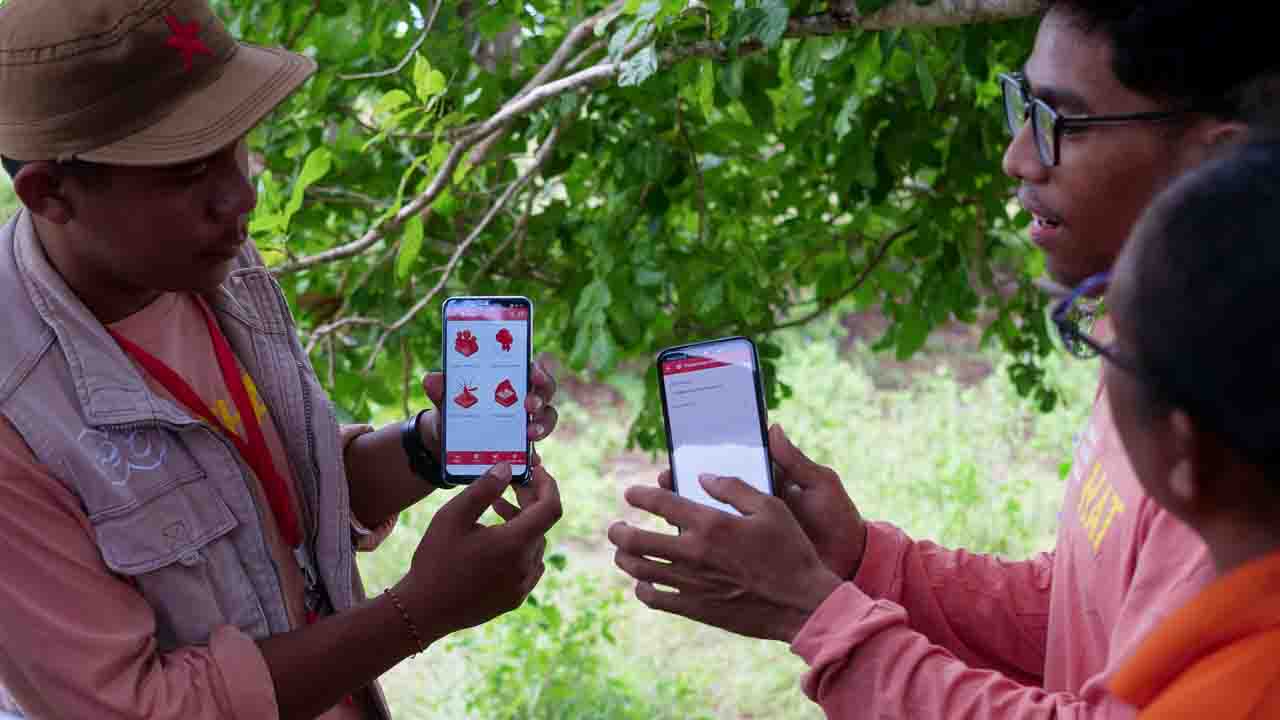
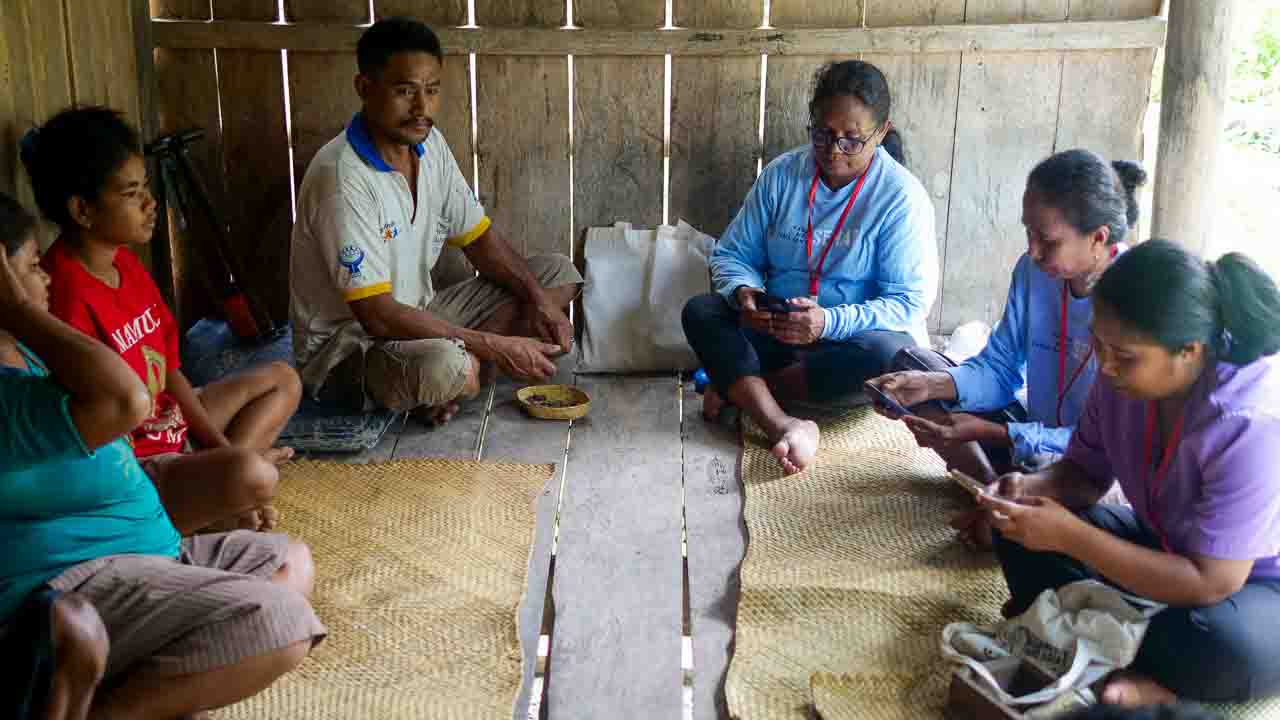
Kawan Sehat agent documenting patient data during a rural primary medical care consultation in East Sumba.
Health Data Where No Data Exists
In many ultra-rural villages of East Sumba, health is not captured in national statistics. These communities are too small, too remote, and too far from paved roads and stable electricity. When policies are designed in capital cities, they rely on numbers. Incidence rates. Mortality curves. Vaccination coverage. But what happens when a village generates no data at all? In public health, what is not measured is not prioritised. And what is not prioritised remains invisible.
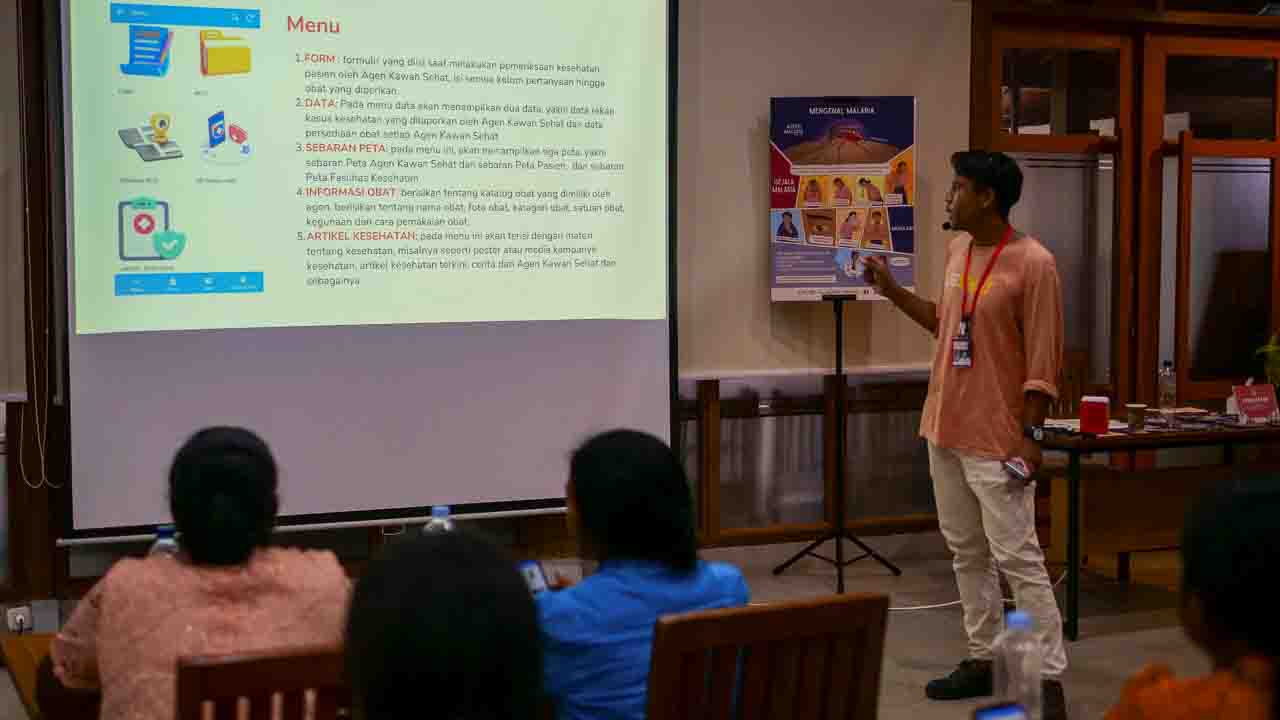
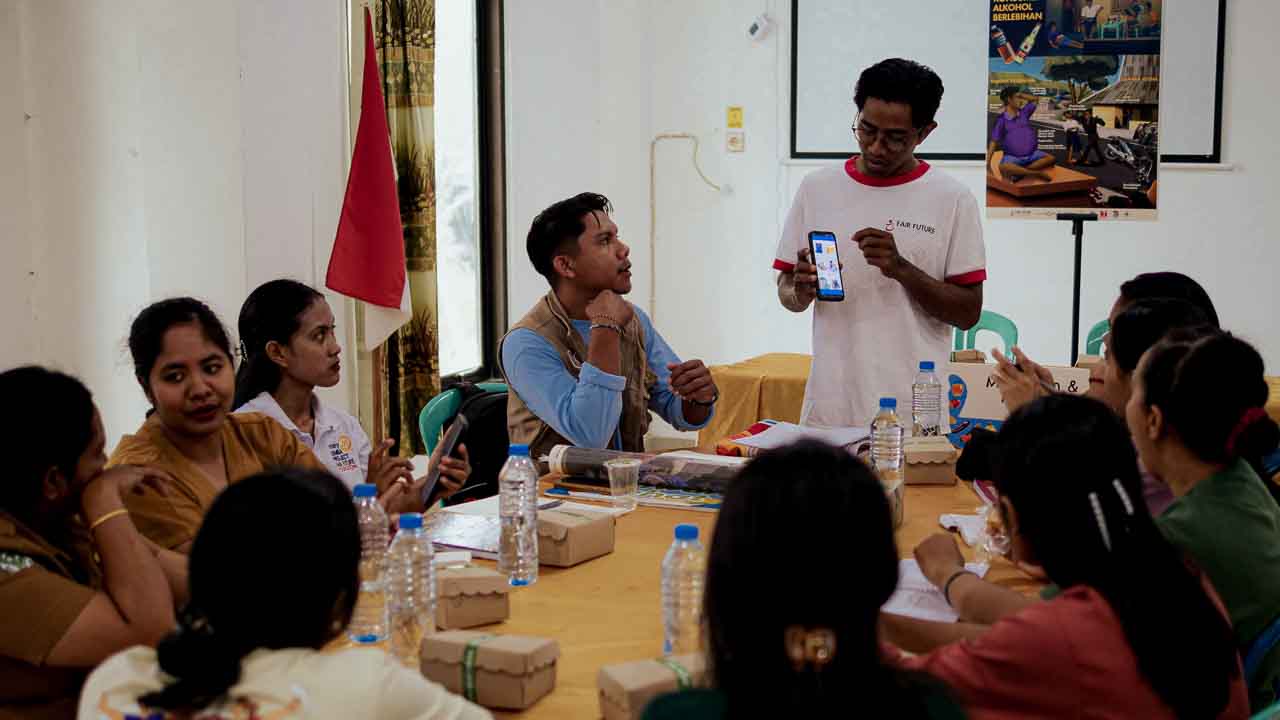
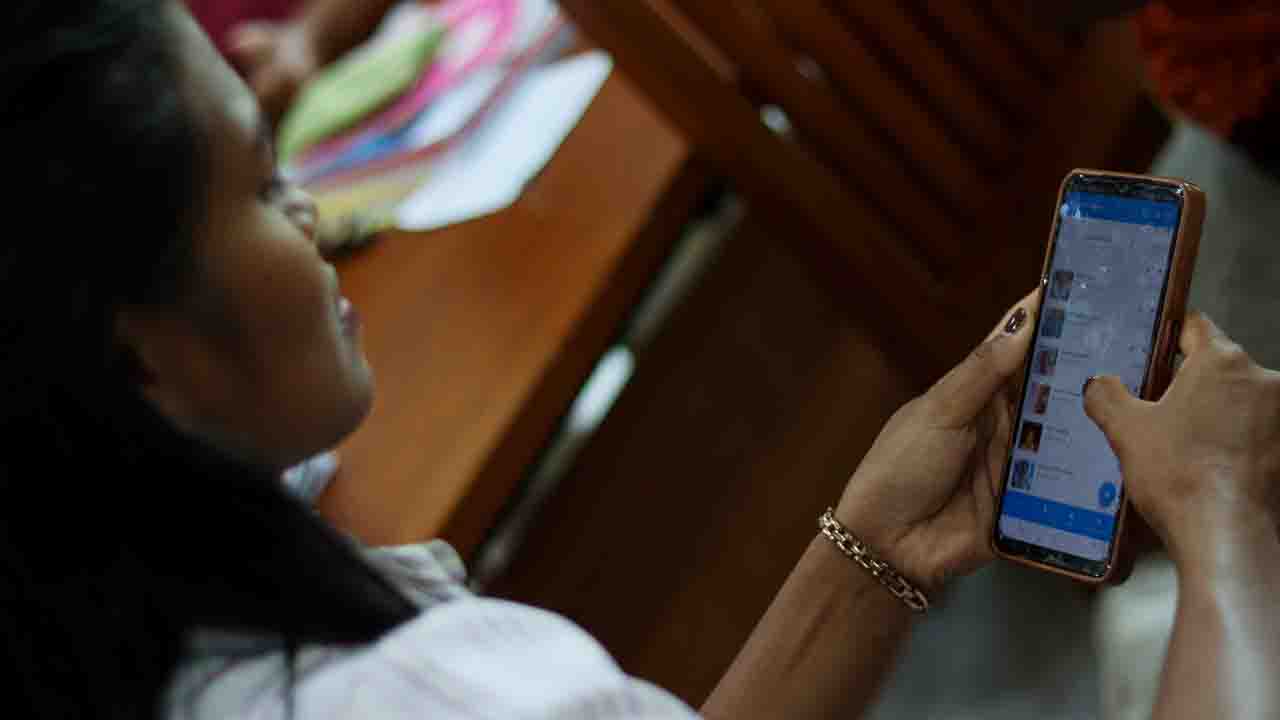
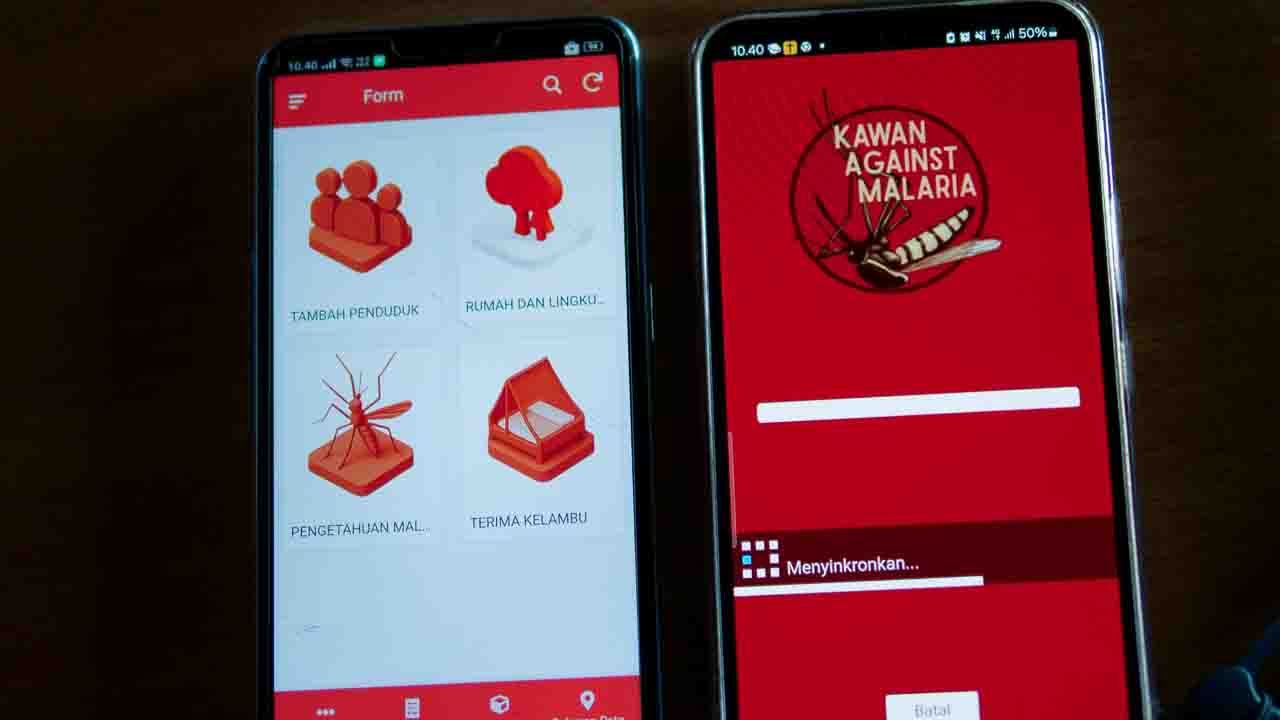
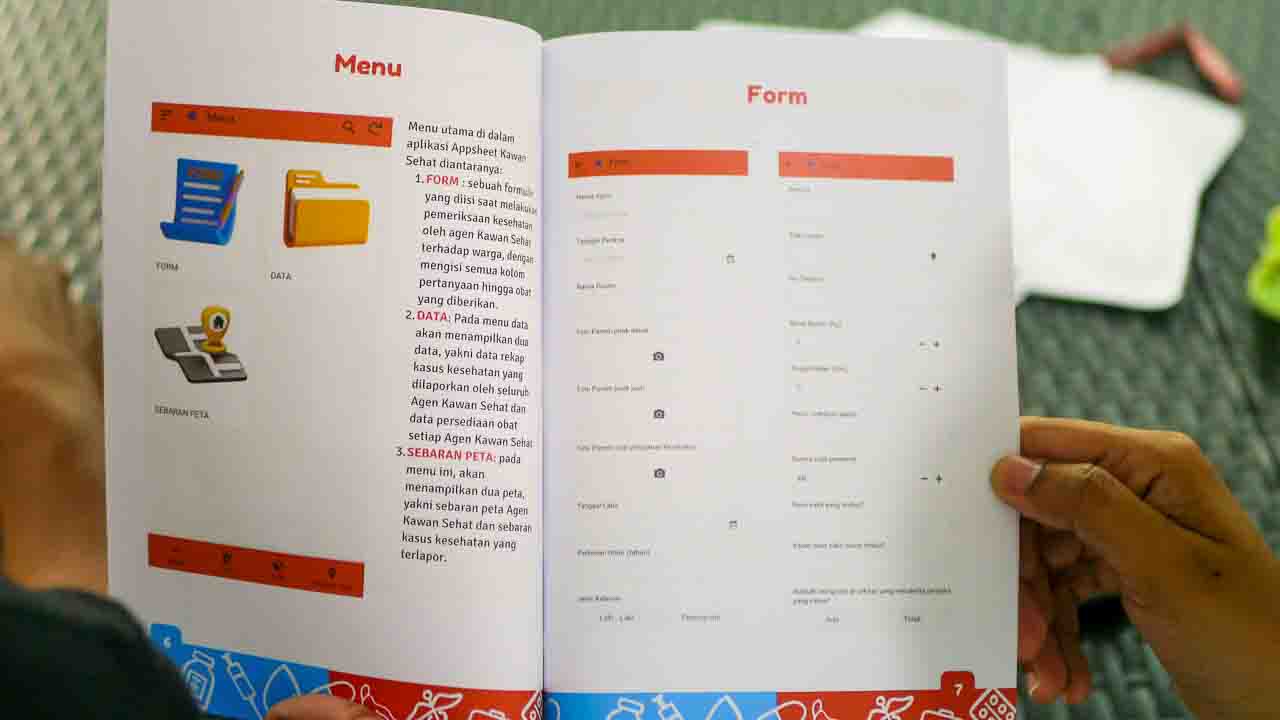
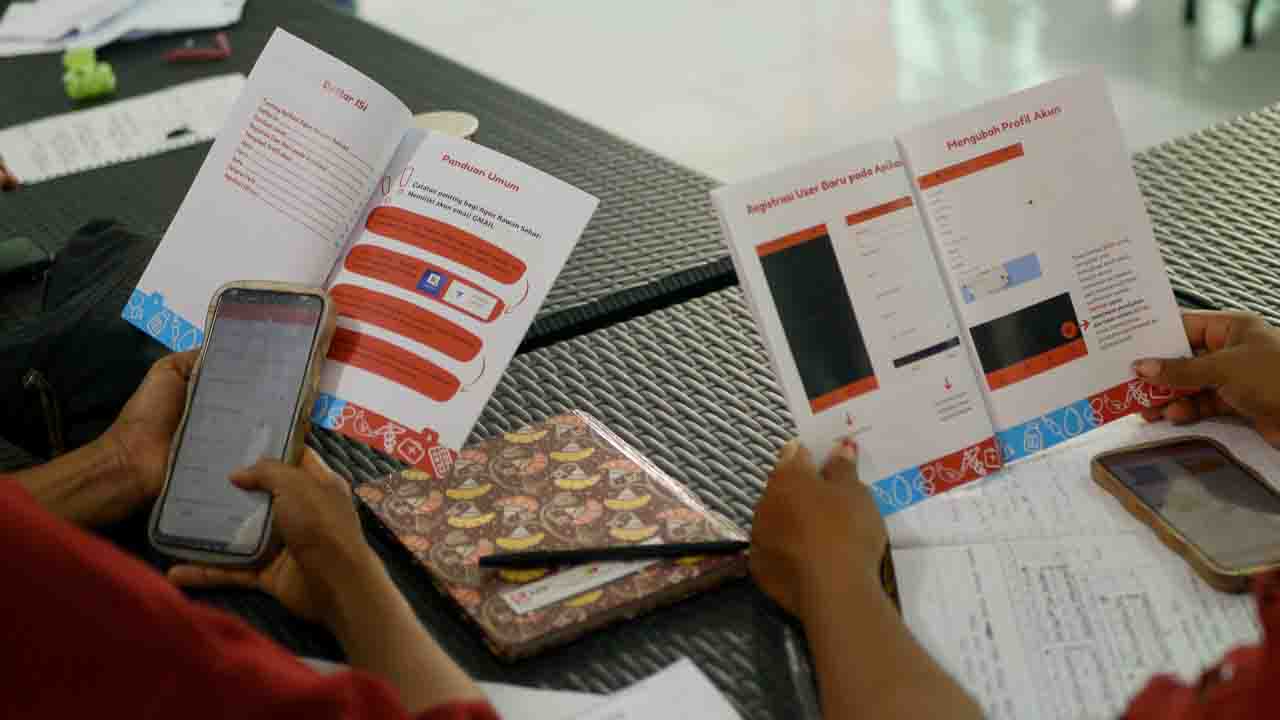
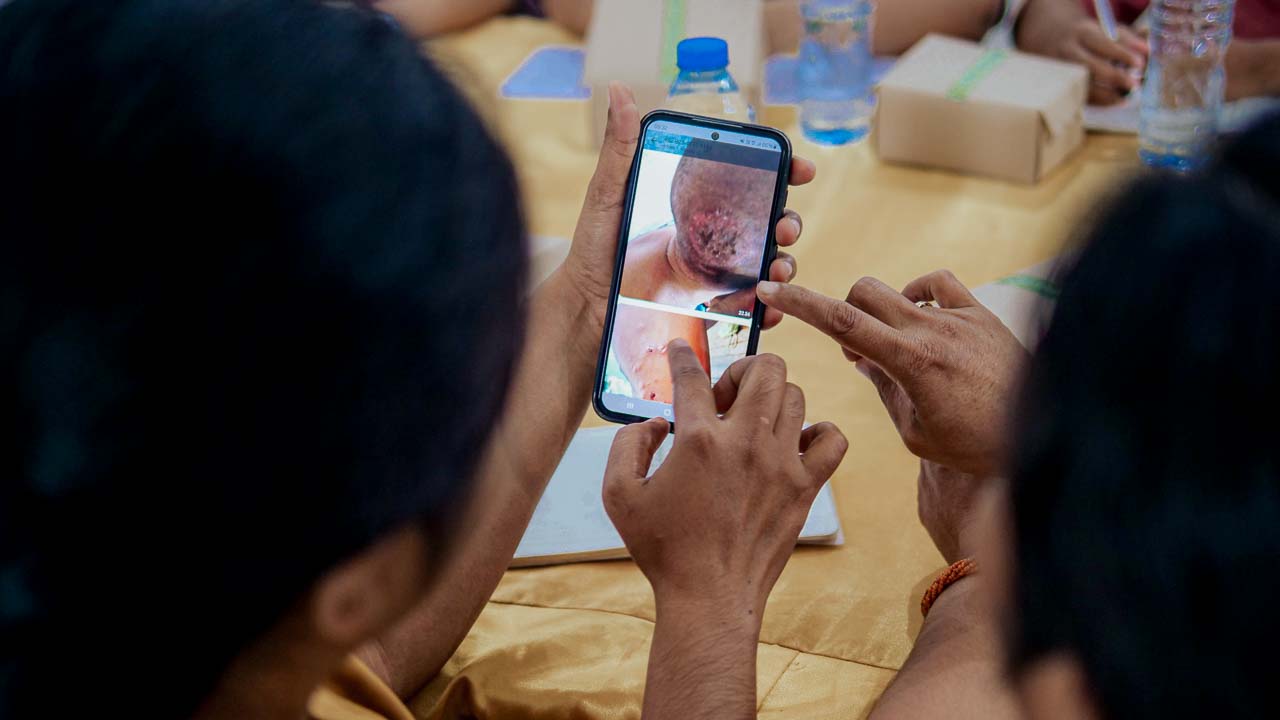
Four years ago, when our Primary Medical Care programme began, we quickly understood that treating patients was not enough. If we wanted to change outcomes sustainably, we needed to measure them. Every consultation by a Kawan Sehat health agent is documented. Fever patterns, respiratory infections, malaria tests, wound infections, maternal complications, and malnutrition indicators. These are not abstract figures. They are daily clinical realities recorded in structured digital forms through our own medical applications, including the Kawan Sehat App and other tools we developed for field use.
The discipline is simple but rigorous. Each case is coded. Each diagnosis is categorised. Rapid diagnostic test results are logged. Treatments are tracked. Follow-ups are noted. Over time, patterns emerge. We can see which villages report recurrent malaria clusters. We can quantify the number of febrile children who test negative for malaria yet present with respiratory infections. We can document the proportion of skin infections that evolve into abscesses when care is delayed. This transforms anecdote into evidence.
The contrast between national perception and local reality is often striking. Official reports may show declining malaria rates, yet in certain hamlets, transmission remains intense. National averages may suggest acceptable maternal indicators, while we document repeated anaemia and untreated hypertension in pregnant women who never reach a referral centre. Without granular field data, these disparities disappear within national aggregates. With structured community-level data, they become undeniable.
Because we have now collected four years of continuous records, we can observe evolution. In some areas, malaria incidence has decreased after insecticide spraying and the distribution of long-lasting nets. In others, respiratory infections spike during the dry season, when dust exposure increases. Malnutrition trends fluctuate with harvest cycles. These are not impressions. They are documented trends built from thousands of consultations, entered daily by trained community agents.
This changes our posture. We are not only delivering care. We are producing field intelligence. Small, precise, community-generated datasets that reflect the real disease burden where no one else measures it. In regions where official reporting is sparse or delayed, our records provide early signals. They inform where to deploy supplies, where to reinforce training, and where to intensify prevention.
Health systems depend on data. But data does not appear spontaneously. It is created through disciplined observation, documentation, and accountability. In villages that rarely appear on national dashboards, our health agents are building that visibility case by case. Measuring health in places that officially do not exist is not an academic exercise. It is the first step towards equity.
We remain a small foundation with limited means. Yet by combining clinical rigour, digital tools developed for field realities, and daily commitment from our teams, we generate something powerful: evidence from the margins. And once a community is visible in numbers, it becomes harder to ignore.
Today, the 3rd of March 2026 – Alex Wettstein
In Short – Data Creates Visibility
Over four years, more than consultations have been documented by Kawan Sehat agents. Fever patterns, malaria positivity rates, maternal anemia, wound infections and respiratory disease trends are now quantifiable at the village level. This transforms remote communities from statistical blanks into measurable populations.
Rural Health Data Collection in East Sumba

List of Related Organisations with Hyperlinks
- Malaria Partners International: Supports community-based malaria control through data-driven prevention, surveillance, and local health system strengthening.
- Institute for Health Metrics and Evaluation (IHME): Provides global disease burden analysis and epidemiological modelling used to guide international health policy decisions.
- World Health Organisation: Defines global health surveillance standards and epidemiological reporting frameworks that guide national policy and international disease control strategies.
- UNICEF Data: Publishes child health and mortality indicators, supporting evidence-based planning in maternal, neonatal, and community health programs worldwide.
- World Bank Health Data: Aggregates international health indicators and system performance metrics used to inform funding allocation and long-term development planning.
- The Global Fund: Finances malaria, tuberculosis, and HIV programs through performance-based models requiring measurable epidemiological outcomes and structured reporting systems.