

Rubella in Indonesia remains a serious rural health threat. After 11,094 confirmed measles cases and 69 deaths in 2025, continued transmission in 2026 highlights low MR coverage, weak surveillance, and the ongoing risk of congenital rubella syndrome in remote districts.
We have compiled a list of articles and pages for this topic
The Fair Future Foundation in East Indonesia combats social and medical injustice and aims to ensure everyone has access to healthcare, clean water, and education. Join us in making a difference.
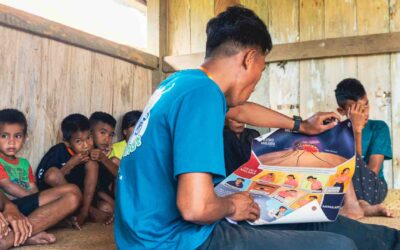
Focusing on prevention through education, outreach, and resources to stop disease before it starts.
Last Mile Global Health | Why Systems Stop Early
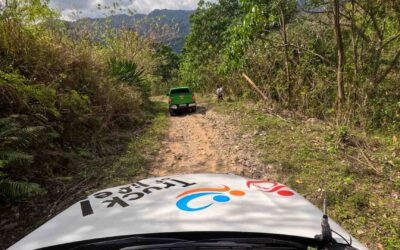
Global health programs often succeed at national level but fail to reach the most remote communities. This article explores the last mile global health challenge and explains why healthcare systems stop before the final villages, and how community medicine bridges that critical distance.
Health Built Before Patients Arrive | Rural Medicine
Health built before patients arrive explains why prevention determines survival in rural regions. Clean water systems, malaria prevention, community health agents and early detection reduce infections and save lives long before a patient reaches a clinic.
Preventable deaths are geographic | Delay to care
Preventable deaths are geographic in ultra rural Indonesia. The decisive variable is not pathogen biology but time to first medical contact. When fever, cough or diarrhea begin, hours matter. In many villages, care is days away. Reducing delay is the most direct way to reduce mortality.
Snakebite management in rural Indonesia | Fair Future
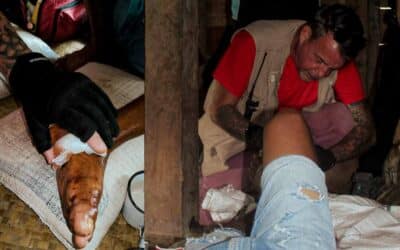
Snakebites are a significant threat in East Sumba and similar areas where access to healthcare is limited. This guide provides crucial steps to manage snakebites, prevent complications and save lives. Learn how to identify symptoms, administer first aid effectively and avoid common mistakes in this essential medical advice article.
Medical Advices for Rural Health – Practical Prevention
Delivers WHO-based medical advice for ultra-rural communities, supporting early recognition, safer first actions, and prevention of infections where access to healthcare is limited or delayed.
Disease Prevention in Rural Health
In ultra-rural regions, disease prevention is often the only medical barrier between families and severe illness. Education, hygiene and vaccination awareness reduce infections long before emergency care is needed, protecting communities where access to healthcare remains limited.
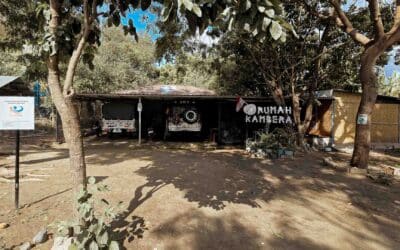
Rumah Kambera Medical Field Base Camp
In the heart of East Sumba stands Rumah Kambera—our field base, warehouse, patient center, coordination hub, and training ground. From here, we launch missions that bring health, water, food, and dignity to isolated villages. This is where every solution begins.
Primary care day saves lives and builds health
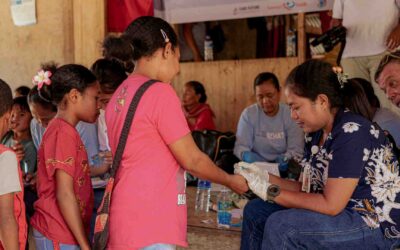
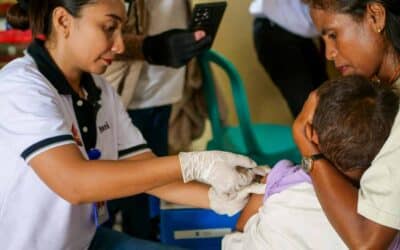
Throughout a full day dedicated to primary medical care, our teams screened and treated over 150 patients with an emphasis on malaria and tuberculosis. The provision of vaccinations, medications, and health education not only saved lives but also fostered trust within the community.
Bringing Solar Light to 24 Remote Schools in East Sumba
In East Sumba, nearly 12,000 students face the challenge of studying without electricity. Through Light Up the Future, Fair Future Foundation is distributing 2,224 solar lamps to over 2,000 children in 24 remote schools, bringing safe, renewable light to improve education, health, and daily life.
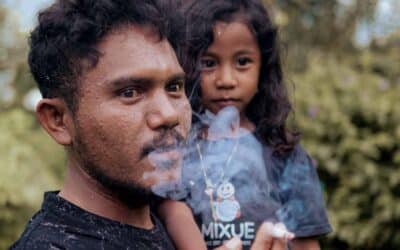
Fair Future Launches a New Anti-Tobacco Poster
Fair Future’s latest anti-tobacco poster highlights the grave dangers of passive smoking. Annually, tobacco claims the lives of 1.2 million non-smokers, affecting children, pregnant women, and whole families. This campaign is set to be launched throughout rural Indonesia with the aim of educating and safeguarding those most vulnerable.
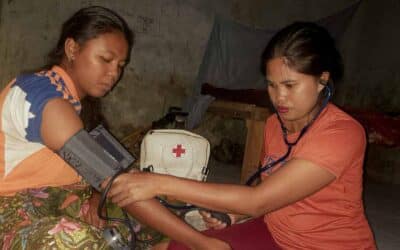
Mira a Health Agent Saving Lives in Rural Villages
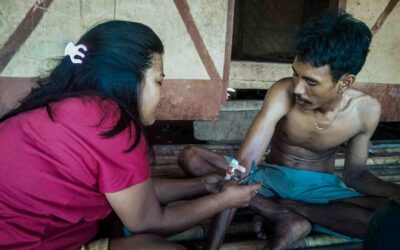
Mira serves as a Kawan Sehat health agent, delivering medical care to thousands in remote villages. Armed with essential medical supplies, she addresses injuries, manages illnesses, and educates families on improving their health practices—ensuring that healthcare reaches those who need it most.