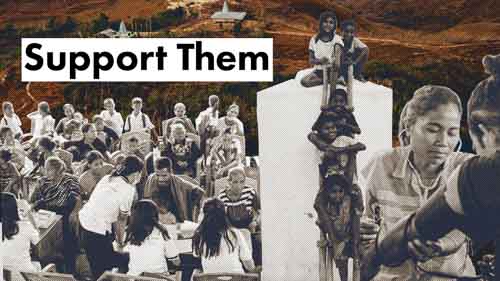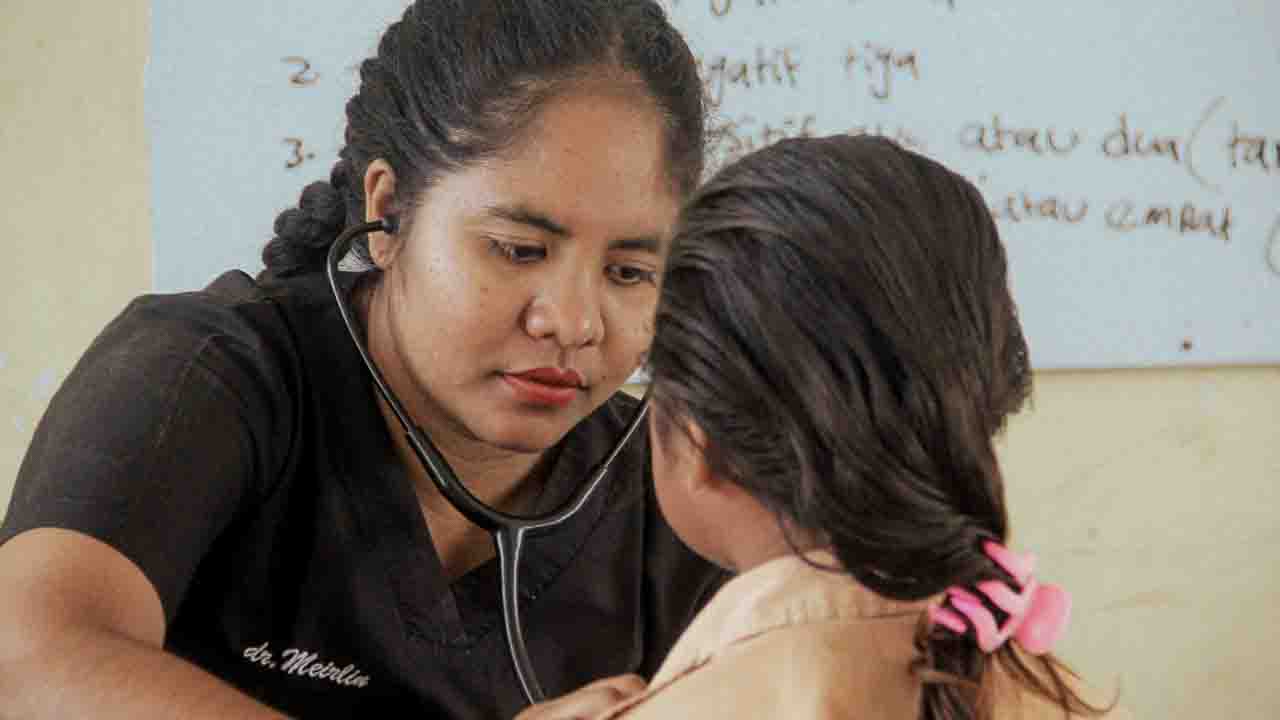



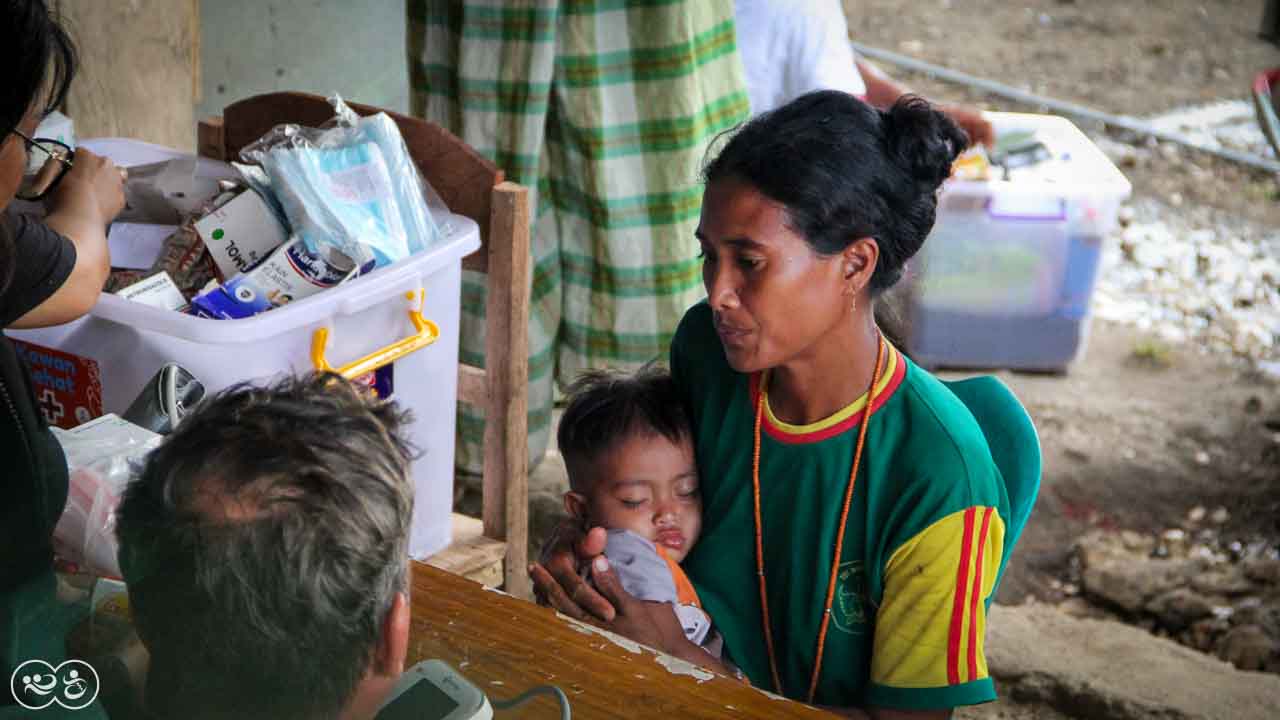
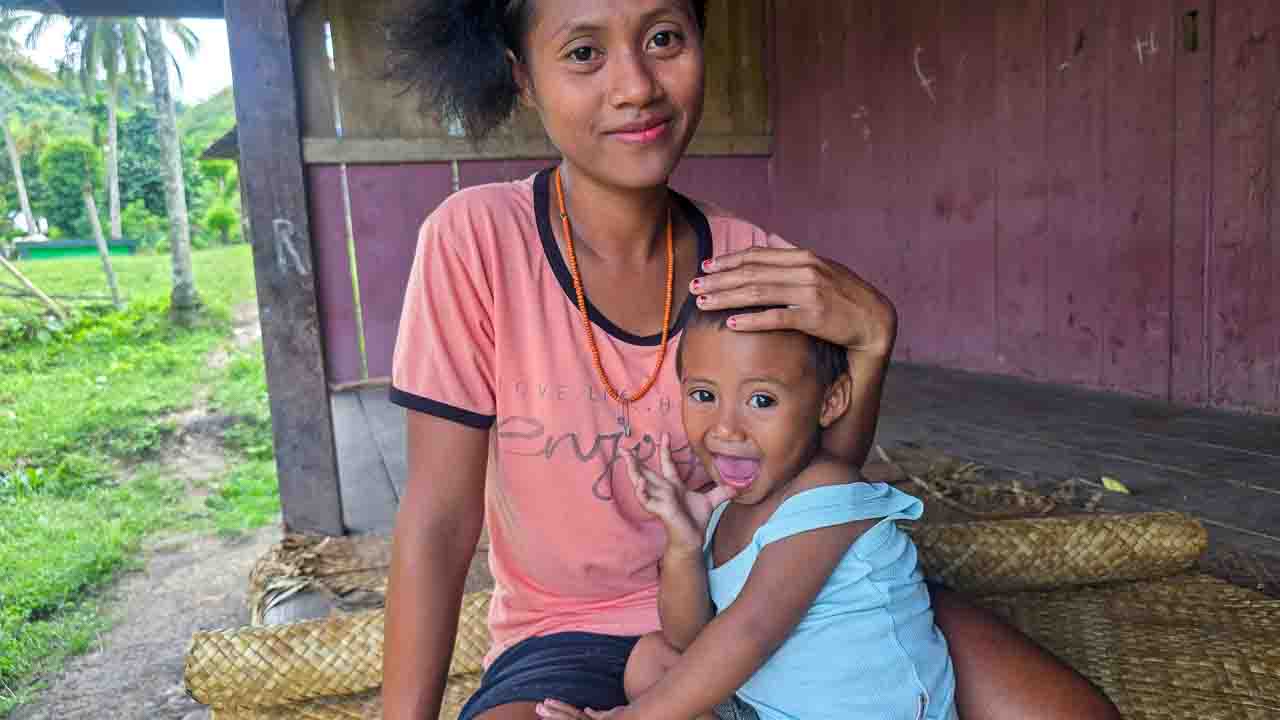
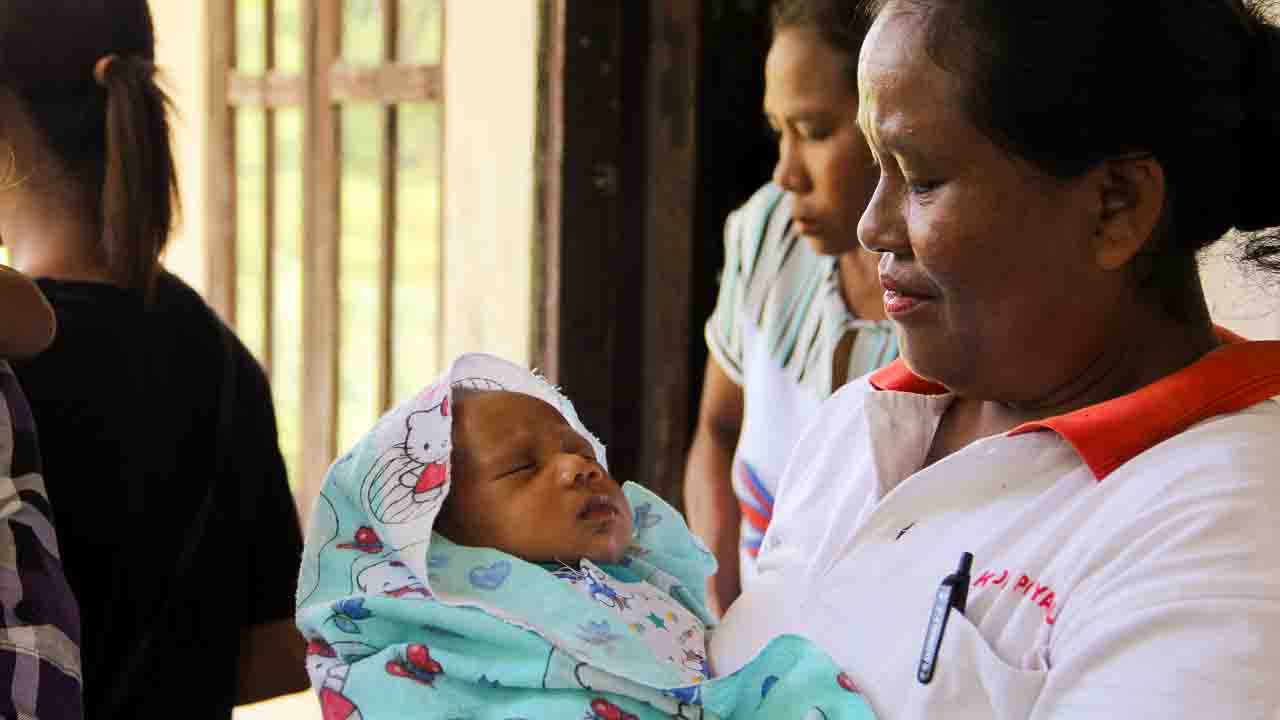
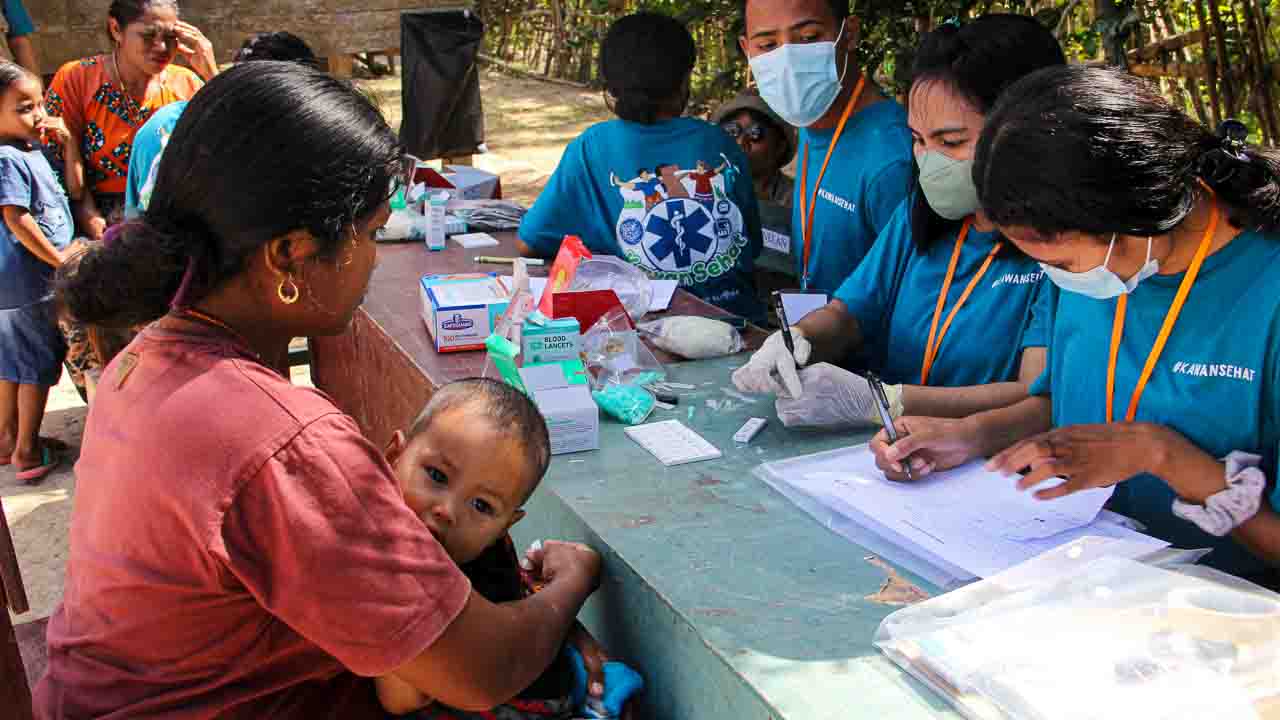
A mother holds her child during a rural medical consultation in Indonesia, where early detection and vaccination remain essential.
Rubella in Rural Regions: A Preventable Tragedy
Indonesia continues to reveal the consequences of vaccination gaps when surveillance systems are fragile. Recent official reports have predominantly highlighted measles outbreaks, with thousands of suspected cases, confirmed transmissions, and child fatalities linked to delayed detection, low immunisation coverage, and community hesitancy. In 2025 alone, national data recorded 11,094 confirmed measles cases and 72 deaths, while the WHO documented a significant outbreak following immunisation delays and weak early responses. Scientifically, this is relevant to rubella as well, since the same measles-rubella vaccine, the same missed children, and ineffective systems create conditions for congenital rubella syndrome to persist, especially where laboratory confirmation is limited, and case detection is inadequate.
Rubella is often mistakenly perceived as mild. In many children, it is. That is precisely what makes it dangerous. A mild febrile rash illness in a village may go unnoticed, undocumented, or misclassified. However, if infection occurs during early pregnancy, the consequences can be devastating. WHO states that maternal infection early in pregnancy carries up to a 90% risk of fetal infection, resulting in miscarriage, fetal death, stillbirth, or congenital rubella syndrome. CRS is one of the world’s leading causes of congenital disabilities, including deafness, congenital heart disease, cataracts, endocrine disorders, and lifelong disabilities.
In ultra-rural districts, CRS is almost certainly underdiagnosed. Not because it is rare but because diagnosis requires systems that many remote areas lack: antenatal screening, clinicians trained to recognise the syndrome, referral pathways, audiology, ophthalmology, echocardiography, and functioning laboratory networks. Indonesia has already acknowledged the need to strengthen both measles-rubella laboratory capacity and hospital-based CRS surveillance, and published research from the country continues to warn that surveillance remains inadequate to determine the true burden. One study using Indonesian surveillance data identified higher CRS risk outside Java-Bali, which aligns with the principle that distance conceals disease.
The clinical response is uncomplicated but demands discipline. First, restore high routine coverage with two-dose measles-rubella vaccination and close immunity gaps quickly. WHO and global outbreak guidance remain explicit: elimination is not achievable without very high coverage, typically around 95%. Second, enhance fever-rash surveillance down to the village level, with rapid investigation, sample transport, and laboratory confirmation. Third, train frontline staff to think beyond “rash illness” and actively seek CRS in newborns and infants with cataracts, hearing loss, congenital heart defects, microcephaly, developmental delays, or unexplained multisystem abnormalities. Fourth, protect women before pregnancy through reliable immunisation services, catch-up strategies, and honest public communication.
The real scandal is not virology but administrative failure. When authorities tolerate weak district immunisation, delayed outbreak responses, stock or reagent shortages, silent districts, and poor rural follow-up, they are not merely managing constraints. They are creating preventable harm. Indonesia’s immunisation strategy itself warns that failure to maintain the programme will increase illness, disability, treatment burden, child deaths, and outbreak control costs. In remote provinces, this failure is amplified by geography, poverty, and the outdated misconception that a service exists because it exists on paper. A child in a village does not reside on paper.
Rubella is preventable. Congenital rubella syndrome is preventable. What is required is not a new miracle but competent public health: vaccination that genuinely reaches the last child, surveillance that extends to the remotest village, and clinicians trained to recognise the signs that underdiagnosis keeps hidden. In rural medicine, preventable tragedy seldom begins with the virus alone. It starts when systems falter before they reach the populations that need them most.
Today, the 10th of March 2026 – Alex Wettstein
In Short – When systems exist only on paper
In many regions, healthcare coverage appears strong in national reports. Yet statistics often reflect accessible areas, not the most isolated villages. The result is a hidden inequality where entire communities remain outside the reach of functioning health systems.
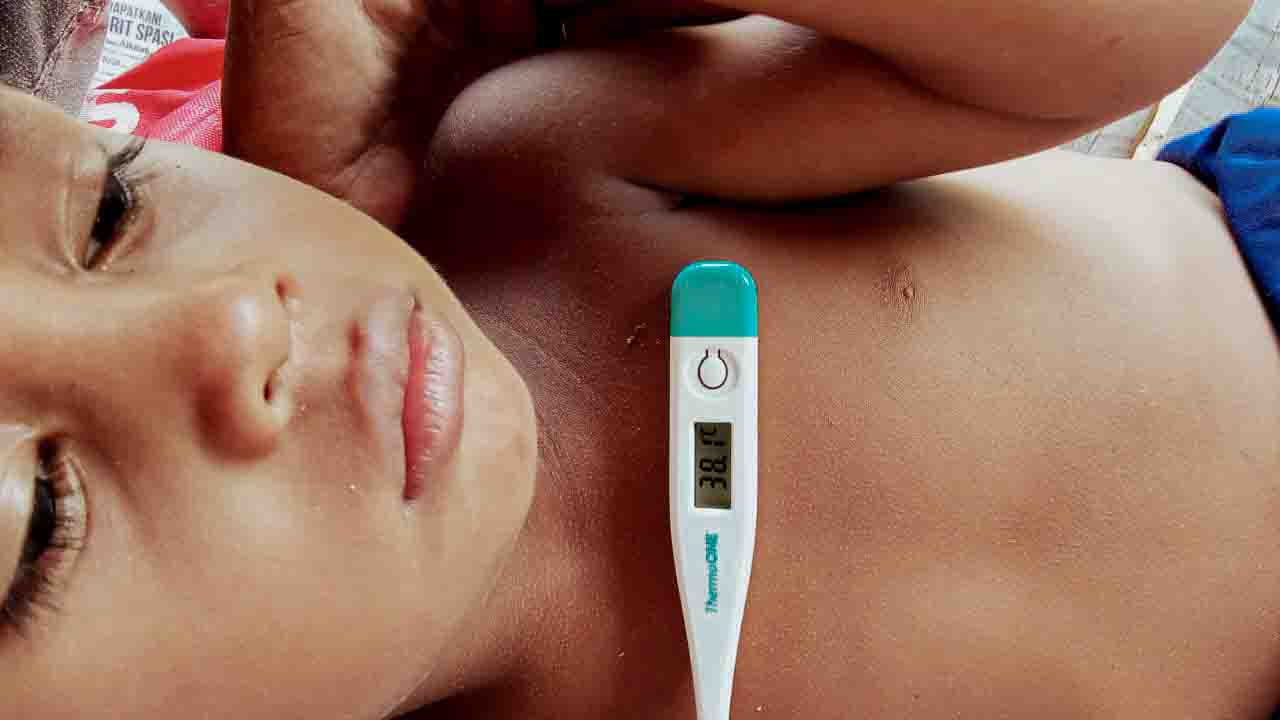
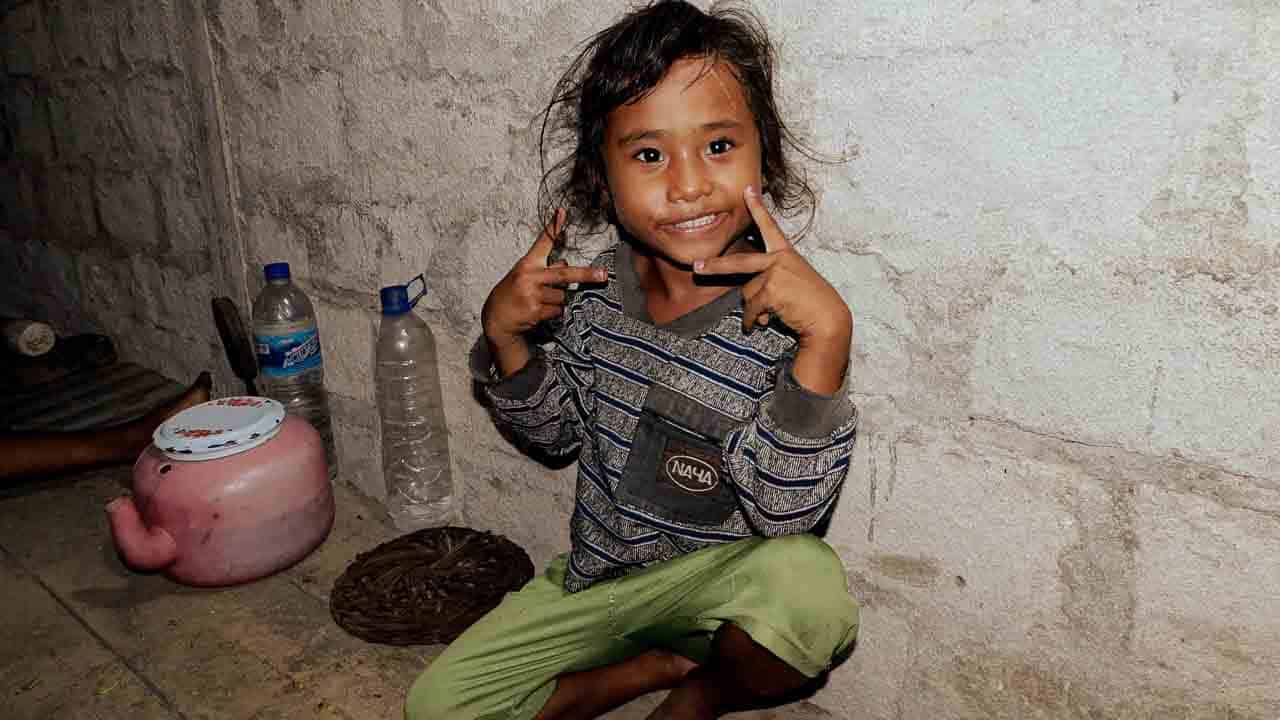
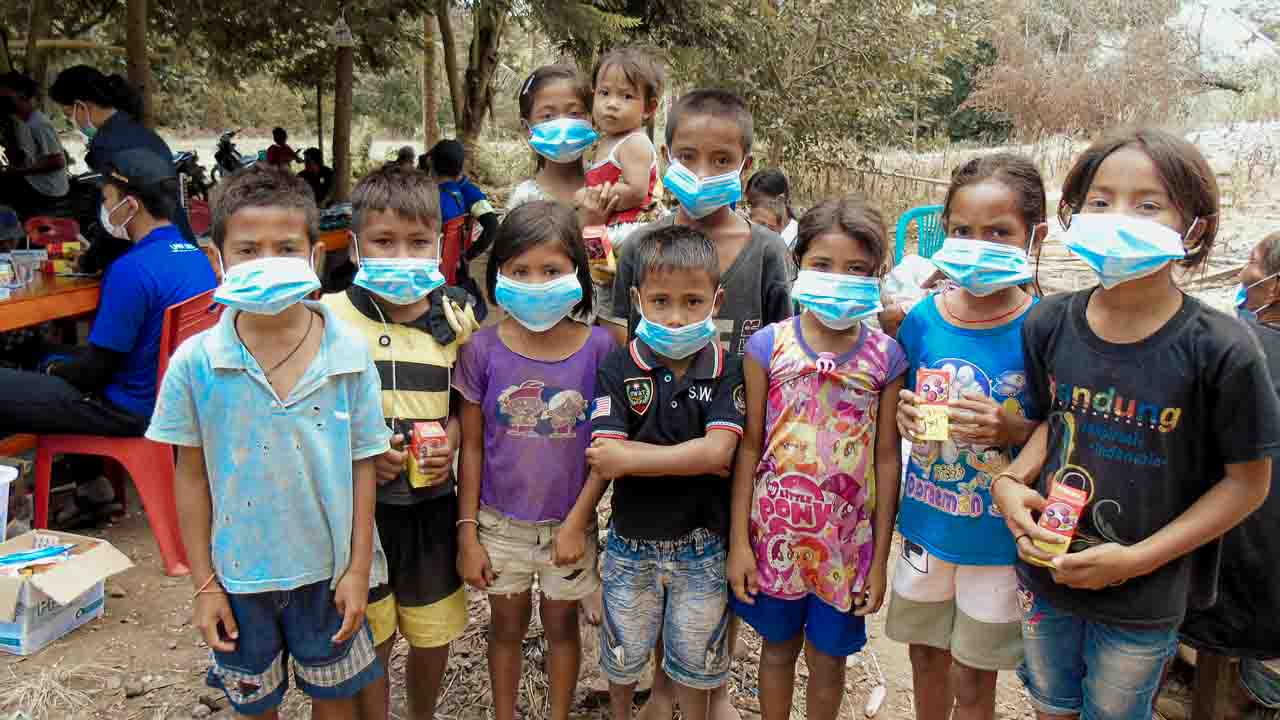
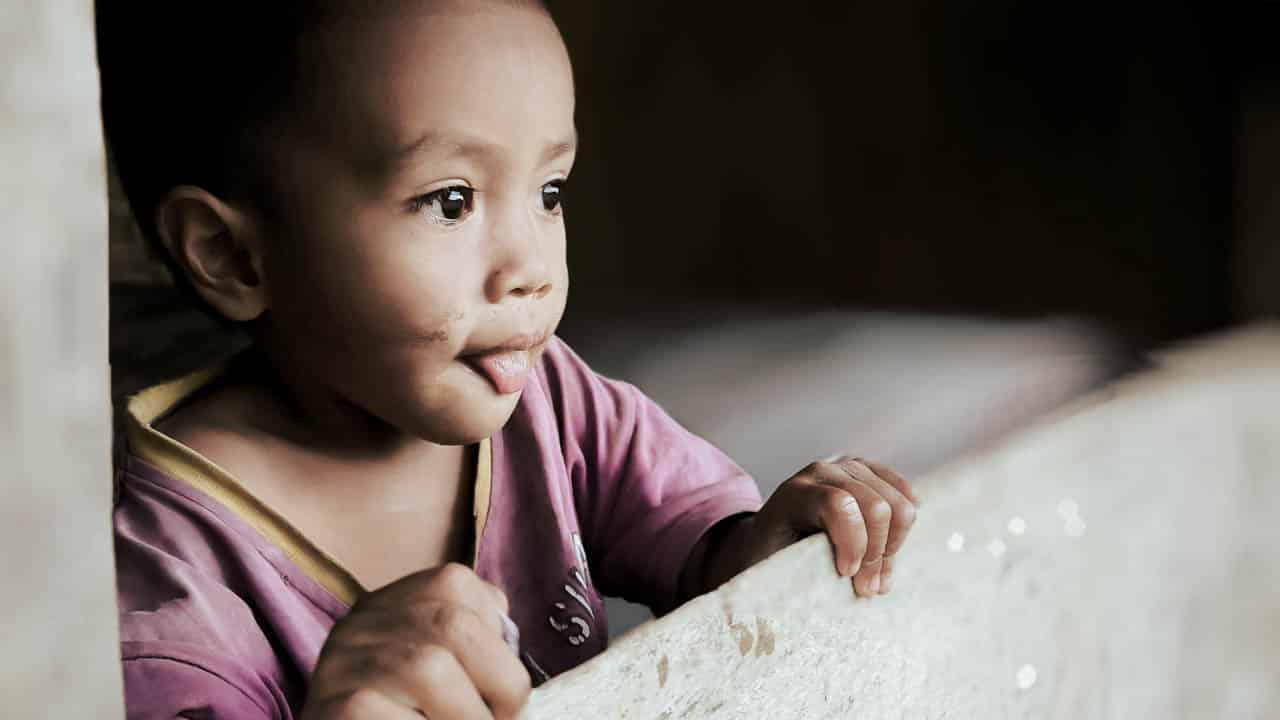
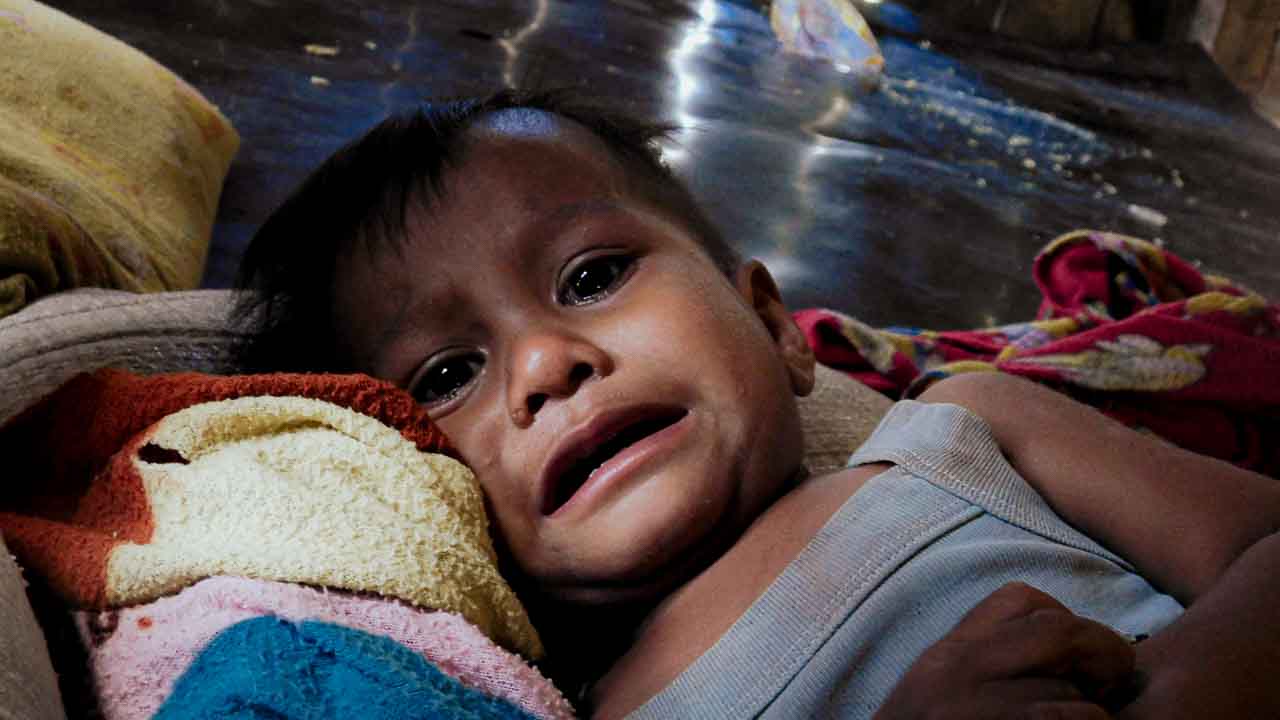
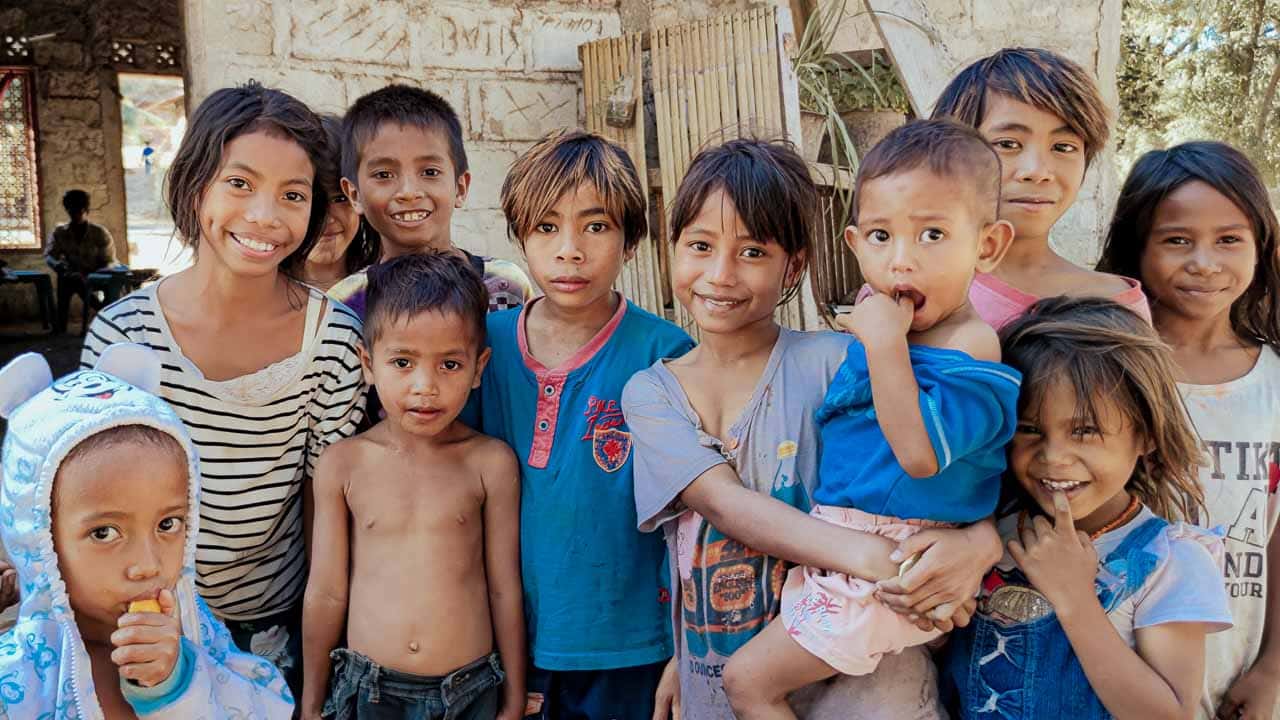
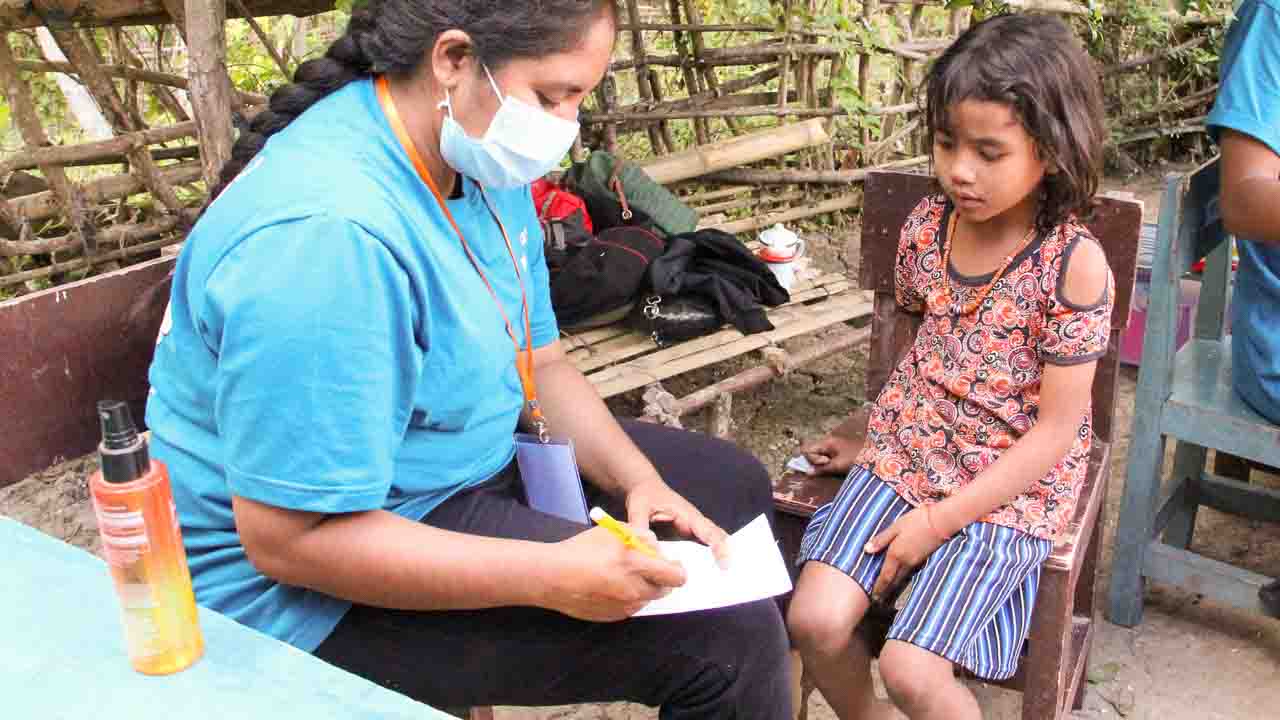
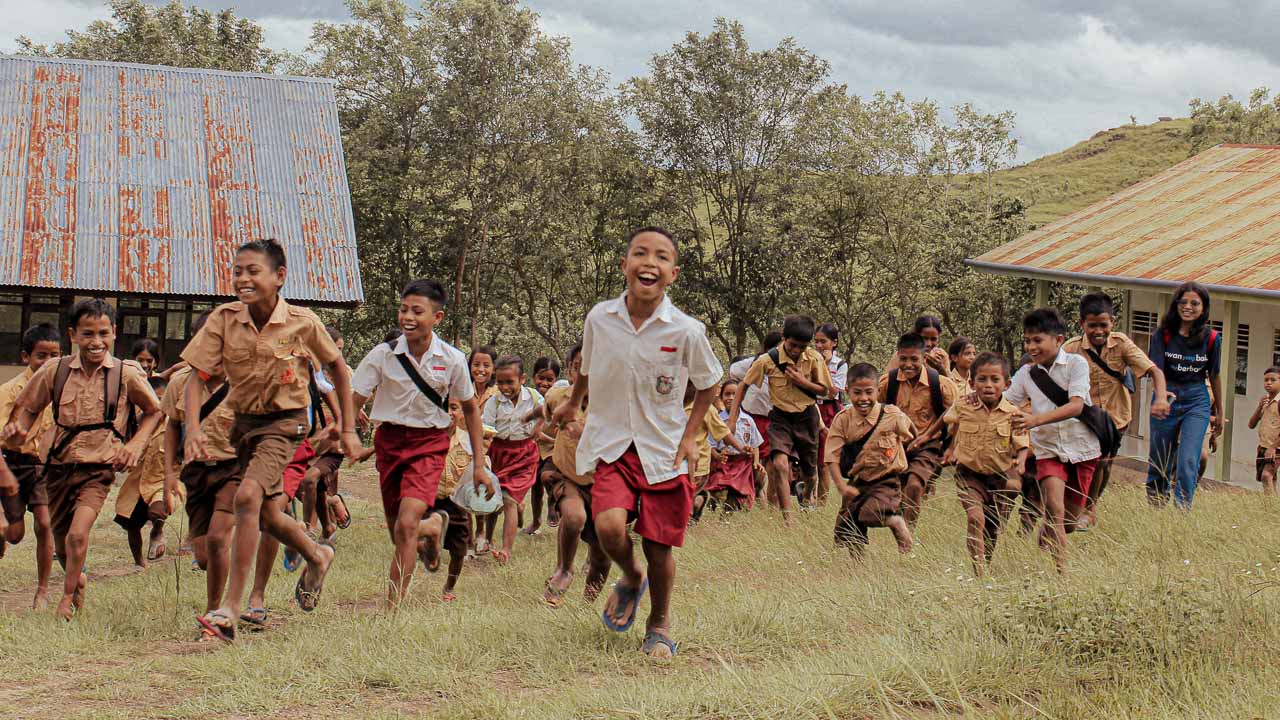
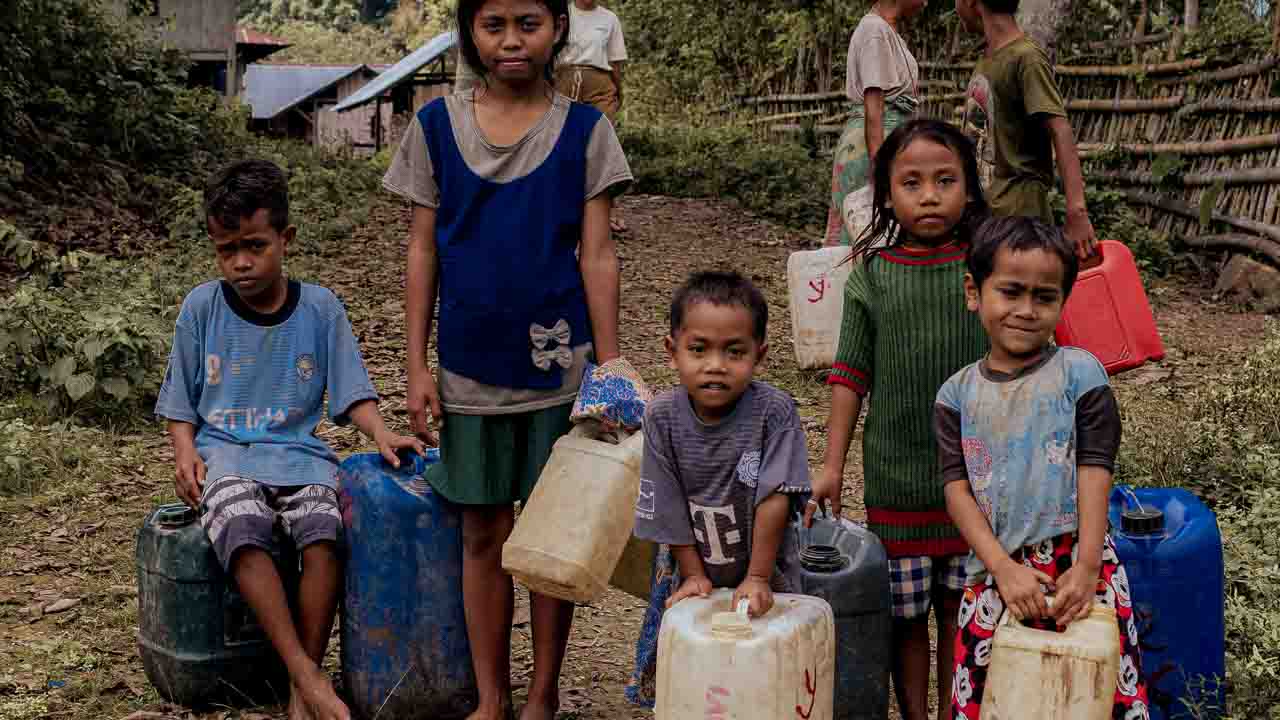
Children, Mothers, and Missed Protection in Rural Indonesia
List of Related Organisations with Hyperlinks
- World Health Organisation: WHO leads global health policy and research on universal health coverage and health equity, including access gaps affecting rural populations worldwide.
- UNICEF: UNICEF supports child health, vaccination, and nutrition programmes in vulnerable regions where access to healthcare services remains limited.
- The Global Fund to Fight AIDS, Tuberculosis and Malaria: The Global Fund finances major global health programmes targeting infectious diseases, including malaria prevention in underserved communities.
- Malaria Partners International: Malaria Partners International supports malaria prevention programmes, training, and community health initiatives in high-risk regions.
- PATH Global Health: PATH develops innovative health solutions and community-based programmes designed to improve access to healthcare in low-resource environments.
- SolarBuddy: SolarBuddy distributes solar lamps to children living without electricity, improving safety, education, and living conditions in rural communities.
- Rotary International: Rotary International funds humanitarian projects worldwide, including clean water, disease prevention, and community health programmes.