


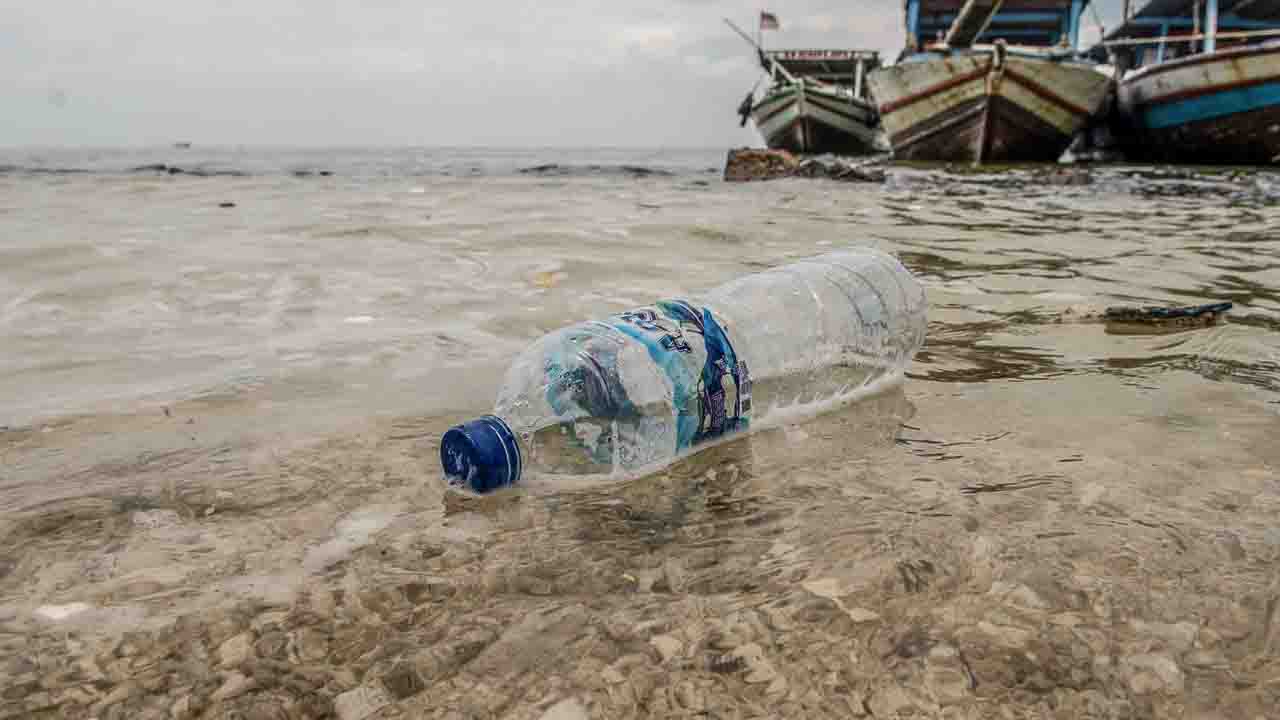
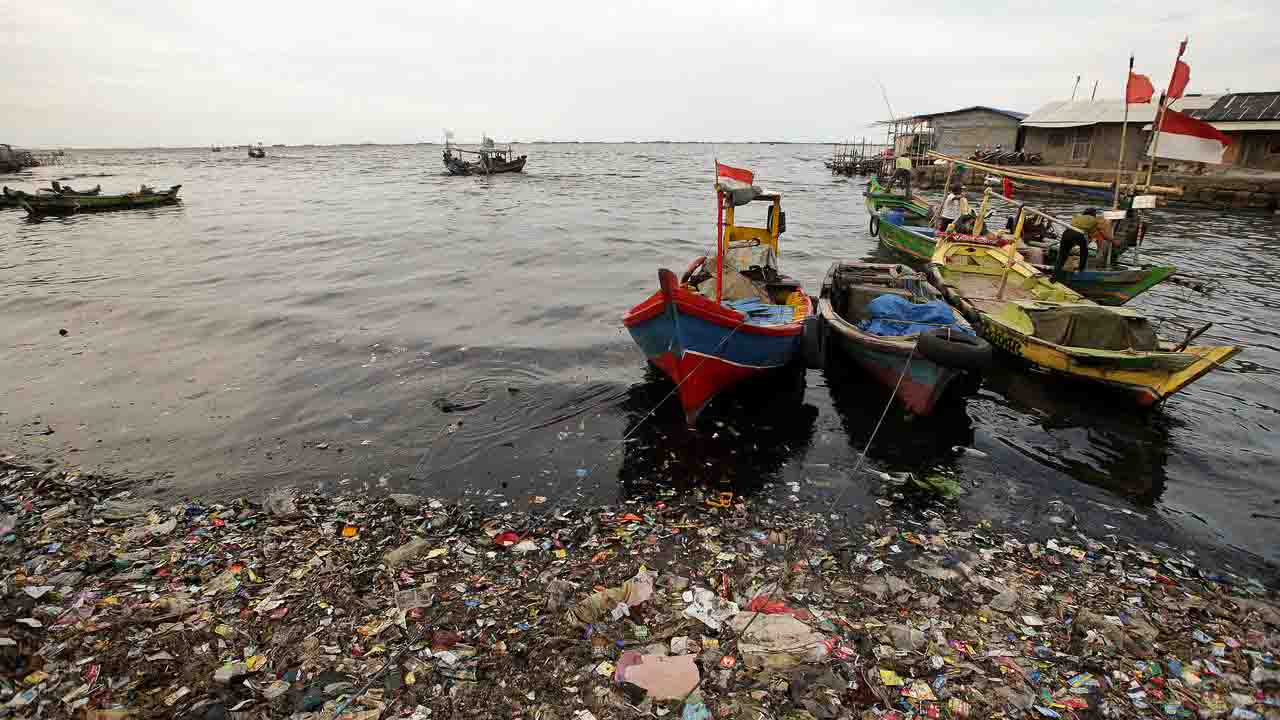
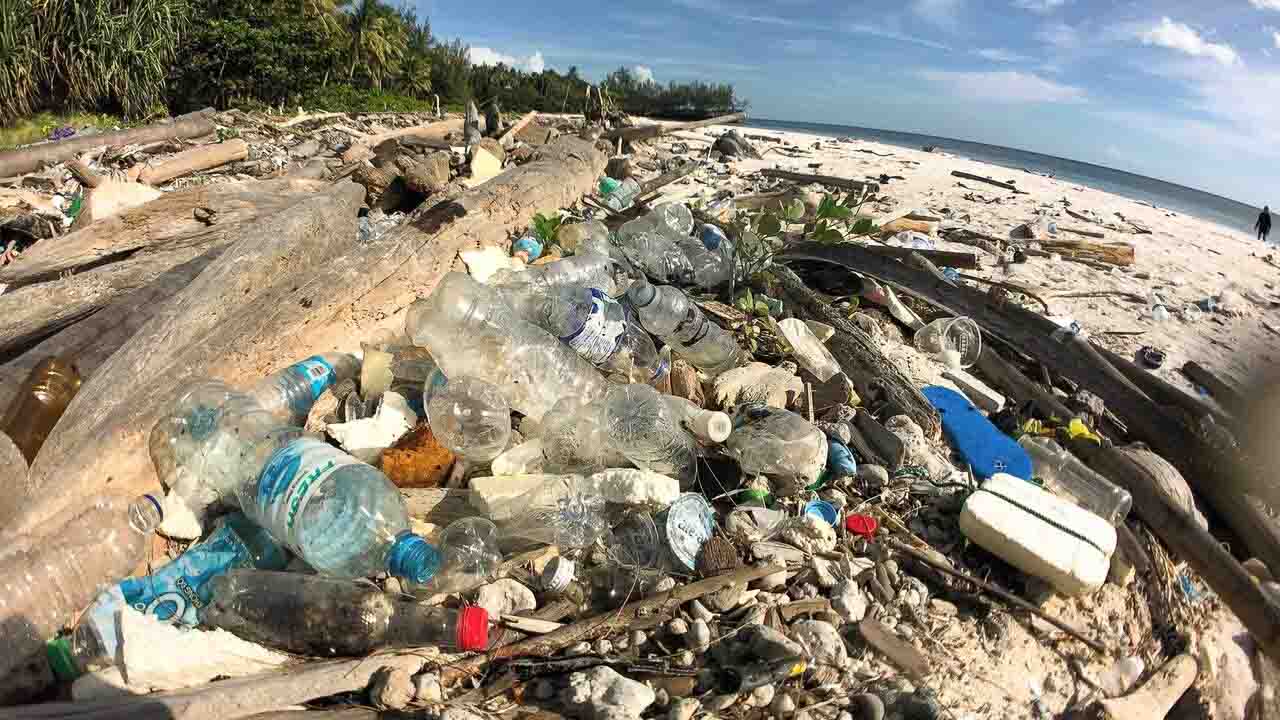
An AQUA plastic bottle, produced by Danone, floats in the coastal waters of Indonesia, illustrating the growing plastic pollution and public health crisis affecting marine ecosystems.
Plastic Waste, Political Negligence, and the Public Health Crisis in Rural Indonesia
Plastic pollution in Indonesia is often described as an environmental problem. In reality, it has become a serious and preventable public health crisis. The plastic that accumulates in villages, rivers, and coastal ecosystems is not only the result of individual behaviour. It is largely the consequence of political negligence and policy choices that have prioritised short-term economic growth over environmental protection, population health, and scientific risk assessment.
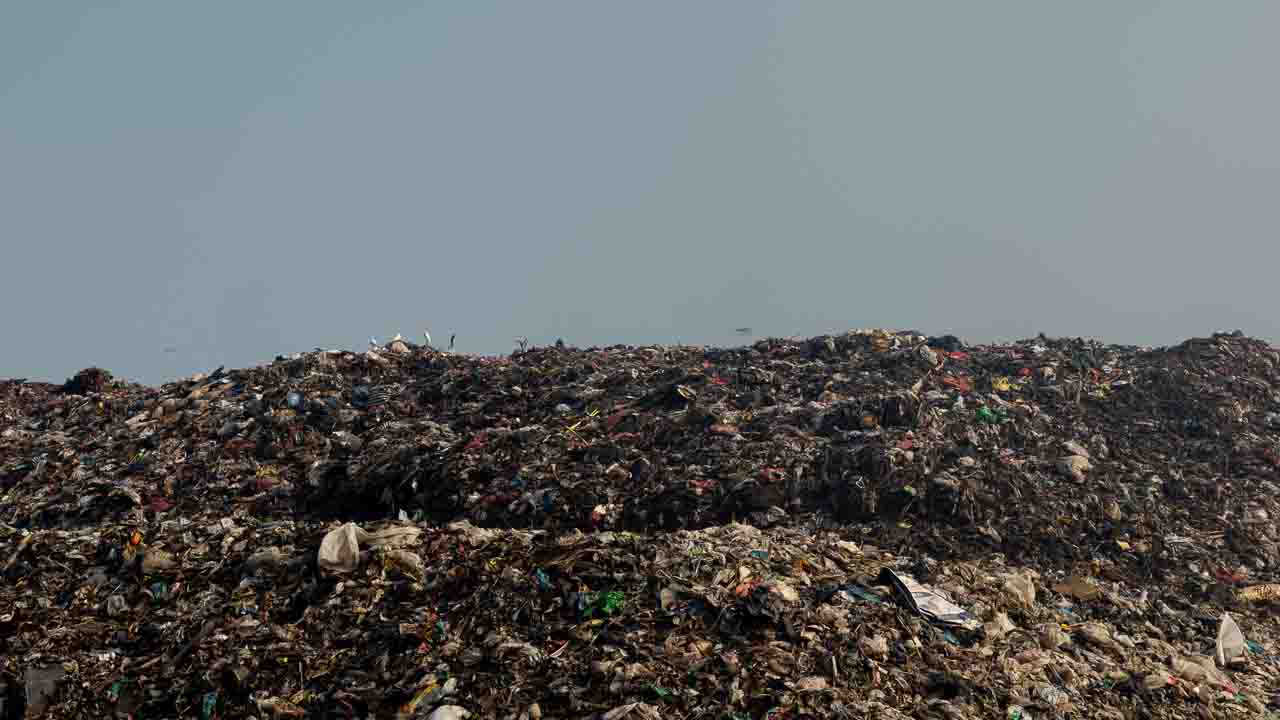
The numbers illustrate the scale of the crisis. Globally, more than 400 million tons of plastic are produced every year. Indonesia generates more than 7 million tons of plastic waste annually and is widely identified as one of the largest contributors to marine plastic pollution. Large portions of this waste remain unmanaged. Rivers transport it directly into coastal ecosystems, while in rural regions, it simply accumulates around homes and water sources. These broader dynamics are well documented by the United Nations Environment Programme and by the landmark Science study on plastic waste inputs from land into the ocean.
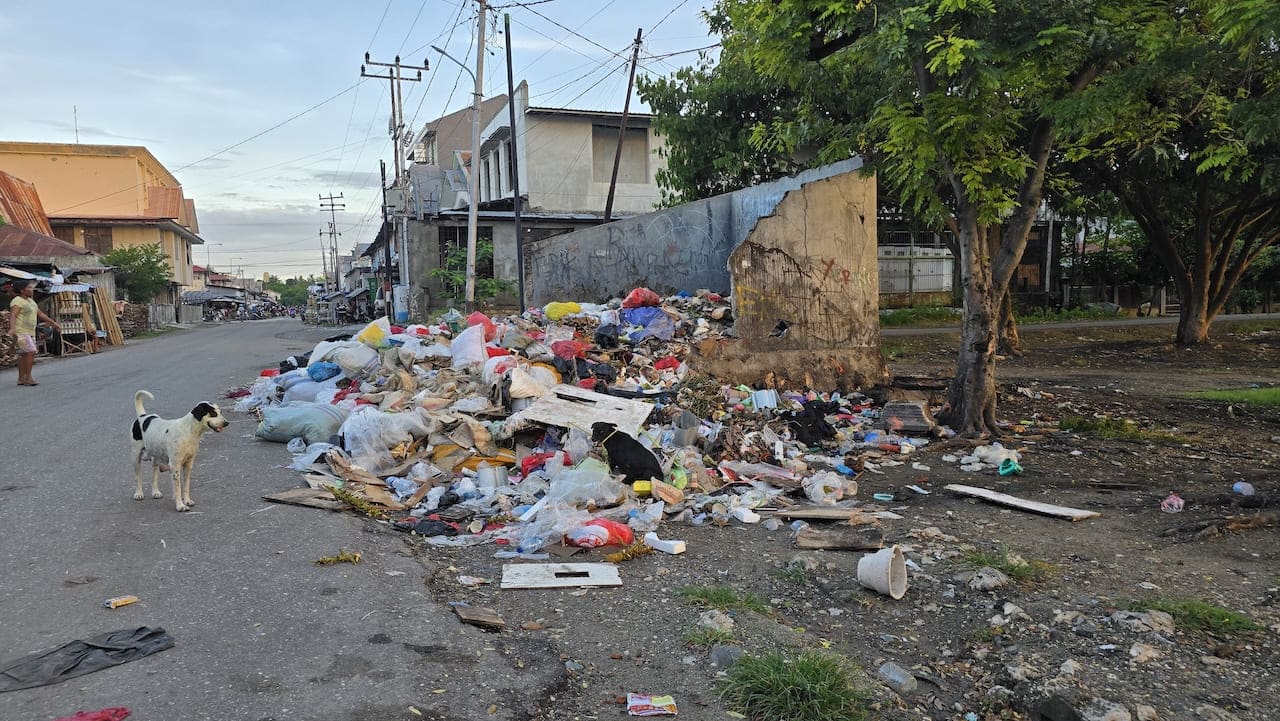
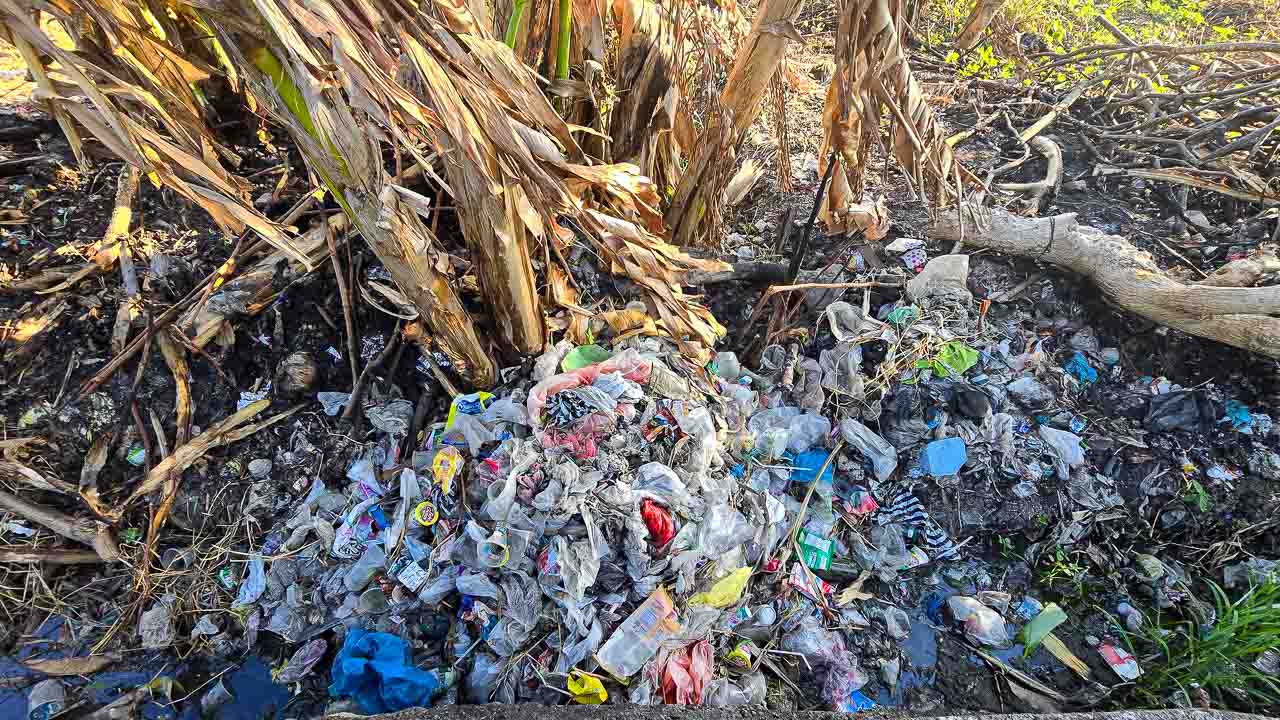
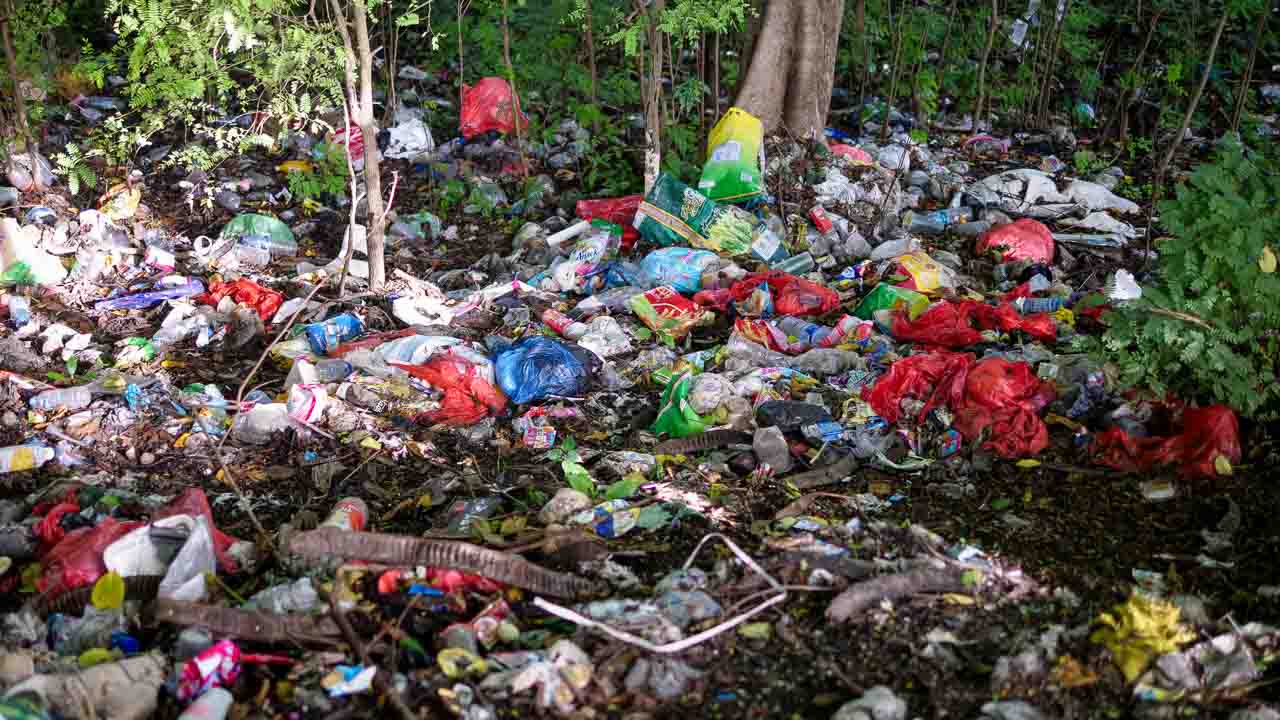
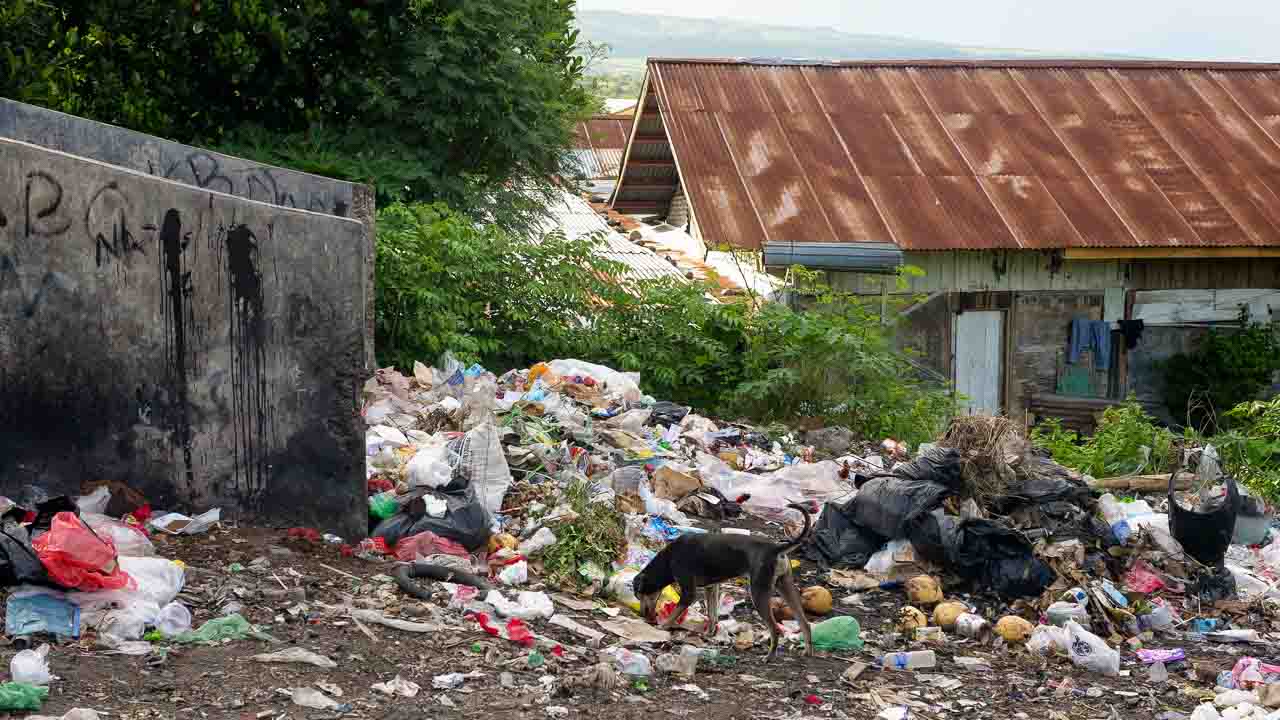
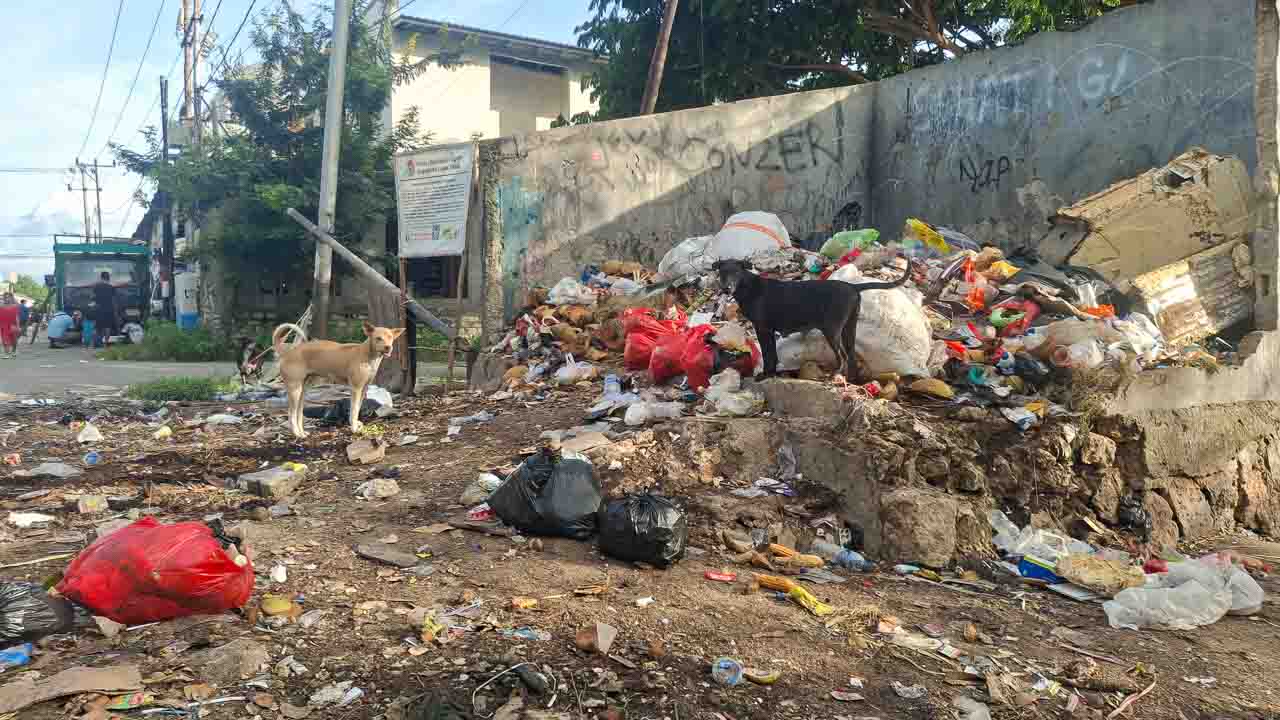
Even in Bali, one of the country’s most developed and economically powerful regions, roughly 60 tons of waste can be removed from beaches every single day during peak seasons. In remote districts such as East Sumba, the situation is far worse. Organised waste management does not exist. Plastic packaging, bottles, and bags are discarded in fields and rivers, or burned next to houses, because there is no alternative. The scale of Indonesia’s waste management failures has also been detailed in the World Bank’s marine debris hotspot rapid assessment for Indonesia.
Numerous scientific studies and international reports now confirm what communities experience daily in Indonesia. Plastic pollution has reached levels that threaten ecosystems, water safety and long-term public health.
These practices create direct health risks.
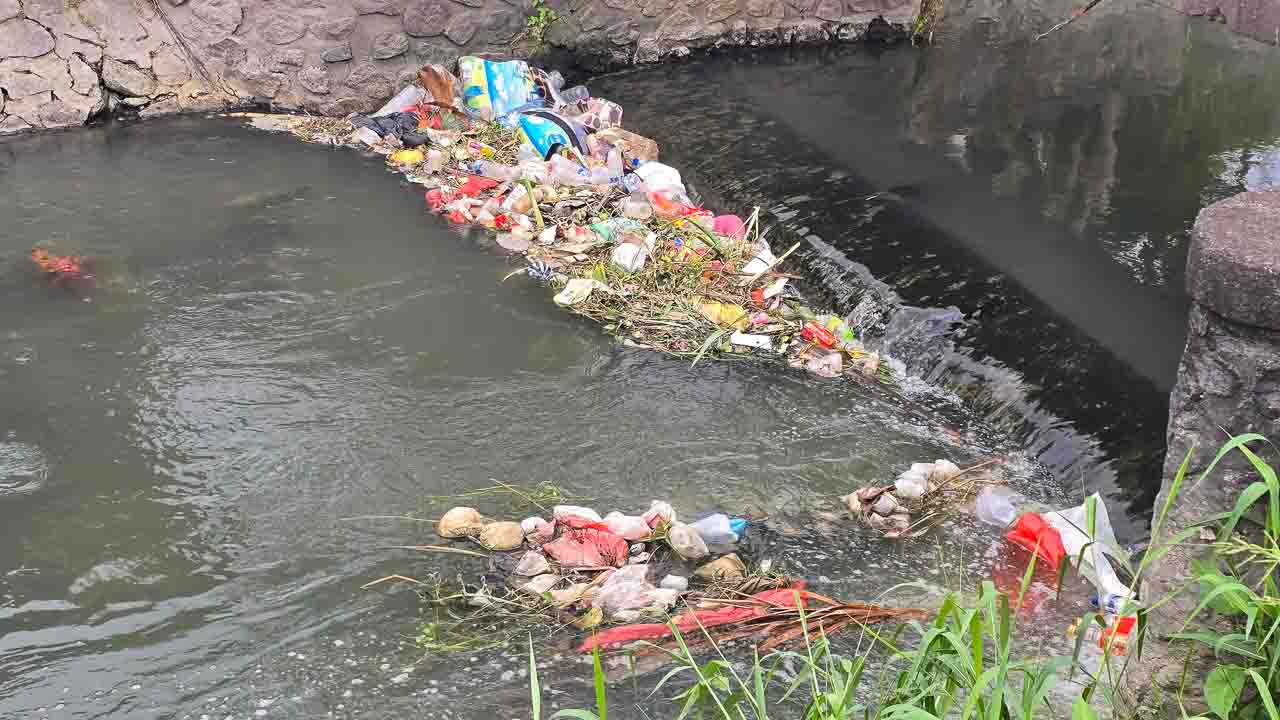
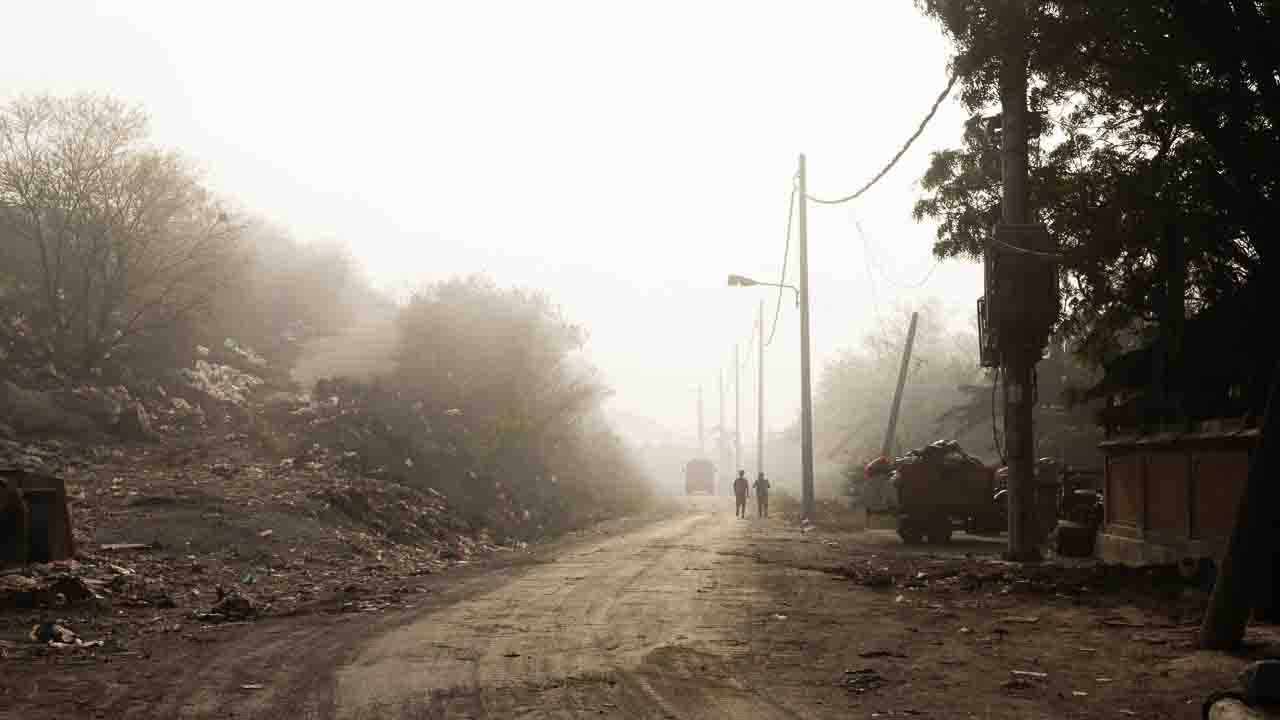
Discarded plastic containers trap rainwater and become ideal breeding sites for mosquitoes transmitting dengue and malaria. Waste dumped near rivers contaminates the water used daily for washing, cooking, and sometimes drinking. Burning plastic releases toxic compounds, including dioxins, heavy metals, and fine particulate matter, that are associated with respiratory disease and long-term cancer risks.
Another growing concern is microplastic exposure. As plastic breaks down, microscopic particles contaminate soil, freshwater, and food chains. These particles have now been detected in drinking water, seafood, and even human blood. Several studies estimate that humans may ingest the equivalent of one credit card’s worth of plastic every week through contaminated food, water, and air. The growing concern around this exposure has been reviewed by the World Health Organisation in its report on microplastics in drinking water.
The health consequences are increasingly visible. Indonesia is already facing a rapidly rising burden of non-communicable diseases, including cancers that have increased significantly in recent decades. Environmental contamination, air pollution, and toxic exposures are now recognised as contributors to this growing public health challenge.
Despite these risks, many political decisions continue to prioritise economic expansion over environmental health. Large-scale industrial developments, including coastal aquaculture projects spanning vast areas, are approved even as basic waste management systems remain absent in surrounding communities. The result is a development model that generates waste faster than society can manage it.
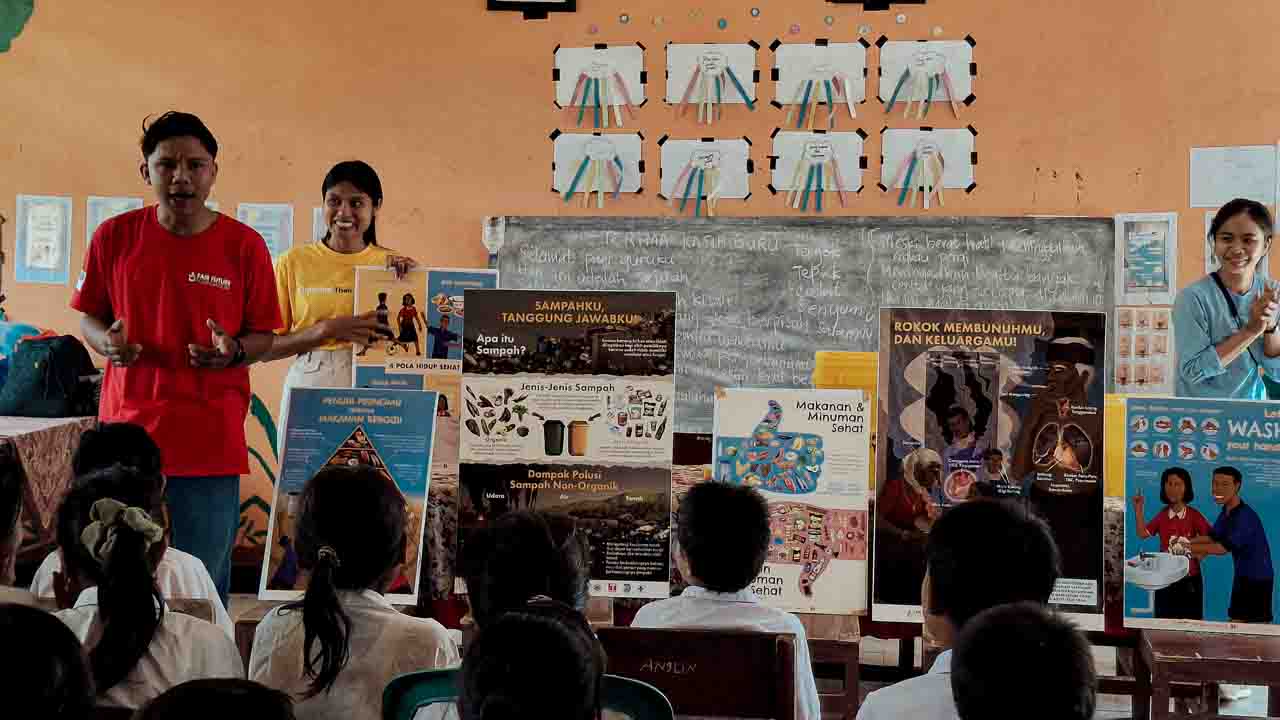
In East Sumba, where we have worked since 2019, the Fair Future Foundation and its partners have confronted this reality directly. Through the Primary Medical Care program and the work of community health agents (our Kawan Sehat Health Agents Program), information on hygiene, environmental health, and waste management is brought to villages that receive little institutional support. Educational posters on waste management and public health have been produced and distributed across communities.
Some of these materials were even proposed to the local authorities of East Sumba. They declined.
Ref: Download this poster in English here or in Bahasa Indonesia here.
The work continues nonetheless. Kawan Sehat Health agents carry medical care, prevention campaigns, and public health information into remote villages where plastic waste accumulates daily around homes and rivers. Plastic pollution in Indonesia is no longer simply an environmental concern. It is a structural determinant of disease risk, affecting water safety, air quality, vector-borne diseases, and food systems.
This crisis is not inevitable. It is the predictable result of governance that has failed to align economic development with environmental protection and public health. Addressing it requires political accountability, investment in waste infrastructure, and serious public health education.
Without these changes, rural communities will continue to live on the front lines of a pollution crisis they did not create but whose health consequences they must endure.
Thank you for reading. Today, the 12th of March 2026 | Alex Wettstein
In Short – Plastic Pollution and Disease Risk
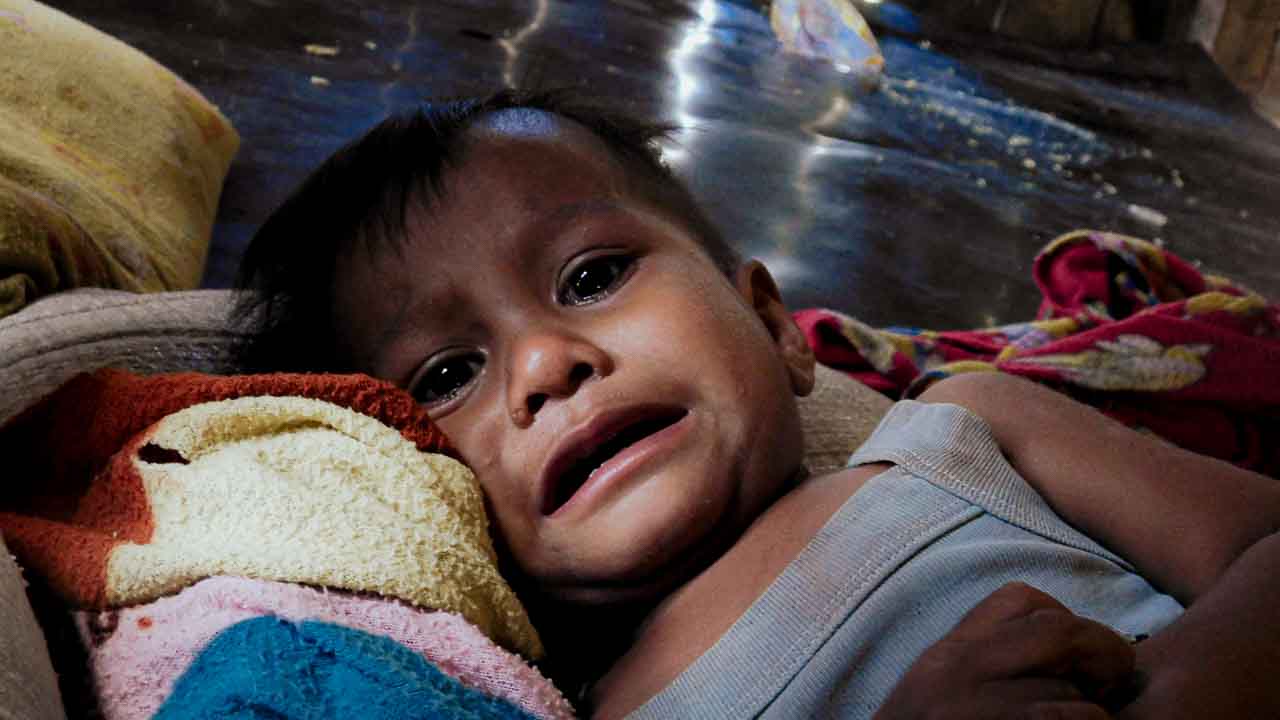
Plastic waste is not only an environmental burden. In rural regions it directly influences mosquito breeding, toxic air exposure and water contamination. Environmental pollution therefore becomes a hidden driver of infectious diseases and long term health risks.
When Plastic Waste Becomes a Health Threat

List of Related Organisations with Hyperlinks
- World Health Organisation: The World Health Organisation monitors environmental health risks, including pollution exposure, affecting vulnerable populations worldwide.
- UN Environment Programme: UNEP leads global initiatives to reduce plastic pollution and studies its environmental and human health impacts.
- UNICEF: UNICEF works on environmental health and child protection in communities exposed to unsafe water, pollution and sanitation risks.
- Ocean Conservancy: Ocean Conservancy researches global plastic pollution and supports solutions to protect coastal ecosystems and public health.
- The Global Fund: The Global Fund supports disease prevention programs, including those addressing malaria and environmental determinants that affect vulnerable populations.
- Rotary International: Rotary supports global humanitarian programs including sanitation, environmental protection and community health initiatives.
- SolarBuddy: SolarBuddy distributes solar lights in communities without electricity, improving education and safety in regions similar to those served by Fair Future.
- PATH: PATH develops public health solutions addressing environmental determinants of disease in vulnerable populations worldwide.