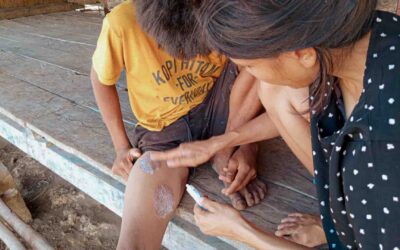


Community Health Brokers operate as a structured health system in ultra rural East Sumba, managing 700 to 1000 consultations monthly. With 80 percent of cases resolved locally under supervision, this Primary Medical Care model reduces preventable hospitalizations and strengthens healthcare access.
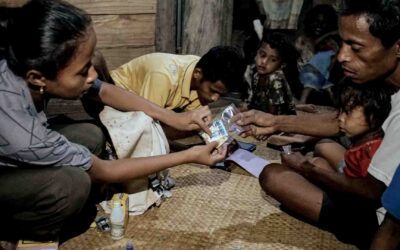
Having Lives Through Primary Medical Care in Remote Areas
Fair Future Foundation’s Primary Medical Care initiative is a lifeline for remote communities in East Sumba. By providing essential healthcare where access is nearly impossible, this program saves lives. Our approach empowers local women as Kawan Sehat health agents, ensuring that even the most isolated villages receive vital medical attention. This unique program is building healthier, more resilient communities.
The Primary Medical Care category documents the delivery of essential healthcare services in ultra-rural settings where access to doctors and facilities is limited or absent. Articles describe how trained health agents provide first-line care, manage common illnesses, treat injuries, monitor chronic conditions, and identify early warning signs requiring referral. This work follows WHO primary health care principles, combining treatment, prevention, and continuity of care. By bringing structured medical care directly to communities, this category highlights measurable improvements in health outcomes, safety, and resilience under real field constraints.
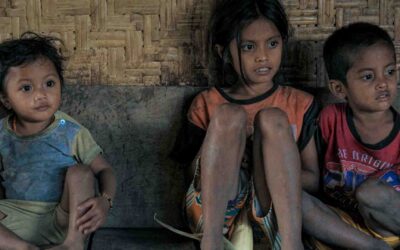
Malnutrition Is an Infection Multiplier | Child Immunity
Malnutrition is an infection multiplier in East Sumba, where one child in three faces growth delay. Undernutrition weakens cellular immunity, increases infection severity, and turns common illnesses into life-threatening complications. Restoring nutrition means restoring immune defense and survival.
Preventable deaths are geographic | Delay to care
Preventable deaths are geographic in ultra rural Indonesia. The decisive variable is not pathogen biology but time to first medical contact. When fever, cough or diarrhea begin, hours matter. In many villages, care is days away. Reducing delay is the most direct way to reduce mortality.
Primary Medical Care in East Sumba Field Supervision
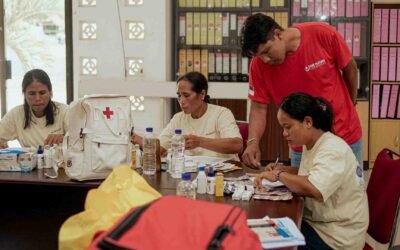
Primary Medical Care East Sumba is not theoretical. It is a structured system that keeps medicines available, records accurate, and rural agents clinically supported. At Puskesmas Kawangu, supervision ensures that distance does not become danger.
Sepsis in Rural Indonesia | Preventing Silent Deaths
Sepsis in ultra-rural Indonesia often begins with untreated infections caused by lack of access to care. Based on field experience, this article explains how early primary medical care, trained community health agents, and prevention stop infections before they become fatal.
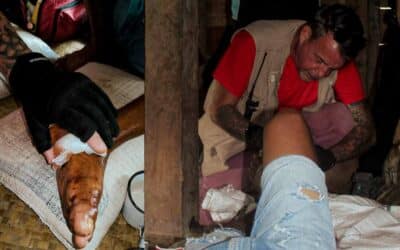
Snakebite management in rural Indonesia | Fair Future
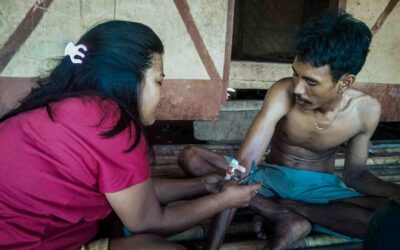
Snakebites are a significant threat in East Sumba and similar areas where access to healthcare is limited. This guide provides crucial steps to manage snakebites, prevent complications and save lives. Learn how to identify symptoms, administer first aid effectively and avoid common mistakes in this essential medical advice article.
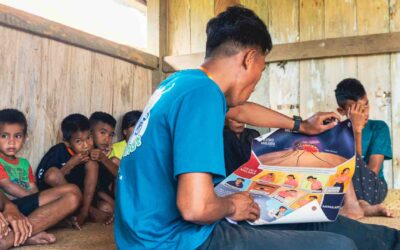
Disease Prevention in Rural Health
In ultra-rural regions, disease prevention is often the only medical barrier between families and severe illness. Education, hygiene and vaccination awareness reduce infections long before emergency care is needed, protecting communities where access to healthcare remains limited.
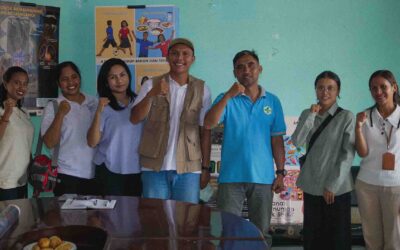
Kawan Sehat medical evaluation in remote East Sumba
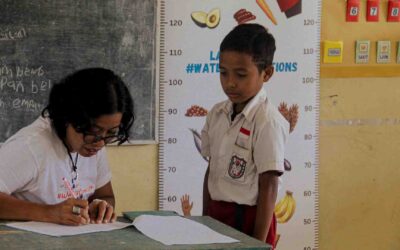
A clinical assessment of how primary healthcare quality is maintained in remote villages of East Sumba. This article documents a structured medical evaluation of a community health agent, highlighting training, supervision, and data accuracy as key elements of safe rural healthcare.
No Access to Healthcare in Rural Areas | Clinical Reality
In ultra-rural regions, people do not die from rare diseases, but from delays and absence of care. Primary Medical Care restores continuity where systems stop, reducing preventable illness through presence rather than technology.
Skin infection prevention in rural Indonesia
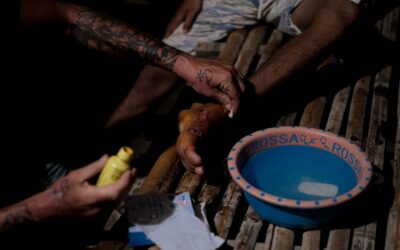
Skin infections are not cosmetic. In ultra rural areas, small cuts, insect bites, or scratched skin can quickly become dangerous infections. Heat, dirty water, and delayed care increase the risk. Early cleaning and simple prevention save lives every day in the field.
Kawan Sehat Medical App – Offline care in rural regions
In ultra rural Indonesia, access to medical care depends on distance, roads, and signal. The Kawan Sehat Medical App was created to change that reality by enabling trained community health agents to deliver structured primary medical care without internet access, while generating reliable medical data for long term action.
Kawan Sehat Ultra-Rural Medical Care in Eastern Indonesia
In eastern Indonesia, ultra-rural medical care depends on people who walk where vehicles cannot go. In regions cut off from roads, electricity, and doctors, Kawan Sehat health agents provide first-line treatment, prevention, and education. Their work fills the growing gaps left by under-equipped Puskesmas and overstretched hospitals.