

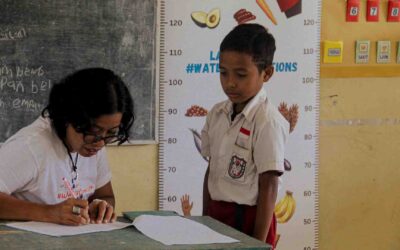
Malnutrition is an infection multiplier in East Sumba, where one child in three faces growth delay. Undernutrition weakens cellular immunity, increases infection severity, and turns common illnesses into life-threatening complications. Restoring nutrition means restoring immune defense and survival.
PRIMARY MEDICAL CARE AND DISEASE PREVENTION
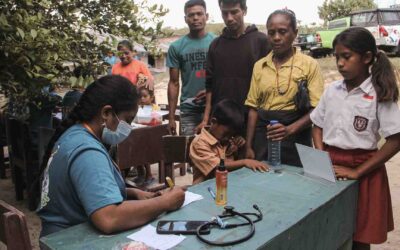
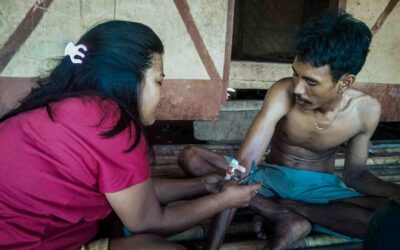
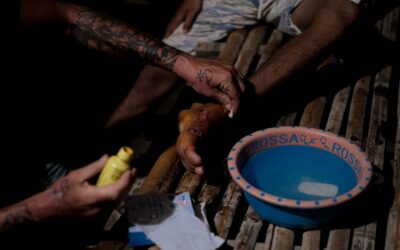
Where no doctor is available, care must reach people directly. Fair Future Foundation delivers primary medical care and disease prevention through trained local health agents following structured protocols. Treatment of common illnesses, fever, wounds, and malaria is combined with hygiene, vaccination, and community education. This integrated model reflects WHO public health principles, where prevention and care form a single, continuous medical response.
The Medical & Prevention category focuses on evidence-based field medicine and public health actions implemented in ultra-rural contexts. It documents how primary medical care, disease prevention, and early intervention reduce morbidity and mortality where access to healthcare is absent. Articles address infectious diseases, maternal and child health, hygiene, vaccination, and community education, aligned with WHO recommendations. Beyond theory, this section presents concrete medical practices carried out on the ground by trained local health agents, highlighting how prevention remains the most effective and sustainable medical act in vulnerable populations.
Antibiotics Without Laboratories | Rural Care
Antibiotics without laboratories define daily medical reality in remote East Sumba. Severe infections cannot wait for cultures that do not exist. We treat empirically, guided by clinical expertise, local epidemiology, and strict protocols designed to protect both patients and global antimicrobial effectiveness.
Health Without Infrastructure Fiction | Rural Care
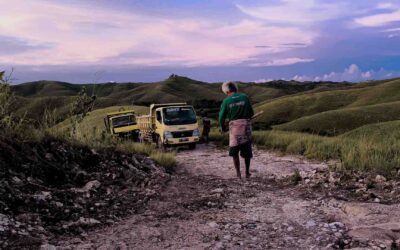
Health Without Infrastructure Fiction describes a simple reality in ultra-rural East Indonesia. When roads, water, and electricity are absent, diagnosis is delayed and preventable disease becomes lethal. Infrastructure is not secondary to healthcare. It is healthcare.
Preventable deaths are geographic | Delay to care
Preventable deaths are geographic in ultra rural Indonesia. The decisive variable is not pathogen biology but time to first medical contact. When fever, cough or diarrhea begin, hours matter. In many villages, care is days away. Reducing delay is the most direct way to reduce mortality.
Primary Medical Care in East Sumba Field Supervision
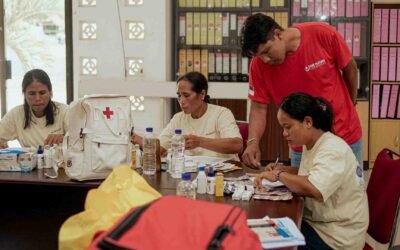
Primary Medical Care East Sumba is not theoretical. It is a structured system that keeps medicines available, records accurate, and rural agents clinically supported. At Puskesmas Kawangu, supervision ensures that distance does not become danger.
Annual Report 2025 – Field Impact
Annual Report 2025 presents verified medical data, malaria prevention results, clean water infrastructure and school electrification projects in remote villages of East Sumba. A transparent, field-based overview of structured humanitarian action built on 16 years of Swiss expertise.
Sepsis in Rural Indonesia | Preventing Silent Deaths
Sepsis in ultra-rural Indonesia often begins with untreated infections caused by lack of access to care. Based on field experience, this article explains how early primary medical care, trained community health agents, and prevention stop infections before they become fatal.
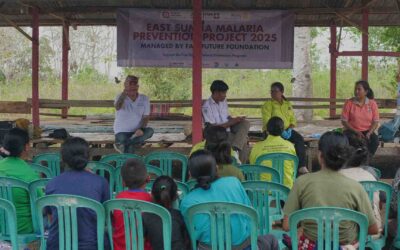
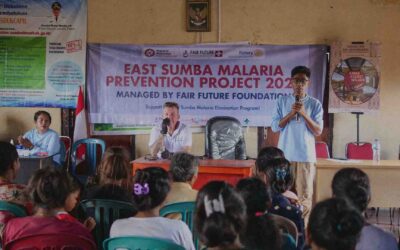
Malaria prevention in Pahomba | Field medical action
Malaria prevention in Pahomba relies on education, early detection, and correct mosquito net use. Fair Future and Kawan Baik Indonesia teams work directly with families in East Sumba, delivering field-based medical action where access to healthcare remains limited.
Malaria community education in Marada | Field prevention
In Marada, malaria prevention relies on education, rapid testing, and clear tools delivered directly to families. Field teams work with communities to reduce delayed diagnosis and strengthen household protection in ultra rural East Sumba.
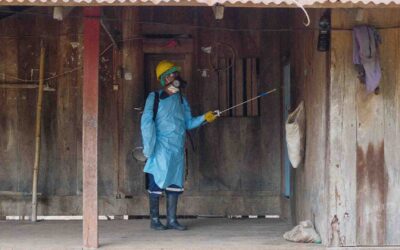
Indoor Residual Spraying for Malaria Control
Indoor residual spraying is a key malaria prevention tool in ultra-rural Indonesia. Fair Future and Kawan Baik teams apply strict medical protocols inside homes, targeting Anopheles mosquitoes while documenting each intervention to ensure safety, traceability, and measurable public health impact.
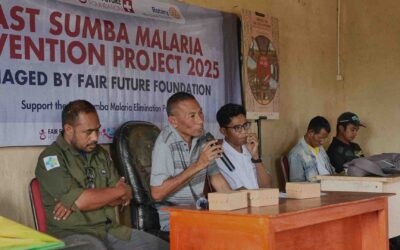
Malaria Prevention IRS Training in Umalulu | Fair Future
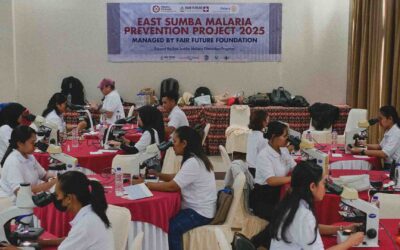
Day two of malaria microscopy training validates real diagnostic skills in East Sumba. In clinics without hospitals or laboratories, accurate slide reading guides treatment, prevents severe cases, and protects lives through disciplined, field-based medical practice.
Malaria microscopy training day two | field validation
Day two of malaria microscopy training validates real diagnostic skills in East Sumba. In clinics without hospitals or laboratories, accurate slide reading guides treatment, prevents severe cases, and protects lives through disciplined, field-based medical practice.