


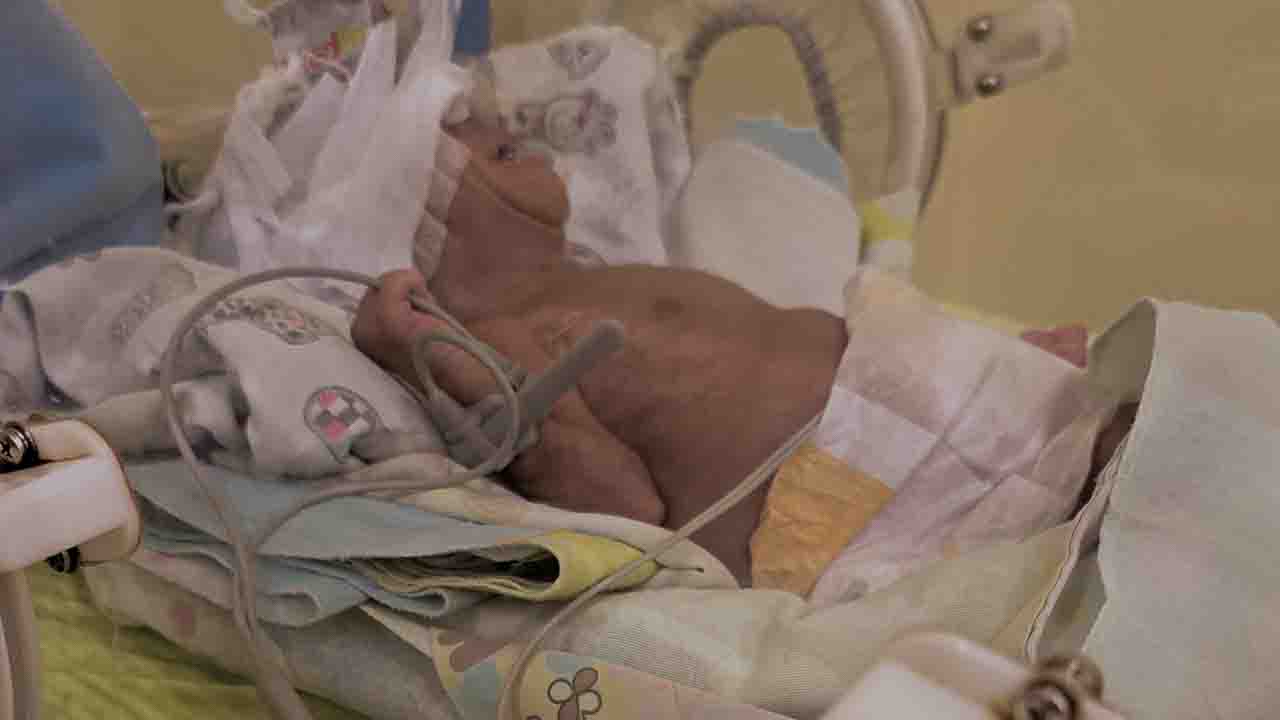
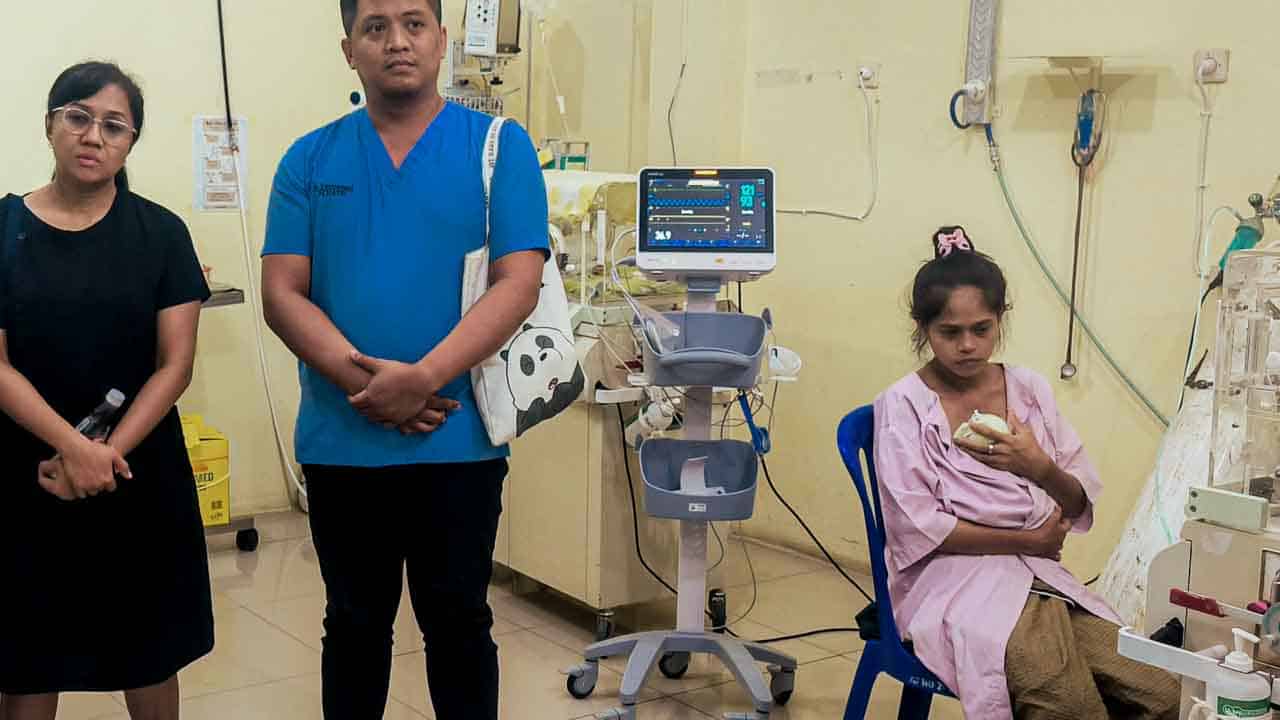
A premature newborn receives basic care in a rural Indonesian facility where neonatal equipment and support remain limited
Child Marriage and Adolescent Pregnancy in Rural Indonesia: A Silent Public Health Crisis.
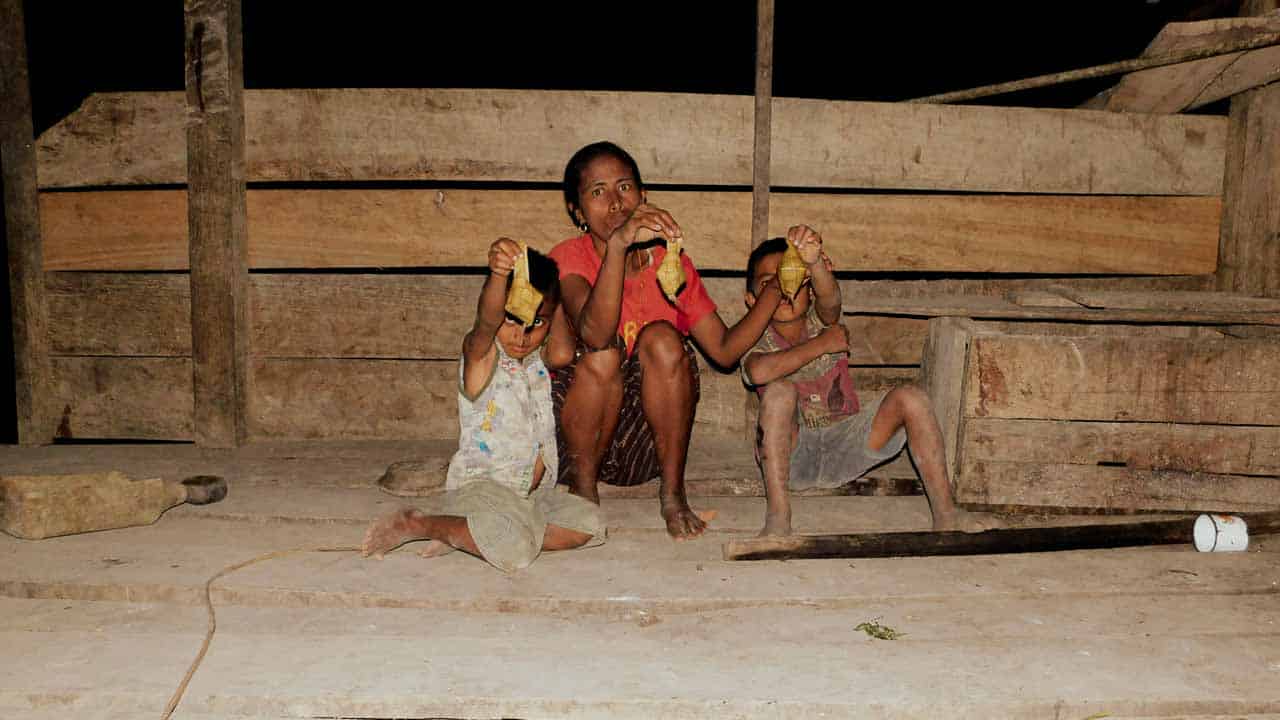
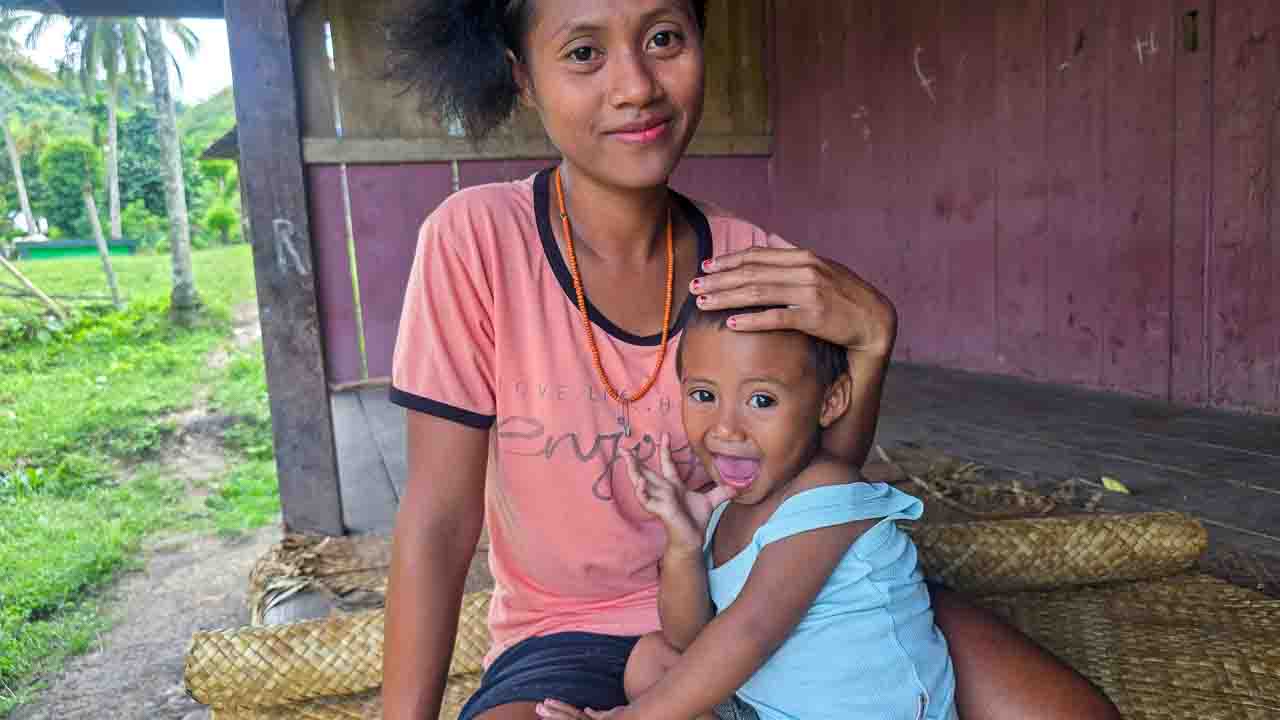
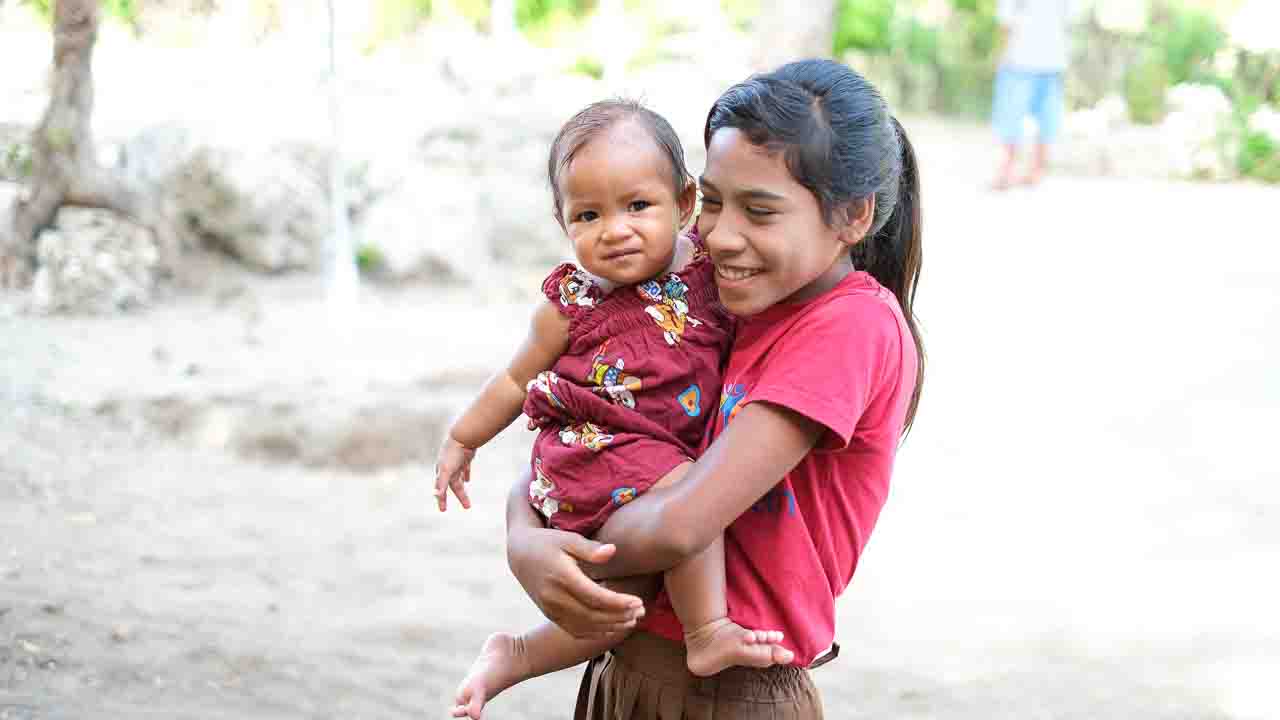
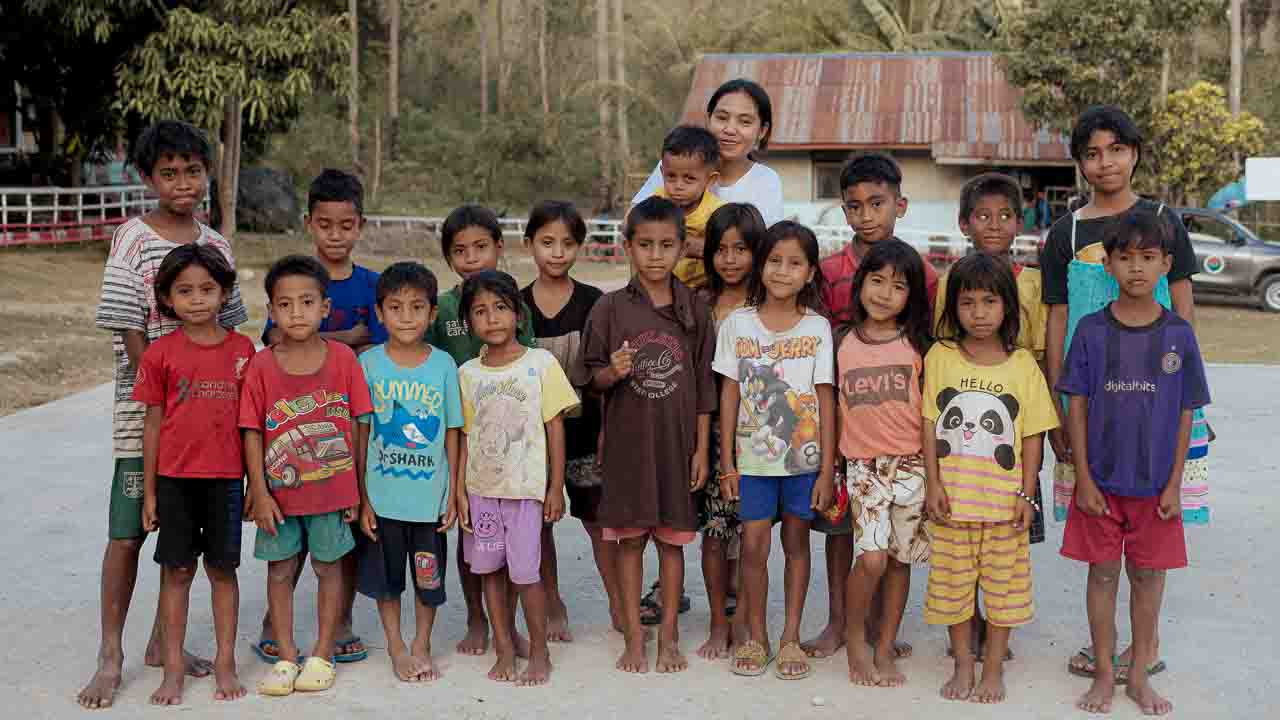
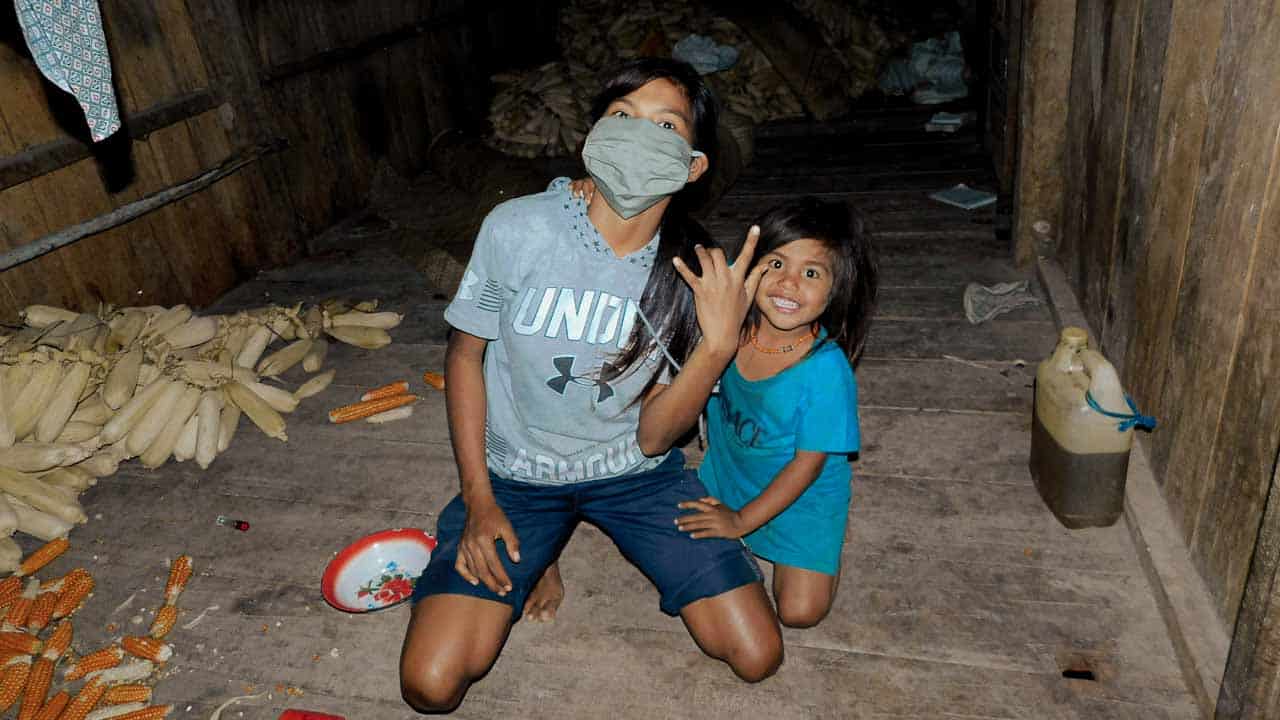
A hidden reality in plain sight. In Indonesia’s ultra-rural regions, particularly in East Sumba, child marriage and adolescent pregnancy are not uncommon. They form part of everyday life. Behind each case is a girl, often still a child, entering pregnancy unprepared, unprotected, and without access to sufficient care. This issue is not solely social; it constitutes a major public health crisis that remains largely unrecognised and inadequately addressed. Adolescent pregnancy is widely recognised as a major global health issue, associated with significant medical risks and long-term consequences (WHO, 2025: source). In Indonesia, data confirm that girls living in rural areas are significantly more exposed to child marriage than those in urban settings (UNICEF Indonesia: source). In villages where schools are distant, healthcare facilities are minimal, and information scarce, early marriage becomes normalised, and early pregnancy almost inevitable.
Clinical consequences are observed daily.
The medical facts are clear and measurable. Adolescent pregnancies carry significantly higher risks of prematurity, low birth weight, neonatal distress, and mortality, as consistently described by the WHO and by broader public health analyses from UNFPA. Local facilities report alarmingly many premature newborns, sometimes weighing less than 2 kilograms, struggling to survive without incubators or neonatal support. The burden of prematurity itself is enormous: WHO identifies preterm birth complications as one of the leading causes of death in children under five. For the mother, the risks are equally severe. Anaemia is common and often profound. Obstructed labour frequently occurs due to pelvic immaturity. Postpartum complications and maternal mortality rates are high. These are not hypothetical risks but daily clinical realities. They reflect what we also describe in When Health Systems Stop Before the Village, where geography and delayed access to care directly shape who survives and who does not.
The body is unprepared
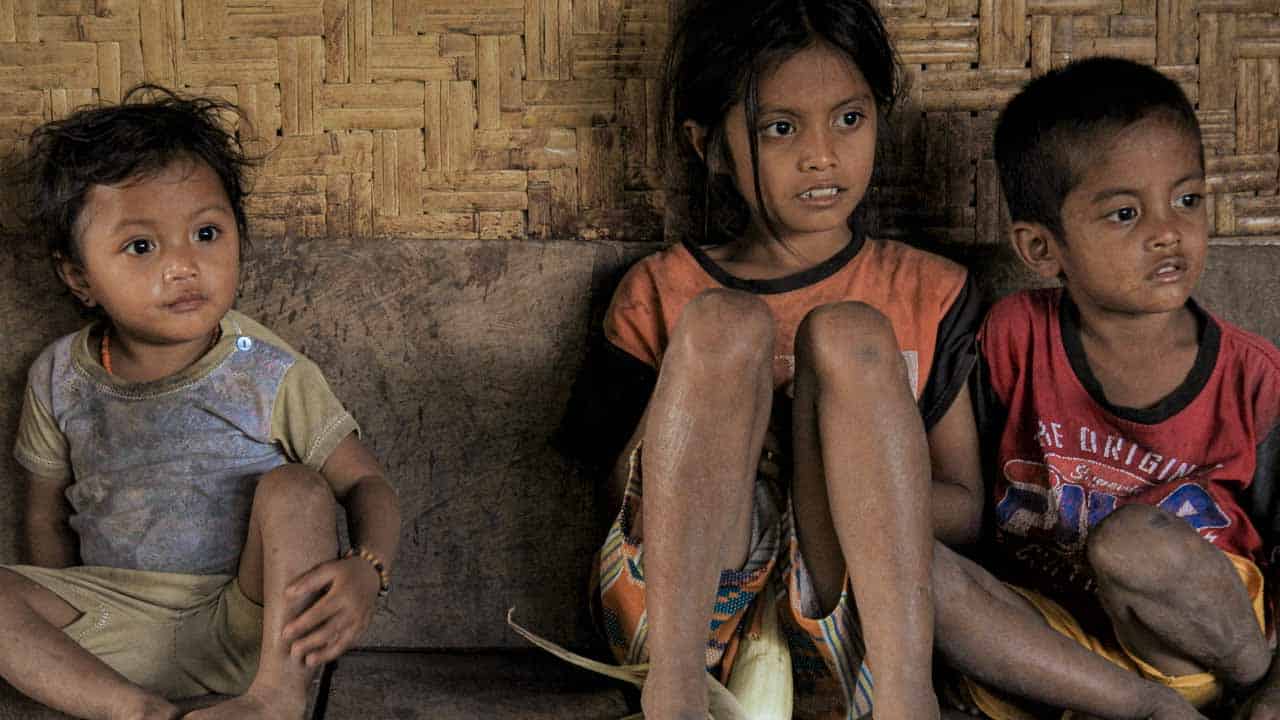
A young adolescent’s body is not biologically ready for pregnancy. Growth persists. Nutritional reserves are insufficient. In many communities where we work, malnutrition further weakens these young girls. During pregnancy, the body must support both its own growth and that of the fetus. The outcome is predictable: intrauterine growth restriction, premature birth, and fragile newborns with limited chances of survival. This is worsened by the lack of prenatal monitoring, delayed access to healthcare, and long distances to medical facilities. In the villages where we work, this reality constantly overlaps with undernutrition, which we address. Malnutrition is an Infection Multiplier. Physical immaturity and malnutrition are not secondary details. They are central clinical drivers of poor maternal and neonatal outcomes.
Structural causes and collective silence
These pregnancies are seldom planned. They occur within a context shaped by tradition, lack of education, limited access to sexual and reproductive health information, and strong social pressures. Gender inequality remains deeply entrenched. In some cases, relationships are forced, and sexual violence is a reality that remains largely unspoken. Indonesia has already acknowledged these structural determinants in its National Strategy on Child Marriage Prevention, yet on the ground, in the districts where we work, the gap between documents and action remains immense. What is most striking is not only the persistence of these factors but also the absence of effective responses. We have seen no meaningful public health campaigns, no structured prevention strategies, no sustained government action, and no visible sense of urgency from local authorities in places where this problem is well known. Tradition is too often used to justify inaction. This is a failure of responsibility. When preventable medical risks are known, silence is not neutrality. It is abandonment.
Acting where no system reaches
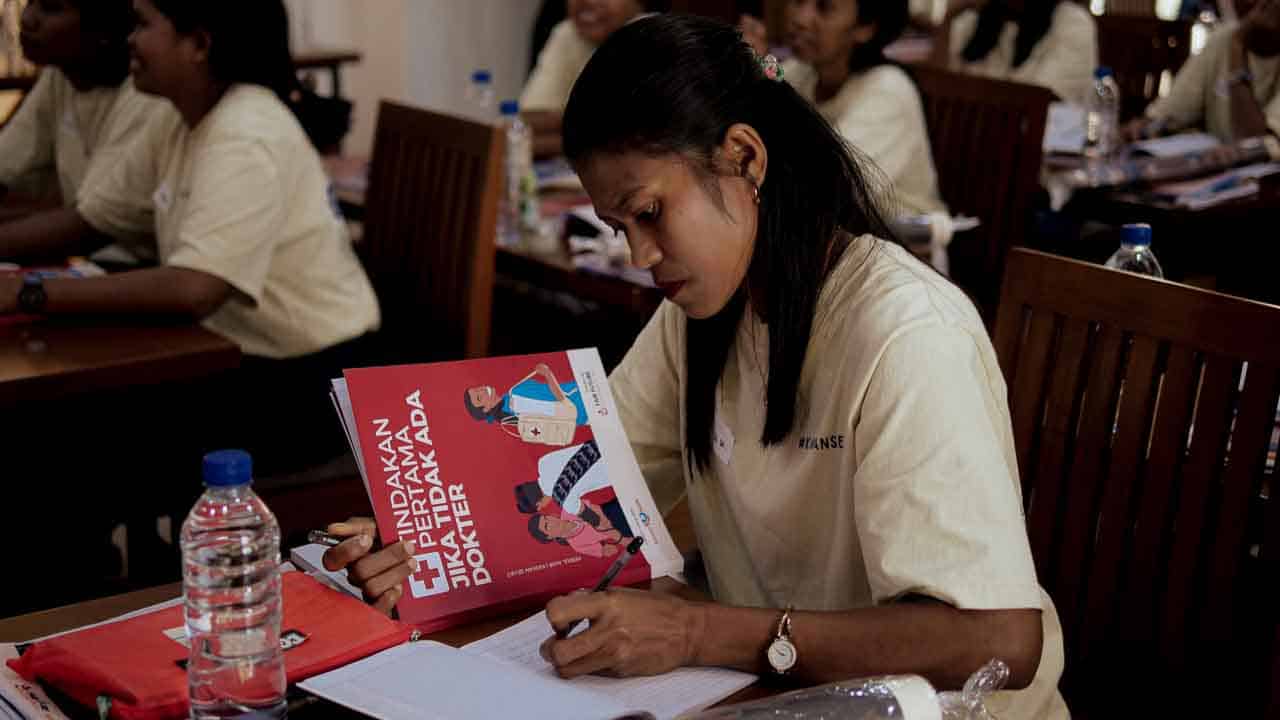
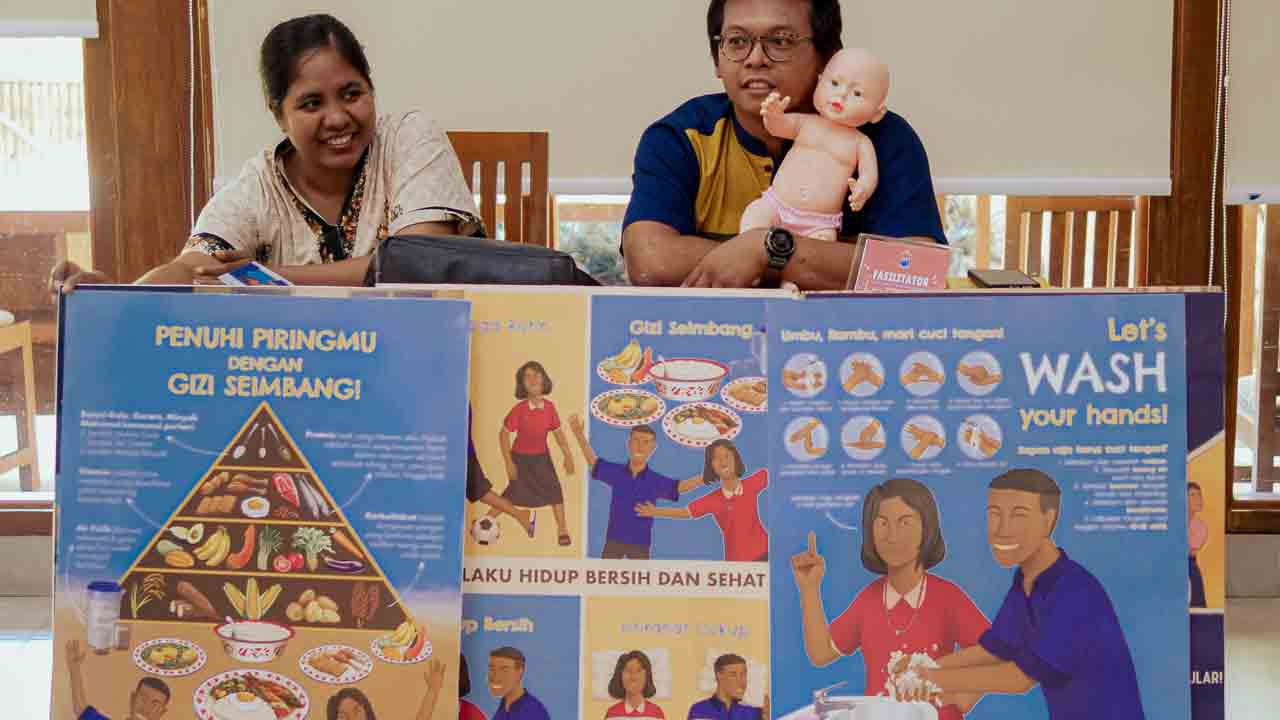
Through the Primary Medical Care programme, Fair Future Foundation works directly within these communities. Our health agents (ref: Kawan Sehat Health Agents), trained and present in the villages, identify early pregnancies, support young women, and provide essential education on health and risks. They explain, listen, and guide. When complications are suspected, they facilitate referral to advanced care, often over great distances. This work is slow, compassionate, and rooted in trust. It does not replace a health system, but in many places, it is the only available response. It is part of the same field logic described in Community Health Brokers Are a Health System, Last-Mile Global Health, and Preventable Deaths Are Geographic. Preventing adolescent pregnancy requires more than awareness. It demands education, access to care, protection of young girls, and the courage to challenge harmful norms. Until these elements are in place, this silent crisis will persist, and young lives will remain at risk before they even begin.
Thank you for reading this article. Today, the 21st of March 2026 | Alex Wettstein
In Short – When childhood ends too early
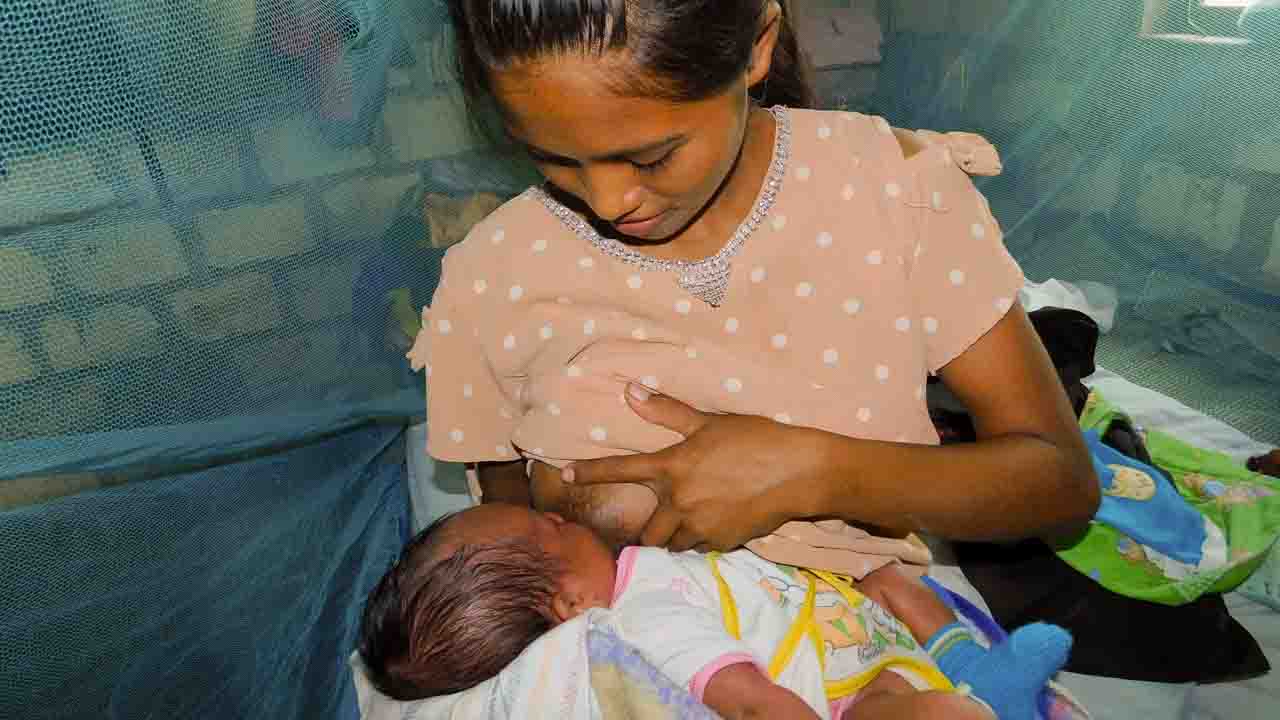
A girl becomes a mother before her body is ready. The risks are immediate: anemia, obstructed labor, premature birth. These are not rare cases but daily realities in ultra rural Indonesia. Without education and prevention, each pregnancy becomes a medical emergency before it even begins.
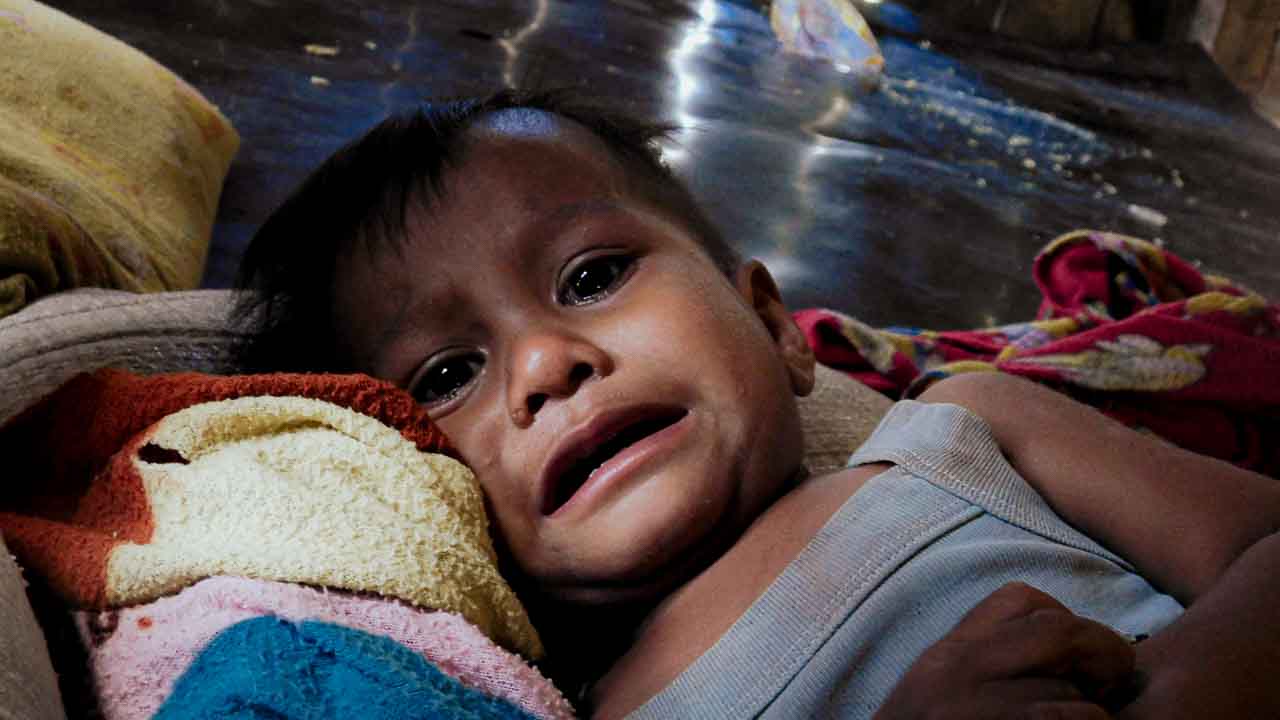
Lives, Risks and Care in Rural Indonesia

List of Related Organisations with Hyperlinks
- WHO – Adolescent Pregnancy: Global reference on adolescent pregnancy risks, including maternal mortality, prematurity, and systemic prevention failures.
- UNICEF – Child Marriage Indonesia: Provides data on child marriage prevalence in Indonesia and highlights its impact on girls’ health and education.
- UNFPA – Adolescent Pregnancy Report: Explains medical and social consequences of early pregnancy, including risks for mothers and newborns.
- WHO – Preterm Birth: Details the global burden of prematurity and its link to maternal health conditions and adolescent pregnancy.
- Girls Not Brides: An international network addressing child marriage and its direct impact on health outcomes and gender inequality.
- World Bank – Child Marriage and Development: Analyses economic, educational, and health consequences of child marriage in low-resource settings.