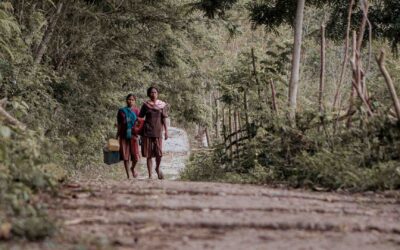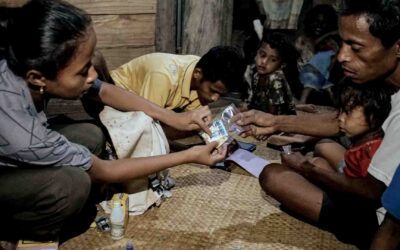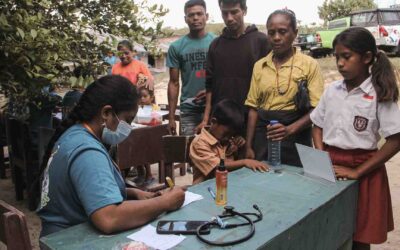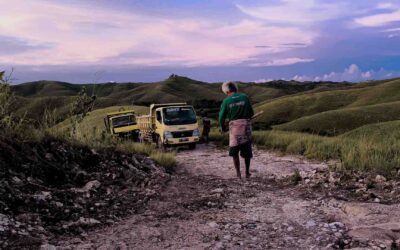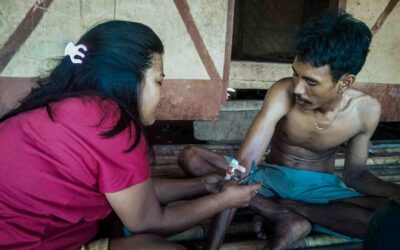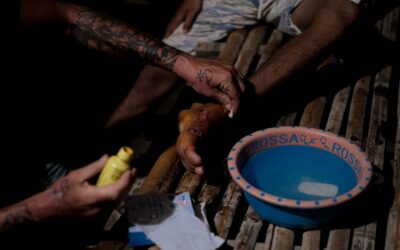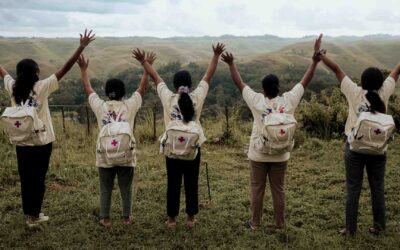


Health systems often function in cities and district hospitals but stop before reaching the most remote villages. Distance, weak infrastructure, limited staff and governance failures leave rural populations without care. Community health agents and primary medical care programs help bridge this gap.
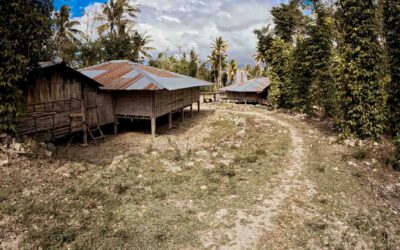
Vital Health Care Access for Ultra-Rural Communities
Fair Future Foundation is committed to ensuring vital health care access in ultra-rural communities. Our programs focus on preventing and treating diseases like malaria, dysentery, and polio, which are the leading causes of infant mortality. By integrating health education, primary medical care, and access to clean water, we work to improve the health and well-being of women, children, and families in East Sumba and beyond.
The Healthcare Access category examines barriers and solutions to accessing essential medical care in ultra-rural environments. Articles document how distance, infrastructure, cost, and workforce shortages limit care, and how targeted interventions improve access. These include community health agents, mobile services, referral coordination, and basic infrastructure support. Aligned with WHO health system strengthening principles, this category highlights practical approaches that reduce delays in care, improve continuity, and ensure that even the most remote populations can access timely, appropriate medical services.
Access to basic healthcare can mean the difference between life and death
Logistics Is Medicine | Reaching Remote Villages
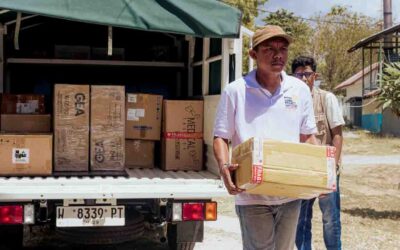
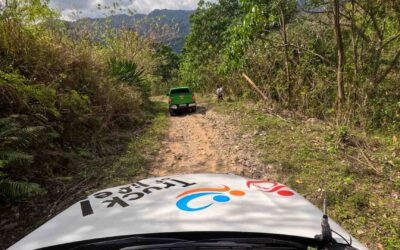
Logistics is medicine in remote regions where healthcare access depends on transport, supply chains and field operations. Trucks, motorcycles and medical deliveries determine whether diagnostics, vaccines and treatments reach isolated communities in time to save lives.
Last Mile Global Health | Why Systems Stop Early
Global health programs often succeed at national level but fail to reach the most remote communities. This article explores the last mile global health challenge and explains why healthcare systems stop before the final villages, and how community medicine bridges that critical distance.
Health Built Before Patients Arrive | Rural Medicine
Health built before patients arrive explains why prevention determines survival in rural regions. Clean water systems, malaria prevention, community health agents and early detection reduce infections and save lives long before a patient reaches a clinic.
Health Data Where No Data Exists | Rural Care
Generate health data where no data exists in ultra-rural East Sumba. Through structured primary medical care documentation and field-developed medical apps, we record real disease patterns, reveal hidden burdens, and guide targeted health interventions in remote Indonesian villages.
Hidden Cost of Delay in Rural Medicine | Access
The Hidden Cost of Delay in Rural Medicine shows how distance, financial barriers and time to first consultation transform mild illness into severe complications in East Sumba. Through Primary Medical Care, early intervention reduces avoidable deaths and restores timely access to treatment in ultra rural Indonesia.
Community Health Brokers | Health System Model
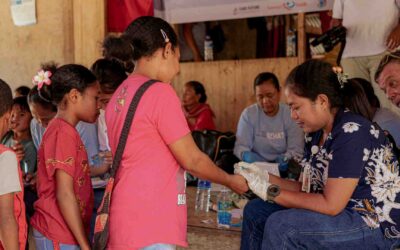
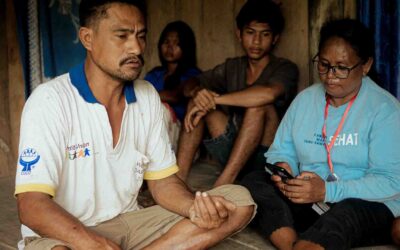
Community Health Brokers operate as a structured health system in ultra rural East Sumba, managing 700 to 1000 consultations monthly. With 80 percent of cases resolved locally under supervision, this Primary Medical Care model reduces preventable hospitalizations and strengthens healthcare access.
Antibiotics Without Laboratories | Rural Care
Antibiotics without laboratories define daily medical reality in remote East Sumba. Severe infections cannot wait for cultures that do not exist. We treat empirically, guided by clinical expertise, local epidemiology, and strict protocols designed to protect both patients and global antimicrobial effectiveness.
Health Without Infrastructure Fiction | Rural Care
Health Without Infrastructure Fiction describes a simple reality in ultra-rural East Indonesia. When roads, water, and electricity are absent, diagnosis is delayed and preventable disease becomes lethal. Infrastructure is not secondary to healthcare. It is healthcare.
Preventable deaths are geographic | Delay to care
Preventable deaths are geographic in ultra rural Indonesia. The decisive variable is not pathogen biology but time to first medical contact. When fever, cough or diarrhea begin, hours matter. In many villages, care is days away. Reducing delay is the most direct way to reduce mortality.
Sepsis in Rural Indonesia | Preventing Silent Deaths
Sepsis in ultra-rural Indonesia often begins with untreated infections caused by lack of access to care. Based on field experience, this article explains how early primary medical care, trained community health agents, and prevention stop infections before they become fatal.
Swiss Humanitarian Medical Expertise | Field-Based Care
Swiss humanitarian expertise is built on medical rigor, ethical responsibility, and long-term field presence. Applied directly alongside communities, it transforms Swiss standards into durable healthcare, prevention, and accountable action where systems are absent.